Adopting a shelter dog: questions to ask before you decide, getting your home ready and patient first days
It's only natural to want to take home the dog that wagged its tail the moment it saw you at the shelter. But adopting isn't a decision for a day; it's a decision for years. According to the RSPCA, dogs can live well into their teenage years. In this article, based on advice from Dogs Trust, the RSPCA and Battersea, we cover what to ask yourself before adopting, how to prepare before the dog comes home, and how to help your dog settle in during the first days.
- Honest questions first: Do you have the time, patience and budget? According to Dogs Trust, a dog should never be an impulse purchase or a gift.
- A long promise: According to the RSPCA, dogs can live well into their teenage years; think about possible changes in your life, too.
- Getting ready: A secure collar with an ID tag, a leash, bowls, food, a bed, toys and a safe place for the dog to rest.
- Keep the first days calm: Dogs Trust and Battersea recommend no visitors for at least the first few days.
- At its own pace: Wait for the dog to come to you; keep walks short and in the same place during the first days.
- Patience: According to Dogs Trust, the first few days are the hardest; keeping a settling-in diary for three months makes things easier.
Ask yourself before you adopt
Dogs Trust recommends that anyone thinking of getting a dog ask themselves a few honest questions. For a shelter dog, these questions matter even more, because the dog may already have lost one home.
| Question | Why it matters |
|---|---|
| Do I have the time? | According to Dogs Trust, dogs shouldn't be left alone for hours at a time. They need daily walks, play and training; you may need to arrange a dog walker or doggy day care for when you're out. |
| Will I plan my life around them? | Last-minute trips get harder. According to Dogs Trust, dogs generally love routine; they expect a similar schedule every day. |
| Do I have the patience? | According to Dogs Trust, settling in, house training and learning to be alone take time. Sometimes you'll need to go back a step. |
| Can I commit for the long term? | Think about possible changes such as having children, moving house, changing jobs or moving abroad. |
| Can I afford it? | There's food, bedding, toys, treats and grooming. According to Dogs Trust, vet bills may rise as your dog gets older; you may also need a trainer or a behaviorist. |
| Do I want a dog for the right reasons? | According to Dogs Trust, a dog should never be an impulse purchase or a gift. |
| Is everyone at home ready? | Think about everyone who lives with you and regular visitors. According to Dogs Trust, children should always be closely supervised by an adult around dogs. |
| Will my other pets accept a dog? | A cat that gets on with one dog won't necessarily get on with every dog. Introductions need to be done properly. |
If you're not sure yet, Dogs Trust suggests a middle path: fostering. Especially if you've never had a dog before, it's a good way to try out the responsibility while helping a shelter dog. The RSPCA also suggests fostering for people who aren't ready for permanent ownership.
Meeting through the shelter
The RSPCA says that in its own adoption process it tries to match the dog with your life: your working pattern, your lifestyle, and any children and other pets at home are taken into account. Meetings usually take place at the shelter. Some dogs need several visits, especially if there are children or other animals at home. The RSPCA says it also provides the dog's veterinary history and settling-in advice when you adopt.
So ask the shelter or rescue group plenty of questions: what food is the dog used to, how does it spend its day, what does it like, what is it afraid of? According to Dogs Trust, adult dogs arrive with habits from their previous life, and building the new routine on top of them makes things easier. If you have children at home, also see our kids and dogs article.
Getting ready before the dog arrives
The RSPCA recommends having these ready at home before you collect the dog:
- A secure collar with an ID tag and a leash
- Food and water bowls, and suitable food
- A bed and toys
- A safe place to rest
According to Dogs Trust, the bed should be warm, comfortable and big enough for the dog to stretch out in, with water and toys nearby. Don't put the bed next to a ground-floor window, where cars and people passing at night can disturb it. Keep it away from hazards like wires and sockets, too.
Battersea recommends giving the dog a quiet retreat where it can be on its own, away from people: an open crate with blankets over it, or a comfy bed. Always have a water bowl there, and make sure everyone at home knows to leave the dog alone there. According to Battersea, this retreat should never be used as a punishment. You can block off areas the dog shouldn't go into with baby gates or by keeping doors closed.
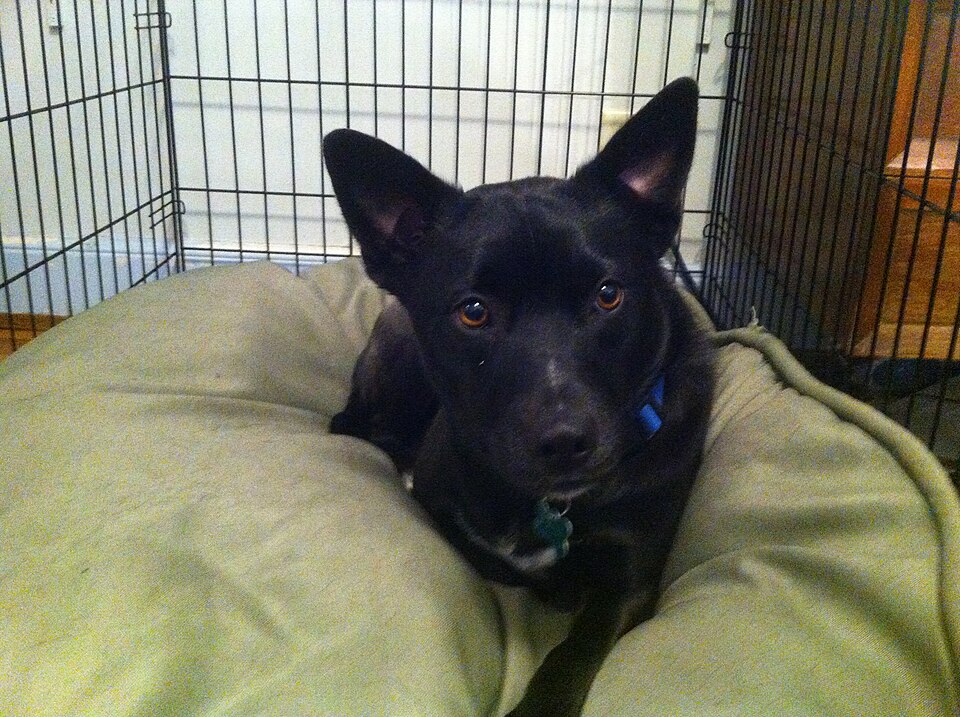
The first days: at your dog's own pace
According to Dogs Trust, the first few days are the hardest. A new home, new sounds, new smells and new people. Let your dog get used to this new world at its own pace.
- Keep the home calm: Dogs Trust recommends no visitors during this time; according to Battersea, avoid visitors for the first few days at least.
- Don't rush to touch: According to Dogs Trust, wait for the dog to come to you. If it leans in, stroke its chest or shoulders for three to four seconds, then pause and see if it wants more. If it isn't interested, give it space.
- Respect its retreat: Don't disturb the dog when it's in its own spot. Leaving treats and toys there makes the spot more appealing.
- Short walks: According to Dogs Trust, keep walks short and in the same place for the first few days.
- Go slowly with other pets: Introduce the dog to other animals at home slowly and carefully.
- Set a routine right away: Create a routine and stick to it; if you can, build it on the routine the dog is already used to.
- Set house rules from day one: According to Battersea, bad habits are hard to break later. If you don't want the dog on the sofa, stick to that from the first day and play on the floor instead.
If your dog wants to keep its distance from you in the first days, don't be upset. According to Battersea, this is completely normal and not personal. Some dogs simply need a bit more time to settle in.
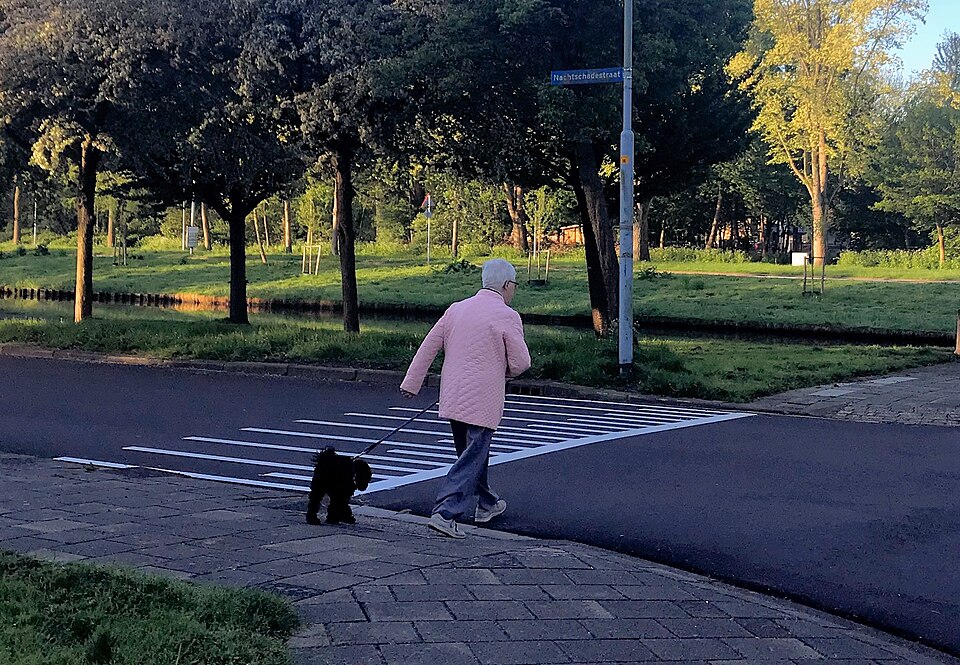
Your first-week to-do list
Dogs Trust recommends doing these within the first few days: update the details on your dog's microchip record and register with a vet. We covered what you need to know about identification records for pet cats and dogs in Turkey in our PETVET and microchip article.
Dogs Trust also recommends keeping a settling-in diary for the first three months: note what your dog likes and dislikes, its behavior and its eating habits. These notes help you see progress, and they come in handy when you talk to your vet or a trainer.
Patience: house training, nights and being alone
According to the RSPCA, some dogs arrive already house trained, but many need time and training to adjust. Being patient and consistent while your dog settles in is very important. Dogs Trust also reminds you that your dog may need house training and that you should watch for signs of anxiety.
For nights, Dogs Trust suggests introducing the bed during the day and considering a suitable chew to help your dog settle. If your dog gets very unsettled when left alone, sleep near it at first, then gradually move further away, and ask the shelter or rescue group you adopted from for advice. To teach being alone step by step, see our separation anxiety article.
Watch the small signals to understand how your dog feels. According to Dogs Trust, spotting the signs that your dog is anxious or frightened helps you respond the right way. We explain what those signs are in our dog body language article.
If anything about your dog's health worries you while it's settling in, don't brush it off as "it's only just arrived"; talk to your vet without delay.
For the settling-in diary Dogs Trust recommends, you can add notes with photos to Tüylüm's Memory book. You can save your new vet's details under My vet, set up vaccine, parasite and appointment reminders, and share your dog's care with your family through Home.
Frequently asked questions
My dog won't come to me on the first day. Is something wrong?
Most likely not. According to Battersea, wanting to be on its own in the first days is normal and not personal. According to Dogs Trust, wait for it to come to you and give it space without forcing anything.
Can I invite guests over to meet the dog as soon as it arrives?
Battersea recommends no visitors for at least the first few days, and Dogs Trust also wants you to keep the home calm during this time. Let your dog get to know you and the house first.
I've never had a dog. What can I do instead of adopting right away?
Dogs Trust recommends fostering first, especially for people who've never owned a dog. That way you can see whether this responsibility fits your life while helping a shelter dog.

Keep track of your pet's care in TüylümLog vet visits, vaccine and medication dates, and we'll remind you when it's time. Share it all with your family in Home.
Sources
- Dogs Trust · Should I get a dog? 10 questions to ask yourself
- Dogs Trust · How to help a rescue dog get settled into your home
- RSPCA · How to adopt a dog
- Battersea · How to settle in your new puppy or dog
By Tüylüm · Published and last checked: October 26, 2026. Spotted a mistake? Write to [email protected] and we'll fix it right away. Photos are from Wikimedia Commons, used under the license shown below each photo.