Car travel with your dog: safe restraint, breaks, dealing with car sickness, and never leaving your dog in the car
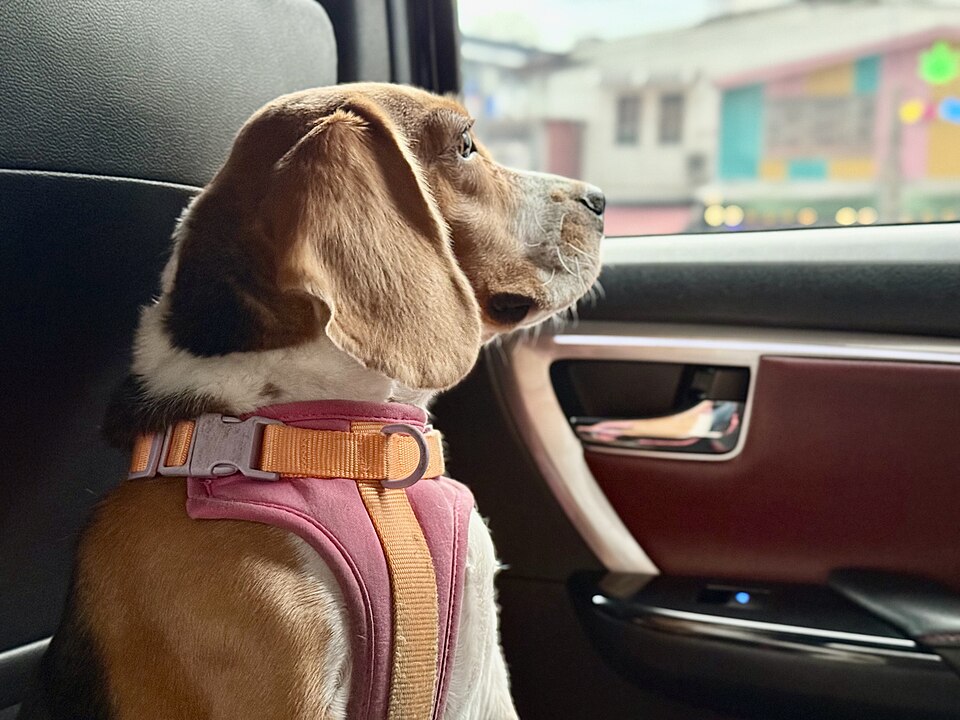
A dog roaming around the back seat, trying to jump into the front or sticking its head out of the window. It may look cute; but it distracts the driver, and the dog itself can get hurt if you brake suddenly. A vet visit, a vacation or a quick trip to the park: every time you get in the car with your dog, a few simple rules make the journey safe and comfortable for both of you. In this article, based on Dogs Trust, PDSA, the RSPCA and the UK's road rules, we explain how to travel by car with your dog.
- Always restrain: A guard in the trunk, a crate secured in the trunk, or a car harness clipped to the seat belt attachment on the back seat.
- No heads out of windows: According to PDSA, letting your dog stick its head out of the window can be dangerous.
- Train step by step: First the parked car, then the engine sound, then short, slow journeys.
- For car sickness: PDSA recommends feeding at least 2–3 hours before travel, starting with short journeys and taking regular breaks.
- Never leave your dog in the car: According to Dogs Trust, not at any time of year, not even for a short while. According to the RSPCA, when it's 22°C (72°F) outside, a car can reach 47°C (117°F) within an hour.
- Don't force a frightened dog: According to Dogs Trust, a frightened dog should never be forced to travel; get support from a behaviorist.
Why restraint matters
The UK's Highway Code spells it out: in a vehicle, dogs and other animals must be suitably restrained so they can't distract the driver, or injure the driver or themselves if you stop quickly. The same rule lists a seat belt harness, a pet carrier, a dog cage and a dog guard as ways to do this.
PDSA explains why with an example: at just 30 mph, an unrestrained dog weighing 20 kg (about 44 lb) would be hurled forward with enormous force in a crash. That's dangerous for both the dog and the people in the car.
PDSA has two more warnings. First, trunk guards protect your passengers in an accident but won't protect your dog. Second, letting your dog stick its head out of the window can be dangerous.
Which restraint?
Dogs Trust suggests three options:
| Option | How |
|---|---|
| Trunk with a guard | The dog rides in the trunk; a guard blocks access to the passenger area. |
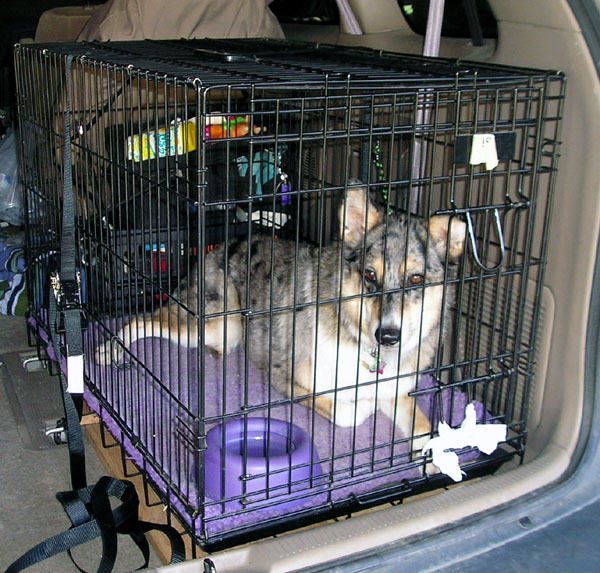
| Crate in the trunk | The crate is placed securely and firmly in the trunk. |
| Car harness | The dog sits on the back seat; the harness is clipped to the seat belt attachment. It should be the right size and fitted correctly. |
PDSA notes that seat belt harnesses, crates and carriers stop a dog from moving around the car; but there's no legal requirement for these products to be crash tested. So when you choose a product, look for ones with documented crash testing. PDSA also recommends giving your dog something comfortable to sit on and making sure it doesn't slide around when the car moves.
Getting used to the car, step by step
A dog that dislikes the car and a puppy that's never ridden in one start the same way: slowly and with rewards. According to PDSA, pets that are used to car travel from a young age are more relaxed on journeys. Here are Dogs Trust's steps:
- Next to the car: Reward your dog with its favorite treat when it's calm around the car, even just for walking around it.
- Getting in: Give a reward when it sits calmly before you open the door. Put a blanket inside that smells of you or of your dog.
- Engine and movement: Give a treat when the engine starts and the car begins to move, so it links these sounds and movements with good things. Introduce them gradually.
- Getting in and out: Ask it to sit while you open the door, and keep rewarding it for waiting. Once it's inside, give it something safe and long-lasting to chew.
- Short journeys: Start with short, slow and gentle journeys. Drive smoothly, leaving plenty of time for braking.
PDSA also recommends ending short trips with something fun: a treat, a walk or an exciting day out.
A dog that gets car sick
According to PDSA, car sickness is common in puppies but can also affect older dogs. Dogs that weren't introduced to car travel slowly as puppies are more likely to develop it. According to PDSA, signs of car sickness include drooling, panting, swallowing a lot, lip licking, retching and vomiting. Barking or whimpering, shaking, peeing or pooping in the car and refusing to get in can be signs of a fear of travel.
PDSA says travel training is the best way to keep the problem from developing:
- Visit the car without a trip: Go to the car with your dog when you don't need to go anywhere, and reward it with a treat or a toy.
- Engine first, then a short drive: Once your dog is relaxed with the engine running, try a one- to two-minute drive. If your dog gets worked up, stop and walk home.
- Start short, build slowly: According to PDSA, start with journeys of no more than five minutes, then add a few minutes each time. Practice each step for 2–3 days; if your dog seems anxious, go back a step.
- Feed early: According to PDSA, feed your dog at least 2–3 hours before travel and take it for a walk before you set off.
- Keep it cool: Make sure cool air reaches the back seat or the trunk.
- Help it feel secure: Use a suitable crate or car harness, with a comfortable cushion underneath.
- Take regular breaks: Stop often on long journeys.
According to PDSA, car sickness tends to get worse over time, so it's best to act as soon as you notice a problem starting. If your dog vomits on every journey, or keeps getting car sick even on an empty stomach, talk to your vet without delay.
During the journey
- Water: According to PDSA, offer water regularly throughout the journey; a non-spill water bowl makes this easier.
- Breaks: On long journeys, stop so your dog can stretch its legs and have a drink. Dogs Trust also recommends planning exercise and toilet breaks for longer trips.
- Keep it cool: According to PDSA, the back seat and trunk can heat up very quickly. Point the fans toward the back seat and remove the cargo cover (parcel shelf); a cooling mat to lie on helps too.
- Drive smoothly: According to Dogs Trust, a jerky or uncomfortable journey can make your dog anxious.
- When the door opens: Teach your dog to wait in place when the door opens; let it get out on its leash, in a controlled way.
Never leave your dog in the car
There's no exception to this rule. According to Dogs Trust, dogs should never be left alone in the car at any time of year, not even for a short while. According to the RSPCA, when it's 22°C (72°F) outside, the inside of a car can reach 47°C (117°F) within an hour; a car can become as hot as an oven even when the weather doesn't feel that warm. The RSPCA also stresses that many people wrongly think parking in the shade or leaving the windows open is enough.
If you need to stop somewhere on the way, Dogs Trust's advice is this: leave your dog safely at home, or bring someone with you who can walk the dog outside on its leash while you go in. For other ways to protect your dog in hot weather and the signs of heatstroke, see our hot weather article.
According to the RSPCA, if the dog shows any signs of heatstroke, call the emergency number right away. If the dog seems fine, note the car's license plate and how long the dog has been there; if you're outside a store or venue, ask the staff to alert the owner, and stay with the dog. If its condition gets worse, call the emergency number.
A dog that's afraid of the car
For some dogs, the car is genuinely scary. According to Dogs Trust, a frightened dog should never be forced to travel. During this time, find someone to stay with your dog, avoid the journey or make other plans. Avoid car journeys completely while you get support from an experienced behaviorist. To understand how your dog shows its fear, see our dog body language article.
Before a trip, save your vet's details under My vet in Tüylüm; if something happens on the road, you can call with a single tap. If your dog gets lost on the way, you can quickly make and share a Lost pet poster with its photo.
Frequently asked questions
Can my dog ride on my lap or in the front seat?
The options Dogs Trust recommends are a trunk with a guard, a crate secured in the trunk, or a car harness clipped to the seat belt attachment on the back seat. Under the UK's road rules, a dog must be restrained so it can't distract the driver or injure anyone if you stop quickly. A loose dog on your lap doesn't meet that standard.
If I leave the window open a little, can I leave my dog in the car for a short while?
No. According to Dogs Trust, a dog should never be left in the car at any time of year, not even for a short while. According to the RSPCA, leaving the windows open or parking in the shade doesn't protect your dog.
My dog drools on every trip. What should I do?
This can be a sign of car sickness. According to PDSA, start again with journeys of no more than five minutes, feed at least 2–3 hours before travel and take regular breaks. If the problem continues, talk to your vet without delay.

Keep track of your pet's care in TüylümLog vet visits, vaccine and medication dates, and we'll remind you when it's time. Share it all with your family in Home.
Sources
- Dogs Trust · How to train your dog to travel in the car
- PDSA · Safe car travel for pets
- PDSA · Car sickness and motion sickness in dogs
- GOV.UK · The Highway Code: rules about animals (47 to 58)
- RSPCA · Dogs die in hot cars
By Tüylüm · Published and last checked: October 26, 2026. Spotted a mistake? Write to [email protected] and we'll fix it right away. Photos are from Wikimedia Commons, used under the license shown below each photo.