Can you train a rabbit? Clicker training, coming when called and getting into the carrier

Picture calling your rabbit by name and watching it hop over to you, or seeing it step into its carrier on its own on vet day. It may sound like a circus trick, but it isn't. According to the RSPCA, rabbits are intelligent, curious animals that can learn tricks, new behaviors and cues. And the real payoff of training isn't showing off. According to the RSPCA, training helps a rabbit get comfortable with being handled and getting into a carrier, strengthens the bond between you, and is a great activity for a rabbit in its own right.
- Rewards only: According to the RSPCA, shouting or forcing a rabbit will only frighten it. Use reward-based methods only.
- The golden rule: According to Blue Cross, every click is followed by a treat, even if you clicked at the wrong moment.
- Short and often: RSPCA Australia recommends short but frequent, positive sessions.
- Treats come from the daily ration: According to the RSPCA, treats should come out of your rabbit's daily food allowance.
- First lesson: The RSPCA recommends starting with something simple, such as coming when called.
- Stop if it's scared: If you see hiding, freezing, fast breathing or attempts to escape, take a break (RSPCA Australia).
How do rabbits learn?
According to RSPCA Australia, rabbits are prey animals, and their natural learning is based strongly on survival, fear and stress. That's why the foundations of training are patience, consistency, trust and giving the animal choice and control. Your rabbit should be able to walk away when it doesn't want to take part. RSPCA Australia advises against physically pushing an animal into a position.
There's no place for punishment. According to the RSPCA, shouting at or punishing a rabbit doesn't work: it's unlikely to understand what you mean and can simply become nervous and scared. RSPCA Australia also recommends ignoring unwanted behavior rather than punishing it. Force and punishment can lead to fear, aggression and long-term behavior problems. How to tell when your rabbit is frightened: rabbit body language.
What do you need?
According to Blue Cross, you can clicker train any animal, including dogs, cats, horses and rabbits. The idea is simple: your rabbit learns that the sound of the click means "that's right" and that a treat is coming. Blue Cross says a click works better than your voice. Your mood shows in your voice, and by the time you've praised your pet, it may have moved on to something else. A click is quick, clear and the same every time.
- A clicker: According to Blue Cross, all you need to get started is a clicker and a few small treats. First check whether your rabbit is sensitive to sound; some animals can be frightened by the unfamiliar click.
- Treats: Blue Cross suggests tiny pieces of carrot for rabbits; the RSPCA suggests a healthy treat. Training involves a lot of treats; RSPCA Australia reminds you to count them as part of the daily food and notes that too many can lead to weight gain. More details: what rabbits eat.
- Not always food: According to RSPCA Australia, being petted can also be a reward for some rabbits.
- The spot: A quiet, familiar corner where your rabbit feels comfortable (Blue Cross, RSPCA Australia).
- Everyone uses the same word: RSPCA Australia recommends that everyone who looks after your rabbit uses the same cues and the same rules.
Step one: pair the click with a treat
- One click, one treat. According to Blue Cross, click once while your rabbit is next to you and give it a treat right away. Don't point the clicker at your rabbit or click right next to its ears.
- Repeat a few times. Once your rabbit perks up at the sound of the click and looks to you, step one is done.
- Keep your promise. Blue Cross's golden rule: every click is followed by a treat, even if you clicked at the wrong moment. The click must be a guarantee of a reward.
- The click ends the exercise. According to Blue Cross, the click means that try is over. Let your rabbit enjoy its treat, then start again.
From here on, timing is everything. According to Blue Cross, you should click while the behavior is happening, not afterward, and then reward right away.
The first trick: touching a target
According to Blue Cross, one of the easiest things to start with is teaching your pet to touch an obvious target: a mat on the floor, a ball on a stick or your hand. The RSPCA also lists touching an object with the nose (target training) among the things rabbits can learn.
- Reward small steps. According to Blue Cross, click and treat as your rabbit moves toward the target; you don't have to wait for it to touch it. Don't talk at this stage; let the clicker do the talking.
- A big reward for a touch. The moment its nose touches the target, click and give several treats at once.
- Add the word later. Once your rabbit goes straight to the target when it sees it, say "touch" just before it touches; when it does, click and reward.
- Only when asked. Over the next few days, practice until the word alone is enough. After that, reward only the touches you asked for.
- Fade it out slowly. Finally, cut back on clicks and treats; but keep saying "good job," giving scratches and the occasional treat.
These steps come from Blue Cross. According to RSPCA Australia, target training is also useful when teaching recall. You can break a harder behavior into small, easy steps in the same way.

Coming when called
The RSPCA recommends that people who have never trained a rabbit start with something simple, such as coming when called, rewarded with a healthy treat. According to RSPCA Australia, this training makes a rabbit's supervised time outside its enclosure safer and helps it go back to its enclosure willingly.
- Pick a short cue: Its name or a word like "come," always the same.
- Pair it while close: While your rabbit is already next to you, say the word and immediately give a small treat or praise. Repeat over several short sessions.
- Add distance little by little: Once your rabbit starts linking the word with a reward, call it from a short distance away; reward it right away when it comes.
- Try different places: Practice in safe places your rabbit uses often.
- Reward less often: Over time, give fewer treats, but keep rewarding now and then.
The steps come from RSPCA Australia. The RSPCA also reminds you to be patient and kind: it takes a lot of practice for a rabbit to link the word with the action and the reward, and it may not happen on the first tries.
The real payoff: the carrier and care
According to the RSPCA, training is a great way to get a rabbit comfortable with being handled and getting into a carrier. According to RSPCA Australia, animals that learn to go into a carrier, be handled, be groomed and have health checks willingly can feel less fear and stress during these things.
RSPCA Australia's method for the carrier: put a treat at the entrance first and let your rabbit approach and take it at its own pace. As it gets more comfortable, move the treat further inside step by step. Other preparations before a trip: traveling with a rabbit. The right way to pick a rabbit up: how to hold a rabbit. Using a litter box is something rabbits learn, too: litter training rabbits.
When should you take a break?
According to RSPCA Australia, hiding, freezing, aggression, fast breathing or trying to escape are signs of stress or fear. If you see them, pause the training and try again later. RSPCA Australia recommends keeping sessions short to avoid frustration and fatigue.
Rabbit agility? Think first
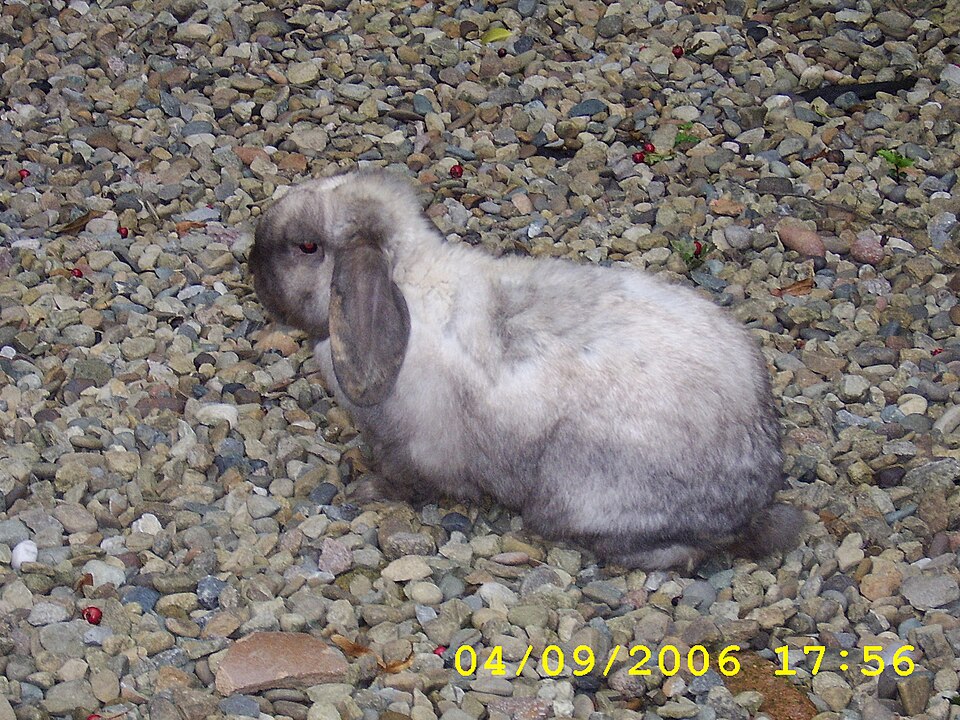
You may have seen competitions where rabbits jump over obstacles (agility). According to the RSPCA, it isn't right for every rabbit. Many rabbits aren't built for it; it can be stressful for shy rabbits; lop-eared rabbits risk ear injuries; and young rabbits need to wait until their bones and joints are strong. According to the RSPCA, you should always talk to your vet before starting this kind of training.
The RSPCA also advises against walking a rabbit on a harness. A frightened rabbit's instinct is to run and hide; a lead stops it from doing that and causes unnecessary stress. A rabbit can hurt itself struggling against the harness or running and jerking against the end of the lead. Other ways to keep a rabbit from getting bored: dig boxes, branches and toys.
Training treats come out of the daily food ration. You can keep an eye on your rabbit's weight with Tüylüm's Weight tracking. Add your own task, such as "Training," on the Today tab to keep short sessions regular.
Frequently asked questions
Can every rabbit be trained?
According to the RSPCA, rabbits are intelligent, curious animals that can learn tricks and new behaviors. But every rabbit is different. The RSPCA recommends starting with something simple, such as coming when called, seeing whether your rabbit responds well, and only then moving on to harder things.
I don't have a clicker. Can I do it without one?
According to RSPCA Australia, the reward can be food, praise or play, and it should come right after the behavior. Blue Cross prefers the click, because your voice changes with your mood while the click always sounds the same.
My rabbit grabs the treat and runs off. What should I do?
Don't chase it or hold it down. RSPCA Australia recommends giving the animal choice and control. Keep sessions short and work in a quiet spot; if you see signs of fear, take a break and try again later.

Keep track of your pet's care in TüylümLog vet visits, vaccine and medication dates, and we'll remind you when it's time. Share it all with your family in Home.
Sources
- RSPCA · Natural behaviours of pet rabbits
- RSPCA · Rabbit agility
- Blue Cross · Clicker training dogs and cats
- RSPCA Australia · How can I train my pet cat, rodent or rabbit at home?
- RSPCA Australia · How can I socialise my rabbits with people and other rabbits?
By Tüylüm · Published and last checked: October 28, 2026. Spotted a mistake? Write to [email protected] and we'll fix it right away. Photos are from Wikimedia Commons, used under the license shown below each photo.