The dog who won't come back: teaching recall, step by step
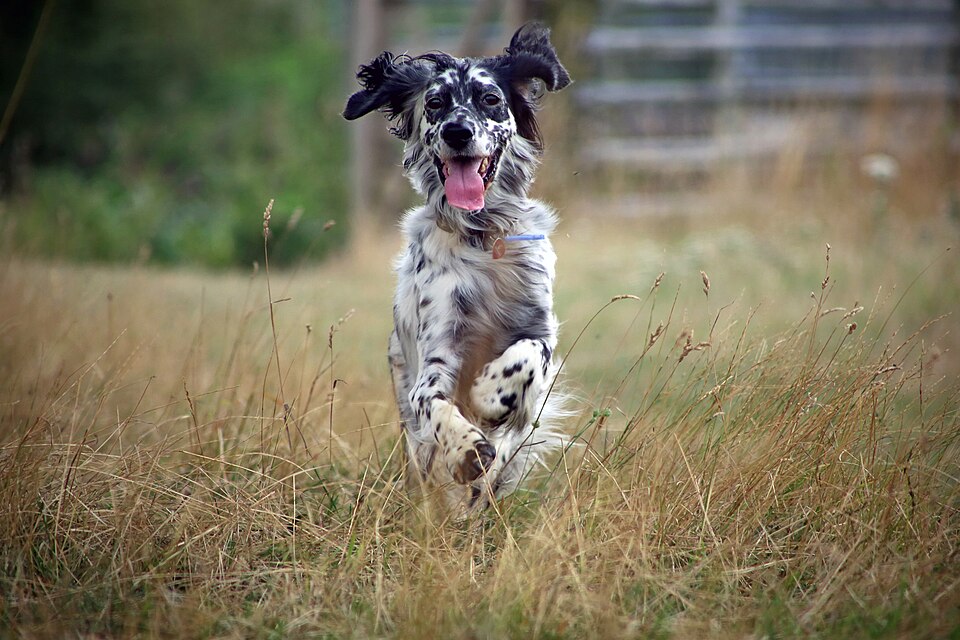
You're calling your dog's name for the third time at the park. Your dog's nose is on the ground, following a scent. The louder you get, the farther away your dog seems to drift. According to Dogs Trust, an off-leash dog has plenty of tempting options: chasing a squirrel, playing with another dog. On top of that, your dog may not be sure you really want them to come back. The RSPCA's formula is short: you need to learn to be more exciting than the rest of the world.
- Name first, then the cue: Teach your dog to respond to their name; then add a short word ("come") and a hand signal. Everyone at home should use the same ones.
- Reward every return: However late it is. According to the RSPCA, a dog you call and then scold won't want to come next time.
- From easy to hard: Start at home, then the yard, then outdoors on a long training line. Increase distance and distractions gradually.
- Don't keep calling: Dogs Trust recommends waiting at least 5 seconds. If you don't think your dog will come, don't call; go and get them.
- Before going off-leash: A secure, enclosed area away from roads, and a recall you trust.
Why won't your dog come?
Look at it from your dog's point of view. What happens when they come when called? Often the leash goes on and the fun ends. Sometimes they get a "where have you been?" telling-off. The RSPCA points to exactly these two habits: calling your dog and then scolding them, and calling them only to put the leash back on. Both teach your dog the same thing: coming back is no fun.
According to RSPCA Australia, recall only works if your dog wants to come back to you. Every step in this article is about building that wish.
Getting ready: one word, one signal, one rule
Dogs Trust recommends starting with your dog's name. Teach your dog to turn to you when they hear it; build your recall cue on top of that.
- A short word: "Come," "here" or a whistle. Whatever you pick, always use the same one.
- A hand signal: Such as opening your arms wide. Your dog can see it even when they can't hear you.
- Everyone at home the same: If one person says "come" and another says "here," your dog gets confused. Everyone in the family should use the same word and the same signal.
- Use the cue sparingly: After calling, wait at least 5 seconds. If you don't think your dog will come, don't call at all; otherwise they learn that not coming back is an option too.
Recall, step by step
Put the RSPCA's six steps together with RSPCA Australia's "Follow Me" game, and you get a path like this:
- The "Follow Me" game at home. Drop a treat on the floor and walk a few steps away while your dog eats it. Say their name, then say "come." The moment they start walking toward you, mark it with "yes!" or "good dog"; when they reach you, give another treat. Change direction, keep moving, keep it playful.
- Be exciting. The RSPCA recommends a happy, excited tone of voice; crouching down can help too. Hold a treat or toy your dog loves, and show it to them first.
- When they arrive, gently hold the collar, then reward. This is the order the RSPCA recommends: when your dog reaches you, gently hold their collar, then give the treat or play with the toy. That way, coming to you and being held both go with something good.
- Build up the distance. Move away gradually until you can call your dog between rooms, then out into the yard and back inside.
- Practice with a helper. One person gently holds the dog's collar while the other moves away and calls. Take turns, and praise every success.
- Go outdoors on a long line. Once your dog reliably comes indoors and in the yard, practice in a safe open space on a long training line. Again, increase distractions and distance gradually.
Dogs Trust adds one more detail: let your dog move away from you a little, then call. In real life, too, your dog will already be off exploring when you call.
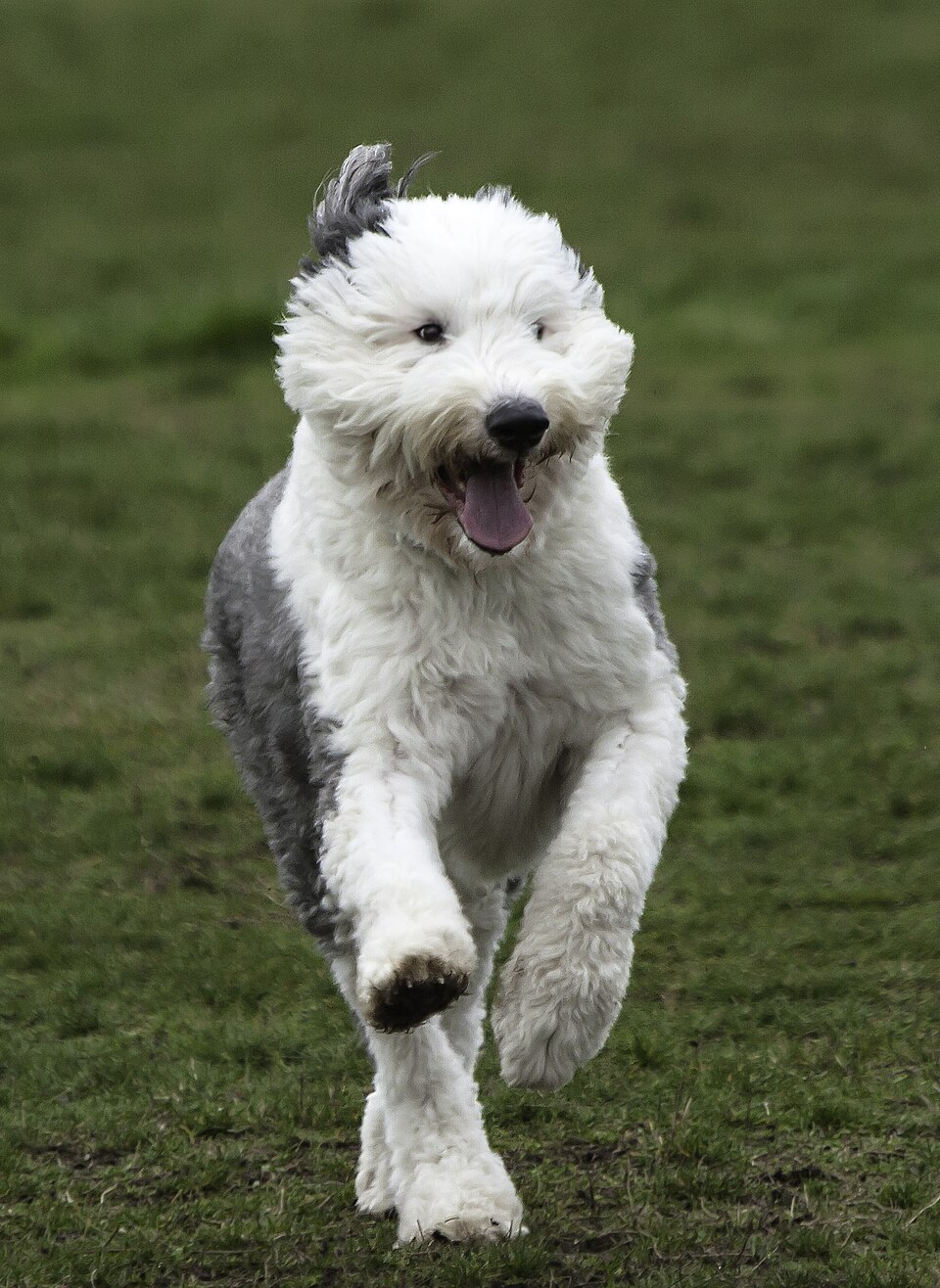
The long line: freedom and safety
A long training line gives your dog some freedom while keeping you in control. Dogs Trust recommends attaching it to a harness. If your dog ignores your call:
- Stay calm. According to Dogs Trust, shouting or getting angry makes your dog less willing to come back.
- Never reel them in. You can guide gently with the line, but don't pull your dog toward you. If needed, go and get them.
- A big reward if they come on their own. If your dog comes back without any help, give your highest-value treat.
RSPCA Australia also gives a benchmark for going off-leash: on a long line, in places full of distractions, your dog should come back for at least 80% of calls. Only then should you try off-leash, in an enclosed, safe area with few distractions.
Rewards: you're competing with the rest of the world
- Match the reward to the setting. An ordinary treat is fine at home. According to RSPCA Australia, at the park the reward needs to be more appealing than everything around.
- The jackpot. If your dog comes back at a hard moment, give several treats at once and lots of praise. RSPCA Australia calls this a "jackpot."
- A toy for dogs who aren't into food. Their favorite toy works. RSPCA Australia recommends keeping the toy out of sight between sessions so it stays special.
- Reward less, but don't stop. According to Dogs Trust, you can reward less often as your dog learns; but keep giving the occasional treat so they stay motivated.
- Come prepared. The RSPCA recommends taking your dog's favorite treats and toys on walks.
Habits that break recall
The RSPCA and RSPCA Australia say the same thing: don't scold or punish your dog for coming back late. Calmly walk over to a dog who hasn't come, clip on the leash, ask for something they know (such as "sit") and reward it.
- Repeating the cue. RSPCA Australia recommends not repeating the cue more than twice. If your dog isn't coming, go and get them, and practice again somewhere easier.
- Chasing your dog. Even in play, if you run after your dog, they may learn to run away from you. RSPCA Australia suggests the opposite: run away from your dog and call them; most dogs will chase you.
- Every recall ending the fun. RSPCA Australia recommends rewarding your dog after a recall and then letting them go again. Don't end every return by clipping on the leash and heading home.
- A dog with energy to burn. According to RSPCA Australia, a settled dog who has had their daily physical and mental exercise is less likely to run off. Nose work is perfect for this: sniffing games.
Before going off-leash
RSPCA Australia gives a realistic warning: because you can't control the environment, there's no such thing as a 100% reliable recall; a frightened dog may panic and run. According to Dogs Trust, a dog who runs off can face dangers such as traffic, other dogs, farm animals and dog thieves.
- Away from roads: RSPCA Australia advises never letting your dog off-leash near roads or other dangerous areas, however good their recall is.
- A secure area: If your dog often runs off, Dogs Trust recommends continuing training on a long line and only letting them off-leash in secure areas.
- On leash around animals: The RSPCA recommends keeping your dog on a leash near farm animals. Keep your dog in sight at all times; that way they won't chase wildlife.
- ID: Dogs Trust recommends that your dog always wears a collar with an ID tag in public and that their microchip details are kept up to date. For registration in Turkey: PETVET registration and microchips.
If you'd like leash walks to be more enjoyable too: loose leash training.
If your dog ever runs off, don't lose time: with Tüylüm's Lost pet poster, you can quickly put together a poster with a photo and share it. You can also track daily walks as a care task on the Today tab.
Frequently asked questions
My dog comes when called but dodges away at the last moment. Why?
Most likely they've learned that coming back means the fun is over. RSPCA Australia recommends not clipping on the leash and heading home after every recall, but rewarding your dog and letting them go again. Reward every return, however slow.
Can I use a whistle instead of a word?
Yes. Alongside a short word like "come" or "here," Dogs Trust lists a whistle as an option. What matters is always using the same cue and that everyone at home sticks to it.
When can I let my dog off the leash?
According to Dogs Trust, only once you're confident they'll come back when called. RSPCA Australia recommends first making sure your dog comes back for at least 80% of calls on a long line in distracting places, then trying in an enclosed, safe area away from roads.

Keep track of your pet's care in TüylümLog vet visits, vaccine and medication dates, and we'll remind you when it's time. Share it all with your family in Home.
Sources
- Dogs Trust · How to train your dog to come back when called
- RSPCA · Train your dog to come when called
- RSPCA Australia · How can I teach my dog recall (to come when called)?
- RSPCA · How to walk your dog safely and responsibly
By Tüylüm · Published and last checked: October 28, 2026. Spotted a mistake? Write to [email protected] and we'll fix it right away. Photos are from Wikimedia Commons, used under the license shown below each photo.