Cockatiel care: companionship, cage, daily flight and a healthy diet
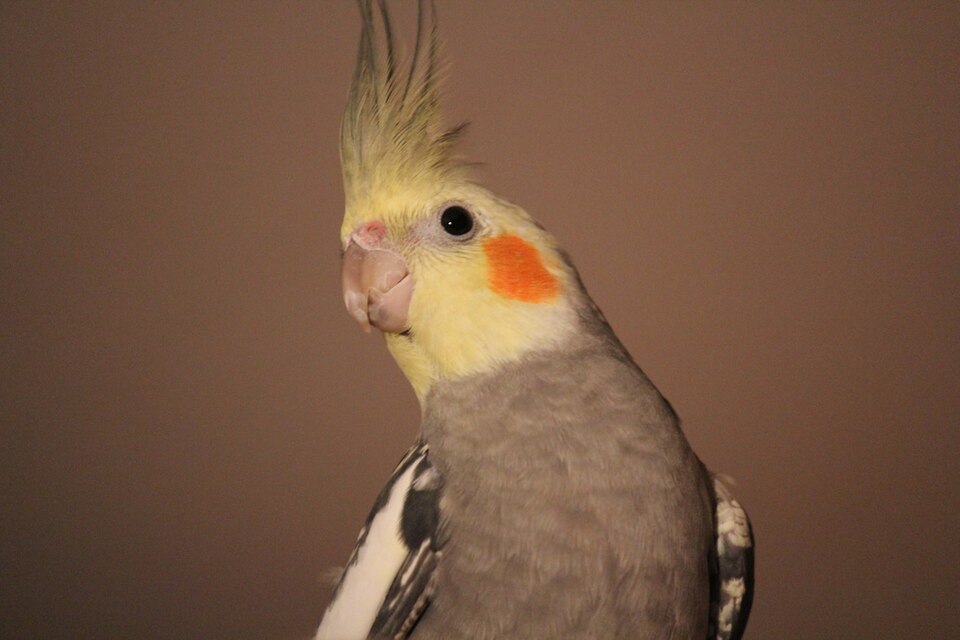
With its upright crest, orange cheek patches and whistles that echo through the house, the cockatiel is a bird you recognize at first sight. According to the exotics service at London's Royal Veterinary College (RVC), it's the smallest member of the cockatoo family and one of the most popular pet birds in the world. Cockatiels are generally friendly and gentle. But they are long-lived birds used to living in flocks; bringing one home means committing to a friendship that will last for years. In this article, we've brought together advice from the RVC, the World Parrot Trust, the RSPCA and the Merck Veterinary Manual.
- A long friendship: According to the RVC, cockatiels can live 10–15 years at home; the Merck Veterinary Manual says up to 20.
- Not alone: The RVC recommends that birds live with a partner of the same species for lifelong companionship.
- Cage: At a minimum, big enough for the bird to stretch its wings in every direction; ideally, big enough to fly in. Perches made from natural branches.
- Flight: According to the RVC, free flight is "an essential requirement"; your cockatiel should be able to fly in a safe room every day.
- Diet: According to the RVC, 60–80% of the diet should be pellets; the rest vegetables and a small amount of sprouted seed. Seeds only as treats.
Getting to know the cockatiel
According to the RVC, cockatiels come from Australia and have been kept and bred as pets since the 1840s. By the World Parrot Trust's measurements, they are 29–33 cm (11–13 in) long and weigh about 80–100 g (2.8–3.5 oz). In the wild, they live in the semi-arid interior of Australia, in open woodland, scrub and farmland.
They lean toward whistling rather than talking. According to the RVC, cockatiels are good mimics but are better at imitating whistles and other sounds than human speech. The Merck Veterinary Manual describes them as vocal birds, but fairly quiet compared with large parrots such as macaws or cockatoos.
Why shouldn't a cockatiel live alone?
According to the RVC, cockatiels naturally live in large flocks. The World Parrot Trust's photos of wild cockatiels also show birds perching in flocks and preening one another. That's why the RVC says most birds are social animals and ideally should live with another bird of the same species for lifelong companionship.
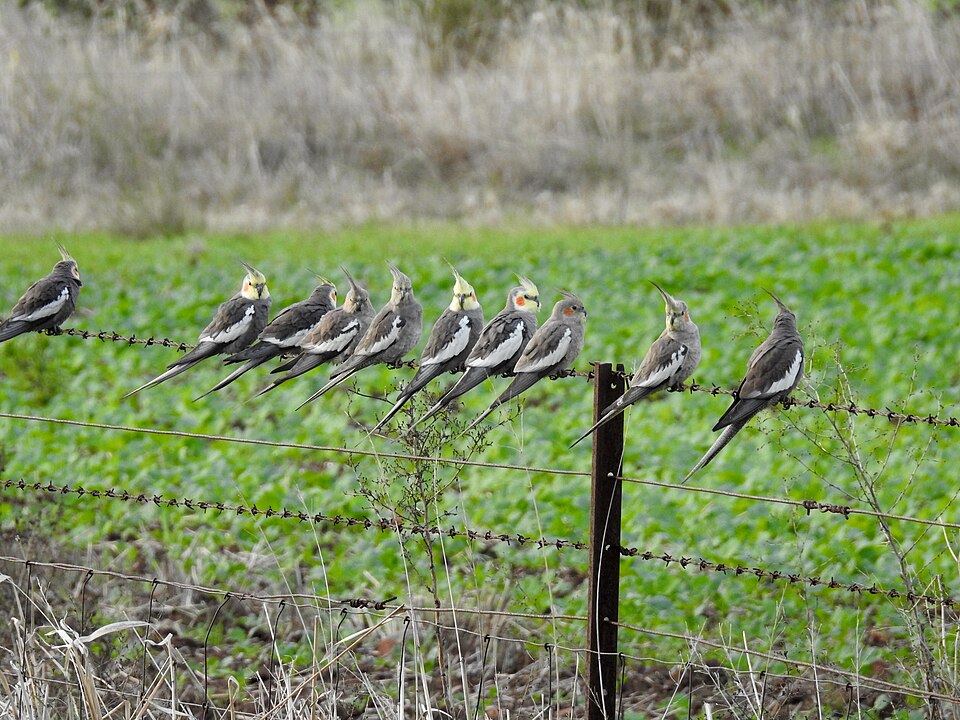
The RSPCA also lists cockatiels among the species that breed in colonies in the wild and can therefore live together in groups. Still, the RSPCA gives two warnings: every bird needs enough room to fly and to move away from the others. And hand-reared birds may prefer human company and not get along well with other birds.
If you're getting a companion for your current bird, talk to a vet experienced with birds first. Don't rush the introductions; here's the order the RSPCA suggests:
- Place the cages about half a meter (about 1.5 ft) apart and watch the birds from a distance.
- Over several sessions, gradually move the cages closer, to about 10 cm (4 in).
- Only move on to meetings outside the cage if both birds are getting along well. Choose a neutral space and give each bird its own food bowl.
- Keep the first meeting to 5–10 minutes; if there's no aggression, make the sessions longer.
- If you see a mild squabble, calmly separate the birds and try again over the following days.
The cage: large, sturdy and zinc-free
According to the RVC, cockatiels are happiest in a spacious aviary. If your cockatiel lives in a cage at home, the cage should be as large as possible: at a minimum, large enough for the bird to stretch its wings in every direction, and ideally large enough to fly in. The RVC recommends using the cage ideally only at night or when the bird is unsupervised.
The RSPCA bases cage size on the bird's wingspan:
| Situation | Height, width and depth of the cage (RSPCA) |
|---|---|
| The bird spends most of its time in the cage | At least 2 times its wingspan |
| The bird spends most of its time outside the cage | At least 1.5 times its wingspan |
| More than two cockatiels in the cage | At least 2 times the wingspan of the largest bird; add 10% for each bird after the first two |
The World Parrot Trust is even more generous: it recommends an indoor cage at least 1.8 m (6 ft) long for a cockatiel.
- Material: According to the RVC, the cage should be made of non-toxic material and be zinc-free. The same goes for toys; zinc poisoning is increasingly seen in captive birds.
- Perches: The RVC recommends replacing the plain wooden dowel or plastic perches that come with the cage with natural tree branches, preferably from fruit trees, washed thoroughly with a suitable disinfectant before use. Natural branches prevent most common foot injuries and nail overgrowth. Sanded perch covers wear down the feet; don't use them.
- Toys: Choose sturdy ones and change them regularly. For ideas: toys and enrichment for birds.
- Light: According to the RVC, ultraviolet light is needed both for natural behavior and for calcium metabolism. A bird lamp should be fitted above the cage, shining downward; bright light hitting the bird from the side can irritate its eyes.
- Cleaning: According to the RVC, the cage should be cleaned out at least once a week.
Where the cage goes matters too. According to the RVC, the cage should be out of direct sunlight and drafts. Tobacco smoke, the Teflon coating on non-stick pans, plug-in air fresheners and deodorants can irritate a bird's airways and can even be fatal. For details: where should a bird cage go? and hidden dangers for birds at home.
A cockatiel should fly every day
According to the RVC, free flight is an essential requirement, and birds should be given the chance to exercise every day. The RSPCA recommends that birds spend at least six hours a day outside their cage, in an indoor space where they can fly freely and safely.
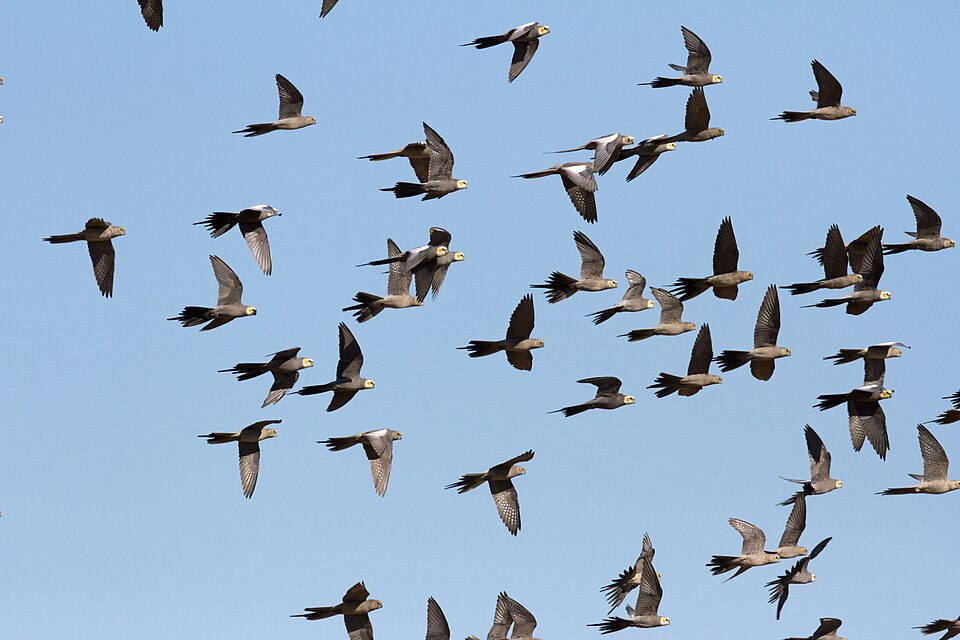
According to the RVC, the room your bird flies in must be completely secure: close the windows, doors and chimney, turn off heaters and fans, and remove any house plants that might be poisonous.
If you start young, a cockatiel can easily learn to step onto your finger and go back to its cage. Step by step: bonding with your bird. The RVC also suggests leaving a radio on at low volume for some stimulation if you'll be out of the house for a long time.
A healthy diet
According to the RVC, wild cockatiels feed mostly on the ground, eating fruit, berries, grass seeds and grain. At home, seed mixes have traditionally been given; but according to the RVC, these mixes are often unbalanced and let the bird pick out only its favorite seeds. A good-quality complete pellet diet provides a better balance of nutrients.
- The base: pellets. According to the RVC, 60–80% of the diet should be pellets.
- Vegetables: The RVC's examples are peas, broccoli, kale, spinach, carrots and sweet potato.
- Seeds as treats: The RVC recommends using good-quality seeds in very small amounts as treats or training rewards. According to the RSPCA, small parrots like cockatiels can have some seeds every day, but seeds should make up no more than a tenth of the diet.
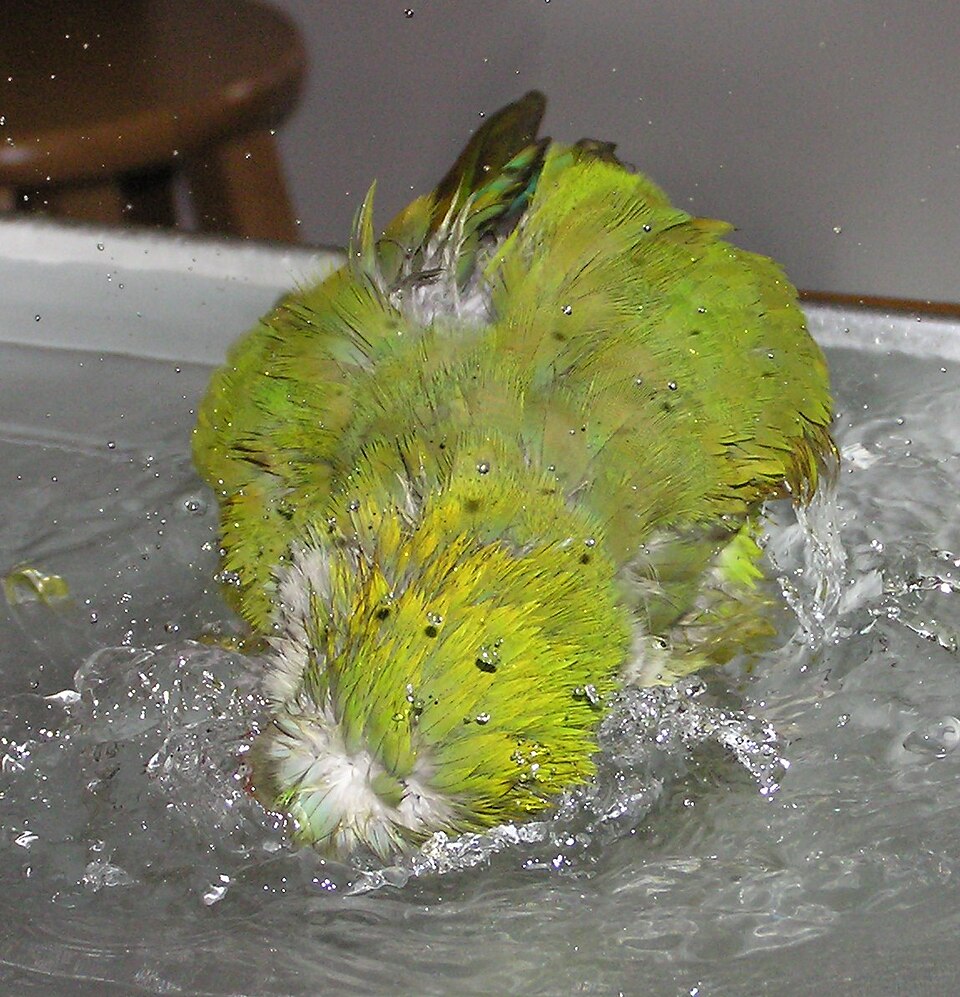
- Water: According to the RVC, water should always be available, both for drinking and in a shallow dish for bathing, and it should be changed every day. For bathing: bird baths.
Switching from seeds to pellets takes time; according to the RSPCA, it can take weeks or even months. The RSPCA recommends having your bird checked by a vet experienced with birds before you start. For the steps of the switch: budgie care.
According to the RSPCA, avocado is highly poisonous to parrots. Before you share anything from your plate, check this list: foods that are harmful to birds.
On Tüylüm's Today tab, food, water and cage cleaning are waiting for you every day; you can also add an Out-of-cage flight task if you like. If you're weighing your bird while switching to pellets, log the results in Weight tracking. Set an appointment reminder so you don't forget the yearly checkup.
The yearly checkup
The RVC recommends a yearly health check for pet birds, because problems are much easier to treat when they're caught early. Take your cockatiel to a vet experienced with birds soon after you bring it home, and talk with them about a schedule for future checkups.
If your cockatiel's behavior, voice, appetite or appearance changes, talk to your vet without delay.
Frequently asked questions
Do cockatiels talk?
Some can learn a few words, but according to the RVC, cockatiels are better at imitating whistles and other sounds than human speech. Your bird is far more likely to whistle your favorite song than to learn new words.
Can't I just get one cockatiel?
The RVC recommends that birds live with a partner of the same species for life; in nature, cockatiels live in flocks. According to the RSPCA, hand-reared birds may prefer people and find it harder to get along with other birds. So introduce a second bird slowly, using the steps above.
Can a cockatiel share a cage with a budgie?
According to the RSPCA, species kept together must be compatible, meaning they can get along without fighting, and every bird needs room to fly and to move away from the others. The RVC recommends a partner of the same species. Make another cockatiel your first choice, and talk to a vet experienced with birds before putting different species together.

Keep track of your pet's care in TüylümLog vet visits, vaccine and medication dates, and we'll remind you when it's time. Share it all with your family in Home.
Sources
- Royal Veterinary College (RVC Exotics Service) · Cockatiel care (December 2024)
- World Parrot Trust · Cockatiel (Nymphicus hollandicus)
- Merck Veterinary Manual · Choosing a Pet Bird (pet owner version)
- RSPCA · Housing and environments for pet birds
- RSPCA · Keeping pet birds together
- RSPCA · Diet: the right food for your bird
By Tüylüm · Published and last checked: October 26, 2026. Spotted a mistake? Write to [email protected] and we'll fix it right away. Photos are from Wikimedia Commons, used under the license shown below each photo.