Hibernation in wild hedgehogs: how to set up a hedgehog house in your yard and what to watch for in winter
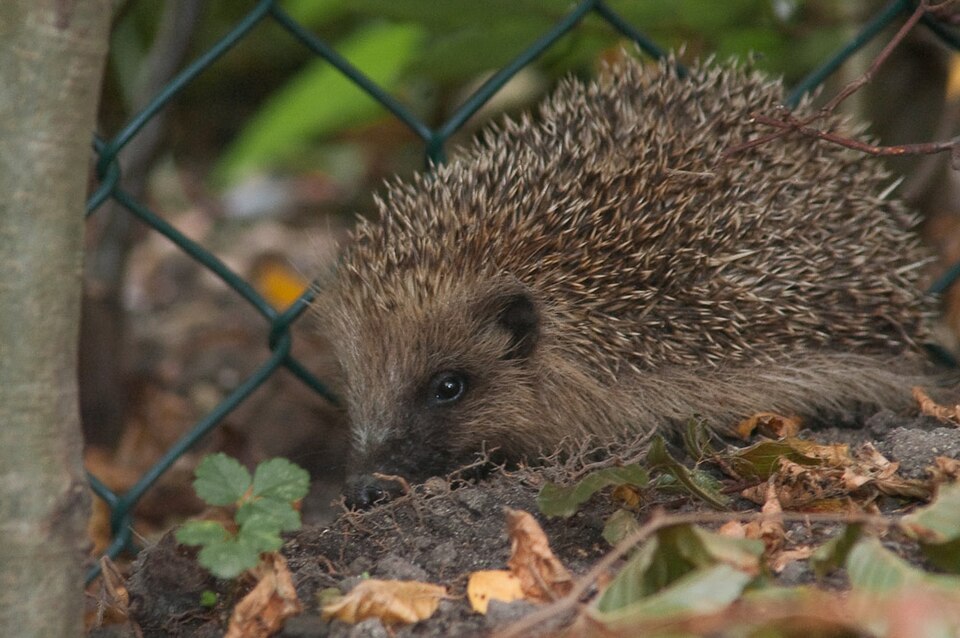
If you hear dry leaves rustling under the shrubs in your yard in the fall, a hedgehog may be getting its winter nest ready. Hedgehogs can't find enough insects in the cold months, so they spend this time hibernating. It isn't the cozy sleep people imagine; it's a tough energy-saving strategy for staying alive. Helping doesn't take much: a messy corner, a simple hedgehog house and a little care through the winter. The information in this article comes from hedgehog conservation organizations in the UK. The European hedgehog that lives there belongs to the same genus (Erinaceus) as the two hedgehogs found in Türkiye, the southern and northern white-breasted hedgehogs.
- Not sleep, almost a standstill: According to the BHPS, during hibernation the heart rate drops from about 190 to about 20 beats per minute, and body temperature falls from 35 °C to 10 °C or less.
- It wakes from time to time: Hedgehogs wake up often during the winter. An unexpected arousal is dangerous for them, so don't disturb them.
- Hedgehog house: A house with a 13 × 13 cm (about 5 × 5 in) entrance, filled with dry leaves or straw and placed in a quiet, shady spot is enough.
- No paint or creosote: According to the BHPS, fumes from paint and non-water-based preservatives last a long time and can be very harmful to hedgehogs.
- Clean in spring: The house is cleaned once hibernation is over, in late March or early April, and only after you're sure no hedgehog is inside.
What is hibernation?
According to the BHPS (British Hedgehog Preservation Society), hibernation isn't "going to sleep"; it's a complicated and often risky way of saving energy. During sleep, the body keeps working almost normally. During hibernation, the metabolism almost stops:
| Measure | Normally | During hibernation |
|---|---|---|
| Heart rate | About 190 per minute | About 20 per minute |
| Body temperature | About 35 °C (95 °F) | 10 °C (50 °F) or less |
| Breathing | Regular | Almost stops, once every few minutes |
According to the BHPS, hedgehogs get their energy from food such as beetles, caterpillars and worms. As the weather gets colder, this food gets harder to find; so the hedgehog slows down its use of energy and gets through the winter on the fat stored in its body.
When? According to the BHPS, the start depends on the weather: in Britain it's usually November, December or even January. Hedgehog Street gives a period running from late October or November to March or April. According to the BHPS, hedgehogs in warmer climates seem to manage without hibernating. So in Türkiye, the timing may differ depending on your local climate.
Is it continuous? No. According to the BHPS, most hedgehogs wake up frequently during the winter but rarely leave their nests; these arousals last a day or two. If the weather gets very cold, a hedgehog may even build a new nest. According to Hedgehog Street, hedgehogs may also wake in mild weather to look for food; but waking unexpectedly is dangerous.
Where do hedgehogs spend the winter?
According to the BHPS, hedgehogs choose a spot for their winter nest (called a hibernaculum) toward the end of the fall: under hedges and among tree roots, in brushwood piles, inside compost heaps, in old rabbit burrows, under sheds. The nest is well built from dry leaves and grass: a dome 30–60 cm (about 1–2 ft) across with walls up to 10 cm (4 in) thick. According to Hedgehog Street, a good hibernation spot is dark and hidden, with a cold but stable temperature.
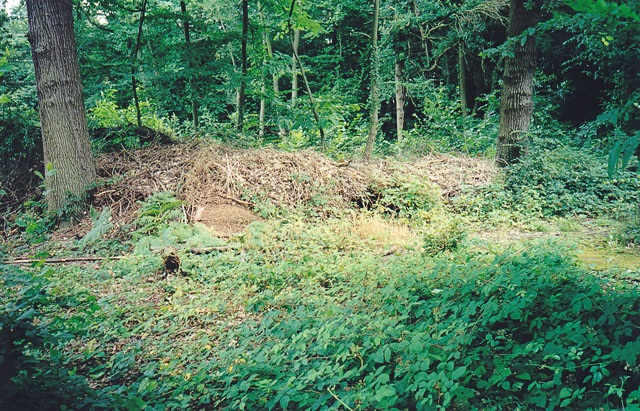
Bringing a healthy hedgehog into a shed or garage "so it won't be cold" is well meant but harmful. According to the BHPS, the best temperature for hibernation is 4 °C (39 °F); a hedgehog hibernating at 10 °C (50 °F) uses up its fat reserves twice as fast. Hedgehog Street also says hedgehogs don't need to be kept warm. According to the BHPS, a hedgehog should stay in the wild unless it's sick, injured, underweight or orphaned.
The natural way first: leave a messy corner
According to the BHPS, most gardens already have the materials and spots a hedgehog needs to build its own nest: gaps under sheds, compost heaps and leaf piles, shrubs, the backs of log stacks. The Wildlife Trusts also points out that a log pile or compost heap is both a nesting spot and a magnet for the insects hedgehogs eat. Instead of raking up every leaf in the fall, let one corner go wild. We explained that hedgehogs need a gap in your fence to get in and out of your yard in our article on the wild hedgehog in your yard.
Hedgehog houses: simple or wooden
If there aren't many natural nesting spots, a house can help too. According to Hedgehog Street, hedgehogs tend to prefer homemade houses to store-bought ones.
Simple house: an upside-down box
Hedgehog Street's method:
- Find a box: Take a plastic storage box, planter or crate that has holes, and flip it upside down.
- Cut a door: Cut an entrance that's 13 × 13 cm (about 5 × 5 in).
- Add bedding: Put dry leaves or pet straw inside.
- Cover it: Cover the rest of the box with leaves, soil or grass clippings.
Wooden house
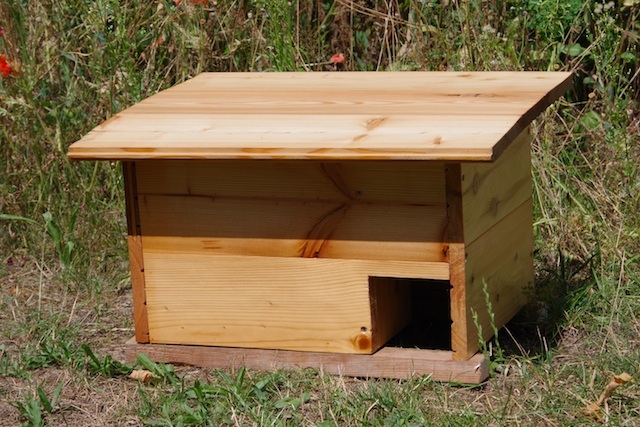
- Materials: Hedgehog Street recommends untreated wood; The Wildlife Trusts' design uses 20 mm (about ¾ in) untreated plywood.
- No paint: According to the BHPS, the house should never be treated with creosote, a non-water-based preservative or paint. If you use a preservative, make it water-based and apply it only to the outside.
- Tunnel: According to Hedgehog Street, a tunnel makes it harder for predators and cats to get in; The Wildlife Trusts says "don't be tempted to skip the tunnel."
- Roof: The BHPS and Hedgehog Street both say not to nail the roof down, so you can open the house and clean it later.
- On top: The Wildlife Trusts suggests covering the house with plastic sheeting and packing soil and leaves around it. Keep the entrance clear.
Where should it go?
- A quiet, shady, sheltered, dry spot: The BHPS gives examples such as against a wall, fence, hedge or shed.
- Along the edges: According to Hedgehog Street, houses work best in sheltered spots along garden boundaries and within about 5 m (16 ft) of the house.
- Which way it faces: With Britain's cold winter winds in mind, the BHPS recommends that the entrance not face north or northeast.
- Leave leaves outside: According to Hedgehog Street, straw or dry leaves left next to the house will likely be taken inside and used as bedding.
- Food outside: According to the BHPS, hedgehogs don't usually eat and sleep in the same place. Put food a little away from the house, not inside it.
- Any visitors? Hedgehog Street suggests placing a thin twig across the entrance. If the twig has moved, you have a visitor. Don't open the lid out of curiosity.
According to the BHPS, a female hedgehog may even have her young in the house in the spring.
Through the winter: don't disturb
According to Hedgehog Street, an unexpected arousal is dangerous for a hedgehog. So:
- Leave the nest alone: Once a hedgehog is hibernating, don't add or remove any nesting material (Hedgehog Street).
- Check before you clear: Before tidying the garden or a shed, check for a hidden hedgehog. Hedgehog Street points out that loose pets and gardening work can also wake a hedgehog.
- Food on mild days: According to Hedgehog Street, it's a good idea to put out extra food in mild weather or whenever you see an active hedgehog.
- If you're lighting a bonfire: The RSPCA recommends building the pile on the day you'll light it, and moving a pile built earlier by hand to another spot just before lighting it. If you can't move it, check it by lifting sections with a broom handle, not a fork or rake; according to the RSPCA, hedgehogs often hide in the center and the bottom two feet (about 60 cm) of the pile. Light the fire from a corner, not the middle.
According to Hedgehog Street, a hibernating hedgehog is very still, its breathing is almost undetectable, and it lies curled up in its nest; leave a hedgehog like this alone. A hedgehog lying motionless out in the open as if it were hibernating, though, has either died or is extremely unwell. According to the BHPS, youngsters found in the fall that weigh less than 450 g (1 lb) are also vulnerable to problems during and just after hibernation.
Don't bring a hedgehog that's lying motionless in the open, or that looks very small and weak, indoors to warm it up or feed it yourself. Talk to a vet or your local wildlife authority without delay. We covered what to do, and the legal status of hedgehogs in Türkiye, in our article on the wild hedgehog in your yard.
In spring: time to clean the house
Cleaning isn't required: according to the BHPS, houses that are left alone also get reused. The Wildlife Trusts, on the other hand, recommends cleaning once a year so pests don't build up. If you do clean:
- When: According to the BHPS and The Wildlife Trusts, late March or early April. Hedgehog Street asks that this be done before the breeding season; a disturbed mother may abandon her young.
- Check first: The BHPS suggests placing a light obstruction in the entrance. If it isn't moved over several days and nights, the hedgehog has most likely left.
- How: The BHPS recommends hot water and a scrubbing brush. Never clean a house with a hedgehog living in it.
- Fresh bedding: The BHPS suggests leaving clean bedding in a bundle by the "front door"; the hedgehog will freshen up its home itself.
Frequently asked questions
Should I put food inside the hedgehog house?
According to the BHPS, hedgehogs don't usually eat and sleep in the same place. Put food a little away from the house, not inside it. Once a hedgehog has moved in, move the food even farther away so it doesn't attract predators or other hedgehogs.
Can I open the hedgehog house and look inside in winter?
No. According to Hedgehog Street, an unexpected arousal is dangerous for a hibernating hedgehog. To find out whether you have a visitor, place a thin twig across the entrance and see whether it has moved.
Will my pet pygmy hedgehog hibernate too?
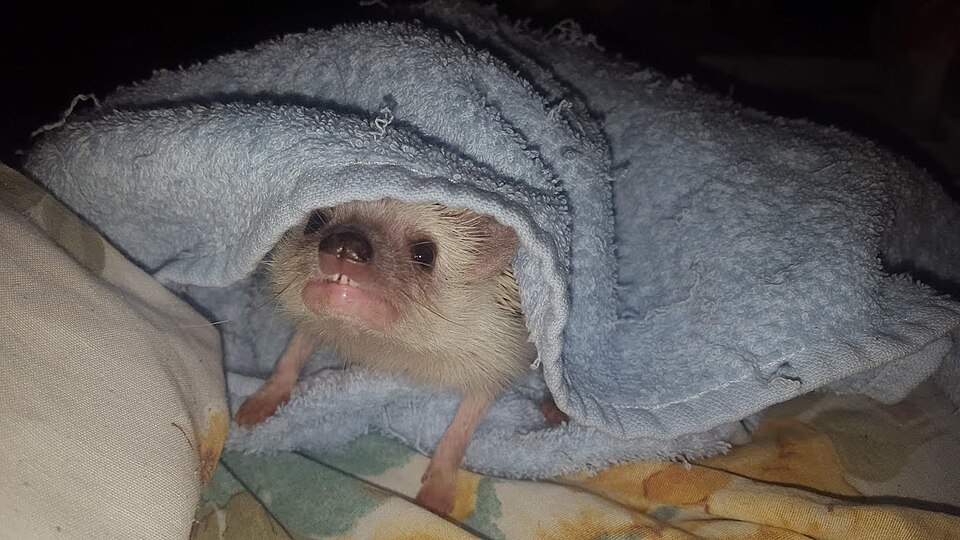
No. As we explained in our article on temperature for hedgehogs, according to veterinary sources the African pygmy hedgehog doesn't truly hibernate; the torpor it falls into in the cold is unhealthy for it. Keep it warm all winter.

Keep track of your pet's care in TüylümLog vet visits, vaccine and medication dates, and we'll remind you when it's time. Share it all with your family in Home.
Sources
- British Hedgehog Preservation Society · Hibernation (PDF)
- British Hedgehog Preservation Society · Hedgehog Homes (PDF)
- Hedgehog Street (PTES and BHPS) · Hibernation FAQs
- Hedgehog Street (PTES and BHPS) · Give a 'hog a home (PDF)
- The Wildlife Trusts · How to build a hedgehog home
- RSPCA · How to make a hedgehog-friendly bonfire
By Tüylüm · Published and last checked: October 26, 2026. Spotted a mistake? Write to [email protected] and we'll fix it right away. Photos are from Wikimedia Commons, used under the license shown below each photo.