Taking your ferret outside: harness training and safe walks
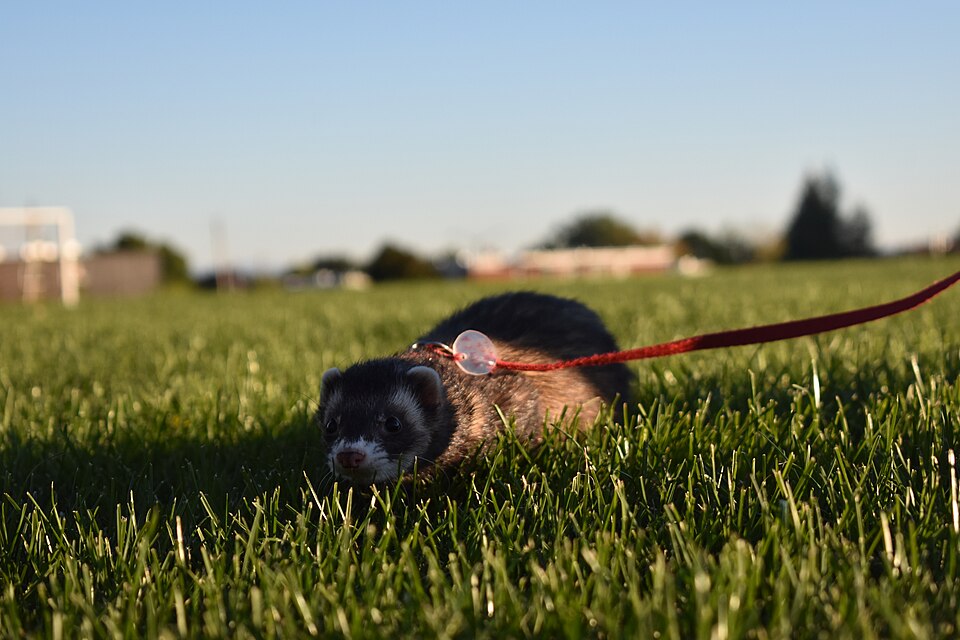
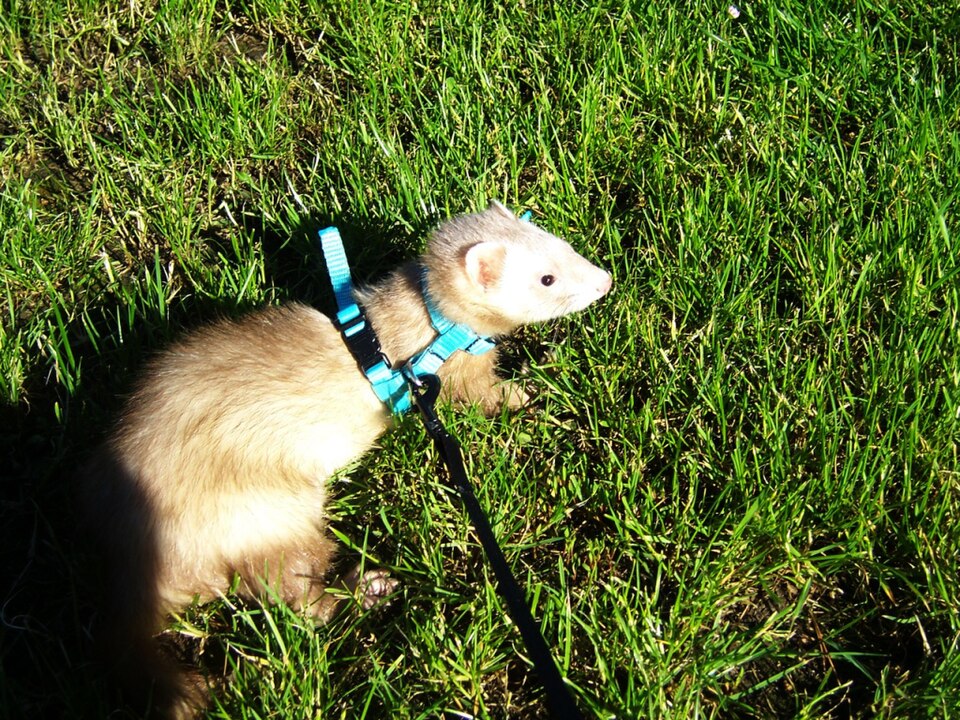
For most ferrets, the world is the inside of your home. But some ferrets love the smell of grass, the sounds coming from under the soil and the new scents the wind brings. According to Blue Cross, ferrets can learn to walk on a harness and leash. The American Ferret Association (AFA) also considers leash walks an excellent workout for ferrets. Just choose the right harness, train your ferret without rushing, and find a safe place to walk.
- A harness, not a collar: According to RSPCA Australia, collars should not be used on ferrets. You need a ferret harness your ferret can't slip out of.
- Train step by step: With rewards and gradually; don't move on to the next step until your ferret is comfortable.
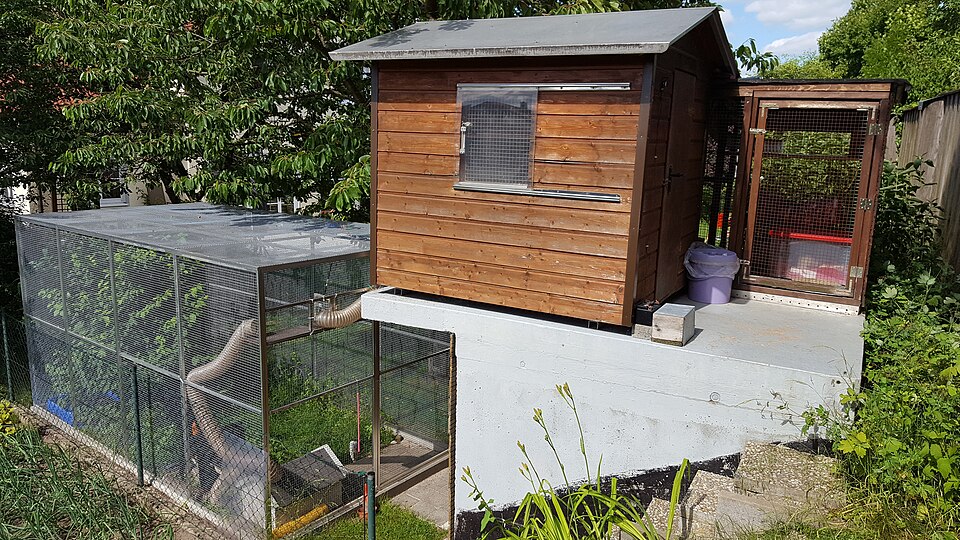
- A safe place: An area dogs can't reach and your ferret can't escape from, even if it slips its harness. According to the AFA, the best place is a private, fenced backyard.
- The right time: In hot weather, only early in the morning or late in the evening (Blue Cross).
- Never tie them up: According to RSPCA Australia, a ferret must never be tethered.
Does every ferret love the outdoors?
No. According to Blue Cross, ferrets are very active and curious animals, and some will enjoy going for walks with you. The AFA also points out that walking outside may not feel comfortable for a ferret at first. And according to RSPCA Australia, ferrets should be able to choose if, when and how they interact.
So walks are an option, not a must. If your ferret doesn't want to go, don't force it. You can meet its daily need for exercise with play at home, in its safe area: ferret sleep and play.
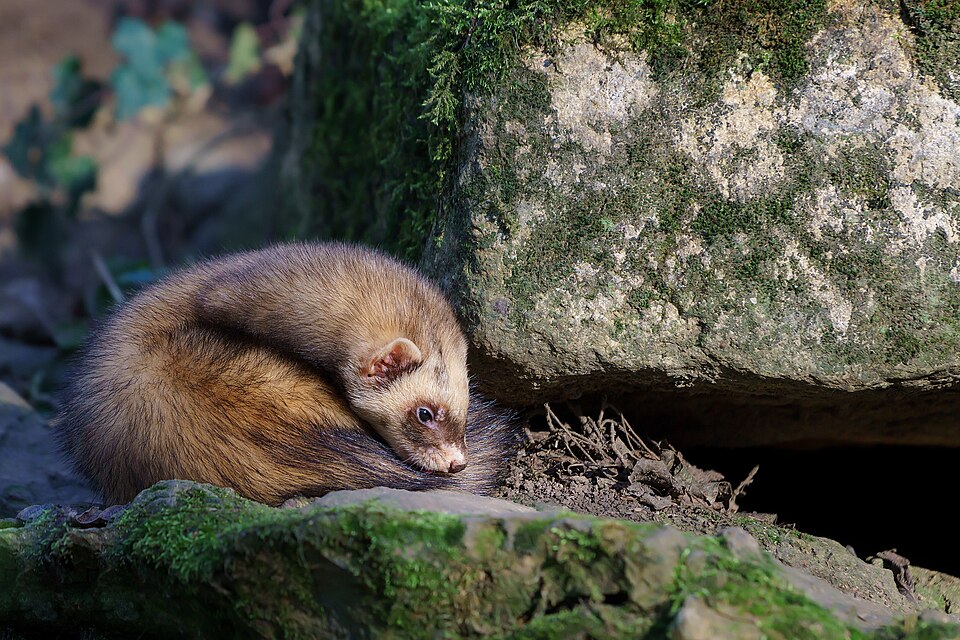
Know one thing from the start. According to the Merck Veterinary Manual, ferrets don't have a strong sense of territory or a homing instinct; if they're left outdoors, they wander off. That's why, outside, a ferret should always be either in your arms or on its harness.
The right gear: a harness
Blue Cross's list for walks is short:
- A ferret harness: Similar to a dog harness but much smaller; it has two sections that clip together.
- A leash.
- A ferret that's used to being picked up: Outside, you need to be able to pick it up right away when needed.
The harness should fit snugly and securely. According to Blue Cross, a ferret can wriggle out of a loose harness. The AFA also recommends a harness made for ferrets, one they can't escape from. RSPCA Australia talks about an appropriate, well-fitting harness and firmly advises against collars.
Training step by step
RSPCA Australia recommends introducing new items such as a harness and leash gradually: don't move on to the next step until your ferret is comfortable with the current one. Treats and strokes can be used as rewards. According to RSPCA Australia, with reward-based training a ferret can learn to accept a well-fitting harness and leash.
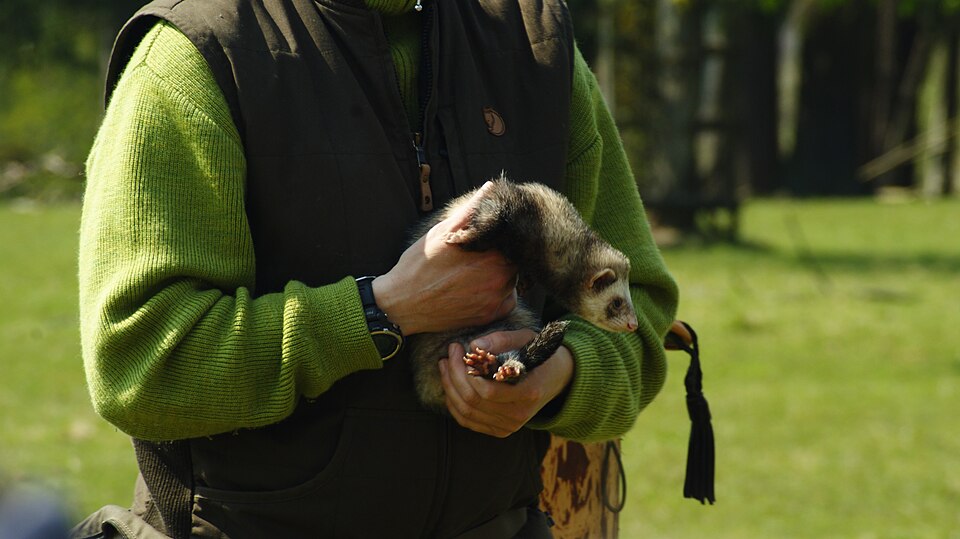
- First, get it used to being held: According to Blue Cross, your ferret should be used to being picked up and handled before you go for walks. For the right way to hold one: how to hold a ferret.
- Put the harness on for short periods: End each try with a reward. Lengthen the time as your ferret gets comfortable.
- If it's uneasy, go back: If your ferret is struggling, return to the previous step. RSPCA Australia's rule is clear: don't move on until it's comfortable.
- Then add the leash: Once your ferret is used to the harness, introduce the leash the same way, with rewards.
- First walk in a small area: According to the AFA, when a ferret is getting used to the outdoors, small fenced areas or walking along hedge lines can help it feel safe.
- Bring water and treats: The AFA recommends bringing water so your ferret can drink, and a few treats to encourage it.
Where should you walk?
According to the AFA, the best place to walk a ferret is a private, fenced backyard. RSPCA Australia also says walks should only happen in a safe area where other animals, such as dogs, can't harm your ferret and where it can't escape even if it slips its harness or leash.
- A chemical-free area: The AFA recommends choosing a place free of gardening chemicals and pesticides.
- Pick it up if you see a dog: The AFA reminds you that other animals around can affect your ferret. According to Blue Cross, pick your ferret up even if you see a dog in the distance; it's always better to be safe.
- Away from crowds: According to Blue Cross, avoid public places if your ferret isn't used to being picked up or meeting new people.
- Keep your eyes on it: Blue Cross wants you to watch your ferret at all times during the walk.
- Never tie it up: According to RSPCA Australia, a ferret must never be tied up and left, even on a harness.
Weather and ground
According to the AFA, before you go out, make sure it's not too hot or too cold. Pay attention to the temperature of any asphalt or concrete your ferret will walk on, too. Blue Cross recommends walking ferrets, just as you would a dog, only early in the morning or late in the evening, when the air and the ground are coolest. Ferrets are very sensitive to heat; for details: ferrets in hot weather.
When you get home: parasites
According to PDSA, ferrets can pick up fleas, ticks and mites on outdoor adventures. If your ferret goes outside, talk to your vet about how to protect it from parasites.
If you've made a parasite prevention plan with your vet, Tüylüm's parasite reminders make sure you don't forget the next date. And if your ferret ever escapes outdoors, the Lost pet poster lets you share a "LOST" poster with its photo and a ready-made message in a single tap.
A harness helps in emergencies, too
According to the AFA, a ferret that has learned to walk on a harness and leash can be invaluable during a disaster, or at times when you can't keep it in a carrier for hours on end. To prepare for trips and vacations: traveling with a ferret.
Frequently asked questions
Can I put a collar on my ferret?
No. According to RSPCA Australia, collars should not be used on ferrets. Blue Cross and the AFA recommend a ferret harness that fits snugly and that your ferret can't slip out of.
Can I let my ferret roam free in the backyard?
It's not recommended. According to Merck, ferrets have no homing instinct and wander off if left outdoors. RSPCA Australia also wants outdoor time to happen in a safe area your ferret can't escape from. Don't let it off the leash, and don't take your eyes off it.
What if my ferret hates the harness?
Don't force it. According to Blue Cross, some ferrets enjoy walks, but not all of them. According to RSPCA Australia, a ferret should be able to choose when and how it interacts. You can meet its need for exercise with play at home, in its safe area.

Keep track of your pet's care in TüylümLog vet visits, vaccine and medication dates, and we'll remind you when it's time. Share it all with your family in Home.
Sources
- Blue Cross · Caring for your ferret
- American Ferret Association · Ferret Fitness and Enrichment: Be your Ferrets' Personal Trainer (PDF)
- RSPCA Australia · How can I use environmental enrichment for my ferrets?
- RSPCA Australia · How should I handle my ferrets?
- PDSA · Ferrets as pets
- Merck Veterinary Manual · Providing a Home for a Ferret
By Tüylüm · Published and last checked: October 26, 2026. Spotted a mistake? Write to [email protected] and we'll fix it right away. Photos are from Wikimedia Commons, used under the license shown below each photo.