Ferrets in hot weather: why they're so sensitive and how to keep them cool
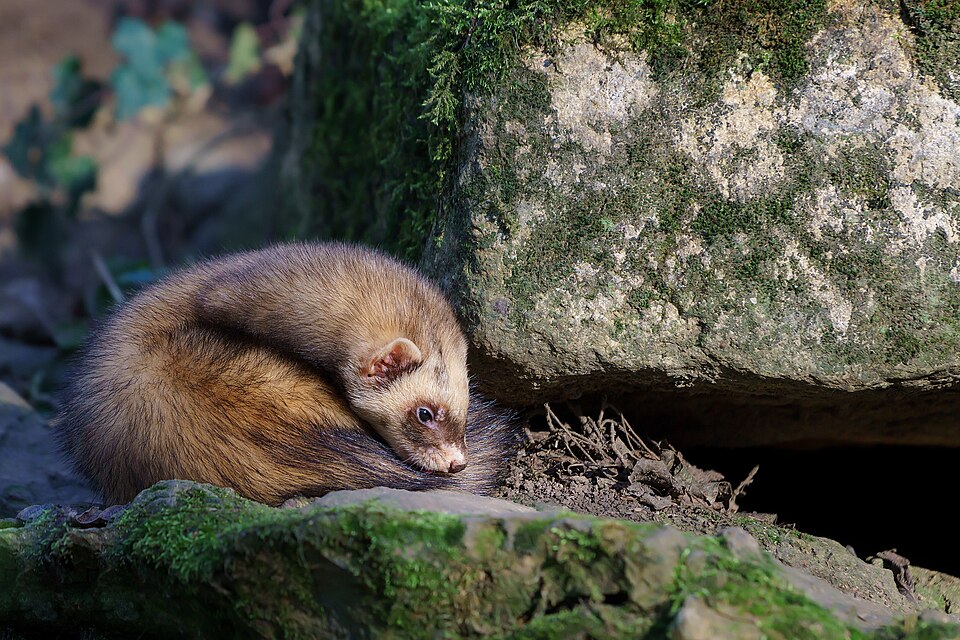
Heat is a real problem for ferrets. According to PDSA, ferrets can't sweat to cool themselves down, so they're at risk of heatstroke in hot weather. According to the Merck Veterinary Manual, because they don't have sweat glands, they're very sensitive to heat and humidity. They handle cold better than heat. In other words, for a ferret, summer is more dangerous than winter. The good news: most of the precautions are simple.
- They can't sweat: They're at risk of heatstroke in hot weather (PDSA).
- Comfort range: According to most sources, roughly 15–24 °C (59–75 °F). According to RSPCA Australia, the temperature should never go above 29 °C (84 °F).
- Blue Cross's warning: They don't like temperatures over 26 °C (79 °F), and at 30 °C (86 °F) and above they can suffer and die.
- Shade, water, a cool spot: No direct sunlight; plenty of water; cooling blocks or frozen water bottles.
- Never in a car: When it's 22 °C (72 °F) outside, the inside of a car can quickly reach 47 °C (117 °F) (RSPCA).
- Heatstroke is an emergency: If you suspect it, call your vet right away.
How hot is too hot?
| Source | Comfort range | Warning |
|---|---|---|
| RSPCA Australia | 15–21 °C (59–70 °F) | Should never go above 29 °C (84 °F) |
| PDSA | 15–24 °C (59–75 °F) | Can't sweat, so at risk of heatstroke in hot weather |
| Merck Veterinary Manual | 18–23 °C (65–75 °F) | No sweat glands; sensitive to heat and humidity |
| AFA | 50–80 °F (10–27 °C) | Can't tolerate temperatures above 85 °F (29 °C) |
| Blue Cross | — | Don't like temperatures over 26 °C (79 °F); can suffer and die at 30 °C (86 °F) and above |
The numbers differ a little, but the message is the same. According to most sources, the comfort range ends at around 21–24 °C (70–75 °F). According to Blue Cross, anything over 26 °C (79 °F) makes a ferret uncomfortable, and according to RSPCA Australia and the AFA, anything over 29 °C (84 °F) is unacceptable. Putting a thermometer in the room where your ferret stays lets you see these numbers instead of guessing.
Keeping cool indoors
According to PDSA, in summer ferrets need plenty of shade and cool areas to relax, and extreme heat calls for extra measures. Here's what the sources recommend:
- No sun: RSPCA Australia wants ferrets kept out of direct sunlight and able to seek shade or shelter when it's hot. Merck also recommends not placing the cage directly in front of a window.
- Humidity and drafts: According to Merck, ferrets are sensitive to humidity as well as heat; keep the cage away from damp spots and drafts.
- Plenty of fresh water: Blue Cross recommends plenty of water and wants it changed daily. The RSPCA suggests adding ice cubes to the water bowl in hot weather and giving animals damp towels to lie on.
- Don't let the water tip over: RSPCA Australia recommends keeping water in several bowls that can't be tipped, and hanging a water bottle as a backup. On a hot day, a single tipped-over bowl can leave your ferret without water.
- Cooling blocks and fans: PDSA and Blue Cross recommend cooling blocks or frozen water bottles and fans in extreme heat. According to Blue Cross, hide the cords where your ferret can't reach them; ferrets can chew through cords.
- A shallow pool: PDSA and Blue Cross recommend a shallow paddling pool in extreme heat. According to Blue Cross, the pool should be very shallow so your ferret can touch the bottom, because not all ferrets will swim.
- Summer bedding: To swap thick, warm bedding for cooler fabrics in summer: ferret cages and bedding.
In the yard and outdoor enclosures
According to Blue Cross, the hutch and run of ferrets that live outdoors should be in the shade all day long. PDSA also recommends protecting ferrets from direct sun, wind and rain. According to RSPCA Australia, a ferret should always be able to seek shade or shelter when it's hot.
If you're thinking of moving your ferret in and out throughout the day to escape the heat, be careful. According to Blue Cross, ferrets don't cope well with sudden changes in temperature, and their environment shouldn't be changed quickly. Keeping their space cool all day is a better approach.
A hot-day checklist
- Morning: Check the room temperature. Refresh the water in the bowls; Blue Cross wants water changed daily.
- Toward midday: Make sure the cage or hutch isn't in the sun. According to Blue Cross, the hutch and run should be in the shade all day; as the sun moves, so does the shade.
- In extreme heat: Put out cooling blocks or frozen water bottles, and hide the fan's cords (PDSA, Blue Cross).
- Evening: Wait for the air and the ground to cool down before walks and outdoor time (Blue Cross).
- All day: Keep an eye on your ferret. If something seems wrong, call your vet without delay.
Walks and playtime
If you take your ferret outside on a harness, Blue Cross recommends doing it, just as you would with a dog, only early in the morning or late in the evening, when the air and the ground are coolest. For details: taking your ferret outside.
Never leave it in the car
According to the RSPCA, never leave animals in a car, a sunroom, an outbuilding or an RV on a warm day, not even for a short time. When it's 22 °C (72 °F) outside, the temperature inside these spaces can quickly rise to 47 °C (117 °F), which can be deadly. If you have to travel, choose the cool hours of the day: traveling with a ferret.
According to PDSA, ferrets are at risk of heatstroke in hot weather. According to Blue Cross, panting and collapsing are among the signs of heatstroke. If you notice either of these in your ferret on a hot day, or anything out of the ordinary, call your vet without delay and let them tell you what to do.
On hot days, make sure everyone who looks after your ferret checks the same things: Tüylüm's Today tab has a ready-made Water task for ferrets, and you can add your own task, such as "Check the room temperature." If you save your clinic in the My vet section, you won't lose time looking for the number in an emergency.
Frequently asked questions
Is 25 °C (77 °F) too hot for a ferret?
25 °C is a little above the comfort range most sources give: PDSA's upper limit is 24 °C (75 °F) and Merck's is 23 °C (75 °F). According to Blue Cross, a ferret becomes uncomfortable above 26 °C (79 °F). At these temperatures, take precautions such as shade, plenty of water and cooling blocks.
Do ferrets like water?
Some do, some don't. Blue Cross and PDSA recommend a shallow paddling pool in extreme heat. According to Blue Cross, the pool should be shallow enough for your ferret to touch the bottom, because not all ferrets will swim.
Can I keep my ferret in the yard in summer?
According to Blue Cross, an outdoor hutch and run should be in the shade all day. PDSA also recommends protecting ferrets from direct sun, wind and rain. If your yard gets above 26 °C (79 °F) during the day, consider a cooler place for your ferret for the summer.

Keep track of your pet's care in TüylümLog vet visits, vaccine and medication dates, and we'll remind you when it's time. Share it all with your family in Home.
Sources
- PDSA · Ferrets as pets
- Blue Cross · Caring for your ferret
- RSPCA Australia · Where should I keep my ferrets?
- Merck Veterinary Manual · Providing a Home for a Ferret
- American Ferret Association · Frequently Asked Questions
- RSPCA · Animal welfare advice for summer
By Tüylüm · Published and last checked: October 26, 2026. Spotted a mistake? Write to [email protected] and we'll fix it right away. Photos are from Wikimedia Commons, used under the license shown below each photo.