Building a bug hotel: a home for little visitors in your garden or on your balcony
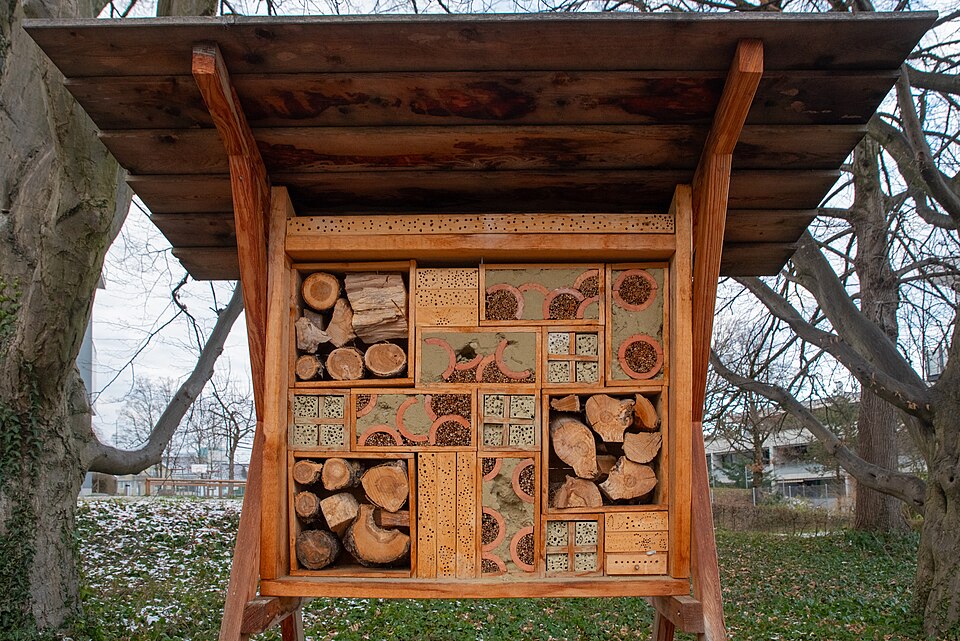
A neatly swept garden looks tidy to people, but it leaves small creatures nowhere to hide. A pile of dry leaves, a rotting log, a hollow stem nobody cut down: each of these is someone's home. A bug hotel is an easy and enjoyable way to gather these little gaps in one place. If you have a big garden, you can build a "bug mansion" out of pallets; if all you have is a balcony, you can hang a small bee hotel on the wall. All the measurements and advice in this article come from the RSPB, The Wildlife Trusts and the RHS.
- Why: According to the RHS, invertebrates need bark crevices, holes in dead wood, leaf piles and hollow stems to nest in and to escape predators and bad weather. Gardens that are too tidy don't have these gaps.
- Base: Choose a level, firm spot; a finished hotel is heavy.
- Height: According to the RSPB, no more than 1 meter (about 3 feet); according to The Wildlife Trusts, no more than five pallets high.
- Location: A corner that gets some sun and some shade; according to the RSPB, away from vegetable beds so it doesn't attract slugs.
- On a balcony: Hang a small bee hotel on a sunny wall, sheltered from rain, and clean it once a year.
Who moves into a bug hotel?
According to The Wildlife Trusts, an average garden can be home to more than 2,000 insect species, and very few of them do serious damage to plants. According to the RHS school gardening guide, some of the guests that might live in a good bug hotel are:
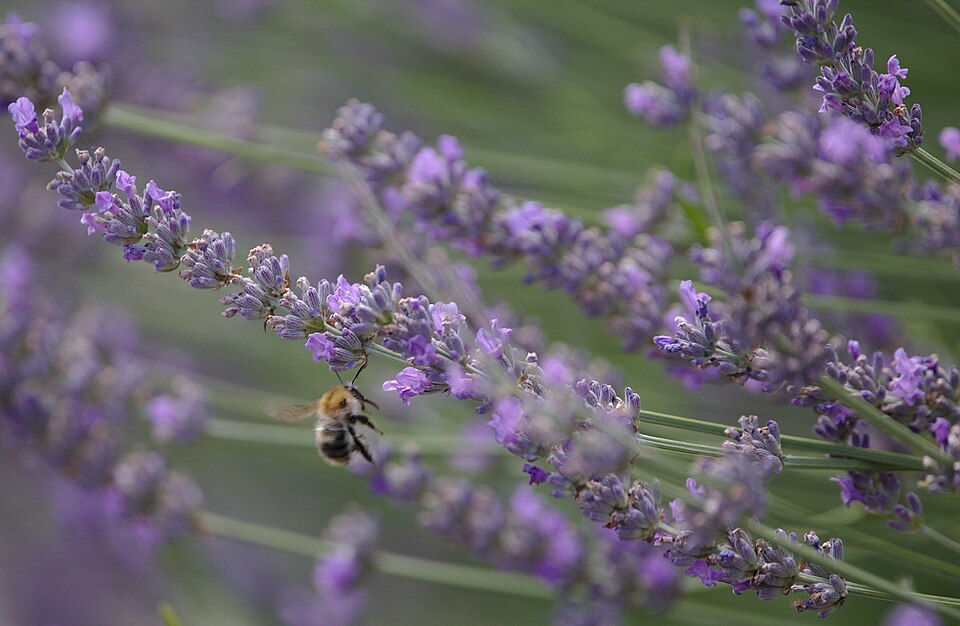
- Mason bees and leafcutter bees: Nest in hollow stems and holes.
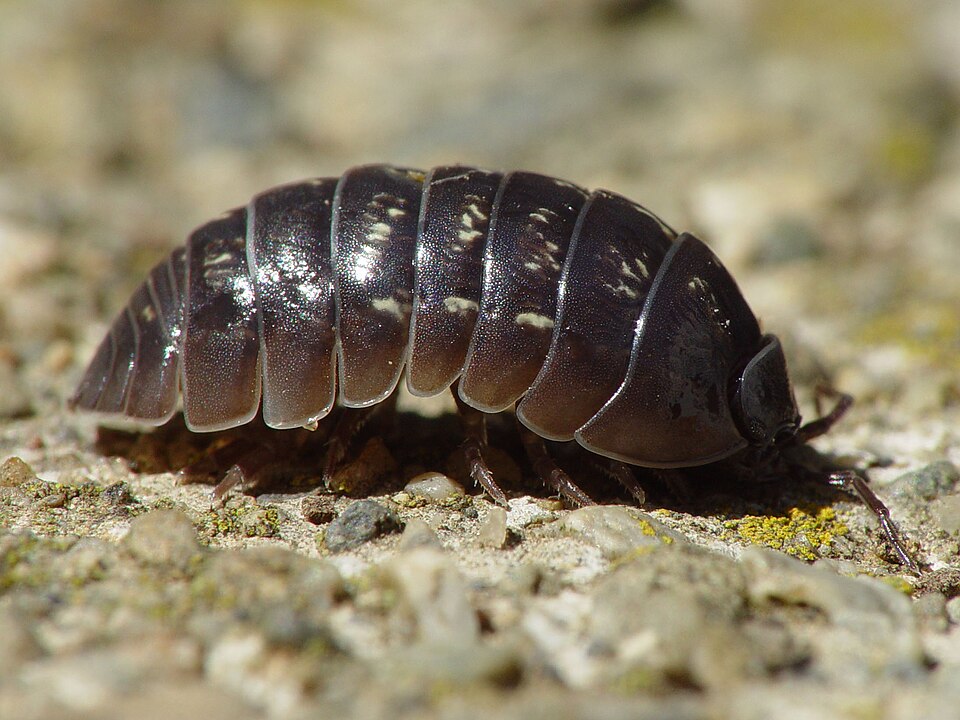
- Pill bugs and other woodlice: Hide from the sun; the spiders that hunt them may live here too. To get to know these little crustaceans: pill bugs.
- Earwigs: Hide their young from predators.
- Ladybugs and lacewings: Spend the winter here.
- Beetle larvae: Feed on dead wood.
- Centipedes and some spiders: Store their prey here.
Choosing a spot
The RSPB and The Wildlife Trusts say the same thing: the ground should be level and firm, because a finished hotel is heavy. Some invertebrates like cool, damp places, and others like the sun. According to the RSPB, woodlice prefer cool, damp corners, while solitary bees prefer sunny spots. That's why The Wildlife Trusts recommends placing the hotel where part of it gets sun and part stays in the shade, for example under a tree or next to a hedge.
According to the RSPB, keep the bug hotel away from vegetable beds; otherwise it may draw slugs to your vegetables.
A big hotel made of pallets
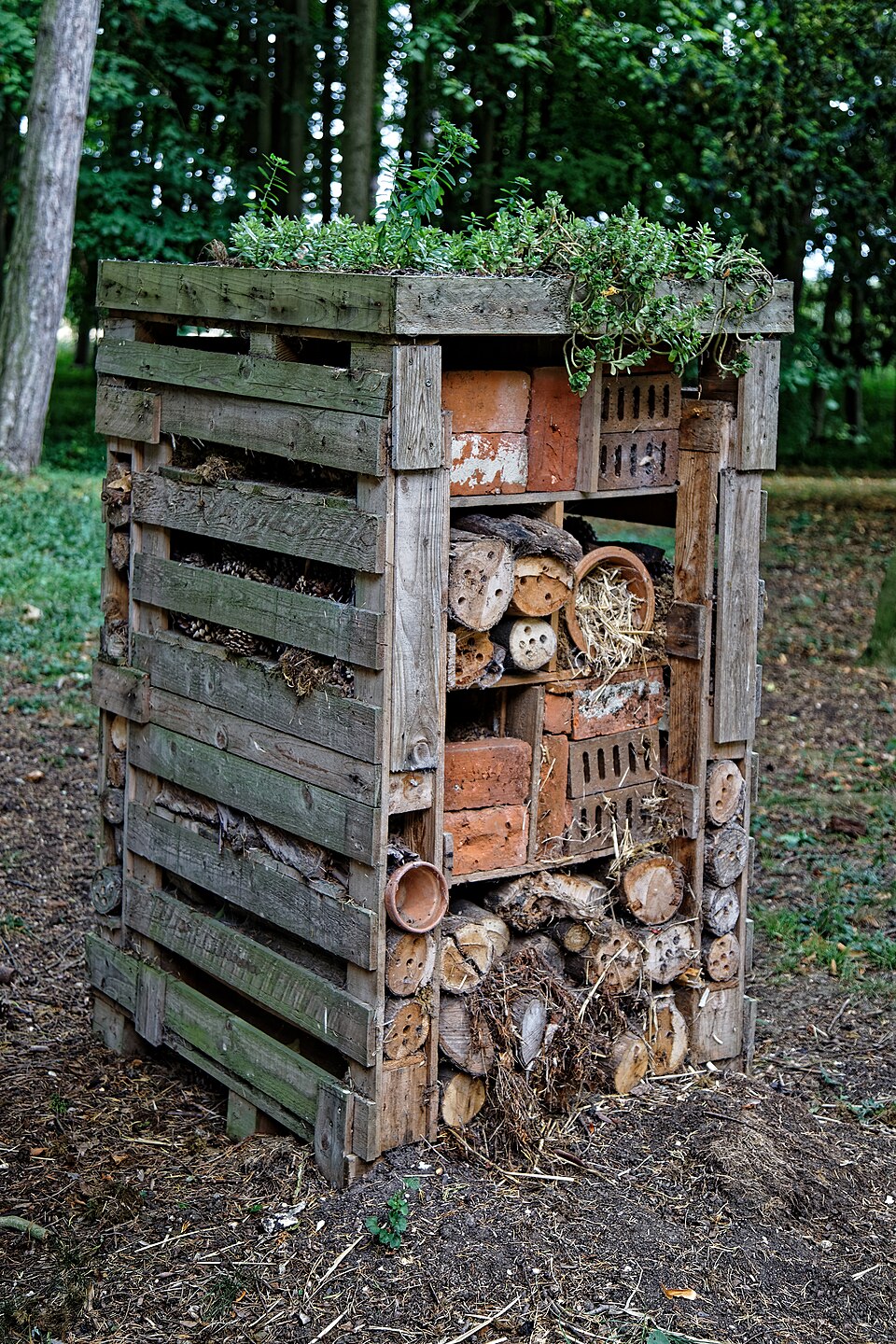
The RSPB recommends pallets for a large hotel: they're sturdy and come with ready-made gaps. Step by step:
- Put bricks at the corners: According to the RSPB, start by laying bricks on the ground as corners, leaving gaps between them for creatures to get in and out.
- Stack the pallets: The RSPB recommends putting three or four layers of pallets on top of the bricks. The Wildlife Trusts recommends turning the bottom pallet upside down and fixing each pallet to the one below; that makes the hotel more stable.
- Big at the bottom, small on top: According to the RHS, fill the lower section with large items such as pipes, pots and roof tiles; then add layers of pine cones, bamboo canes, straw, bark and logs with holes drilled in them.
- Add a roof: According to the RHS, cover the top with turf, a green roof or another solid material; the roof keeps the hotel dry.
- Get help with the high parts: The RHS recommends having an adult help with the highest parts, especially when you're building with children.
According to the RSPB, hedgehogs are more likely to visit if the gaps are bigger. According to The Wildlife Trusts, the large openings at the ends of the upside-down bottom pallet can even work as a hedgehog house. We cover other ways to help hedgehogs in a wild hedgehog in your garden.
Which material is home to whom?
According to The Wildlife Trusts' bug mansion guide:
| Material | Who it's home to |
|---|---|
| Dead wood | Wood-boring beetle larvae and fungi; centipedes and woodlice in the bark crevices |
| Hollow stems (old bamboo canes, holes drilled in wood) | Solitary bees |
| Stones and tiles (in the center of the hotel) | A frost-free, cool and damp winter shelter for amphibians |
| Straw and hay | Invertebrates that burrow and hibernate |
| Dry leaves | A cover that imitates the forest floor |
| Loose bark | Beetles, centipedes, spiders and woodlice |
| Rolled corrugated cardboard (inside a waterproof tube) | Lacewings |
| Bundles of dry sticks | Hibernating ladybugs |
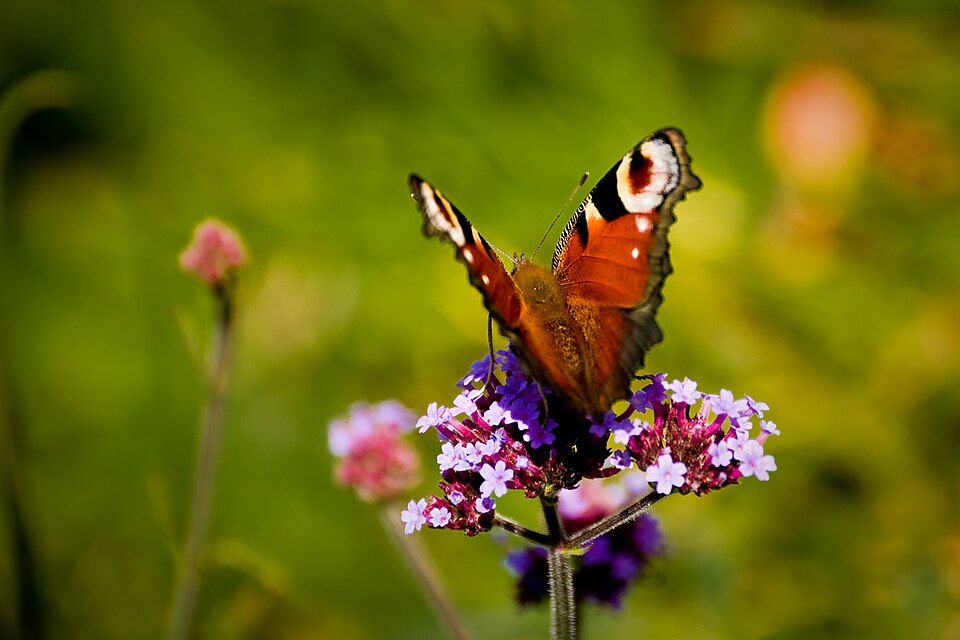
According to the RHS, the best hotels include lots of small spaces of different shapes, sizes and materials; some parts should be dry inside and others slightly damp. The Wildlife Trusts also recommends planting nectar-rich flowers in and around the hotel, so there's food for butterflies and bees too. For which flowers to choose: a bee-friendly balcony and a butterfly garden.
A small bee hotel for a balcony
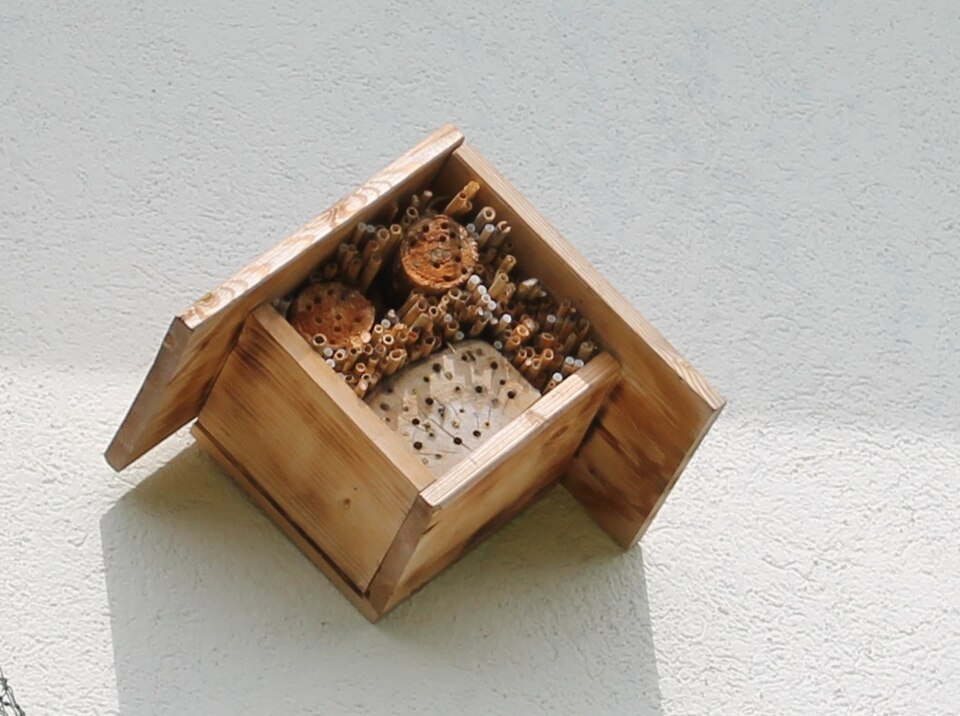
According to The Wildlife Trusts, most of the UK's bees don't live in hives; they're solitary, and the females look for a place to lay their eggs. A small bee hotel meets this need and fits even on a balcony.
- Materials: The Wildlife Trusts recommends an untreated wooden plank at least 10 cm (4 in) wide, plus hollow stems of different thicknesses, such as bramble, reed or bamboo.
- Stem diameter: Bees like stems 3–5 mm across best; use a range of diameters between 2 and 10 mm to make room for more species.
- Straight stems: Set aside bent or knobbly stems. You can add a few thick stems too: bees won't use them, but they give lacewings and ladybugs shelter in winter.
- Pack them tightly: Pack the stems tightly into the frame; once the last few go in, the whole thing locks in place. Attach a backing board.
- Where: Hang it on a sunny wall, somewhere sheltered from rain.
According to The Wildlife Trusts, in spring you may see bees checking out the hotel. The female leaves a supply of pollen with each egg and seals it behind a mud plug; a single stem can hold several of these cells. The young bees come out the following year.
Not every kind of bee uses a bee hotel. According to the RHS, bumblebees often ignore purpose-built nest boxes; they prefer to nest in holes in the ground, for example at the base of hedges. Ground-nesting solitary bees, according to the RHS, need bare soil or short grass.
Upkeep: little, but regular
- Clean once a year: The Wildlife Trusts recommends cleaning the bee hotel once a year to remove fungi, debris and parasites.
- Check the roof: According to the RHS, the roof keeps the hotel dry and waterproof; repair it if it breaks.
- Don't over-tidy: According to the RHS, too much tidying can discourage wildlife. Leave a few leaf piles and dry stems in place in the garden.
The RSPB lists spring, summer and fall as good seasons for building a bug hotel. Our other invertebrate articles: Invertebrates.
Frequently asked questions
Will a bug hotel attract slugs?
It can. That's why the RSPB recommends building your bug hotel away from vegetable beds.
Will bumblebees move into my bee hotel too?
Probably not. According to the RHS, bumblebees often ignore purpose-built nest boxes and prefer to nest in the ground. According to The Wildlife Trusts, bee hotels are mainly for solitary bees.
I only have a small balcony. Is it still worth it?
Yes. Instead of a big pallet hotel, you can build a small bee hotel and hang it on a sunny wall. According to The Wildlife Trusts, it takes no more than a few hours to make.

Keep track of your pet's care in TüylümLog vet visits, vaccine and medication dates, and we'll remind you when it's time. Share it all with your family in Home.
Sources
- RSPB · Build a bug hotel
- The Wildlife Trusts · How to build a bug mansion
- The Wildlife Trusts · How to make a bee hotel
- RHS (School Gardening) · Make a bug hotel
- RHS · How gardeners can help our declining bees and other pollinators
By Tüylüm · Published and last checked: October 26, 2026. Spotted a mistake? Write to [email protected] and we'll fix it right away. Photos are from Wikimedia Commons, used under the license shown below each photo.