A butterfly garden: not just flowers, but leaves for caterpillars and a corner for winter
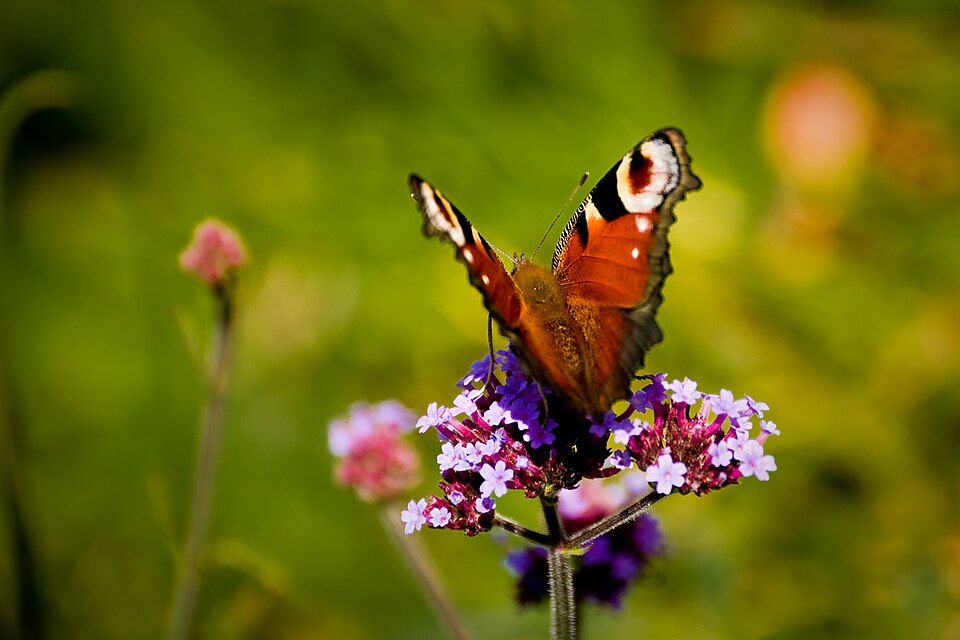
Most people who want to see butterflies start by planting flowers. That's a good start, but it's only half the story. The butterfly on the flower was once a caterpillar, and that caterpillar didn't eat flowers; it ate leaves. Often the leaves of one very particular plant: for example, the stinging nettle most people pull up. That's why a butterfly garden offers two menus: nectar for the adults and leaves for the caterpillars. Plus warm stones to bask on and a messy corner to spend the winter in. All the advice in this article comes from Butterfly Conservation, The Wildlife Trusts and the RHS.
- Two menus: Adult butterflies drink nectar; caterpillars eat leaves. According to Butterfly Conservation, you need to provide both.
- Make room for nettles: According to Butterfly Conservation, common garden butterflies such as the red admiral and the small tortoiseshell breed on stinging nettles.
- Flowers from March to November: Nectar-rich flowers should bloom one after another from March to November.
- Sun and shelter: Bare walls, soil or large stones to bask on; a log pile and fallen leaves for the winter.
- No pesticides: According to Butterfly Conservation, pesticides containing neonicotinoids can stay inside a plant for several months.
Why do butterflies need help?
The figures Butterfly Conservation gives for the UK are striking: over the last century, four butterfly species and more than 60 moth species have gone extinct; three-quarters of the UK's butterflies are declining; and two-thirds of common moths have decreased over the last 40 years. The causes include habitat loss, climate change and pollution.
The good news: according to Butterfly Conservation, you don't need to be an expert or have a big garden to help. A courtyard, a small balcony or even the area outside your front door will do.
Two menus: nectar and leaves
According to The Wildlife Trusts, adult butterflies can feed on almost any flower that produces nectar. Caterpillars are much pickier: in most butterfly species, the caterpillars eat from only a short list of plants. According to The Wildlife Trusts, one reason is that caterpillars need particular chemicals from those plants to develop the warning colors they'll show as butterflies.
Butterfly Conservation's "Wild Spaces" article makes the same point: feeding the adults isn't enough; you also need caterpillar foodplants and safe places for chrysalises and for insects spending the winter.
Some examples from The Wildlife Trusts' list for UK butterflies:
| Butterfly | Caterpillar foodplant |
|---|---|
| Peacock (Aglais io) | Stinging nettle |
| Small tortoiseshell (Aglais urticae) | Stinging nettle and small nettle |
| Red admiral (Vanessa atalanta) | Stinging nettle, hop |
| Painted lady (Vanessa cardui) | Thistles, stinging nettle |
| Common blue (Polyommatus icarus) | Bird's-foot trefoil |
| Orange-tip (Anthocharis cardamines) | Cuckooflower, garlic mustard |
| Large white (Pieris brassicae) | Cabbage and Brussels sprouts, nasturtium |
| Meadow brown (Maniola jurtina) | Meadow grasses such as fescues and meadow-grasses |
According to The Wildlife Trusts, planting foodplants doesn't guarantee that butterflies will come; but by trying different plants you can see which species find your garden suitable. According to Butterfly Conservation, most caterpillars feed on native plants. So look at the plants that grow wild in your area: Butterfly Conservation suggests checking nearby fields, hedgerows, roadside verges and vacant lots.
Set aside a corner for nettles and "weeds"
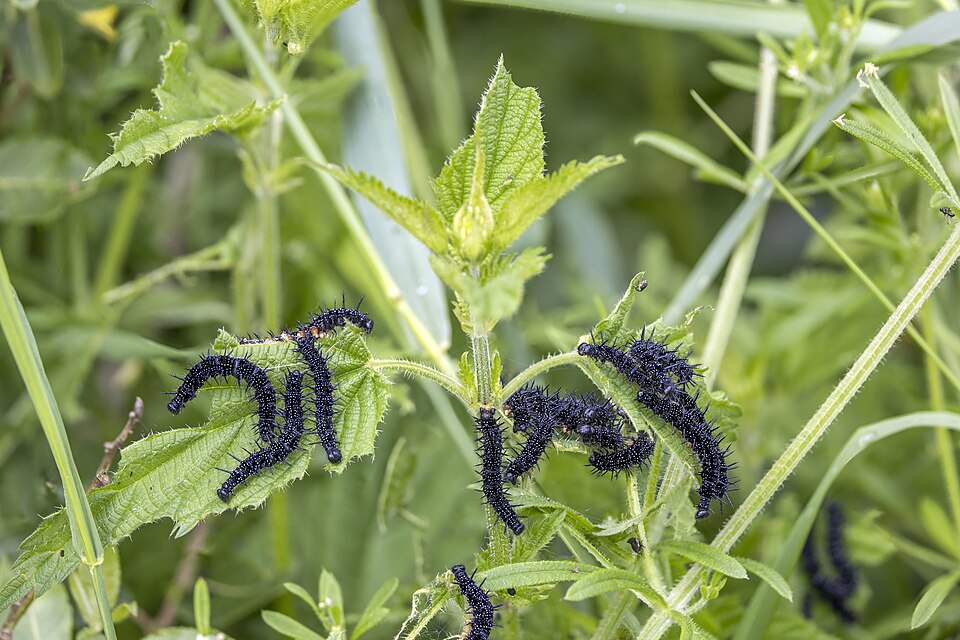
According to Butterfly Conservation, common garden butterflies such as the red admiral, the comma (Polygonia c-album) and the small tortoiseshell breed on stinging nettles. The gardener in the same organization's "Wild Spaces" article also lets nettles and docks grow; according to the article, peacock and small tortoiseshell caterpillars feed on nettles. The orange-tip and other whites lay their eggs on garlic mustard and cuckooflower, which are often treated as weeds.
- Long grass: According to Butterfly Conservation, some caterpillars eat native grasses; let a patch of lawn grow long.
- "Weeds": Dandelions, bird's-foot trefoil, docks, plantains and bedstraws are food for many caterpillars.
- A corner left alone: Butterfly Conservation recommends keeping a "wild" area you rarely touch.
- A few holes in the leaves: According to the RHS, caterpillars need plants to eat; putting up with a few chewed leaves helps pollinator numbers.
Nectar for the adults: March to November
Butterfly Conservation's advice on nectar:
- A long season: Choose nectar-rich flowers that bloom one after another from March to November.
- Variety: Plant different species and you'll attract more kinds of butterflies and moths.
- In blocks: Plant the same types of plants together, in groups.
- Water and deadhead: Removing faded flowers and watering well extends flowering. According to Butterfly Conservation, well-watered plants produce more nectar.
The Wildlife Trusts also recommends a sheltered, sunny spot, simple and often flat flowers, and herbs. A few examples from its list, by season: grape hyacinths, primroses and sweet violets in spring; lavender, common mallow, wallflowers and verbena (Verbena bonariensis) in midseason; coneflowers, French marigolds, sedum, ivy and sunflowers later in the year.
If you have a cat or a dog, find out whether a new plant could harm them before you add it: houseplants that are toxic to cats.
Sun, shelter and a place for winter
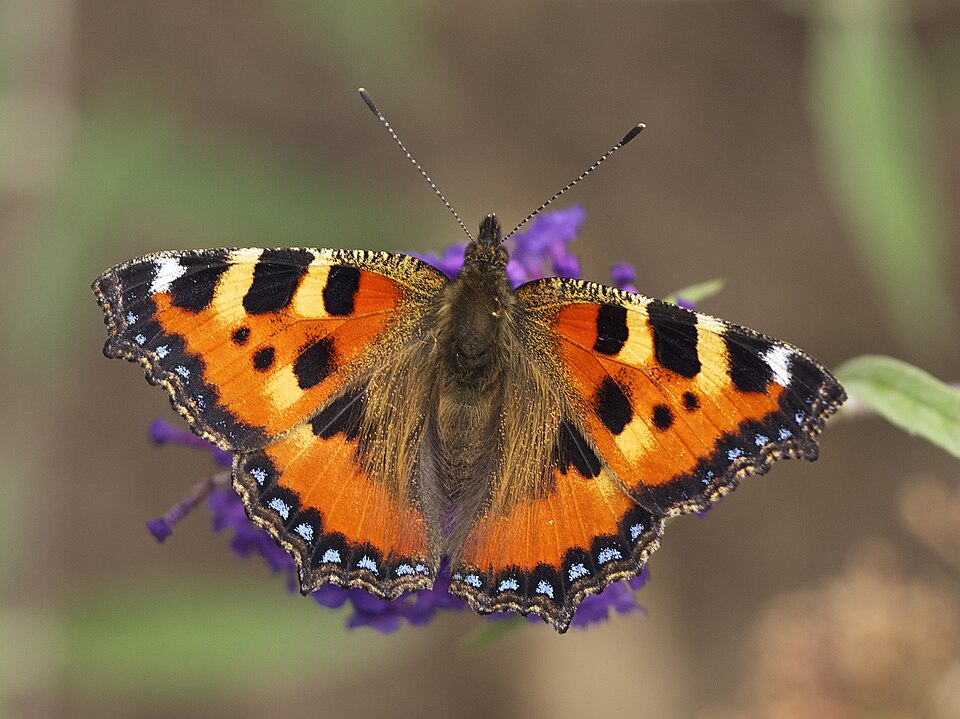
Butterflies like to warm up before they fly. Butterfly Conservation's advice on shelter and winter quarters:
- Basking spots: Leave bare patches of wall, fence or soil, or put large stones in sunny borders.
- Windbreak: A shelter belt of trees or a mixed native hedge blocks the wind.
- Climbers: Plants growing up walls and fences give shelter from rain and frost. Butterfly Conservation suggests roses, native honeysuckle, clematis, hop and ivy; honeysuckle and ivy are also good sources of nectar.
- Log pile: Build a log pile where butterflies and moths can hibernate; some moths also breed in dead wood.
- Don't tidy up in winter: Leave borders as they are over the winter and let leaves pile up at the base of hedges.
According to The Wildlife Trusts, some butterflies and caterpillars spend the winter in the garden; that's why shelter such as a thick growth of ivy matters.
A butterfly corner on a balcony
No garden? You can still do it. Put a few pots of nectar flowers in a sunny corner and set one pot aside for caterpillars: according to The Wildlife Trusts' list, nasturtium is a foodplant for the large white and the small white, and bird's-foot trefoil for the common blue. For pot suggestions that also help bees: a bee-friendly balcony. Another idea for giving small creatures winter shelter: building a bug hotel.
Skip the pesticides and the peat
Butterfly Conservation recommends avoiding pesticides, especially neonicotinoids. These can stay inside a plant for several months and may harm the butterflies and moths that feed on its nectar.
Butterfly Conservation also recommends not buying peat-based potting mix: peat bogs are home to some butterfly species. Check the label on the bag and choose a peat-free mix.
Don't forget the moths
Butterfly Conservation's advice applies to moths as well. The gardener in the "Wild Spaces" article recorded more than 30 moth species in their garden in a single year. The Wildlife Trusts recommends adding night-scented flowers for moths. According to Butterfly Conservation, many moth caterpillars eat the leaves of native trees such as willow, birch and oak; a few like garden plants: for example, the caterpillar of the elephant hawk-moth (Deilephila elpenor) is very fond of fuchsias.
Our other invertebrate articles: Invertebrates.
Frequently asked questions
My garden has lots of flowers, but I see few butterflies. Why?
Nectar only feeds the adults. According to The Wildlife Trusts, in most butterfly species the caterpillars eat from only a short list of plants; if those plants aren't nearby, butterflies have nowhere to lay their eggs. Butterfly Conservation also recommends providing caterpillar foodplants and winter shelter alongside nectar.
Does leaving nettles in the garden really help?
Yes. According to Butterfly Conservation, common garden butterflies such as the red admiral, the comma and the small tortoiseshell breed on stinging nettles; according to The Wildlife Trusts' list, stinging nettle is also the peacock caterpillar's foodplant.
Should I clean up the garden in winter?
Butterfly Conservation recommends leaving borders as they are over the winter, letting leaves pile up at the base of hedges and building a log pile. Some butterflies and caterpillars spend the winter in these corners.

Keep track of your pet's care in TüylümLog vet visits, vaccine and medication dates, and we'll remind you when it's time. Share it all with your family in Home.
Sources
- Butterfly Conservation · Get gardening
- Butterfly Conservation · Caterpillar foodplants
- Butterfly Conservation · Wild Spaces: how to help the species in your garden (May 31, 2023)
- The Wildlife Trusts · How to attract butterflies to your garden
- The Wildlife Trusts · The best plants for bees and pollinators
- RHS · How gardeners can help our declining bees and other pollinators
By Tüylüm · Published and last checked: October 26, 2026. Spotted a mistake? Write to [email protected] and we'll fix it right away. Photos are from Wikimedia Commons, used under the license shown below each photo.