Pill bugs: get to know the little crustacean that rolls into a ball, and make room for it in your garden
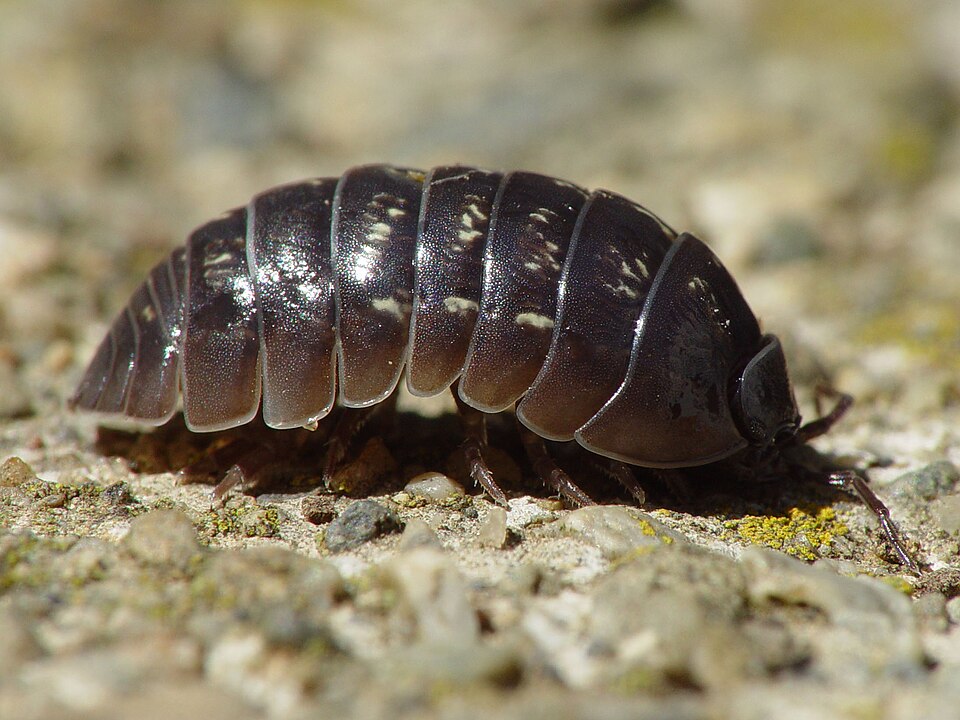
You lift a flowerpot in the garden, and a crowd of small, shiny gray creatures scatters underneath. You touch one with your fingertip, and in an instant it curls up into a tiny bead. It's the pill bug, or roly-poly, that so many of us played with as kids. Its name says "bug," but it isn't one: it's a land-dwelling relative of crabs, shrimp and lobsters. In this article we explain how to get to know the pill bug, how to make room for it in your garden, and what to keep in mind if you'd like to watch it at home for a while.
- A crustacean, not a bug: According to UF/IFAS, the pill bug (Armadillidium vulgare) is a crustacean that lives on land; it has seven pairs of legs.
- It rolls up: When threatened, it curls into a ball. Its flatter relatives, such as Porcellio scaber, can't do this.
- It needs moisture: According to the Wildlife Gardening Forum, most can only live in damp places out of the sun.
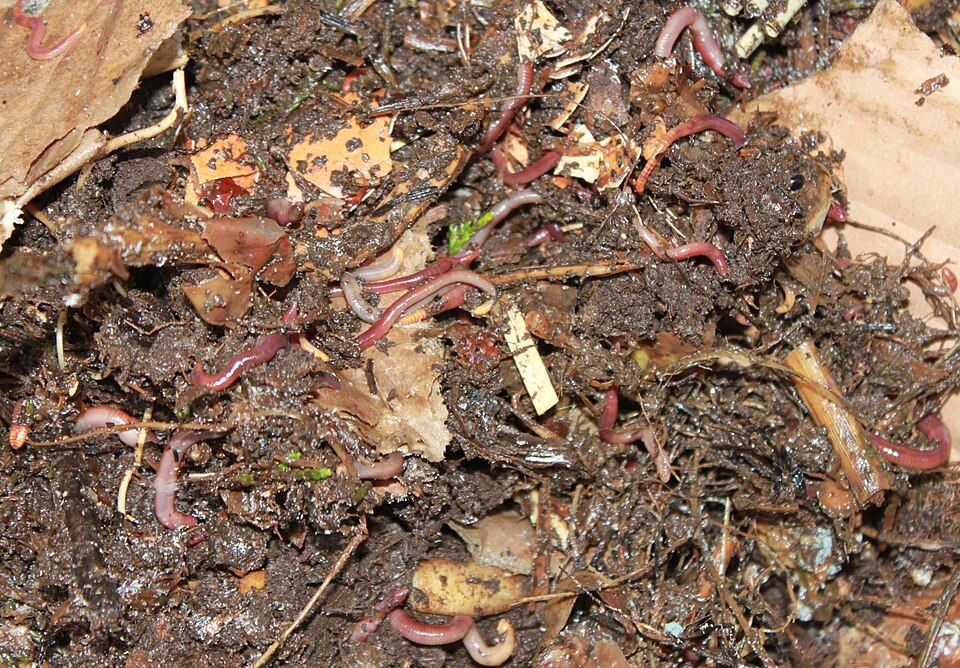
- What it eats: Decaying leaves and plant debris. It's a decomposer that returns nutrients to the soil.
- It lives a long time: According to UF/IFAS, adults can live 2–5 years.
What is a pill bug?
According to UF/IFAS, the pill bug isn't an insect but a crustacean that lives on land (order Isopoda, the isopods). The Carnegie Museum of Natural History makes the same point: pill bugs are relatives of lobsters and crabs; they're not insects or spiders, and not millipedes or centipedes either.
According to UF/IFAS, an adult pill bug is 8.5–18 mm long (about 1/3 to 3/4 inch) and gray to brown. It has seven pairs of legs, one pair for each segment of its thorax. It was introduced from Europe, but today it lives all over the world.
According to the Wildlife Gardening Forum, more than 50 species of woodlice (the British name for the pill bug and its relatives) have been recorded in Britain and Ireland; about 10 of them are common in gardens. According to the same source, these little crustaceans breathe through modified legs (pleopods) on the underside of the rear end of the body. The pigment that carries oxygen in their blood is copper-based. To take that copper back in, they need to eat their own droppings.
Why does it roll into a ball?
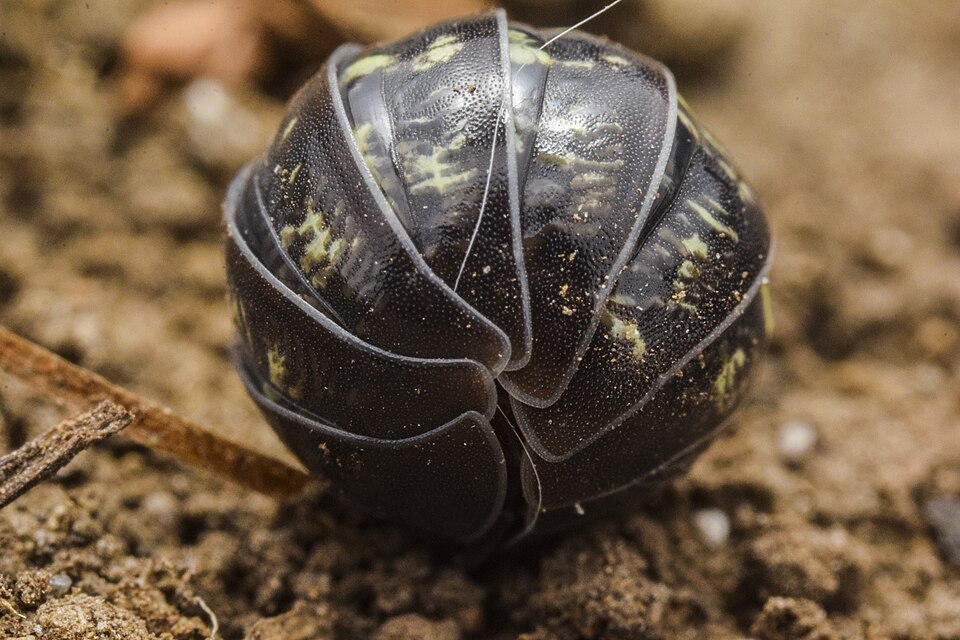
According to the Carnegie Museum of Natural History, pill bugs roll up to protect themselves from predators. This keeps them safe from small predators, though some animals, such as mice, may still eat them. There's even a spider that specializes in hunting them.
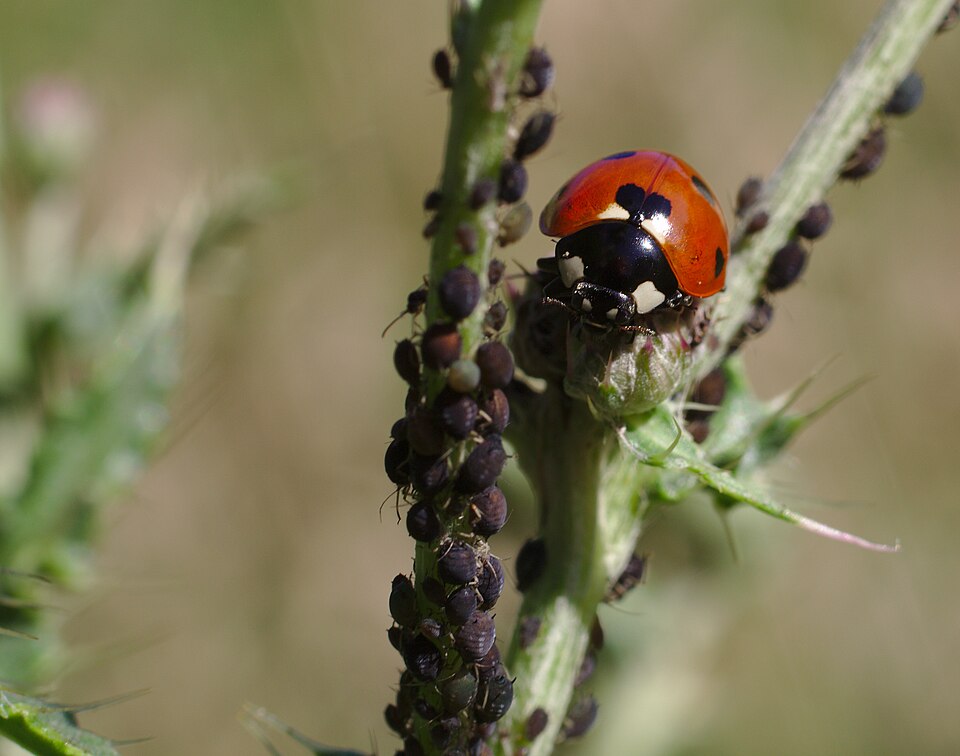
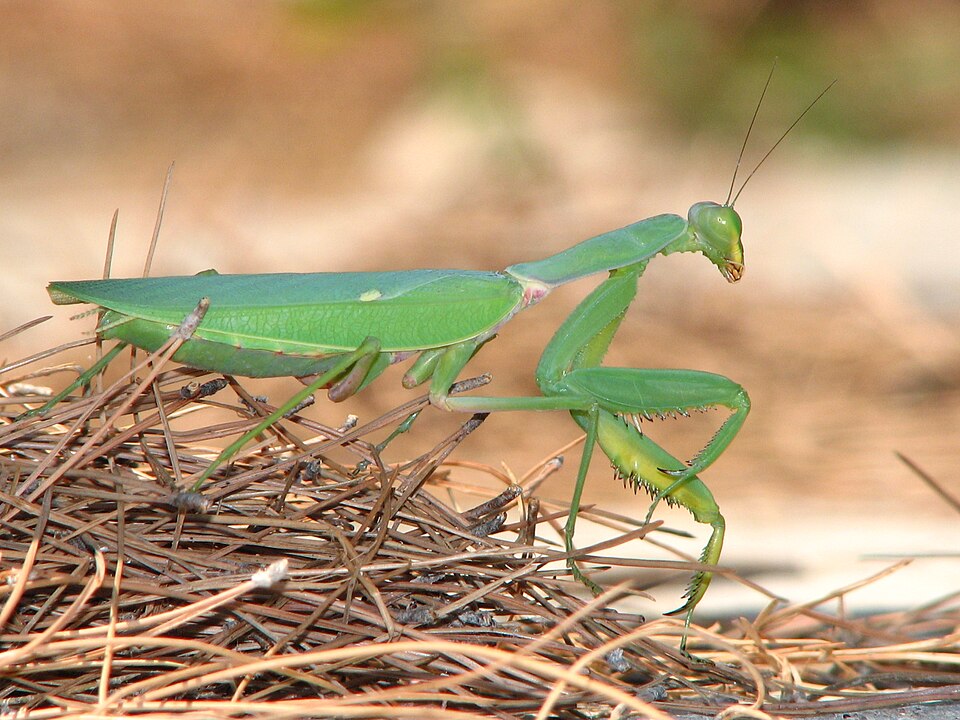
Not all of its relatives can roll up. According to UF/IFAS, some flatter species can't. According to Field of Mars, one of them, Porcellio scaber, relies on camouflage, hiding places and its tough body for protection. Spiders, centipedes, beetles, frogs, lizards and birds all prey on these little crustaceans.
According to the Wildlife Gardening Forum, there's also a millipede that can roll into a ball (the pill millipede). It's easy to tell apart: it has shorter antennae and 17–19 pairs of legs. A pill bug has seven pairs.
Where does it live, and what does it eat?
According to UF/IFAS, pill bugs hide in dark, humid places, under fallen leaves, rocks and logs. They like soil that's rich in organic matter with a neutral to alkaline pH best; they're rarely found in soil that's tilled, too wet or acidic. They're active at night. According to Field of Mars, they're most active at night or in damp weather, and they hide in the shade during the day because they lose water easily.
The Wildlife Gardening Forum explains why: the outer shell of woodlice isn't as waterproof as the waxy cuticle of insects. That's why most of them can't stay in the sun for long.
According to UF/IFAS, pill bugs feed mainly on decaying plant leaves and other decomposing material. According to the Carnegie Museum, by eating rotting wood, leaves and fruit, they add organic matter to the soil; that benefits plants and the animals higher up the food chain.
Do they harm plants? According to UF/IFAS, they occasionally nibble seedlings and some plant roots, but they're only considered minor pests. According to the Wildlife Gardening Forum, they may eat very soft seedlings, but the damage is usually insignificant. Sound, unrotted wood is beyond them. According to the same source, woodlice are often blamed for damage done by other, less visible creatures.
Breeding, and shedding its skin in two halves
According to UF/IFAS, the female pill bug carries her eggs in a pouch on her underside (the marsupium):
| Topic | According to UF/IFAS |
|---|---|
| Eggs hatch after | 3–4 weeks |
| Broods per year | 1–3 |
| Eggs per brood | 100–200 |
| Young stay in the pouch | 1–2 more weeks after hatching |
| Adult lifespan | 2–5 years |
According to the Wildlife Gardening Forum, this pouch is filled with water, and the very first stage of the young is often white. According to Field of Mars, the young leave the pouch with six pairs of legs and gain the seventh pair after a molt. They don't go through a metamorphosis like a caterpillar turning into a butterfly; they simply get a little bigger with each molt.
The way they molt is interesting too: according to UF/IFAS and the Wildlife Gardening Forum, pill bugs shed the skin of the rear half of the body first, then the front half.
Make room for it in your garden
Helping pill bugs doesn't take much. Field of Mars recommends:
- Leave the leaves: Leave fallen leaves, shed bark and logs where they are.
- Put the rock back: After you look under a rock or a log, put it carefully back where it was; that's the home of the creatures underneath.
- Skip unnecessary pesticides: Cut down on pesticide use.
According to the Wildlife Gardening Forum, during the day woodlice hide in the top layer of soil, in leaf litter, and under logs, stones and flowerpots. According to the RHS school gardening guide, a good bug hotel also gives them a place to hide from the sun. To build your own: building a bug hotel.
If you want to watch them at home
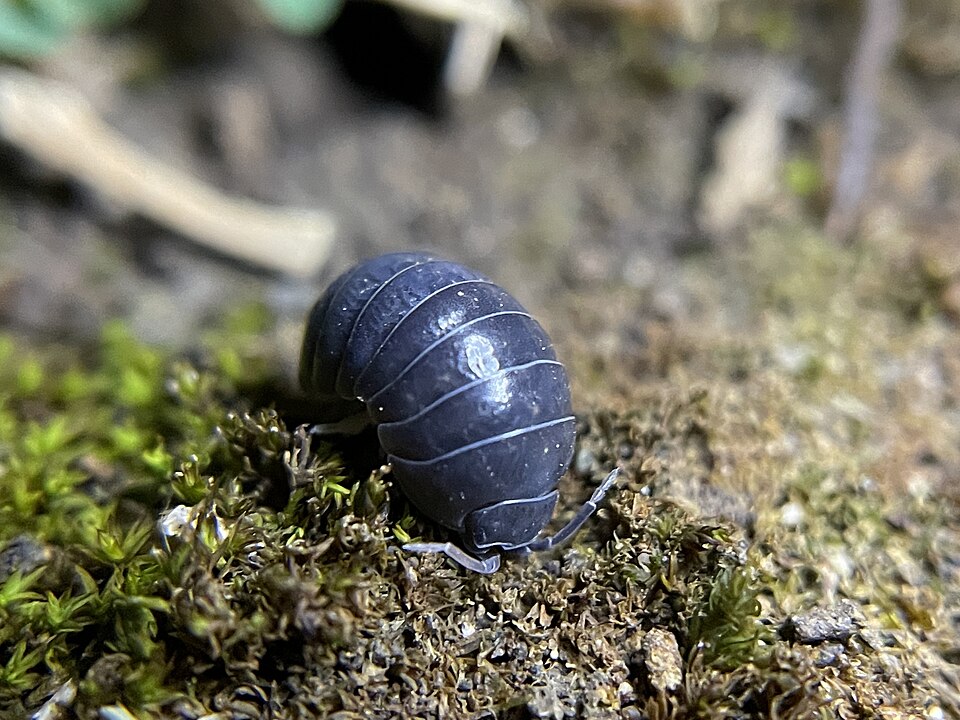
According to the Wildlife Gardening Forum, woodlice are long-lived and undemanding, so they make rather good pets in a terrarium (vivarium). Set up an environment that resembles the natural habitat the sources describe:
- Soil: Use soil that's rich in organic matter with a neutral to slightly alkaline pH; according to UF/IFAS, they don't like soil that's too wet.
- Hiding places: Add fallen leaves, a piece of bark, a small stone or a bit of wood on top.
- Moisture and shade: Keep the soil damp, but don't turn it into mud. Put the container in a fairly dark spot out of direct sun.
- Food: Their main food is decaying leaves and plant debris.
- Watch at night: Since they're active at night, evenings are the best time to watch them.
- Put them back: If you took them from the garden, return them under the rock or log where you found them once you're done watching.
If you add your pill bugs to Tüylüm as an invertebrate, Food, Water dish / humidity and Terrarium cleaning come ready-made as tasks on the Today tab. Everyone at home sees the same list, so the humidity check doesn't get forgotten.
Our other invertebrate articles: Invertebrates.
Frequently asked questions
Is a pill bug really not a bug?
It's not. According to UF/IFAS and the Carnegie Museum of Natural History, the pill bug is a crustacean that lives on land, a relative of crabs and lobsters. According to UF/IFAS, it has seven pairs of legs.
Will pill bugs harm the plants in my garden?
Very little. According to UF/IFAS, they feed mainly on decaying leaves; although they occasionally nibble seedlings and some roots, they're considered only minor pests. According to the Wildlife Gardening Forum, they're often blamed for damage done by other creatures.
How long does a pill bug live?
According to UF/IFAS, adults can live 2–5 years. The Wildlife Gardening Forum also says these little crustaceans can live 2–4 years.

Keep track of your pet's care in TüylümLog vet visits, vaccine and medication dates, and we'll remind you when it's time. Share it all with your family in Home.
Sources
- UF/IFAS EDIS (Featured Creatures) · Pillbug, Roly-Poly, Woodlouse, Armadillidium vulgare (EENY630)
- Wildlife Gardening Forum · Woodlice and landhoppers
- Carnegie Museum of Natural History · The Great Roly Poly (Aaron Young, April 29, 2020)
- Field of Mars Environmental Education Centre (NSW Department of Education) · Common rough slater fact sheet
- RHS (School Gardening) · Make a bug hotel
By Tüylüm · Published and last checked: October 26, 2026. Spotted a mistake? Write to [email protected] and we'll fix it right away. Photos are from Wikimedia Commons, used under the license shown below each photo.