A bee-friendly balcony: the right flowers in pots, a dish of water and no pesticides
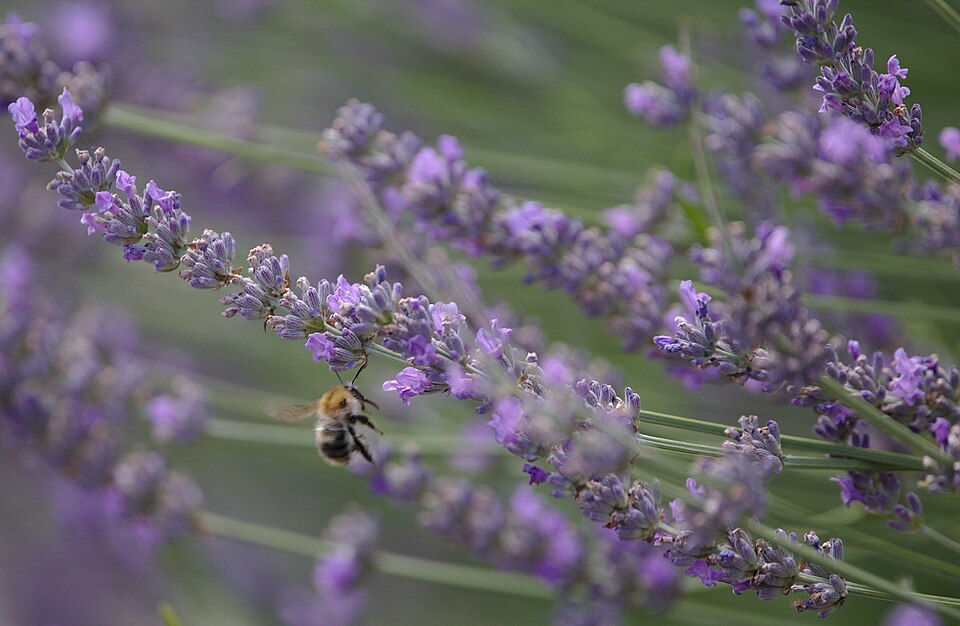
One summer morning, as you drink your coffee on the balcony, you hear a buzz over the lavender in its pot. A bumblebee moves from flower to flower, then flies off. A few minutes later, another bee arrives. To you it's a small pot; to the bee it's a place to stop and feed. You don't need a garden to help bees. According to the RHS, even a small patio, a balcony or a window box can make a difference. In this article we explain how to turn your balcony into a stopover for bees, with advice from the RHS and The Wildlife Trusts.
- The right flowers: The RHS recommends simple, open flowers; their pollen and nectar are easier to reach than in double flowers.
- A long season: According to The Wildlife Trusts, flowers should run from early spring to late fall.
- A water dish: According to the RHS, a shallow dish of water with stones or marbles in it makes a safe water source for pollinators. Change the water often.
- No pesticides: The RHS recommends using no pesticides at all outdoors; if you have no other choice, never spray open flowers.
- Nest sites: Hang a small bee hotel for solitary bees; some bees nest in bare soil instead.
Why do bees need help?
According to the RHS, bees and other pollinators are declining. The causes include fewer flowering plants, the loss of nest sites and habitats, climate change, pests, diseases and modern farming. The RHS says gardens can support more pollinators than the farmland around them, but adds that there's always room to do more.
The RHS's five steps are short and clear: grow pollinator-friendly plants, mow less often so that lawn "weeds" such as dandelions can flower, provide water, avoid pesticides, and provide nest sites. On a balcony, you can do most of these with a few pots.
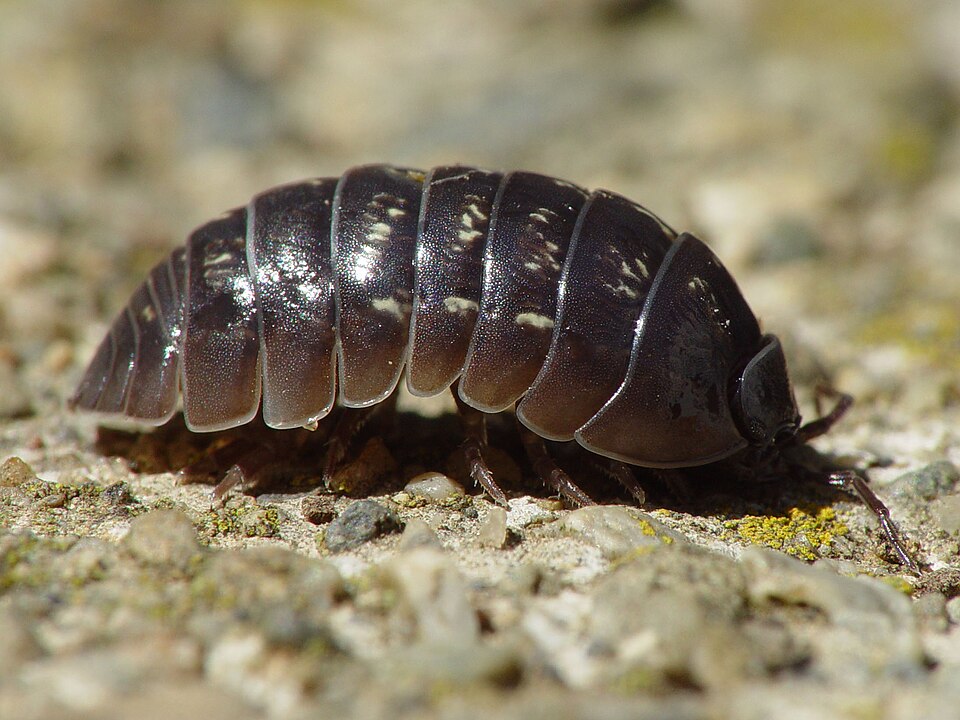
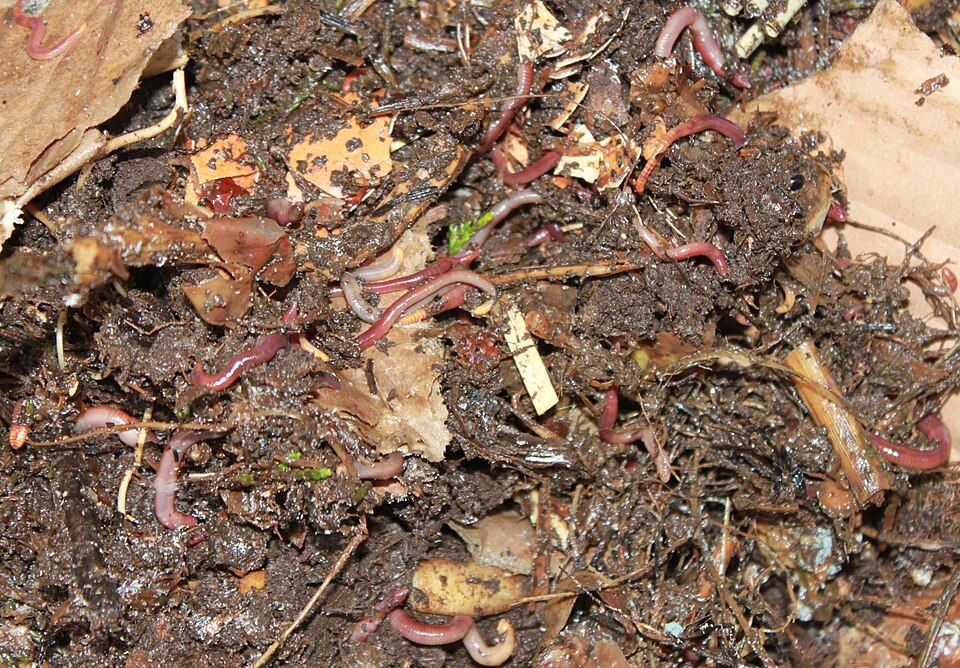
According to the RHS, pots bring other benefits to a balcony too: on a hot patio, the soil in a pot creates a cool spot, and small soil creatures can live in the damp space underneath pots. Grouping pots together also creates little green "islands" on a balcony.
Choose the right flowers
The RHS recommends simple, open flowers with a single layer of petals: their pollen and nectar are easier to reach than in double flowers with many layers of petals. The Wildlife Trusts also recommends simple, often flat flowers and herbs; planting several of the same plant side by side makes the color and scent easier for insects to notice.
According to The Wildlife Trusts, different bees prefer different flower shapes:
- Short, open flowers: For short-tongued bees; the nectar is within easy reach.
- Deep, tube-shaped flowers: Such as honeysuckle; for long-tongued bees.
- Flat "landing pad" flowers: Such as daisies and knapweeds; for larger bees that land on them.
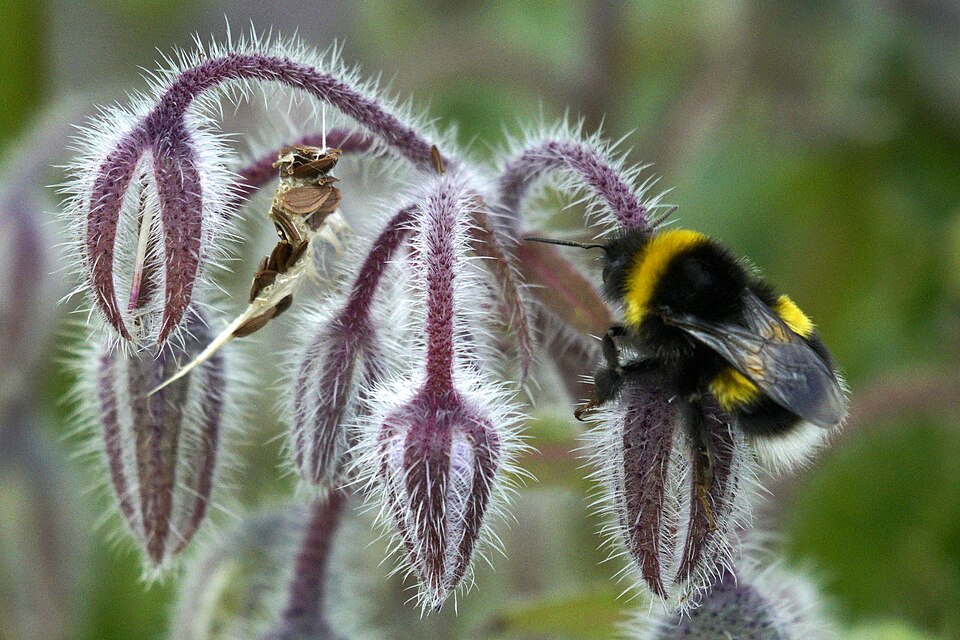
- Drooping flowers: Such as comfrey and viper's bugloss; for small, agile bees.
Which plants for a balcony?
Some of the RHS's suggestions for pots and window boxes:
| Spot | RHS examples |
|---|---|
| Sunny pots | Single-flowered pot marigolds, California poppies, snapdragons, single-flowered dahlias and zinnias, marjoram, chives, lavender |
| Window box on a sunny wall | Thyme, osteospermum, zinnias |
| Shady pots | Begonias, fuchsias, heuchera, hostas, ivy |
| Hanging baskets | Nasturtiums, bird's-foot trefoil, bidens, calibrachoa |
The Wildlife Trusts' list of flowers for bumblebees includes many herbs as well: rosemary, sage, marjoram, mint, chives, borage, catmint and lavender. So the herbs you grow for the kitchen help bees too.
If you want a longer list, look at the RHS Plants for Pollinators lists, updated in July 2025: they include more than 10,000 plants. According to the RHS, the lists are based on scientific evidence, the RHS's own experience and the records of gardeners and beekeepers, and are reviewed by RHS scientists.
If your cat or dog spends time on the balcony, find out whether a new plant could harm them before you buy it. We've gathered plants that are dangerous for cats in houseplants that are toxic to cats.
Flowers from spring to fall
According to The Wildlife Trusts, including both early- and late-flowering plants in your planting plan extends the nectar season. A calendar based on examples from the sources:
| Period | Examples |
|---|---|
| Early (late winter, spring) | Wallflower 'Bowles's Mauve' (according to the RHS, it flowers from late winter into early spring, then repeats for months); primroses and forget-me-nots (The Wildlife Trusts) |
| Summer | Cosmos (according to the RHS, from June into the fall); verbena (Verbena rigida; according to the RHS, from June to nearly November if you remove the faded flowers) |
| Late | Lavender, sedum, coneflowers (Echinacea) and ivy (The Wildlife Trusts) |
According to the RHS, to keep plants flowering, water and feed your pots regularly and remove faded flowers. Annuals such as cosmos are sown again every year. When you buy potting mix, you can look for peat-free options, which the RHS notes are widely available.
A dish of water for bees
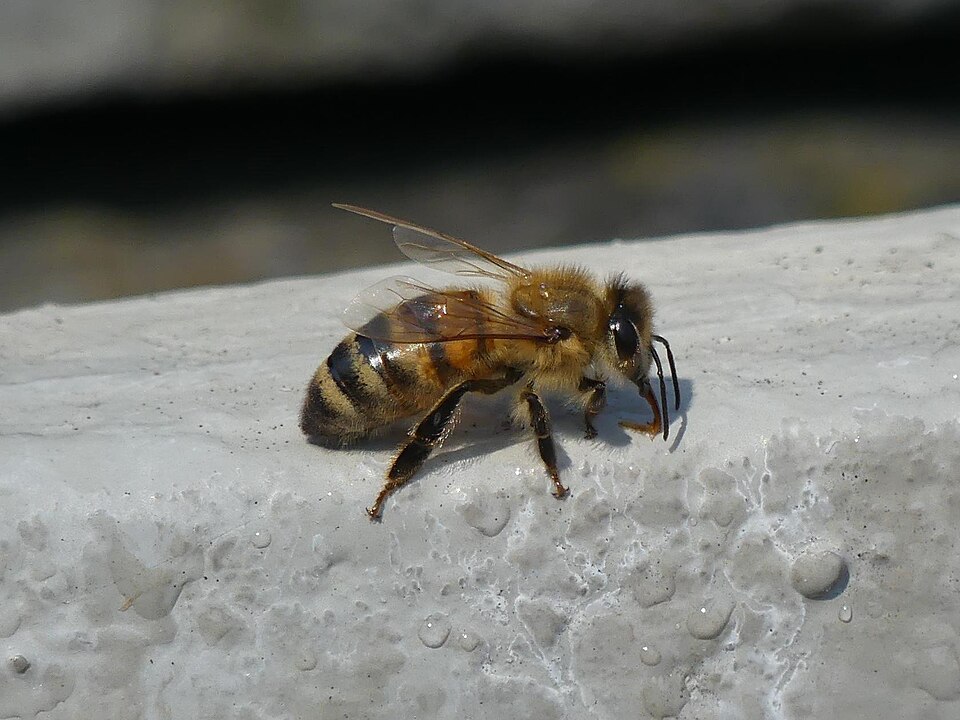
According to the RHS, pollinators sometimes need a drink. The easiest way on a balcony:
- Pick a shallow dish: A plant saucer or any shallow container will do.
- Add stones or marbles: According to the RHS, a shallow dish of water with stones or marbles in it is a safe water source for pollinators.
- Change the water often: The RHS recommends refreshing the water in the pebble dish frequently.
Skip the pesticides
The RHS doesn't support the use of pesticides and recommends non-chemical controls whenever they're needed. Good growing, the right choice of plants and good hygiene reduce pests; according to the RHS, the first line of defense should be biological control, meaning pests' natural enemies.
It also helps to tolerate a few pests. According to the RHS, aphids are food for hoverfly larvae, and caterpillars need plants to eat. Accepting a few holes in the leaves helps pollinator numbers.
The RHS recommends not using pesticides. If you do have to use a product, read the label, follow it, and never spray open flowers.
Be careful when you buy plants, too: the RHS says it renamed its pollinator logo because traces of pesticides were found on some labeled plants. If you don't want pesticide residues, ask for plants grown without synthetic pesticides.
Nest sites
According to the RHS, you can make your own nests for solitary bees or buy ready-made ones. On a balcony, the easiest option is a small bee hotel hung on a sunny wall; we explain how to make one in building a bug hotel.
Ground-nesting solitary bees, according to the RHS, need sunny bare soil or short grass; leave the little mounds of soil they make alone. Bumblebees, according to the RHS, often ignore purpose-built nest boxes and prefer to nest in the ground. If you have a garden, mowing less often helps too.
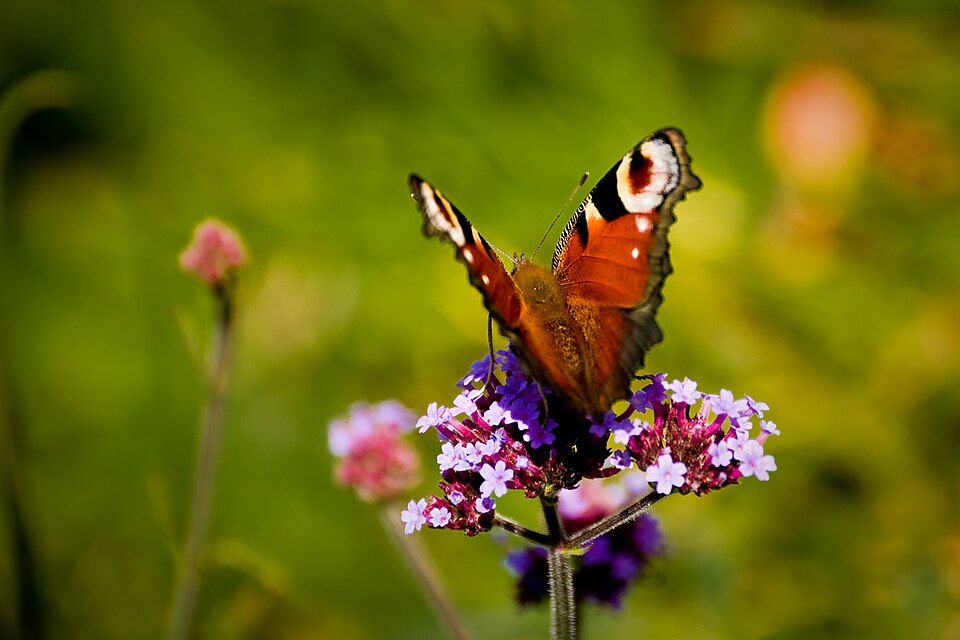
If you'd like to invite butterflies to your balcony as well: a butterfly garden. Our other invertebrate articles: Invertebrates.
Frequently asked questions
Why are double flowers less useful to bees?
According to the RHS, the pollen and nectar of simple, open flowers with a single layer of petals are easier to reach. In double flowers with many layers of petals, it's harder for bees to get to them.
What should I put in the water I leave out for bees?
Just clean water and a few stones or marbles. The RHS recommends a shallow dish with stones in it and water that's changed often; it describes this as a safe water source for pollinators.
Should I spray the aphids on my potted plants?
The RHS recommends non-chemical methods first and reminds gardeners to tolerate a few pests: aphids are food for hoverfly larvae. If you do have to use a product, follow the label and never spray open flowers.

Keep track of your pet's care in TüylümLog vet visits, vaccine and medication dates, and we'll remind you when it's time. Share it all with your family in Home.
Sources
- RHS · RHS Plants for Pollinators
- RHS · How gardeners can help our declining bees and other pollinators
- RHS · Pots and container habitats
- RHS · Top 10 patio plants for bees
- The Wildlife Trusts · How to attract bumblebees to your garden
- The Wildlife Trusts · The best plants for bees and pollinators
By Tüylüm · Published and last checked: October 26, 2026. Spotted a mistake? Write to [email protected] and we'll fix it right away. Photos are from Wikimedia Commons, used under the license shown below each photo.