Aquarium temperature: heaters, thermometers and protecting fish from sudden changes
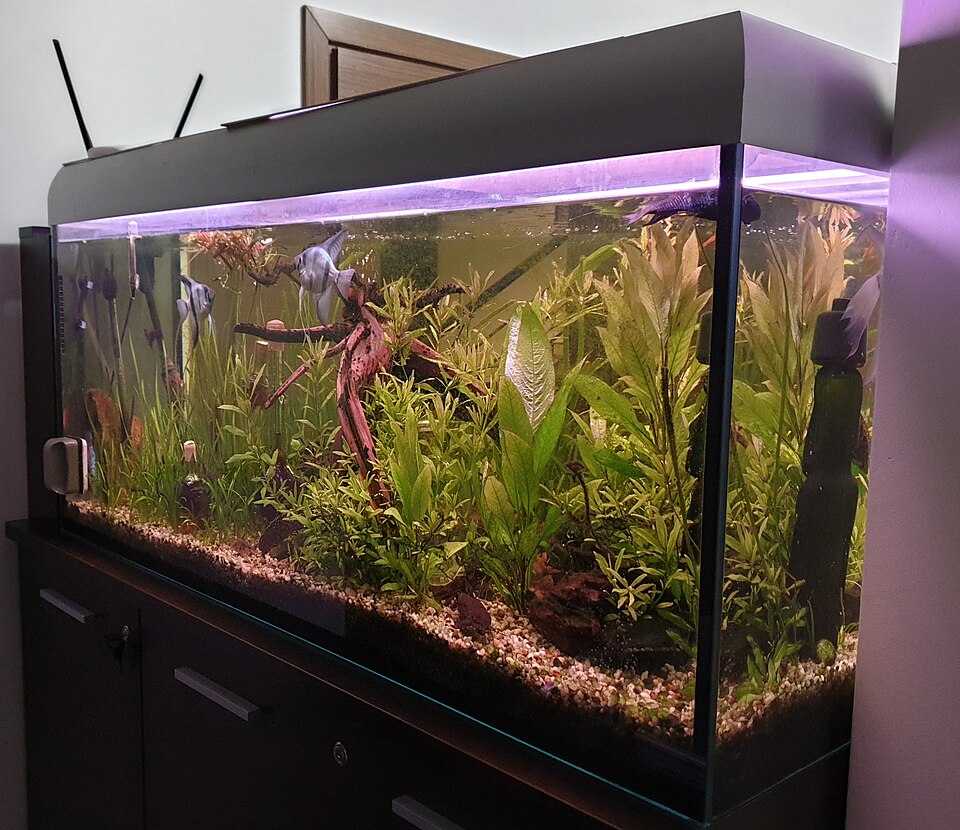
Fish live in water; when it warms up or cools down, they have nowhere to go. A swing of a few degrees that we wouldn't even notice may be no small thing for the fish in your tank. According to the RSPCA, water temperature can change quickly in small, unsuitable containers, and this can cause stress and even death. OATA also points out that fish are easily stressed by extreme temperatures. In this article we explain, with sources, how to find the right temperature for your fish, how to keep it steady, and when you need to be most careful.
- Know the species first: According to the RSPCA, every species has different temperature needs; research before you buy.
- Tropical fish need a heater: According to RSPCA Australia, room temperature is generally too cold and changes during the day; you need a submersible aquarium heater.
- Thermostat and thermometer: According to the RSPCA, every heater should be controlled by a thermostat; because heaters can fail, check the temperature with a digital thermometer every day.
- Goldfish usually don't need a heater: But according to OATA, goldfish do not tolerate extreme fluctuations in water temperature.
- New water at the same temperature: According to the RSPCA, water at a different temperature will shock your fish.
- The right spot: No direct sunlight, no radiators, no windowsills and no drafts.
First, find out: is your fish tropical or coldwater?
When it comes to temperature, aquarium fish fall roughly into two groups. Tropical fish come from warm climates and need warm water. Coldwater fish, such as goldfish, tolerate cooler water. And some sit in between: OATA lists certain species that can live in an unheated aquarium as fish suited to "subtropical" conditions.
The RSPCA's advice is clear: always research the temperature needs of the species you want before you get it. The table below gives a few examples of the ranges our sources give:
| Fish | Water temperature, by source | Heater needed? |
|---|---|---|
| Most tropical fish | 24–26 °C / 75–79 °F (RSPCA Australia) | Yes |
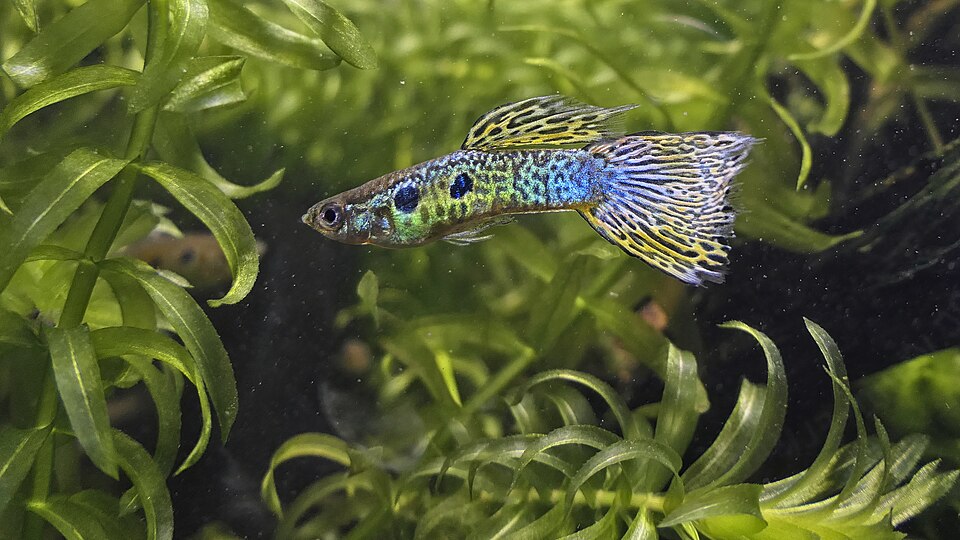
| Guppy | 22–28 °C / 72–82 °F (RSPCA) | Yes |
| Goldfish | 10–21 °C / 50–70 °F (RSPCA); 4–25 °C / 39–77 °F (OATA) | No, unless the room is very cold |
| White cloud mountain minnow | 17–23 °C / 63–73 °F (OATA) | Suited to unheated tanks, according to OATA |
| Zebra and leopard danio | 17–27 °C / 63–81 °F (OATA) | Can be kept in unheated tanks, according to OATA |
As you can see, sources sometimes give different ranges; goldfish are a good example. If you're not sure, check the care guide for that species and ask your retailer. OATA also recommends asking your retailer, before you buy, whether a species (a particular danio, for example) can live without a heater.
Tropical tanks: why is a heater a must?
According to RSPCA Australia, tropical fish come from warm climates, so heating is essential; for most tropical fish the water should be kept between 24 and 26 °C (75–79 °F). Room temperature isn't enough: it's generally too cold, it rises and falls during the day, and that fluctuation is stressful for fish. OATA also says tropical species generally need at least 22 °C (72 °F), and therefore a heater.
- A submersible heater: According to RSPCA Australia, a submersible aquarium heater is the only way to achieve and maintain a steady, suitable temperature.
- Thermostat: According to the RSPCA, all heaters should be controlled by a thermostat; heaters with built-in thermostats are also available.
- Don't rely on a lamp: According to RSPCA Australia, some bowls are sold with small lamps above them, suggesting they provide enough heat; but these lamps are switched off at night and give either too little or too much heat depending on the room.
- No bowls: According to RSPCA Australia, a suitable heater won't fit in a small bowl, and the temperature can't be kept steady.
- Set it for the species: According to the RSPCA, the heater should be set to the temperature the species in your tank needs.
Thermometer: a quick look every day
The RSPCA's advice is simple but important: like any electrical equipment, heaters and thermostats can fail. So check the water temperature with a digital thermometer every day. A failed heater either leaves the water cold or overheats it, and the only way you'll notice is by looking at the thermometer.
OATA recommends making temperature part of your regular water testing and writing down the results, so you can spot fluctuations over time. If you do see fluctuations, look at where the tank is first: according to OATA, the aquarium should be kept away from drafts and heat sources to minimize them.
In Tüylüm's Today tab, the suggested tasks for fish include a Water temperature check. Add it and you'll see it on your list every day. Everyone in your Home sees the same list, so there's no confusion about who checked the thermometer.
Coldwater fish: no heater, but still careful
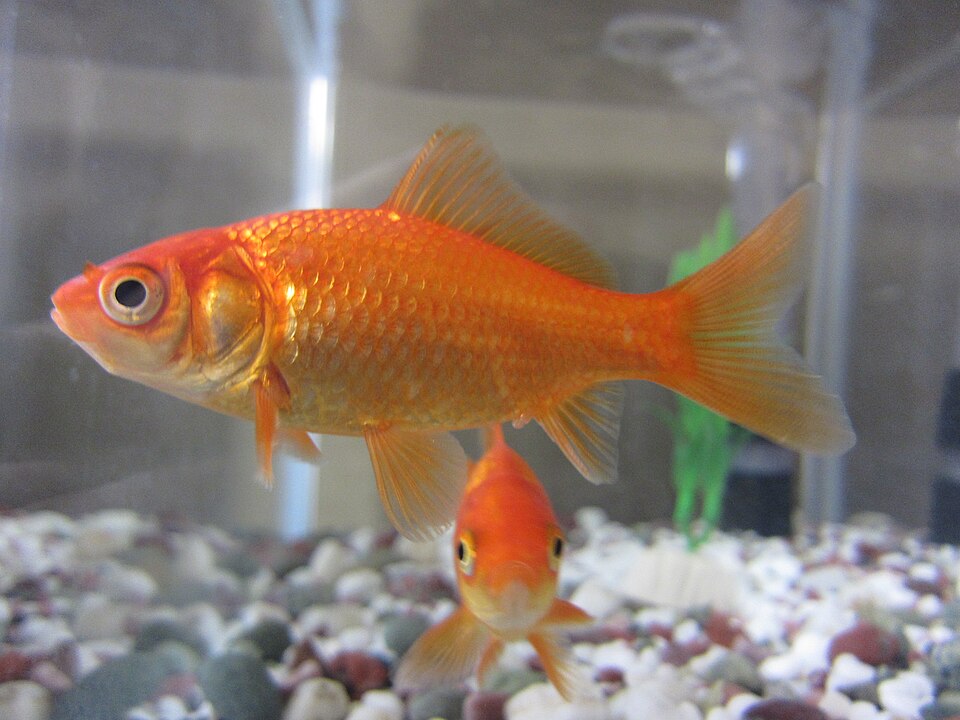
According to OATA, goldfish don't need a heater unless they're kept in a very cold room; the RSPCA also says a heater usually isn't necessary. But that doesn't mean temperature doesn't matter. According to OATA, goldfish do not tolerate extreme fluctuations in water temperature, which can cause stress and lead to disease. The RSPCA says that if you're worried about temperature swings, you could add a heater set at the lower limit of the species' range.
OATA makes another point: goldfish are often incorrectly sold for small, unheated aquariums. According to OATA, many other species are much better suited to a small tank without a heater. For example, white cloud mountain minnows grow to about 5 cm (2 in) and should be kept in groups of at least five. OATA stresses that even an unheated aquarium must have a filter. For what goldfish really need: why can't a goldfish live in a bowl?
Sudden changes: the riskiest moments
Finding the right temperature is half the job; the other half is stopping it from changing suddenly. These are the moments to be especially careful:
- Water changes: According to the RSPCA, if the new water you add is a different temperature from the water in the tank, it will shock your fish. The RSPCA suggests using a separate aquarium heater to warm the new water before you add it. More details: aquarium water changes.
- New fish: According to the RSPCA, the sealed bag your fish comes in should float in the tank water for about half an hour with the lights off, so the water in the bag reaches the tank's temperature. Step by step: adding new fish to your aquarium.
- The trip home: In cold weather, the RSPCA suggests asking the shop to wrap the bags in paper to help prevent sharp temperature drops.
- Small containers: According to the RSPCA, temperature changes quickly in a small volume of water and stays more stable in a large tank. That's why the RSPCA recommends going for more space than the minimum.
Where you put the tank affects the temperature too
Where you place your aquarium also decides how hard the heater has to work. Our sources recommend:
- No sun, no radiators: According to the RSPCA, the tank should be kept away from direct sunlight and radiators. A spot by a window can raise the water temperature dangerously high.
- No doors, no drafts: In winter, the RSPCA recommends keeping tanks away from windows, doors and radiators, and checking the room for drafts.
- No noise or vibration: OATA says location is especially important for unheated aquariums; the tank should also be out of direct sunlight and away from loud noises, vibrations and sudden movements.
In summer and in winter
When the seasons change, so does the temperature of the room, and the tank feels it.
| Season | What our sources recommend |
|---|---|
| Summer | RSPCA: keep the tank out of direct sunlight; check the temperature regularly; you may need to do water changes to prevent overheating. |
| Winter | RSPCA: tropical fish usually need 24–28 °C (75–82 °F); check that the heater is working with a reliable thermometer; insulate the tank against heat loss; avoid rapid changes. |
If you'll be away from home for a long time in summer, plan in advance who will look after the tank and how: your aquarium while you're on vacation.
According to the RSPCA, if you notice lethargy, loss of appetite or unusual behavior in your fish, check the water quality and temperature first. If the signs continue, talk to a vet who treats fish without delay.
Frequently asked questions
My home is already warm. Do my tropical fish still need a heater?
Yes. According to RSPCA Australia, room temperature is generally too cold for tropical fish and changes during the day. A submersible aquarium heater is the only way to keep a steady, suitable temperature, and according to the RSPCA it should be controlled by a thermostat.
Should I put a heater in with my goldfish?
Usually there's no need. According to OATA, goldfish only need a heater if they're kept in a very cold room. The RSPCA says that if you're worried about temperature swings, you could set a heater at the lower limit of the species' range.
How often should I check the thermometer?
The RSPCA recommends checking every day, because heaters and thermostats can fail. If you write down the readings, as OATA suggests, you'll spot fluctuations more easily.

Keep track of your pet's care in TüylümLog vet visits, vaccine and medication dates, and we'll remind you when it's time. Share it all with your family in Home.
Sources
- RSPCA · Choosing an aquarium for pet fish
- RSPCA Australia · How should I care for my tropical fish?
- OATA · How to pick and look after fish for an unheated aquarium / tank
- OATA · How to look after goldfish in an aquarium / fish tank
- RSPCA · Caring for pet fish in winter
- RSPCA · Help exotic pets stay cool in summer
By Tüylüm · Published and last checked: October 26, 2026. Spotted a mistake? Write to [email protected] and we'll fix it right away. Photos are from Wikimedia Commons, used under the license shown below each photo.