Rabbits in cold weather: winter housing, bedding, water and bringing them indoors
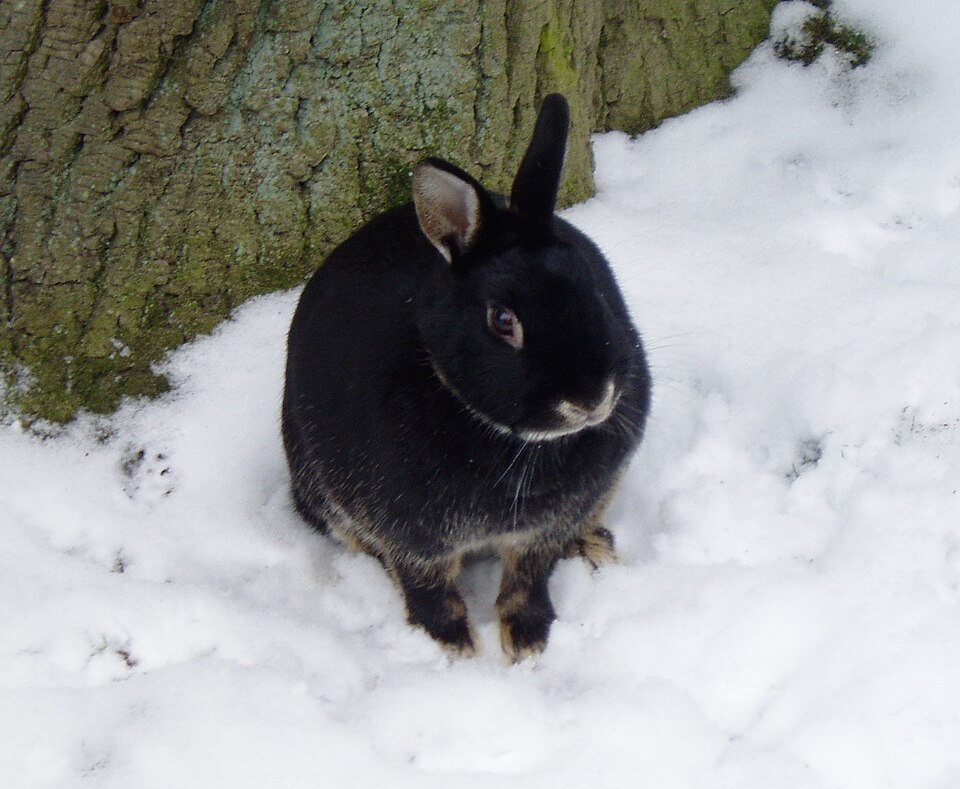
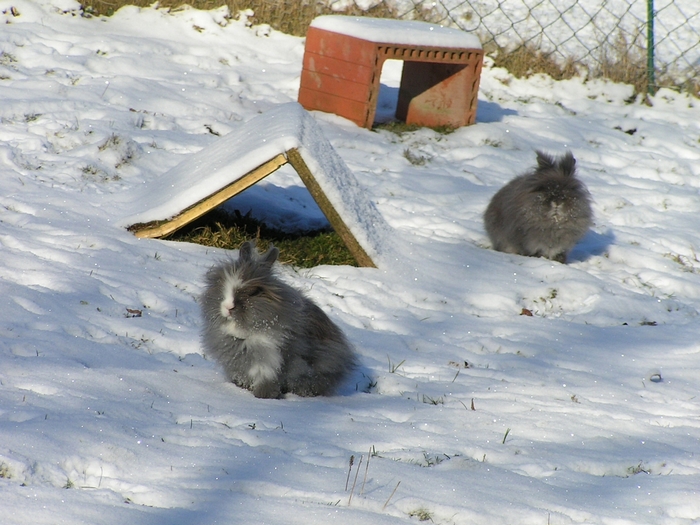
Wild rabbits spend the winter underground. According to the Rabbit Welfare Association & Fund (RWAF), the temperature in their underground warrens barely changes between summer and winter: about 10 °C (50 °F). According to the RSPCA, a rabbit in the yard has no such burrow; it can be exposed to cold, rain, wind, snow and drafts. The good news: according to the RWAF, rabbits are hardy; as long as they always have a warm, dry, draft-free place to sleep and a companion, they can get through the winter comfortably.
- Ideal temperature: According to the RSPCA, 10–20 °C (50–68 °F) for rabbits.
- Sleeping area: According to the RWAF, a warm, dry, draft-free sleeping area the rabbit can reach at all times is a must.
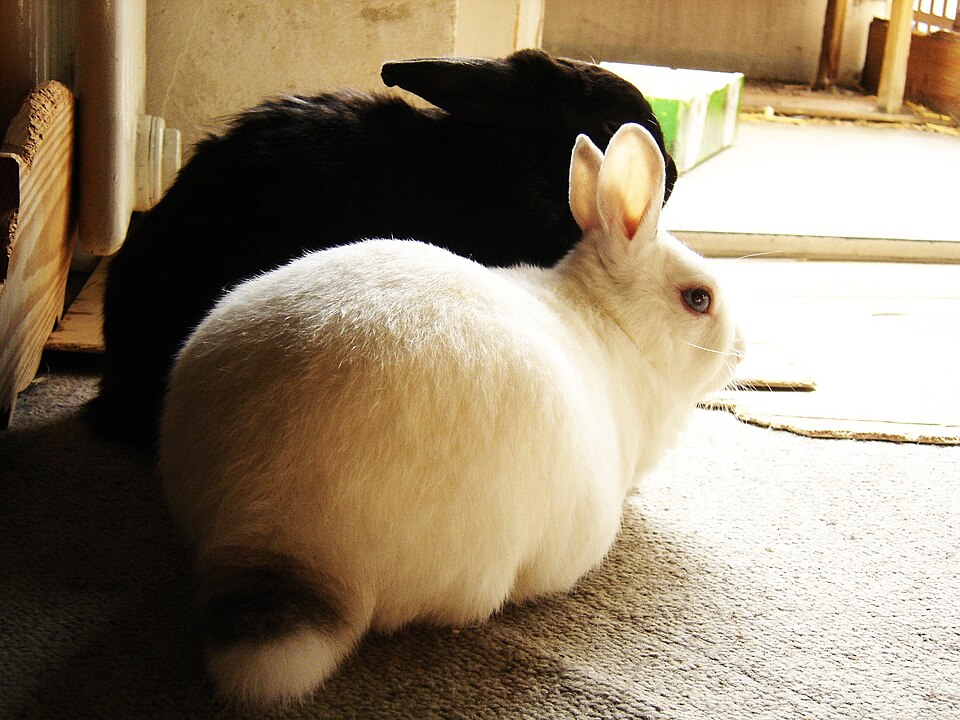
- Companion: According to the RWAF, two rabbits snuggled up together keep each other warm.
- Water: According to the RSPCA, check the water at least twice a day; it may have frozen.
- Wet bedding: According to the RSPCA, remove it every day; it freezes on cold nights.
- At freezing point: According to the RSPCA and the PDSA, consider moving the shelter into a shed, an outbuilding or a garage that isn't used for cars.
How much cold can a rabbit handle?
According to the RSPCA, rabbits cope fairly well with the cold; but not in damp or drafty conditions. Rabbits that get cold and wet can become ill.
For house rabbits that go out into the yard during the day, the RWAF's rule of thumb is this: if the rabbit is healthy, is with a companion, has no significant patches of missing fur, can move around freely, has somewhere to hide and is protected from wind and rain, it can generally cope with temperatures down to about 5 °C (41 °F). If it's colder, there should be a well-insulated enclosed section inside or attached to the run. The RSPCA also says house rabbits don't grow winter coats as thick as outdoor rabbits, so they shouldn't be put outside when it's very cold.
Some rabbits need extra attention. According to the RSPCA, rabbits that are old, thin or young and those without a thick winter coat, and according to the RWAF, rabbits with patches of missing fur or in poor body condition, are more exposed to the cold. A rabbit that lives alone also has no companion to keep it warm; in that case, the RWAF recommends taking special care that the sleeping area is warm enough. On companionship: why shouldn't rabbits live alone?
Get the shelter ready for winter
- Give it a once-over: The RSPCA recommends checking the shelter and run thoroughly before winter arrives: do the bolts and locks work? Repair or replace anything that has become damaged or dangerous.
- Out of the wind: The RSPCA recommends moving the shelter to a protected spot out of the wind, rain and snow. According to the RWAF, a tarp with eyelets fastened with cable ties both blocks the wind and keeps off the rain.
- Raise it off the ground: According to the RSPCA, raising the shelter at least 10 cm (4 inches) keeps the base from getting damp and rotting, and stops frost from seeping up from the ground.
- Insulate it: The RSPCA suggests insulating the walls with cardboard, blankets or insulation boards; but ventilation must continue. The RWAF suggests a permanent solution: lining the inside of the sleeping area with plywood and filling the gap with roof insulation.
- Cover it at night: The RSPCA recommends covering most of the shelter at night, leaving a small area open for ventilation, and leaving the front open during the day. The PDSA also says you can put a thick blanket or an old piece of carpet over the shelter, as long as air can still move freely.
According to the RSPCA, rabbits tend to chew blankets, and this can cause a blockage in the gut. Use blankets or carpet to cover the outside of the shelter; put hay and straw inside.
Bedding: hay is for eating, straw is for sleeping
According to the RWAF, soft straw is the best bedding in winter. Its hollow stalks trap warm air, it's absorbent and it's less likely to be eaten than hay. Hay, on the other hand, is food; your rabbit should still always have plenty of fresh hay. The RWAF recommends choosing dust-extracted straw that is as soft as possible; hard, spiky straw can damage the eyes.
- In layers: The RSPCA recommends spreading dust-free hay and straw over layers of newspaper; the newspaper soaks up moisture and provides insulation.
- Extra bedding: According to the PDSA, the first thing to do as it gets colder is give your rabbits extra bedding; even if the shelter is indoors.
- Wet bedding, every day: The RSPCA recommends removing wet bedding every day, because it freezes on cold nights. According to the RWAF, rabbits spend more time in their sleeping area in winter and it gets dirty quickly; keep up with cleaning.
Don't let water and food freeze
- At least twice a day: The RSPCA recommends checking the water at least twice a day.
- Check the bottle: Make sure the ball at the end of the spout turns, and squeeze the bottle to check the water is flowing (RSPCA).
- Add a bowl too: According to the RSPCA, a water bowl freezes later than a bottle; giving both ensures plenty of water.
- Spare bottle: The RSPCA recommends keeping a spare bottle indoors, so you can swap out a frozen one right away.
- No frozen greens: According to the RSPCA, never feed greens or vegetables that are frosty or frozen; make sure the food hasn't frozen.
According to the RSPCA, rabbits may drink more in winter, because there is less grass and greenery to graze on. Rabbits that live outdoors may need more energy to stay warm; if you notice your rabbit losing weight or want advice on its winter diet, the RSPCA recommends talking to your vet. For the basics of feeding: what do rabbits eat?
If extra heat is needed
According to the RWAF, a well-insulated sleeping area with plenty of bedding and the warmth of a companion are enough in most conditions. If the temperature drops very low:
- Two sleeping areas: The RWAF recommends care if you use a heat pad: if the sleeping area gets too warm, the rabbit will leave it and may get cold outside. If possible, set up two sleeping areas and put the pad in only one.
- Products made for rabbits: The RSPCA suggests heat lamps or microwavable heat pads designed for rabbits. If you use a heater in a shed or outbuilding, the rabbits mustn't be able to get close to the heater or its cables.
Keep it moving in winter
According to the RWAF, rabbits should still be able to reach their run in winter; they need their natural behaviors, such as foraging, running, digging and jumping, all year round. A rabbit should never be permanently shut in its shelter. According to the RSPCA, the run also needs a dry, sheltered hiding place with bedding; you can cover part of it with a tarp.
The RSPCA also lists behaviors that are normal in winter: snuggling up together, shedding the summer coat to grow a thicker winter coat, and even becoming more active and playful.
Bringing it indoors: carefully and slowly
According to the RSPCA, if the temperature approaches freezing, you can consider moving the shelter indoors or into a shed, an outbuilding or an unused garage that's protected from the weather. The PDSA also recommends moving the shelter into a shed or a garage that isn't used for cars when it's freezing; the rabbits still need room to move around there. The RWAF says it may be better to bring rabbits indoors temporarily in extreme cold or when fireworks are being set off.
- No garage in use: According to the RSPCA, vehicle exhaust fumes are harmful to rabbits; don't house or exercise rabbits in a garage that's in use.
- No greenhouse: According to the RSPCA, temperatures in a greenhouse can swing to extremes. Conservatories aren't suitable either, because they can get very hot in summer and very cold in winter.
- Sudden temperature changes: According to the RWAF, a sudden shift from cold to warm or warm to cold can be very harmful to a rabbit. Indoors shouldn't be too warm; otherwise the rabbit may overheat and shed the winter coat it will need when it goes back outside.
- Short indoor stays: According to the RSPCA, outdoor rabbits brought inside for short periods may struggle to adjust to the change in temperature.
The RSPCA recommends making the move indoors gradually: through the summer and fall, keep your rabbit inside for a little longer each day. When moving from daylight to artificial light, gradually increase how long the lights stay on in the evening; have a window nearby, and provide a dark sleeping area where the rabbit can rest whenever it wants. The RWAF also recommends keeping the rabbit somewhere quiet and bringing some of its toys from its outdoor space. To get your home ready: rabbit-proofing your home.
When spring comes, the RSPCA recommends waiting until the days are at least 10 °C (50 °F) before moving your rabbit back outside, and gradually increasing the time it spends outdoors; if the nights are cold, it should spend the night indoors.
Winter dangers
According to the RSPCA, foxes and badgers are hungrier and bolder than usual in winter; reinforce the shelter and run. Details: rabbit safety in the yard. The RSPCA lists rodent poisons and antifreeze among the common winter poisons; keep them where your rabbit can't reach them.
According to the RSPCA, rabbits don't hibernate. If your rabbit seems lethargic, sleepy or limp, if its eating or droppings have changed, or if you suspect it has gotten into a poison, talk to your vet without delay.
To remember to check water and bedding all winter, you can use the daily care tasks on Tüylüm's Today tab. With Weight tracking, you can also see whether your rabbit is losing weight over the winter.
Frequently asked questions
Will my rabbit freeze if it stays outside in the snow?
According to the RWAF, rabbits are hardy; if they have a warm, dry, draft-free sleeping area they can reach at all times and a companion, they can spend the winter outdoors. The RSPCA recommends considering moving the shelter into a protected shed or outbuilding as the temperature approaches freezing.
Can I put a blanket over the shelter?
Yes, on the outside. According to the PDSA, a thick blanket or an old piece of carpet insulates the shelter, but air needs to move freely. Don't put blankets inside the shelter; your rabbit may chew them.
Can I take my house rabbit out into the yard in winter?
According to the RWAF, time outside is good for rabbits even in the cold; but only during the day and with care. Don't take it straight from a heated home into the cold; to balance indoor and outdoor temperatures, the RWAF suggests keeping your rabbit in an unheated part of the house, such as a hallway. According to the RSPCA, if it's very cold, don't take a house rabbit outside at all.

Keep track of your pet's care in TüylümLog vet visits, vaccine and medication dates, and we'll remind you when it's time. Share it all with your family in Home.
Sources
- RSPCA · Looking after your rabbit in winter
- Rabbit Welfare Association & Fund · Outdoor Rabbits in Cold Weather
- Rabbit Welfare Association & Fund · Indoor Rabbits Going Outside in Winter
- Rabbit Welfare Association & Fund · Bedding and Litter
- PDSA · Vet Q&A: How can I keep my rabbits warm in cold weather?
- RSPCA · How to keep your rabbit healthy
By Tüylüm · Published and last checked: October 26, 2026. Spotted a mistake? Write to [email protected] and we'll fix it right away. Photos are from Wikimedia Commons, used under the license shown below each photo.