Stick insect care: the quiet pet that looks like a twig and lives on leaves
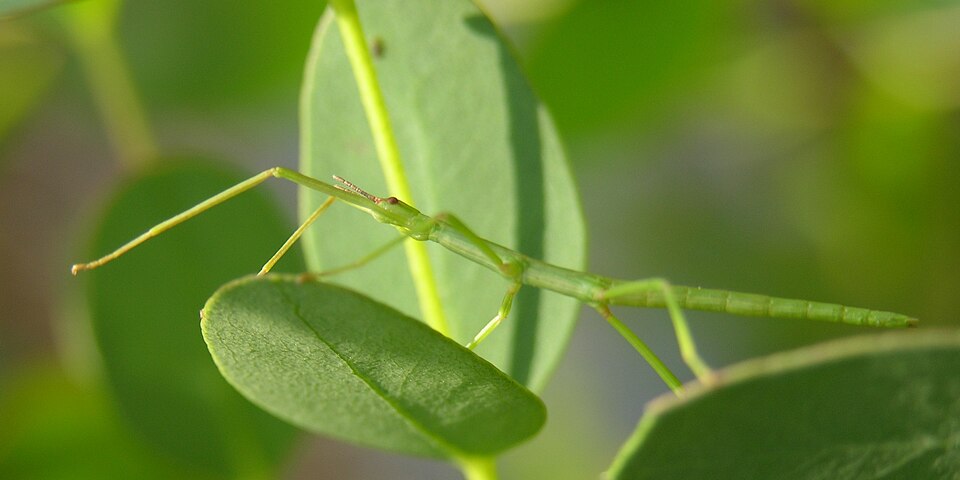
You look into the enclosure and see nothing but twigs and leaves. Then one of the twigs slowly lifts a leg. Stick insects are masters of disguise: according to UC IPM, the University of California's pest management program, an Indian stick insect that is disturbed freezes in place, presses its legs against its body and becomes, to all appearances, a real twig. According to the Amateur Entomologists' Society (AES), there are about 3,000 species of stick insect in the world, and all of them feed on plants. The Indian stick insect, one of the most commonly kept, is a calm, hardy pet for beginners.
- A tall enclosure: According to the AES, the enclosure should be at least three times as tall as the adult insect; stick insects hang down while they molt.
- Fresh, pesticide-free leaves: Blackberry (bramble), oak, hawthorn and privet (AES, RVC). According to the RVC, the leaves must not have been sprayed with pesticides.
- Misting: The AES recommends regularly misting the inside of the enclosure and the leaves with water.
- Eggs without mating: Indian stick insect females lay eggs without mating; even a single insect will lay eggs (AES, UC IPM).
- Never dump the waste outdoors: According to UC IPM, this species has become established in the wild in California because of escaped insects and eggs thrown outside.
Get to know the Indian stick insect
According to UC IPM, the Indian stick insect originally comes from southern India. Adults are about 7–10 cm long, wingless and usually brown, with a long, thin body and legs. The young (nymphs) look like the adults and grow by molting five times. Females can live for several months and lay a few hundred eggs over their lifetime. Males are very rare in this species.
According to the Royal Veterinary College (RVC), stick insects are nocturnal: during the day they stay still unless disturbed, and at night they become active. They are fairly docile but need gentle handling. According to the AES, the Indian stick insect is a hardy species, which makes it a good choice for children or people who are new to keeping animals. Common species can usually live together in the same enclosure.
The enclosure: tall, roomy and not overcrowded
Stick insects hang down from their food plants to molt. According to the AES, that's why the height of the enclosure matters so much: it should be at least three times as tall as the adult length of the insects that will live in it. The enclosure should be designed so you can change the leaves easily. According to the AES, the Indian stick insect is happy in a fairly open, airy enclosure.
- Height: Choose an enclosure at least three times as tall as the adult length. For an adult of about 10 cm, that means at least 30 cm.
- Space: Don't crowd the insects. According to the AES, insects in crowded enclosures can pull off each other's legs, and the risk is highest during molting.
- Leaves: Arrange fresh leaves in the enclosure so the insects can climb up and hang from them.
- Temperature: According to the AES, the Indian stick insect is comfortable at normal household temperatures, meaning 17 °C (63 °F) and above. If heating is needed, the AES prefers heating the whole room.
- Bulbs: If you heat a small enclosure with a bulb, make sure the insects can't reach it; according to the AES, they'll burn themselves if they touch it.
Leaves: always fresh and pesticide-free
According to the AES, almost all stick insects eat the leaves of blackberry (bramble) and its relatives such as raspberry (the genus Rubus). The Indian stick insect also likes oak and hawthorn leaves, and the RVC adds privet (Ligustrum).
| Plant | Which source recommends it? |
|---|---|
| Blackberry and its Rubus relatives | AES, RVC (blackberry) |
| Oak | AES, RVC |
| Hawthorn | AES, RVC |
| Privet | RVC |
- Plenty and fresh: According to the AES, there should always be plenty of fresh leaves in the enclosure.
- Away from roads: The AES recommends picking leaves away from busy roads so they aren't affected by traffic fumes; if you have no other option, wash them.
- Pesticide-free: According to the RVC, make sure the leaves haven't been sprayed with pesticides before you offer them. If you're not sure, don't use that plant.
Water and humidity
According to the AES, all stick insects need water, and it's a good idea to mist the inside of the enclosure, leaves included, with water regularly. Some species drink from a shallow dish. The AES says that in some places the chlorine in tap water can harm sensitive species, so you can use rainwater or tap water that has been left to stand for a day or two. Humidity needs vary from species to species; according to the AES, the Indian stick insect is comfortable in a fairly open enclosure.
Molting and lost legs
Stick insects shed their exoskeletons as they grow. According to the AES, the common causes of lost legs are:
- Overcrowding: Insects can bite or pull off each other's legs.
- Fungal infection: According to the AES, if you suspect one, clean the enclosure thoroughly and, if necessary, move sick insects to a separate enclosure.
- Rough handling: Stick insects are fragile.
According to the AES, a stick insect can only regrow a lost leg at its next molt. Because adults no longer molt, a lost leg won't grow back in an adult. If you see signs of illness in your insect, ask a vet with experience of exotic animals, ideally invertebrates.
Handling
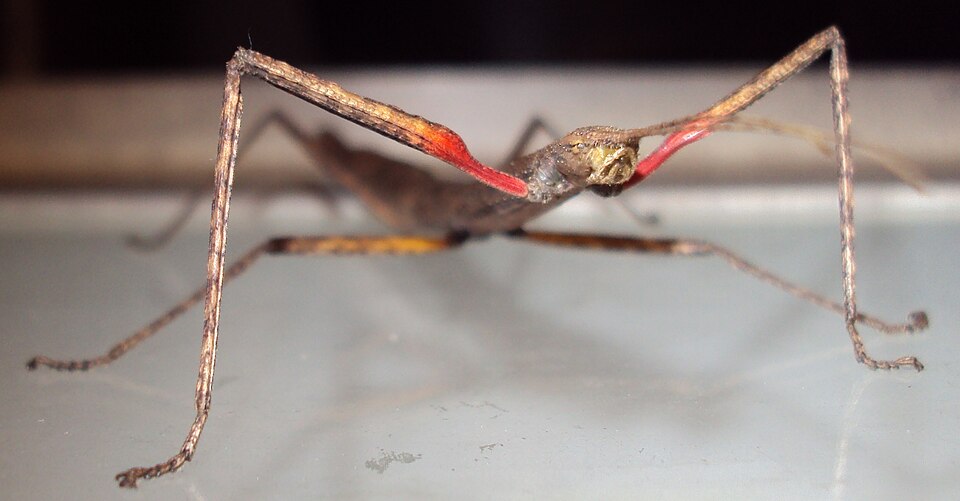
According to the AES, you need to be very careful when handling stick insects. The Indian stick insect is one of the hardy species, but not all species are. Some species' legs come off very easily, some can pinch or bite with their spiny legs, and the chemical that some species spray in self-defense can cause temporary blindness and severe pain, even in an adult. That's why the AES wants you to find out exactly which species it is before you get one.
According to UC IPM, when an Indian stick insect is handled roughly, it opens its front legs and flashes the bright red patches on their inner surfaces to try to startle its enemy. If you see these patches, your insect may be feeling threatened; gently put it back.
Eggs without mating: parthenogenesis
According to the AES, the Indian stick insect is a parthenogenetic species: females lay unfertilized eggs, and these eggs hatch into more females. According to UC IPM, females drop their eggs at random while feeding or resting. The eggs look like seeds: oval and grayish brown, with a small, light-colored cap. They look a lot like the insect's droppings, although droppings have a slightly rougher surface. According to UC IPM, the eggs hatch in about 10–12 weeks at room temperature; the AES says this can take anywhere from two months to a year depending on the species.
So even if you have just one stick insect, eggs will sooner or later build up on the floor of the enclosure. If you want new young, the AES explains that the eggs can be left on the enclosure floor, or collected during cleaning and kept in separate containers in a warm place and misted now and then; you need to check them every day and remove any that go moldy.
According to UC IPM, the Indian stick insect was first officially recorded in California in 1991, and today it lives in the wild in coastal areas. The reason: escaped insects and eggs thrown outside. Because the eggs look like droppings, they're easy to miss during cleaning. UC IPM recommends:
- Put cage waste in a bag, seal it tightly and freeze it for about a week, then throw it away.
- Never dump cage waste in your garden, in a plant pot or in the wild.
- Never release these insects, or any other exotic insects, into the wild.
You can use the ready-made invertebrate tasks in Tüylüm's Today tab (Water dish / humidity, Terrarium cleaning) and add tasks of your own, such as "Fresh leaves"; everyone in your Home sees the same list. When you go on vacation, you can use the Pet sitter note to share where to pick leaves and how to dispose of the waste in a single message.
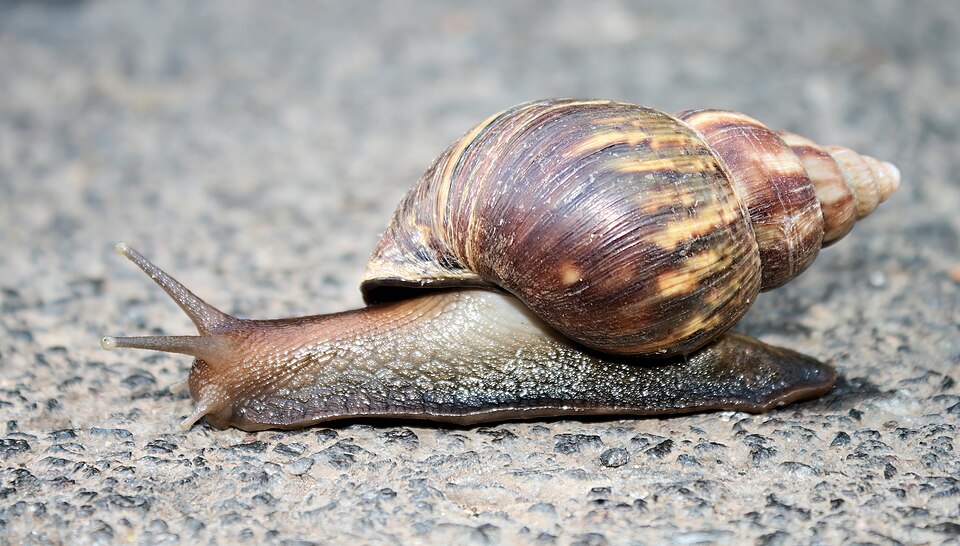
Our other invertebrate guides: Invertebrates. Another pet that comes with a similar responsibility when it comes to eggs: the giant African land snail.
Frequently asked questions
My stick insect lost a leg. Will it grow back?
According to the AES, stick insects can only regrow a lost leg at their next molt; because adults no longer molt, the leg won't grow back in an adult. Make sure the enclosure isn't crowded and handle your insect gently.
I only have one stick insect. Will it still lay eggs?
Yes. According to the AES and UC IPM, Indian stick insect females lay eggs without mating, and young hatch from these eggs. Only throw cage waste away after bagging and freezing it, as UC IPM recommends.
Should I wash the leaves?
The AES recommends washing leaves picked along busy roads because of traffic fumes. According to the RVC, the most important thing is that the leaves haven't been sprayed; never use a plant you're not sure about.

Keep track of your pet's care in TüylümLog vet visits, vaccine and medication dates, and we'll remind you when it's time. Share it all with your family in Home.
Sources
- Amateur Entomologists' Society · Stick insects caresheet
- UC IPM (University of California) · Indian Walking Stick, Pest Notes 74157
- Royal Veterinary College (RVC) · Invertebrate vet services
By Tüylüm · Published and last checked: October 24, 2026. Spotted a mistake? Write to [email protected] and we'll fix it right away. Photos are from Wikimedia Commons, used under the license shown below each photo.