Live food safety: what to know when feeding tarantulas and praying mantises
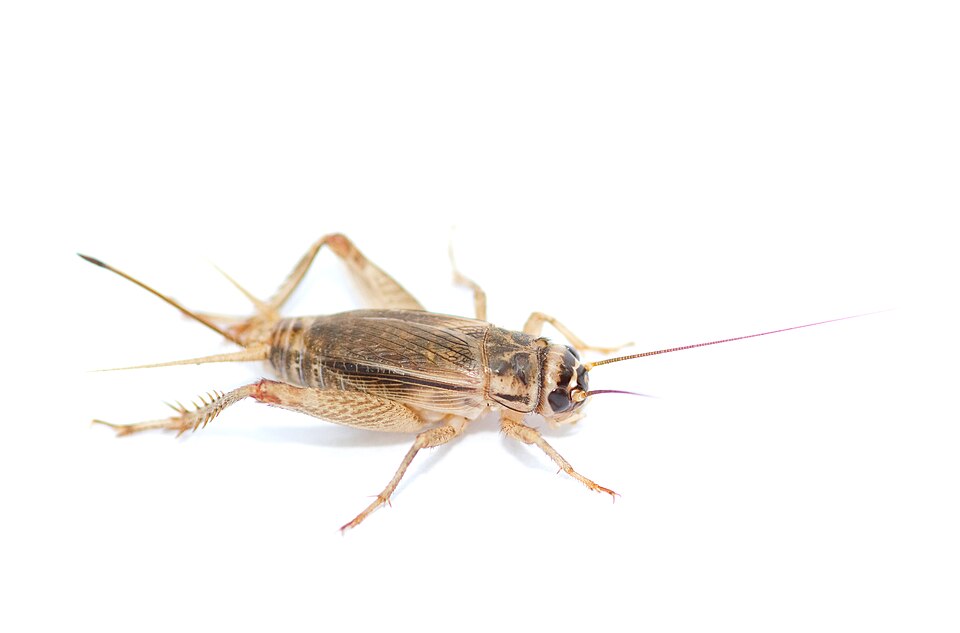
If you keep a predatory invertebrate, the food you drop into its tank isn't just a meal; it's a living animal with behaviors of its own. According to the Amateur Entomologists' Society (AES), crickets, locusts and cockroaches left uneaten in the tank can chew a praying mantis's legs or wings. They can disturb a molting tarantula, and even nibble on it while it's defenseless. In short, this is a small world where the prey can hurt the predator too. A few simple rules go a long way toward reducing these risks.
- The right size: According to the University of Kentucky, prey should be no bigger than half the tarantula's body length.
- Remove what isn't eaten: Take out prey that hasn't been eaten within about an hour (University of Kentucky); don't leave prey in a praying mantis's tank (AES).
- No live prey during a molt: When a tarantula stops eating, remove any live prey from the tank (AES).
- Varied, captive-bred food: The RVC recommends a variety of captive-bred invertebrates to prevent nutritional deficiencies.
- Look after your feeder insects too: Enough space, the right temperature and humidity, food and water (AES).
Why is live food risky?
In the tank, predator and prey share the same small space. According to the AES care sheets, these are the risks:
- Praying mantis: Uneaten crickets, locusts and cockroaches can chew a praying mantis's legs or wings.
- Tarantula: Live prey can disturb a tarantula that is preparing to molt or is molting, and can even nibble on it while it's defenseless.
- Hungry feeder insects: According to the AES, crickets that aren't fed enough attack each other.
Choose the right food
The Royal Veterinary College (RVC) recommends a variety of captive-bred invertebrates for tarantulas: different species of cricket, locusts, flies, fruit flies for young spiders, and small amounts of wax moth larvae. The AES gives a similar list for praying mantises.
| Animal | Foods the sources mention |
|---|---|
| Young tarantula | Fruit flies (RVC); very small "pinhead" crickets for spiderlings (University of Kentucky) |
| Adult tarantula | Cricket species, locusts, flies; small amounts of wax moth larvae (RVC, AES) |
| Young praying mantis | Fruit flies, aphids and other small insects (AES) |
| Large praying mantis | Flies, locusts, crickets, cockroaches (AES) |
According to the RVC, mealworms have low nutritional value and burrow into the substrate, so they generally aren't recommended for tarantulas. The RVC also advises against foods such as meat and pinkie mice because of the risk of obesity and other health problems.
How much, how often?
The amount depends on your pet's species, size and age. Here are the examples the sources give:
- Medium-sized tarantula: According to the AES, a tarantula with a body length of 3–4 cm eats 2–3 crickets a week. It won't overeat; uneaten food may mean you're overfeeding or that a molt is coming.
- Beginner species: The University of Kentucky recommends 3–5 crickets at a time, once or twice a week, for species such as the Chilean rose tarantula.
- Young praying mantises: According to the AES, they do well when given as much food as they can eat; they can also survive a period without food.
For praying mantises, the AES says some species can attack prey as large as themselves. For tarantulas, the University of Kentucky's "half the body length" rule is a good guide.
Remove uneaten food
- Offer the food and watch: Make sure the prey suits your pet's size.
- The one-hour rule: According to the University of Kentucky, if your tarantula doesn't eat within about an hour, remove the prey and try again a few days later.
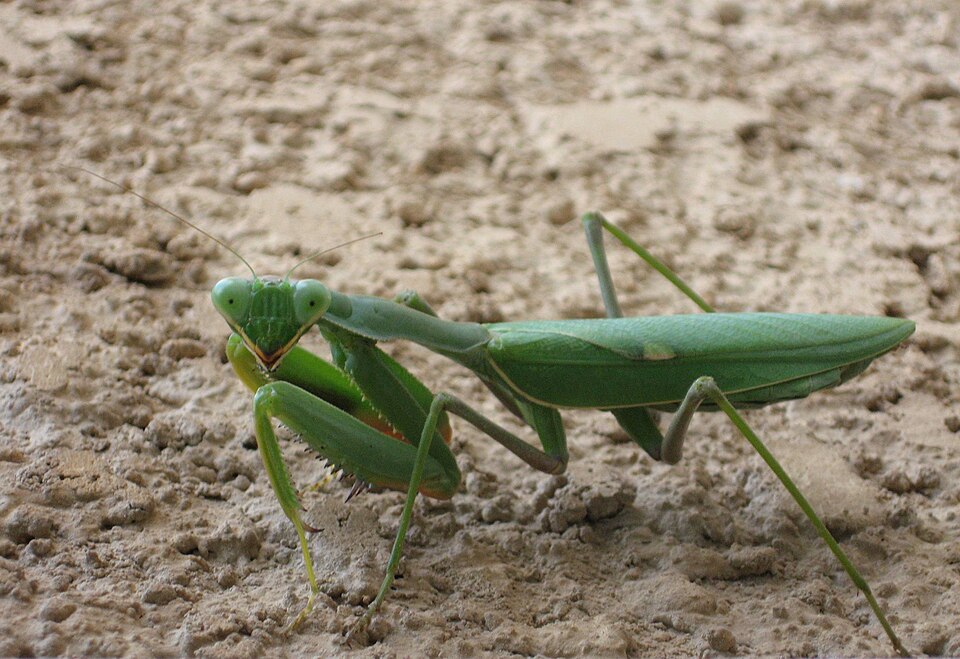
- For praying mantises: According to the AES, always remove uneaten insects, especially locusts, crickets and cockroaches.
- If it has stopped eating: In a tarantula, this can be a sign of an upcoming molt; according to the AES, remove any live prey from the tank right away.
- Keep a record: Note when and how much it eats; you'll spot changes more easily.
Molting: no live food
According to the AES, the signs of an upcoming molt in a tarantula are a darkening of its color and a refusal to eat. The tarantula usually turns onto its back and lies motionless for hours; it shouldn't be disturbed during this time. The AES recommends waiting about 7–10 days after the molt before feeding again, so the new exoskeleton can harden. More details: tarantula care.
Praying mantises also molt as they grow. According to the AES, humidity is important during molting, and the distance from the top of the branch the mantis hangs from down to the floor of the tank should be at least four times the mantis's length. Don't leave any live prey in the tank that could disturb it during this time.
Caring for feeder insects
The AES pages on tarantulas and praying mantises make the same point: the animals you keep as food also need enough space, the right temperature and humidity, and access to food and water. According to the AES care sheet on crickets:
- Container: An aquarium with a tight-fitting lid and ventilation holes covered with fine mesh. The lid stops the crickets from jumping out and escaping.
- Hiding places: Egg cartons, toilet paper rolls or upside-down paper cups.
- Temperature: According to the AES, room temperature (20 °C / 68 °F) is acceptable, but about 30 °C (86 °F) is ideal for most species.
- Food: Rolled oats plus fresh fruit and vegetables. Remove fruit before it gets moldy.
- Water: A shallow dish with cotton wool in it; replace the cotton wool as it gets dirty.
- Feed them enough: Hungry crickets attack each other.
Well-fed feeder insects kept in clean conditions also make a better meal for your predatory pet.
Don't release extra feeder insects, or ones you no longer need, into your garden or the wild. UC IPM, the University of California's pest management program, asks in its guide to the Indian walking stick that these insects, or any other exotic insects, never be released into gardens or the wild. It also recommends putting cage waste in a bag, sealing it, freezing it for about a week and only then throwing it away. We explain how this same problem played out with stick insects in our stick insect care guide.
Tüylüm's Today tab has a ready-made weekly Food task for invertebrates; everyone in your Home sees the same list, so it's always clear whether the food has been given. With Food & litter supplies you can track when your stock of feeder insects will run out. When you go on vacation, use the Pet sitter note to share rules like "remove uneaten prey after an hour" in a single message.
Our other invertebrate guides: Invertebrates.
Frequently asked questions
My tarantula didn't eat the cricket I gave it. Can I leave it in the tank?
According to the University of Kentucky, you should remove prey that hasn't been eaten within about an hour and try again a few days later. According to the AES, uneaten food may mean you're overfeeding or that a molt is coming, and live prey in the tank during a molt is dangerous.
My tarantula hasn't eaten for weeks. Should I worry?
According to the AES, tarantulas can go weeks without food but die quickly without water, so make sure the water dish is always full. Not eating can be a sign of an upcoming molt. If you notice any other changes, ask a vet who works with exotic animals.
Is it harmful to feed mealworms?
According to the RVC, mealworms have low nutritional value and tend to burrow into the substrate, so they generally aren't recommended for tarantulas. A varied diet helps prevent nutritional deficiencies.

Keep track of your pet's care in TüylümLog vet visits, vaccine and medication dates, and we'll remind you when it's time. Share it all with your family in Home.
Sources
- Amateur Entomologists' Society · Tarantula caresheet
- Amateur Entomologists' Society · Praying mantids caresheet
- Amateur Entomologists' Society · Crickets caresheet
- Royal Veterinary College (RVC) · Tarantula care (PDF, December 2024)
- University of Kentucky Department of Entomology · Exotic Bugs: Care and Feeding
- UC IPM (University of California) · Indian Walking Stick, Pest Notes 74157
By Tüylüm · Published and last checked: October 24, 2026. Spotted a mistake? Write to [email protected] and we'll fix it right away. Photos are from Wikimedia Commons, used under the license shown below each photo.