Frogs in your garden and in the wild: how to help, and what never to do
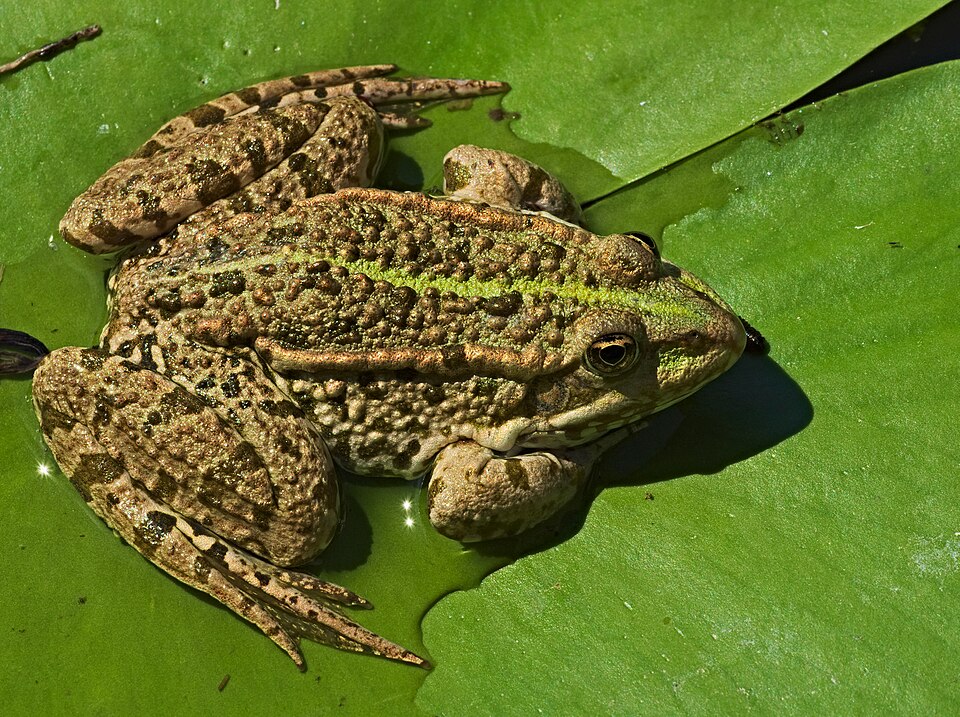
Frog calls rising from a pond while you sit in the garden on a spring evening. Or a little frog hopping through the grass after the rain. Frogs live much closer to us than we think: according to Froglife, amphibians spend most of their lives on land and are sometimes found in gardens hundreds of meters from the nearest water. If you want to help them, the good news is that what you need to do is simple. What really matters is knowing that some well-meant actions, such as moving frogspawn to another pond, can harm them.
- Build a pond and leave the rest to them: According to Froglife, amphibians usually find a new pond on their own.
- Don't move frogspawn or tadpoles: Moving animals and their eggs between ponds can spread disease and invasive plants.
- Don't put fish in the pond: Fish eat frogspawn and tadpoles; according to the University of Exeter, non-native fish make a frog disease worse.
- Cut back on garden chemicals: Slug pellets and weedkillers weaken frogs' immune systems.
- Never release a pet amphibian into the wild: It can carry disease even if it looks healthy.
A frog-friendly pond
According to Froglife, the best way to attract amphibians to your garden is to build a pond, because amphibians need ponds to breed. Don't worry if you don't have a big garden: according to Froglife, even tiny ponds and bog gardens are used by local wildlife.
- Size: For breeding amphibians, Froglife recommends ideally at least 2 x 2 meters.
- Depth: Have a section at least 60 cm deep in the middle of the pond; according to Froglife, amphibians can rest on the bottom here in icy weather.
- Edges: According to Froglife, the most important thing is gently sloping edges and shelves for plants, so animals can get in and out of the water easily.
- No paving stones: Froglife recommends avoiding paving stones that run right up to the water's edge; young amphibians just leaving the water can get stuck on these stones in hot weather and die.
- Native plants: According to Froglife, a mix of native plants that grow in the water, on the surface and around the edge is best. Don't add non-native species such as water hyacinth; according to Froglife, these can be very invasive.
- Rainwater: If you need to fill the pond, Froglife recommends using rainwater instead of tap water.
If space is even tighter, Froglife suggests a mini pond: a washing-up bowl, half a barrel or an old sink can be sunk into the ground or set out in the garden. Lay gravel and logs around the edge so animals can get in, and put plants and stones inside so they can get back out.
According to Froglife, compost heaps and log piles are also very valuable in a frog-friendly garden. Amphibians spend the winter in ponds, compost heaps, log and rock piles, and even in sheltered spots under sheds or decking.
Ponds and fish don't mix
According to Froglife, fish are voracious predators of frogspawn and tadpoles; even small fish can cause problems by competing with tadpoles for food. That's why Froglife recommends not putting fish in a wildlife pond. If you want to keep fish, build a separate pond.
Research from the University of Exeter adds one more reason: ranavirus, a disease that has killed thousands of frogs, is more severe in ponds that contain non-native fish. The researchers ask that non-native species such as goldfish not be put in ponds.
Leave frogspawn and tadpoles where they are
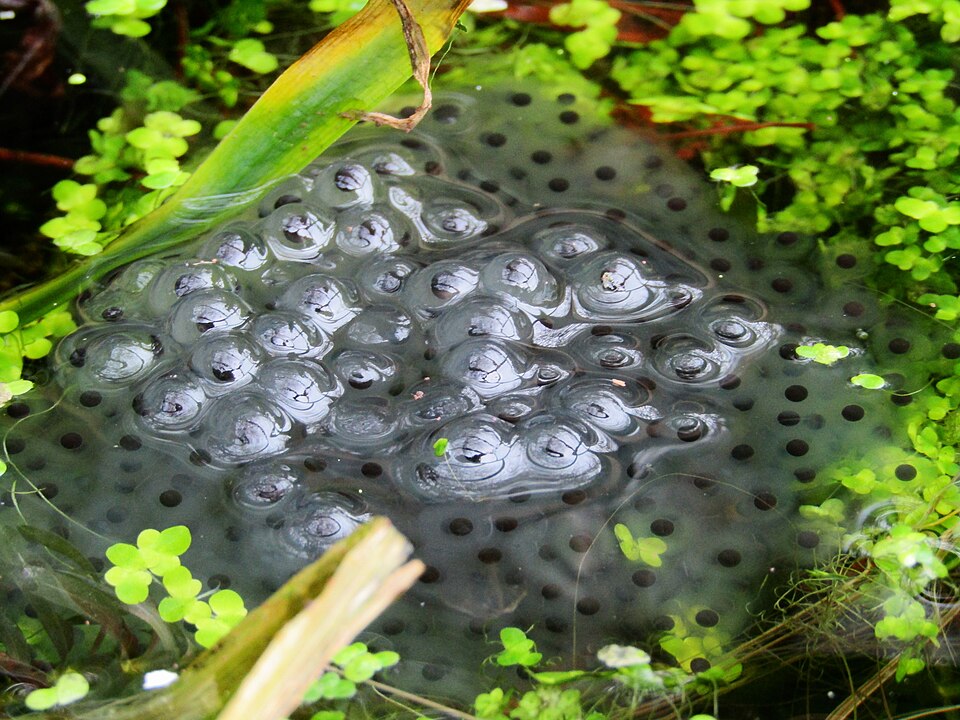
If there are no frogs in your pond, it may be tempting to bring frogspawn from somewhere else. Froglife is against this: by moving frogspawn, you can unknowingly move diseases and invasive pond plants. Researchers at the University of Exeter also ask that fish, frogspawn, water plants and pond ornaments not be moved from one pond to another.
- Be patient: According to Froglife, it can take two years or more for amphibians to discover a pond.
- They'll come on their own: According to the Freshwater Habitats Trust, amphibians colonize new ponds naturally, often surprisingly quickly.
- Crowds are normal: According to Froglife, it's completely natural for a pond to fill up with frogs in spring; they disperse within a few weeks. Don't move them elsewhere.
- Pond maintenance: Froglife recommends saving pond work for the time of year when the fewest amphibians are around, which in the UK is late fall, and carefully checking the water with a net before you start.
The invisible threat: amphibian diseases
Diseases explain why everything moved between ponds matters so much.
- Ranavirus: According to the University of Exeter, it causes internal bleeding and severe skin sores in amphibians, leading to the loss of limbs and often death. It's thought to have entered the UK through the pet trade.
- Chytrid fungus (Bd): According to Amphibian Ark, 80% of the amphibian extinctions recorded since the 1980s have been caused by outbreaks of this fungus; Bd now directly threatens 600 species.
- Bsal: According to the Freshwater Habitats Trust, a new species of chytrid fungus that kills salamanders and newts is rapidly reducing populations in parts of Europe. It's thought to have spread through the international amphibian trade.
The Freshwater Habitats Trust's warning is important: an animal that looks healthy can also be a carrier of disease. That's why all amphibians need to be treated carefully, as if they could be sick.
Never release a pet amphibian into the wild
Releasing a frog, salamander or axolotl you've kept at home into the wild "so it can be free" may seem like a good idea. It isn't.
- According to the Freshwater Habitats Trust, no pet amphibian, native or non-native, should be released into the wild.
- According to the CDC, most reptiles and amphibians released outdoors die, and some can harm native wildlife.
- According to the Freshwater Habitats Trust, pet amphibians shouldn't be kept in outdoor enclosures either; even if they look healthy, they can pass diseases on to wild amphibians.
- Don't pour aquarium or terrarium water into the wild either. According to the Freshwater Habitats Trust, this water should be disinfected and poured only down a drain connected to the sewer system; the CDC also recommends pouring tank water down the toilet.
If you have an amphibian you can no longer care for, the CDC recommends finding it a new home by contacting a pet store, a local animal rescue group, or an aquarium or zoo. The CDC also recommends not catching wild amphibians to keep as pets.
If you find a frog in your garden
Froglife's answer is reassuring: if the animal isn't in danger, there's no need to move it or do anything for it. If it's stuck by a path or in a corner where you're working, put it somewhere suitable nearby, such as a compost heap, under a shed or among dense plants; according to Froglife, this place doesn't need to be a pond.
If possible, don't touch it; if you really do need to move it, we explain how in our article on handling amphibians.
Cut back on garden chemicals
According to the University of Exeter's research, ranavirus disease is more severe in places where garden chemicals are used. According to the researchers, slug pellets and weedkillers weaken frogs' immune systems, so the use of garden chemicals should be reduced or stopped altogether. According to Froglife, the most valuable corners of a garden for amphibians are areas that stay damp, offer places to hide and are rich in insects and slugs. In other words, a chemical-free garden is both safe for frogs and full of food for them.
If you keep amphibians at home, here are our other articles: Amphibians.
Frequently asked questions
Can I bring frogspawn to my pond from somewhere else?
Froglife and the Freshwater Habitats Trust don't recommend it; diseases and invasive plants can travel along with the frogspawn. Make your pond frog-friendly and wait. According to Froglife, it can take two years or more for a pond to be discovered.
Can a frog in the garden harm my dog or cat?
According to Froglife, most likely not. The common toad, which is widespread in the UK, releases a toxin from the glands on its back that tastes bad to predators; very rarely, a pet can have an allergic reaction to it. If this happens, call your vet right away.
What should I do with a pet frog I can no longer care for?
Never release it into the wild. According to the CDC, most released amphibians die, and some can harm native wildlife. Find it a new home by asking a pet store, an animal rescue group, or an aquarium or zoo.

Keep track of your pet's care in TüylümLog vet visits, vaccine and medication dates, and we'll remind you when it's time. Share it all with your family in Home.
Sources
- Froglife · Creating or improving ponds (FAQ)
- Froglife · Frogs & toads: in my garden (FAQ)
- University of Exeter · Frogs face virus risk in garden ponds (2015)
- Freshwater Habitats Trust · Protecting native amphibians from invasive disease
- Amphibian Ark · Threats to amphibians: chytrid fungus
- CDC · Reptiles and Amphibians (Healthy Pets, Healthy People)
By Tüylüm · Published and last checked: October 24, 2026. Spotted a mistake? Write to [email protected] and we'll fix it right away. Photos are from Wikimedia Commons, used under the license shown below each photo.