Tüylüm
Blog › Amphibians
Amphibians
AmphibiansAxolotls, frogs and salamanders.

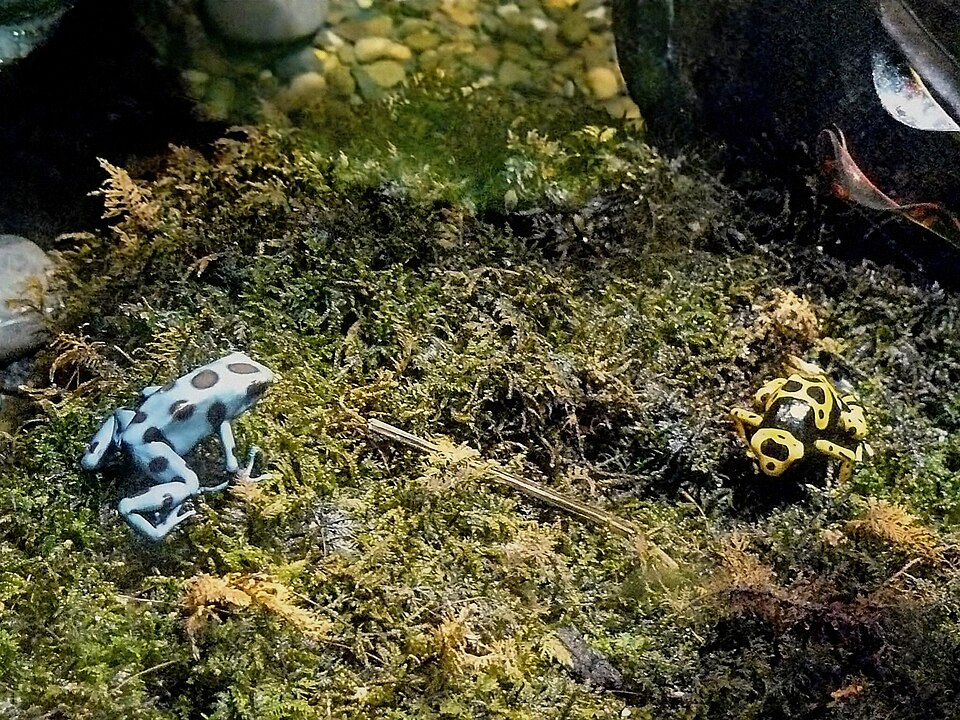
Photo: ZeWrestler · CC BY 3.0 · Wikimedia Commons

Articles
HOME SAFETYReptilesAmphibians
Reptiles and Salmonella: even a spotless-looking pet can carry germsAccording to the CDC, turtles, lizards, snakes and amphibians can carry Salmonella even when they look healthy. Handwashing, kitchen and bathroom rules, frozen feeder food, no kissing and precautions for young children.7 min read · Last checked: October 24, 2026Read →
SPECIES GUIDEAmphibians
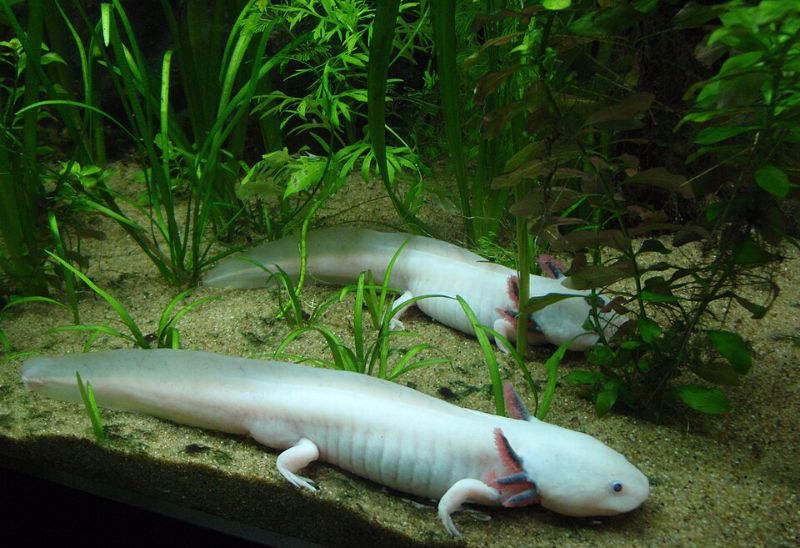
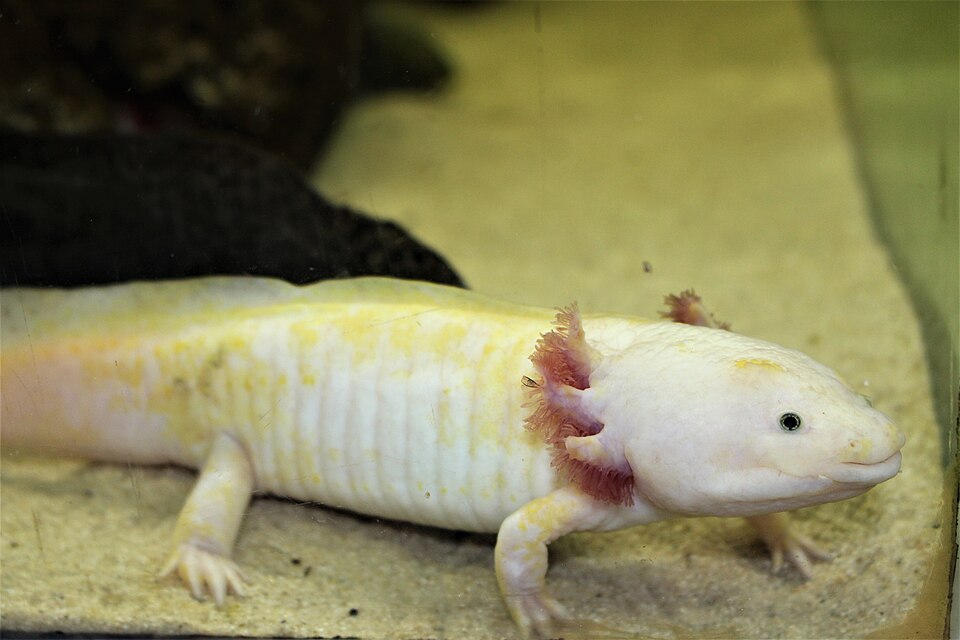
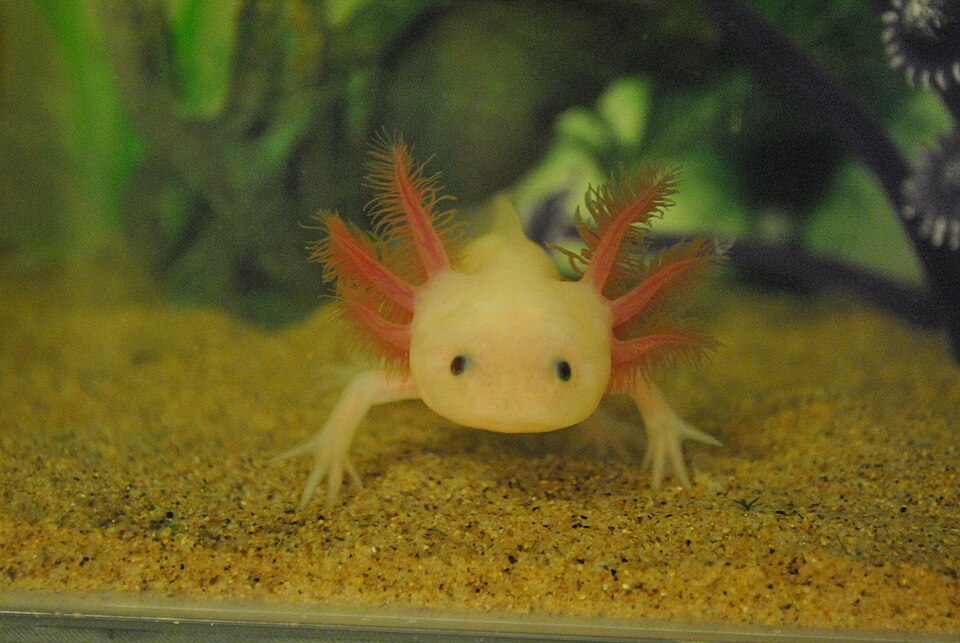
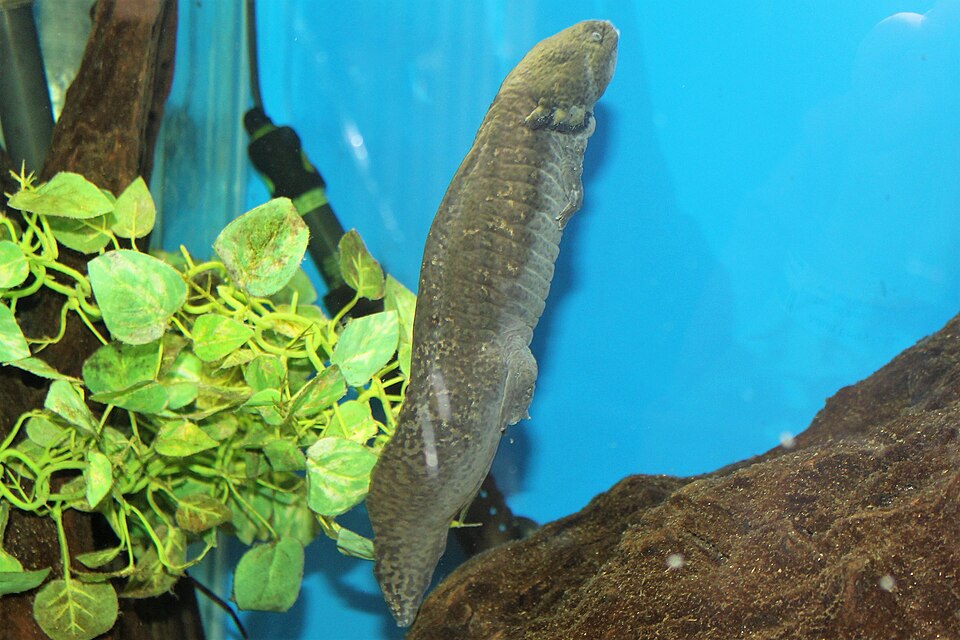
Axolotl care: cool water, a gentle current and the right substrateAxolotls don't like warm water, strong currents or gravel. Tank size, temperature, filtration, substrate, feeding and companionship: the basics of axolotl care, based on veterinary sources.9 min read · Last checked: October 24, 2026Read →
SPECIES GUIDEAmphibians
Fascinating axolotl facts: the salamander that never grows up and a body that repairs itselfA salamander that stays a larva all its life, can regrow a lost leg and lives in the wild only in Mexico. Neoteny, external gills, regeneration, color varieties and its hard life in Xochimilco.7 min read · Last checked: October 24, 2026Read →
HOME SAFETYAmphibiansReptiles
Handling amphibians: sensitive skin, clean hands and SalmonellaThe skin of a frog, salamander or axolotl can absorb residues from your hands, and they can pass Salmonella on to you. When to touch them, how to touch them and what to do afterward, based on the CDC and veterinary sources.8 min read · Last checked: October 24, 2026Read →
SPECIES GUIDEAmphibians
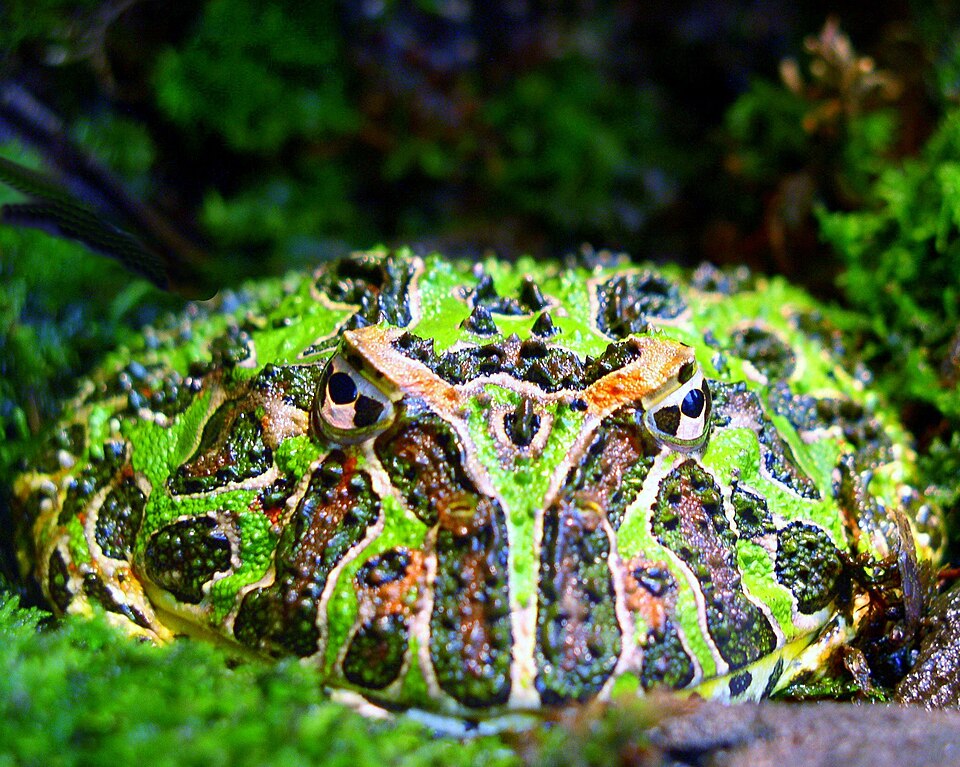
Pacman frog care: a huge mouth and a quiet lifeThe horned frog (Ceratophrys) spends its days buried in the substrate, waiting for prey to come close. Its appetite is big and its activity low. The enclosure, damp substrate, temperature, water dish, measured feeding and why it should live alone.8 min read · Last checked: October 24, 2026Read →
CAREAmphibians
Water quality for amphibians: tap water, chlorine and invisible ammoniaAn amphibian's skin absorbs water and whatever is in it. Chlorine, chloramine, ammonia and nitrite are invisible but dangerous. A simple guide to water conditioner, the nitrogen cycle, test kits, partial water changes and humidity.8 min read · Last checked: October 24, 2026Read →
WILDLIFEAmphibians
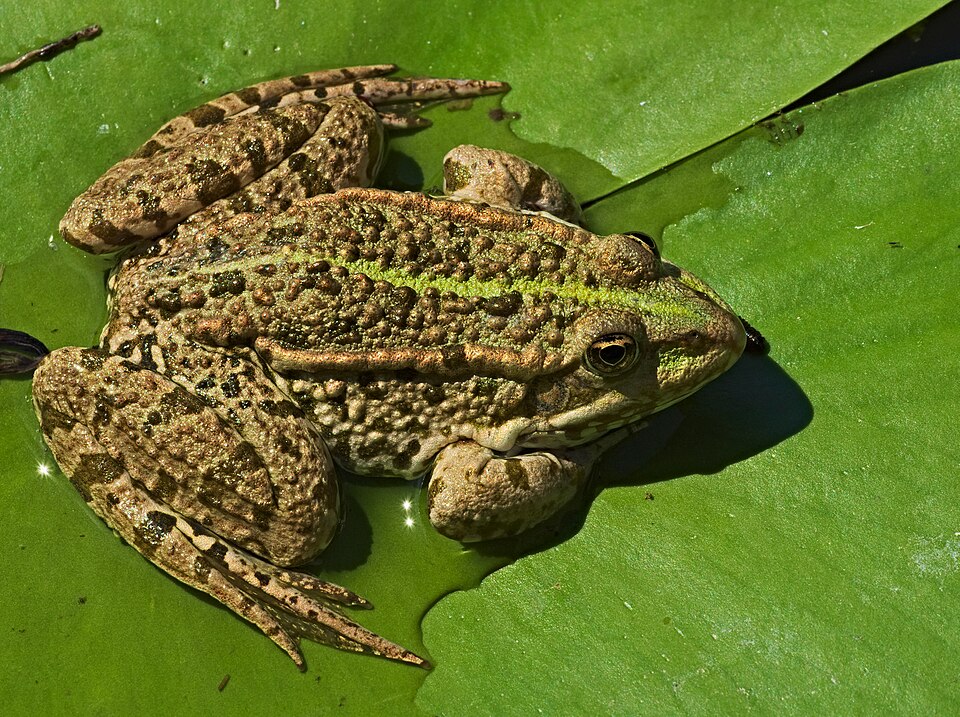
Frogs in your garden and in the wild: how to help, and what never to doA pond, a log pile and a little patience will bring frogs to your garden on their own. Moving frogspawn and tadpoles, putting fish in the pond, garden chemicals and releasing pet amphibians into the wild, on the other hand, can spread disease.8 min read · Last checked: October 24, 2026Read →
SPECIES GUIDEAmphibians
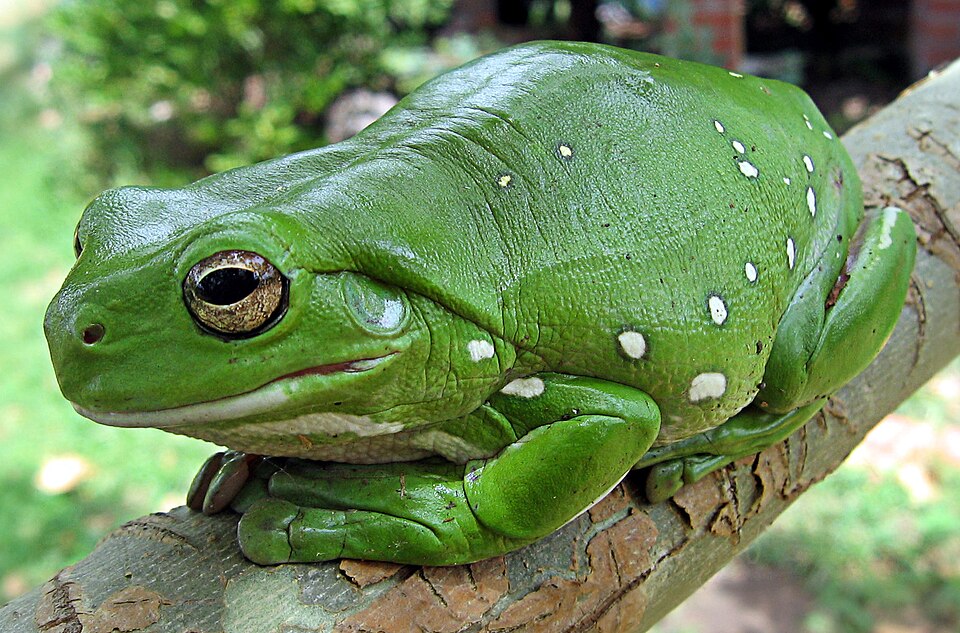
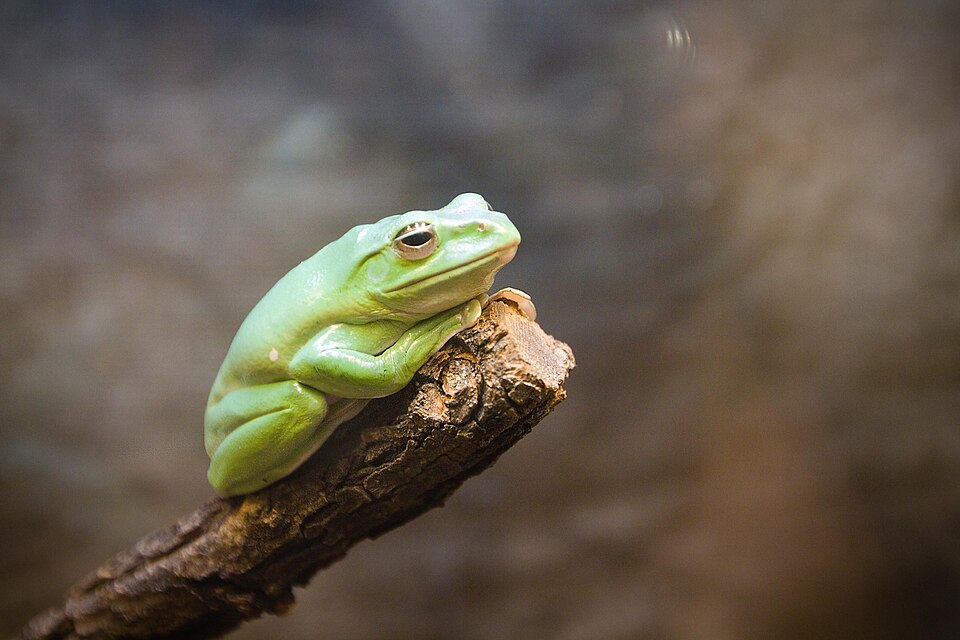
Tree frog care: a tall, humid home for White's tree frogAustralia's "smiling" green tree frog (Litoria caerulea) is a calm, nocturnal species that loves to climb. Enclosure size, branches, temperature, humidity, lighting and feeding, based on veterinary sources.9 min read · Last checked: October 24, 2026Read →
SPECIES GUIDEAmphibians
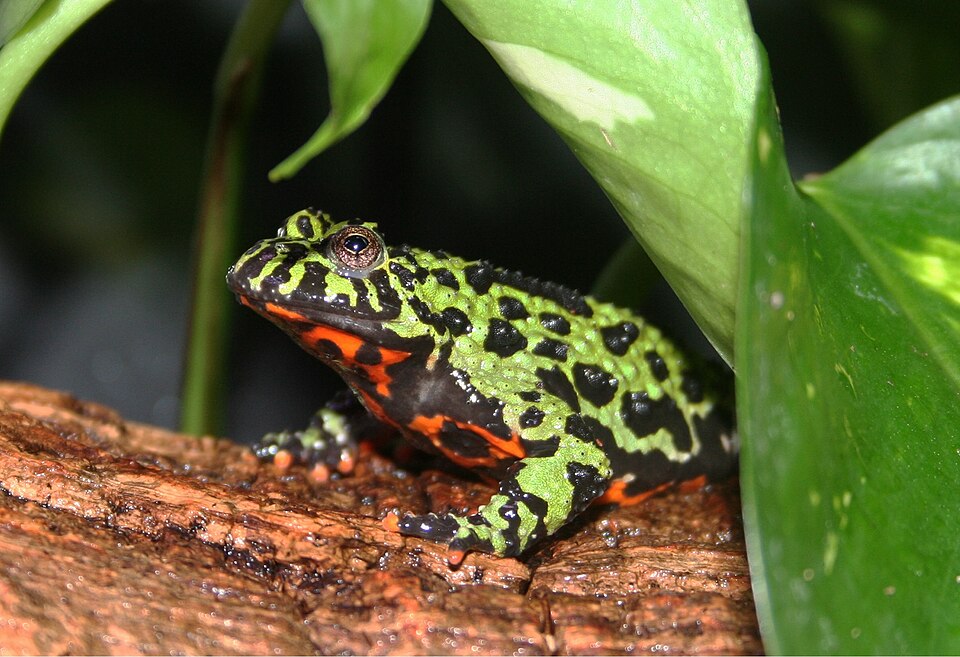
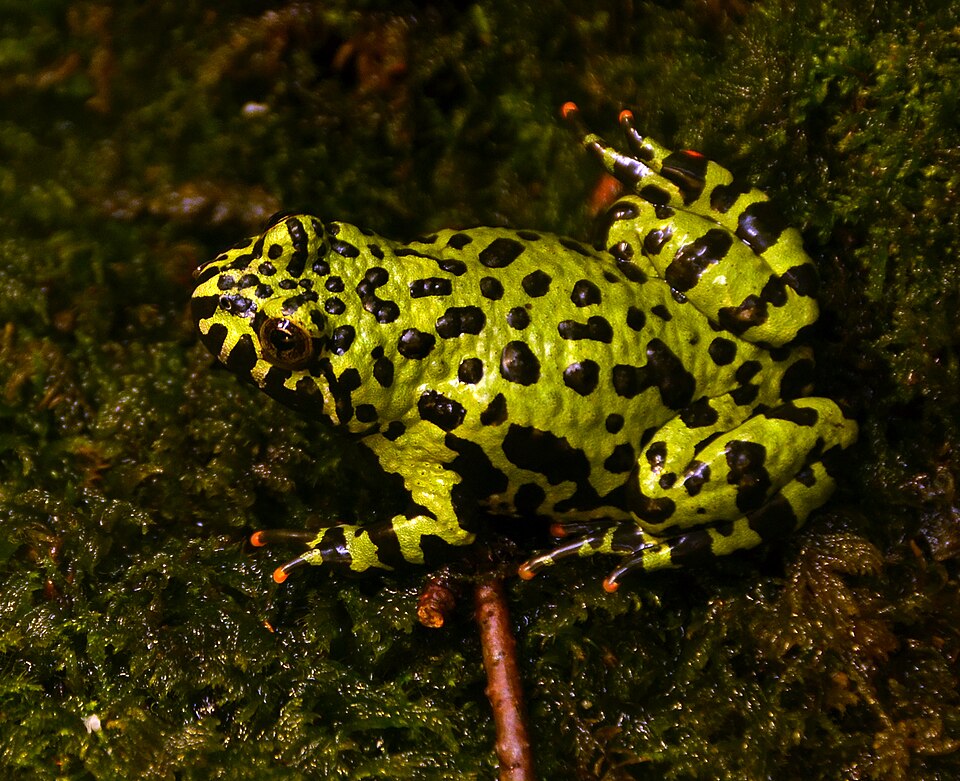
Fire-bellied toad care: a half-water, half-land home in a cool spotWith its green back and red-orange belly, the Oriental fire-bellied toad (Bombina orientalis) is active by day and a joy to watch. The tank's water and land areas, temperature, feeding, company, and why it shouldn't be handled.6 min read · Last checked: October 26, 2026Read →
SPECIES GUIDEAmphibians
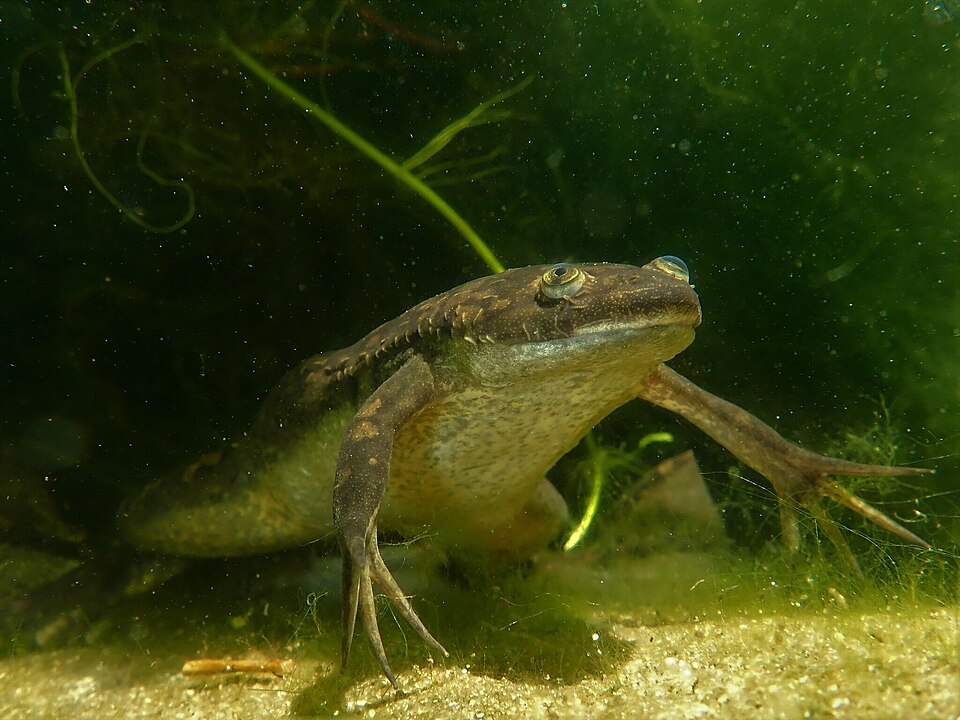
African clawed frog care: deep water, a secure lid and a quiet cornerThe African clawed frog (Xenopus laevis) normally never leaves the water and can live 10–15 years or more. Water depth, temperature, lid, substrate, feeding, company, and why it must never be released into the wild, according to the RSPCA and USGS.7 min read · Last checked: October 26, 2026Read →
SPECIES GUIDEAmphibians
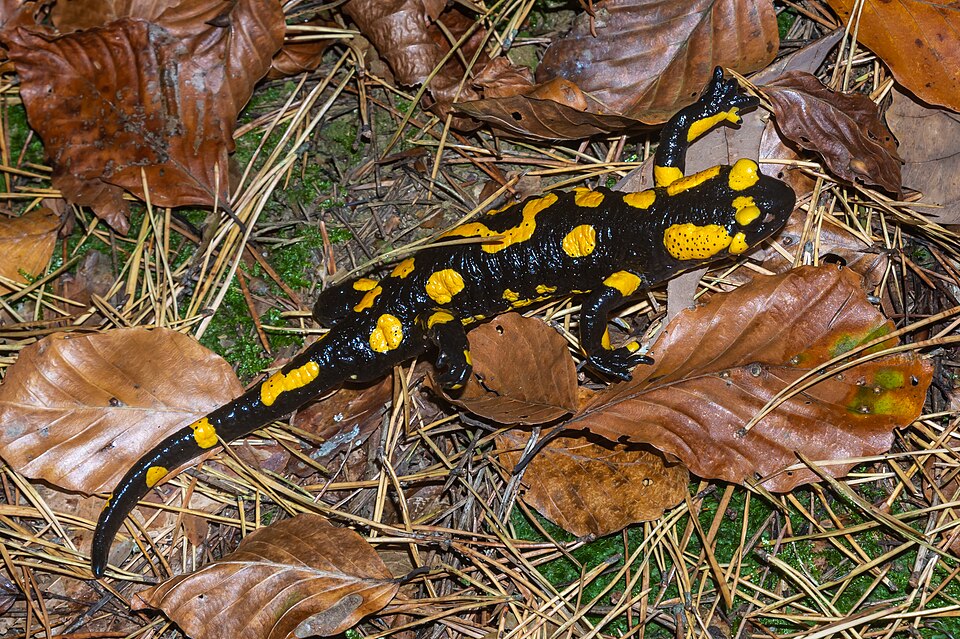
Salamander care: damp land, a shallow pool and a cool homeFire salamander, tiger salamander or newt: these tailed amphibians can live 10–20 years. Enclosure, substrate, humidity, temperature, feeding, why they should be kept alone, and why you should never bring a wild salamander home.7 min read · Last checked: October 26, 2026Read →
WILDLIFEAmphibians
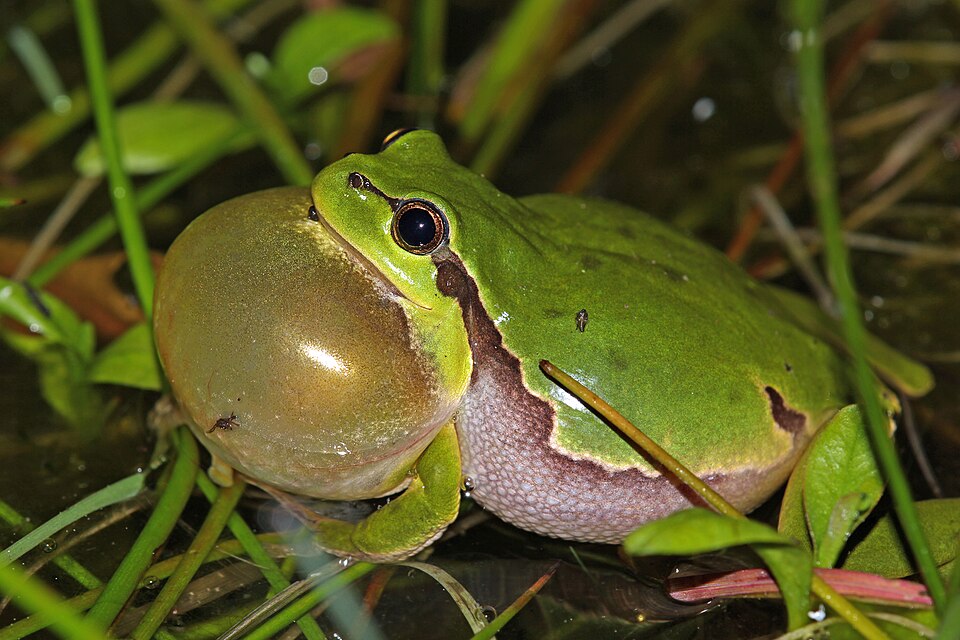
Why do frogs croak? Understanding the songs of spring nightsThat chorus rising from the pond is mostly a love song sung by males. The four kinds of frog calls, the inflating vocal sac, each species' unique sound, when frogs call, and how to listen without disturbing them.6 min read · Last checked: October 26, 2026Read →
SPECIES GUIDEAmphibians
Before you get an amphibian: 8 things you should knowFrog, salamander or axolotl: amphibians are long-lived animals that need a special setup and are meant to be watched rather than held. Lifespan, setup, costs, vets, who lives in your home, where to get one, and what to do if you can't care for it.7 min read · Last checked: October 26, 2026Read →
WILDLIFEAmphibians
Caring for a wildlife pond: what to do season by season, and what to leave aloneA wildlife pond gets by with very little care; the real job is working at the right time and a little at a time. Advice from the RHS, Froglife and wildlife charities on leaves, weed, falling water levels, ice and the big clean-out.9 min read · Last checked: October 28, 2026Read →
CAREAmphibians
Cleaning an amphibian enclosure: sensitive skin, residue-free cleaning and the right routineAn amphibian's skin can absorb chemicals from its surroundings; so it matters not only how clean the enclosure is, but also what you clean it with and how. The daily check, changing the substrate, the big clean, disinfectants, rinsing, and where your animal waits while you clean.7 min read · Last checked: October 28, 2026Read →
WILDLIFEAmphibians
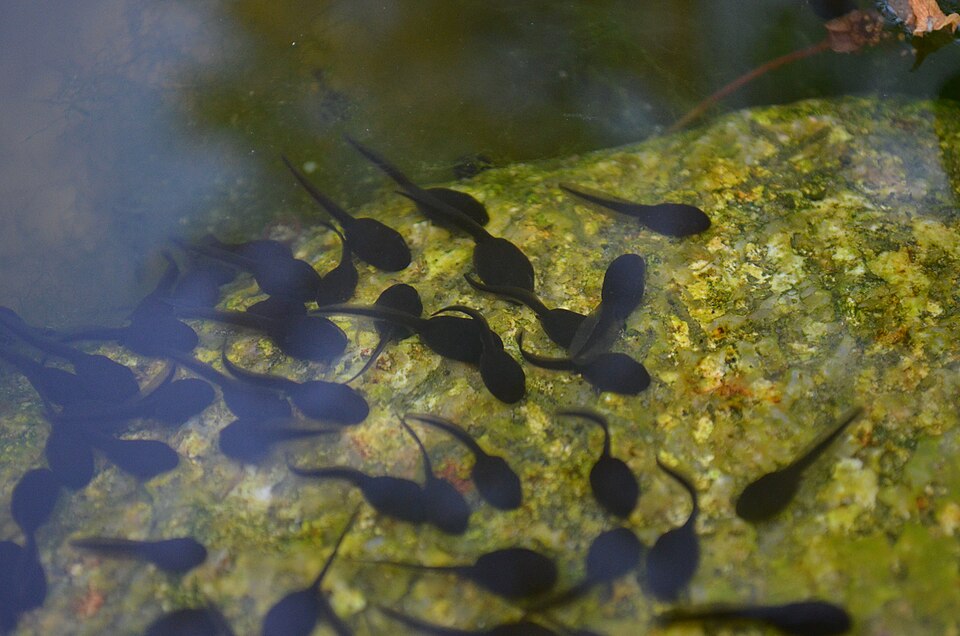
From tadpole to frog: spawn, tadpoles and metamorphosis in a garden pondFrom a jelly-like clump of eggs to tiny frogs leaving the pond a few months later. How to tell frog, toad and newt eggs apart, how tadpoles develop, and how to help your pond during this time.8 min read · Last checked: October 28, 2026Read →
What would you like to read?

If there's something you're curious about, write to us and we'll add it to the list: [email protected]

Other pets
CatsDogsBirdsRabbitsRodentsFishReptilesFerretsHedgehogsInvertebrates

Articles are for general information and are not a substitute for diagnosis or treatment. Ask your vet about any decision for your pet.