Handling amphibians: sensitive skin, clean hands and Salmonella
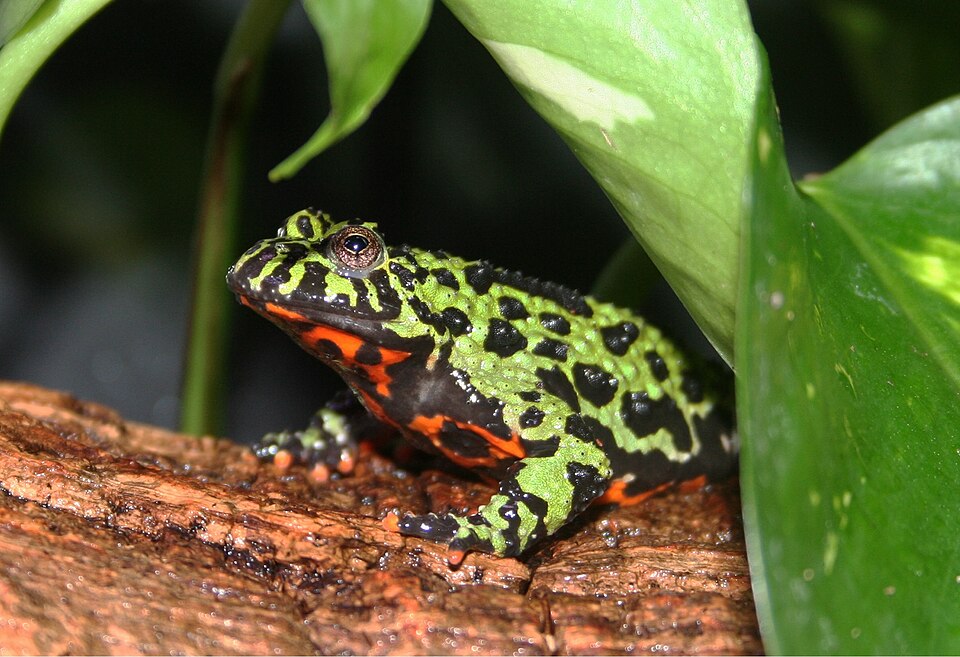
Picture a little frog sitting in the palm of your hand. For you it's an innocent moment; for the frog, it means suddenly finding itself on a surface that's warm, dry and maybe carrying the scent of your hand cream. According to the Merck Veterinary Manual, the skin of most amphibians is moist and covered in a thin layer of mucus called the "slime layer"; adult amphibians breathe through their skin as well as their lungs, which is why their skin needs to stay moist. This sensitive skin means a risk in both directions: residues on your hands can harm the animal, and the germs it carries can harm you. The good news is that a few simple habits keep you both safe.
- Touch as little as possible: According to Merck, because their skin is so sensitive, amphibians should be handled as little as possible.
- Wash and rinse your hands well first: According to Agriculture Victoria, chemicals or residues on your hands can pass to an amphibian and can even kill it.
- Gloves if needed: Powder-free, disposable gloves, moistened with the animal's own water or with dechlorinated water (Merck).
- Wash again afterward: According to the CDC, amphibians can carry Salmonella even when they look healthy; wash your hands with soap and running water.
- Young children: According to the CDC, children under 5 shouldn't touch amphibians or their habitats.
Why is amphibian skin so sensitive?
According to research compiled by Froglife, amphibian skin works as a kind of immune organ: the glands underneath produce substances that protect against germs, and the mucus layer on top acts as a physical barrier while also keeping the skin moist and flexible. According to Froglife, handling an amphibian can strip away this mucus layer; handling it with dry hands is thought to damage this layer. Some pesticides can also damage the skin's mucus.
The problem isn't just the skin. According to guidelines cited by Froglife, handling time should be kept to a minimum because the warmth of human hands also affects the animal. According to Froglife, handling causes stress; in one salamander species, repeated handling was found to reduce feeding and activity. The NSW Department of Education also says frogs generally don't respond well to handling and that it causes them stress.
According to Merck, some amphibians also release irritating toxic substances from their skin or glands. So being careful matters for you too.
When do you need to touch them?
The short answer: only when necessary. The NSW Department of Education recommends handling frogs only when needed, for example to move them to a temporary container during cleaning.
- A temporary container: The example NSW gives is moving the frog to a temporary holding container while the habitat is being cleaned or maintained. Other than that, leave the frog where it is.
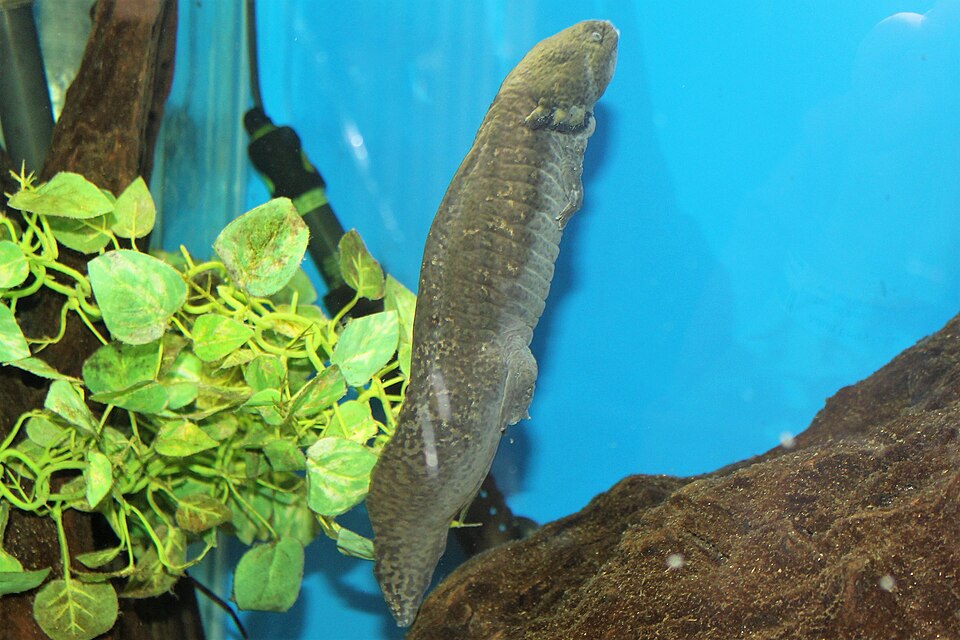
- A net for axolotls: According to the NSW Department of Education, an axolotl should be handled as little as possible and never taken out of the water, even for a moment; when it needs to be caught, use an aquarium net.
- When moving them: According to NSW, if an axolotl needs to be examined or moved, clear, watertight plastic bags half filled with water can be used; the bags should be kept in the shade so they don't warm up, and the animal should stay in the bag for as short a time as possible.
- Watching counts as attention too: NSW asks students to watch the axolotl swim, feed and breathe without catching it, and not to tap on the tank.
- More details on axolotl care: axolotl care.
Before you touch: your hands
- Wash and rinse your hands well. Agriculture Victoria asks that hands be washed thoroughly before touching an amphibian so its skin isn't irritated, because chemicals or residues on the hands can pass to the animal. Be careful not to leave any soap, cream or other residue behind.
- Don't touch if you've been smoking. According to Agriculture Victoria, smokers should never touch frogs.
- Wet your hands or gloves. Merck recommends moistening powder-free, disposable gloves with water from the animal's own habitat or with store-bought dechlorinated water. The guidelines cited by Froglife also consider wetting your hands with pond water before touching to be good practice.
- Rinse the gloves. According to the NSW Department of Education, gloves should be powder-free and rinsed before use; powder on gloves can be toxic to frogs.
- Be gentle and keep it short. According to Agriculture Victoria, amphibians should never be squeezed; too much handling can damage their skin, leave them open to bacterial infections and cause distress.
According to studies cited by Froglife, some tadpoles can be harmed by latex gloves and, to a lesser extent, by nitrile and vinyl gloves. That's why larvae should be handled either with gloves known to be safe for that species or with hands moistened with their own pond water. If possible, don't handle them at all.
After you touch: Salmonella
According to the CDC, the most common germ carried by reptiles and amphibians is Salmonella. These animals can carry Salmonella in their digestive systems and spread it even when they look healthy and clean. Agriculture Victoria also reminds you that amphibians can carry bacteria harmful to people, such as Salmonella, and that hands should be washed after touching them.
According to the CDC, the times you should wash your hands with soap and running water are:
- After feeding your pet or touching its food
- After touching its droppings or its belongings
- After cleaning its tank or aquarium
- Before eating or drinking anything
If soap and water aren't available, the CDC recommends using a hand sanitizer with at least 60% alcohol, and supervising young children when they use it. But the most important point is this: according to the CDC, you don't even need to touch the animal to get sick from these germs. Tank water, belongings and the habitat can also be contaminated with Salmonella.
Hygiene at home: the CDC's rules
These CDC recommendations apply equally to reptiles:
- No kissing, keep them away from your face: The CDC asks that amphibians and reptiles not be kissed or held close to your face.
- No roaming the house: According to the CDC, these animals shouldn't roam freely all over the house or living areas.
- The kitchen is off-limits: Keep the animal and its belongings out of the kitchen and anywhere food is prepared, stored or eaten.
- No cleaning where food is prepared: According to the CDC, the habitat and supplies should never be cleaned where food is prepared; if possible, clean them outside the house. If you can't wash them outdoors, use a laundry sink or a bathtub, then clean and disinfect that area thoroughly before anyone else uses it.
- Tank water: According to the CDC, tank water should be poured down the toilet, not the sink.
Children and at-risk groups
According to the CDC, children under 5 shouldn't touch reptiles and amphibians or their habitats, because they're at higher risk of serious illness and hospitalization from Salmonella. The CDC recommends considering a different pet if there are young children, adults 65 and older or people with weakened immune systems in the home. If someone in your family is in one of these groups, talk to your doctor and a vet before getting an amphibian.
Amphibians in the wild: look, but don't touch
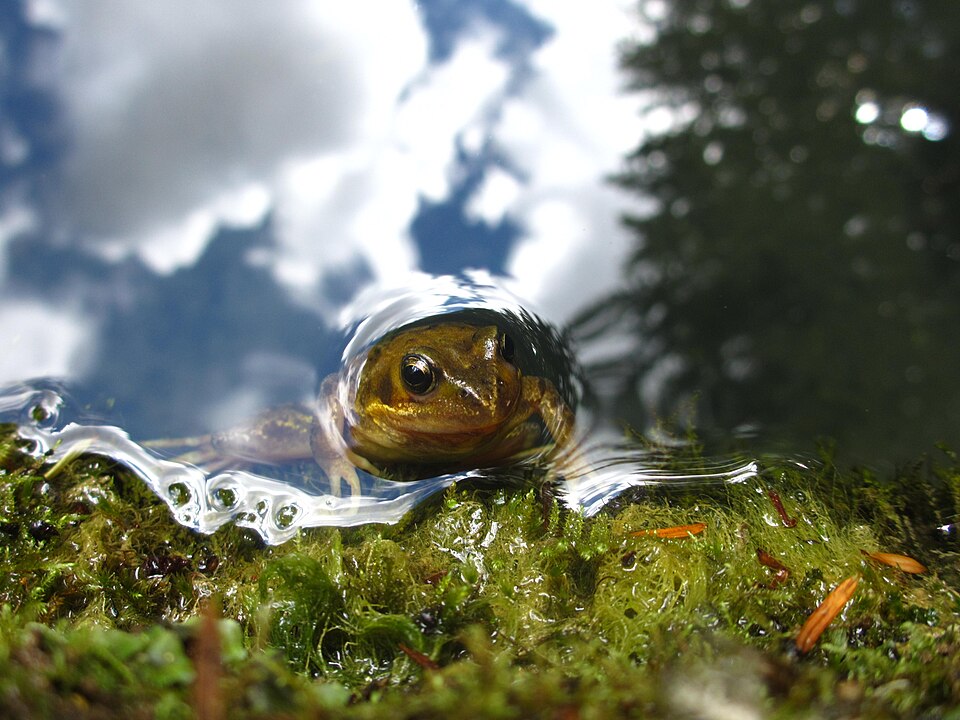
Seeing a frog in your garden or by a stream is a lovely moment. The conclusion of Froglife's article on this topic is very clear: what's best for amphibians is not to be handled at all; we should hold back our excitement and look instead of touching. If you really do need to move the animal, according to Froglife, dipping your hand first into the water it lives in does less harm. We explain how you can help wild frogs in our article on frogs in your garden and in the wild.
Our other amphibian articles: Amphibians.
Frequently asked questions
Should I use gloves or wet hands?
For pet amphibians, Merck recommends powder-free, disposable gloves moistened with the animal's own water or with dechlorinated water. If you don't have gloves, wash and rinse your hands well and wet them with the animal's own water. Either way, keep handling time short.
Can I use hand sanitizer before touching my frog?
Our sources recommend washing and rinsing your hands thoroughly before touching; the aim is to keep residues on your hands from passing to the animal. The CDC's recommendation of a sanitizer with 60% alcohol is for protecting you after you've touched the animal, when soap and water aren't available.
My child wants to pet our frog. What should I do?
According to the CDC, children under 5 shouldn't touch amphibians or their habitats. If older children are going to touch the frog, an adult should supervise, they should wash their hands before and after, and they shouldn't bring the animal close to their face.

Keep track of your pet's care in TüylümLog vet visits, vaccine and medication dates, and we'll remind you when it's time. Share it all with your family in Home.
Sources
- Merck Veterinary Manual · Introduction to Amphibians (pet owner version)
- Froglife · Bare hands, gloves or not at all – what's best for amphibians and why?
- Agriculture Victoria · Caring for your pet amphibian
- CDC · Reptiles and Amphibians (Healthy Pets, Healthy People)
- NSW Department of Education · Green Tree Frog – handling
- NSW Department of Education · Axolotls – handling
By Tüylüm · Published and last checked: October 24, 2026. Spotted a mistake? Write to [email protected] and we'll fix it right away. Photos are from Wikimedia Commons, used under the license shown below each photo.