Water quality for amphibians: tap water, chlorine and invisible ammonia
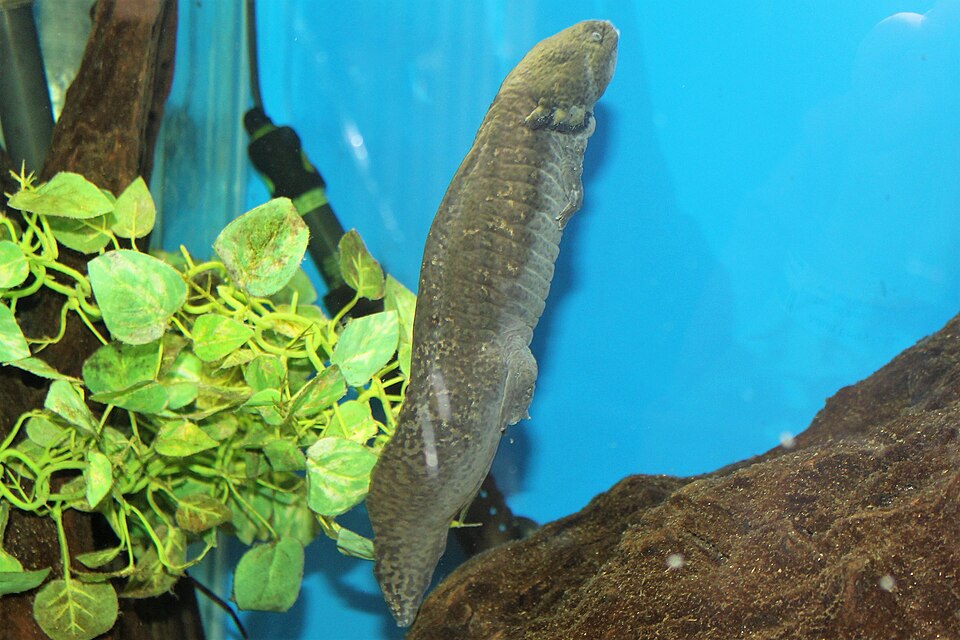
The tank water sparkles, and the axolotl is sitting on the bottom as usual. But the real dangers in the water can't be seen. According to UF/IFAS, ammonia is colorless and odorless even at toxic levels; the only way to know it's there is to test the water. This matters even more for amphibians, because according to the Merck Veterinary Manual, amphibian skin absorbs water easily, and so it absorbs the toxic substances in the water too. Whether you keep a frog, a salamander or an axolotl, the rule is the same: water is both these animals' home and everything that passes into their bodies through their skin.
- No tap water straight from the tap: The chlorine and chloramine in it harm amphibians; use a water conditioner (dechlorinator).
- No pure water either: According to Merck, distilled water should never be used for amphibians; according to NSW, reverse osmosis water can also be too pure.
- A new tank has to wait: It takes weeks for the bacteria that clear ammonia to become established.
- Test once a week: Merck recommends measuring temperature, pH, hardness, ammonia, nitrite and nitrate once a week.
- Partial water changes: According to the sources, about 10–25% of the water is changed each week, with water prepared at the same temperature.
What does clean water mean for an amphibian?
According to Merck, an amphibian's water should be free of chlorine, ammonia, nitrite, pesticides and heavy metals. According to the NSW Department of Education, untreated tap water can harm amphibians because of chemicals it contains, such as chlorine, fluoride and copper, and should never be used.
Water doesn't just mean the water in the tank. The water dish of a frog that lives on land, the water you mist into the terrarium, and even the water in the container where you keep the animal while cleaning should all follow the same rules.
Tap water: chlorine and chloramine
Chlorine, which is used to clean drinking water, is a problem for amphibians. According to the RVC, the chlorine in tap water is harmful to axolotls, and there are two ways to deal with it: either use a water conditioner, or let the water stand for 24 hours before putting it in the tank, so the chlorine evaporates.
But letting it stand isn't always enough. According to the RVC, if you live in an area where chloramine is added to the water, a water conditioner is a must. Merck also recommends that tap water containing chloramine first be treated with special dechlorinating products and then filtered. If you don't know whether your city's water contains chloramine, don't rely on letting it stand; use a water conditioner.
- According to Merck, distilled water shouldn't be used in an amphibian's habitat or when handling one.
- According to NSW, water filtered by reverse osmosis (RO) can be too pure and can lead to the amphibian's death.
- According to NSW, axolotls should never be kept in overly soft or distilled water.
- According to Merck, if you're going to use bottled water, read the label carefully, and test the water if you're unsure.
The invisible danger: ammonia and the nitrogen cycle
As the animal's droppings, urine and uneaten food break down, ammonia gets into the water. According to UF/IFAS's guide for fish systems, there's a natural process that clears ammonia from the water: the nitrogen cycle. In simple terms, it works like this:
- Ammonia forms. According to UF/IFAS, the more food there is, the more ammonia there is; rotting leftover food also adds to the ammonia.
- Bacteria turn ammonia into nitrite. A group of beneficial bacteria living in the filter does this job. Nitrite is toxic too.
- Other bacteria turn nitrite into nitrate. According to UF/IFAS, nitrate is far less toxic.
- Nitrate is removed through partial water changes. According to UF/IFAS, nitrate builds up in closed systems, and water changes are needed to remove it.
These bacteria take time to become established. According to UF/IFAS, it takes 6–8 weeks for a new biological filter to build up enough bacteria to reduce ammonia and nitrite effectively. The RVC also recommends letting an axolotl tank cycle by leaving it empty for a few weeks before an animal goes in. According to Merck, biological filtration helps keep the water safe; the RVC also strongly recommends a filter to keep toxic ammonia low.
According to Merck, ammonia poisoning is common in systems where an active biological filter hasn't developed yet; this is called "new tank syndrome". According to Merck, amphibians exposed to unsuitable levels of ammonia usually produce excess mucus, lose their color and try to escape. If you see these signs, test the water right away and call your vet.
Test kits: once a week
For the tanks of aquatic amphibians, Merck recommends measuring the following with an aquarium test kit once a week: water temperature, pH, hardness, ammonia, nitrite and nitrate. NSW also wants a filtered water area to be monitored regularly by testing pH, ammonia, nitrate and nitrite, just like a fish tank.
- Zero ammonia: According to UF/IFAS, ammonia should always be at zero in a healthy tank; finding ammonia shows that the system's balance has been upset.
- Test right away if something changes: UF/IFAS recommends testing the water immediately when the animal's appearance, behavior or appetite changes.
- Cut back on food first: According to UF/IFAS, when ammonia shows up, the first step is to reduce feeding; overfeeding is an important cause of high ammonia.
- pH varies by species: The RVC considers 7.4–7.6 ideal for axolotls; NSW wants it kept between 6.5 and 8.0. Ask your vet for the right range for your animal.
Partial water changes
You need to change part of the water regularly, not all of it. The sources' recommendations:
| Source | What it recommends |
|---|---|
| Merck (established tank) | At least 10% of the water each week |
| RVC (axolotl) | 10–20% each week; can vary depending on the filter and test results |
| NSW (axolotl) | A quarter of the water at least once a week; the new water should be prepared and at the same temperature |
| NSW (green tree frog, filtered water area) | 10% a week as a general rule |
If you use a water dish, the job is simpler but more frequent. According to NSW, a frog's water dish should be emptied and refilled every day, because the frog urinates and defecates in the water, and even if the water looks clean, it can carry invisible dirt. Merck also recommends refreshing the water every day.
The filter: clean but calm
A filter is a must, but not every filter suits every animal. According to Merck, some aquatic amphibians need gentle filtration that keeps the water clean without creating a strong current. According to the RVC, a strong current causes serious stress in axolotls; NSW also wants the current in an axolotl tank kept to a minimum. According to NSW, in a tree frog's filtered water area, the filter should be sized to the amount of water; as a guide, it's recommended that it circulate the water 4–6 times an hour.
Land dwellers: humidity and misting water
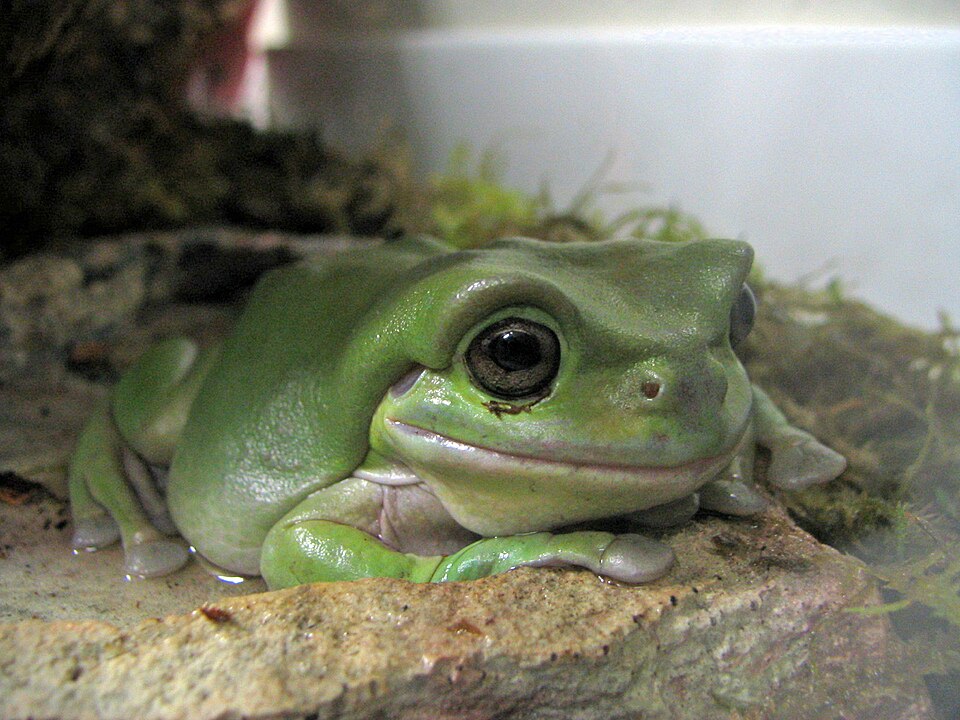
Water doesn't only matter for aquatic species. According to Merck, the right humidity is especially important for land-dwelling species to keep the animal from drying out; every habitat should have a hygrometer. According to Merck, most amphibians do well at 75–80% humidity, and tropical species may need 85–90%. Humidity can be provided by misting, small waterfalls or ultrasonic humidifiers.
- Don't use untreated tap water for misting either; the same rules apply.
- According to Merck, humidifiers and spray bottles should be disinfected once a week.
- Land-dwelling species also need a shallow water dish (Merck).
Details by species: axolotl care, Pacman frog care, tree frog care.
Temperature is part of water quality too
According to Merck, every amphibian habitat should have at least one thermometer; amphibians' immune systems can weaken when they're kept outside their suitable temperature range. This is even more critical for species that like cool water, such as the axolotl: according to the RVC, an axolotl's water should never go above 24 °C (75 °F), and according to NSW, never above 22 °C (72 °F). When changing water, make sure the new water is the same temperature (NSW).
In Tüylüm's Today tab there's a ready-made Water / humidity check task for amphibians. You can add your own tasks for the weekly water test and partial water change; everyone in your Home sees the same list.
Our other amphibian articles: Amphibians.
Frequently asked questions
Is it enough to let tap water stand for a day?
It may be, if there's only chlorine: according to the RVC, letting the water stand for 24 hours lets the chlorine evaporate. But if the water contains chloramine, letting it stand isn't enough, and a water conditioner is a must. If you don't know what's in your city's water, use a water conditioner.
Can I use bottled water?
According to Merck, if you're going to use bottled water, you should read the label carefully, and test the water if you're unsure. Distilled water, however, should never be used; according to NSW, reverse osmosis water can also be too pure.
The water looks clear. Do I still need to change it?
Yes. According to UF/IFAS, ammonia is colorless and odorless; according to NSW, even if water looks clean, it can carry invisible dirt such as urine. Regular testing and partial water changes make sure clear water really is clean.

Keep track of your pet's care in TüylümLog vet visits, vaccine and medication dates, and we'll remind you when it's time. Share it all with your family in Home.
Sources
- Merck Veterinary Manual · Housing for Amphibians (pet owner version)
- Merck Veterinary Manual · Amphibians as Laboratory Animals
- Royal Veterinary College (RVC) · Axolotl care (care sheet, PDF, December 2024)
- NSW Department of Education · Axolotls – food and water
- NSW Department of Education · Green Tree Frog – nutrition and water
- UF/IFAS Extension · Ammonia in Aquatic Systems
By Tüylüm · Published and last checked: October 24, 2026. Spotted a mistake? Write to [email protected] and we'll fix it right away. Photos are from Wikimedia Commons, used under the license shown below each photo.