Aquarium substrate and decor: sand or gravel, sharp edges, and hiding places
When we set up an aquarium, we usually pick the substrate and ornaments by looks. According to the Merck Veterinary Manual, the RSPCA, RSPCA Australia and the OATA (the Ornamental Aquatic Trade Association), they also affect the fish's health: the grain size of the substrate, the edges of ornaments, hiding places and cleaning. This article gathers what those sources say. They don't list which particular rocks or woods are safe, so we don't either.
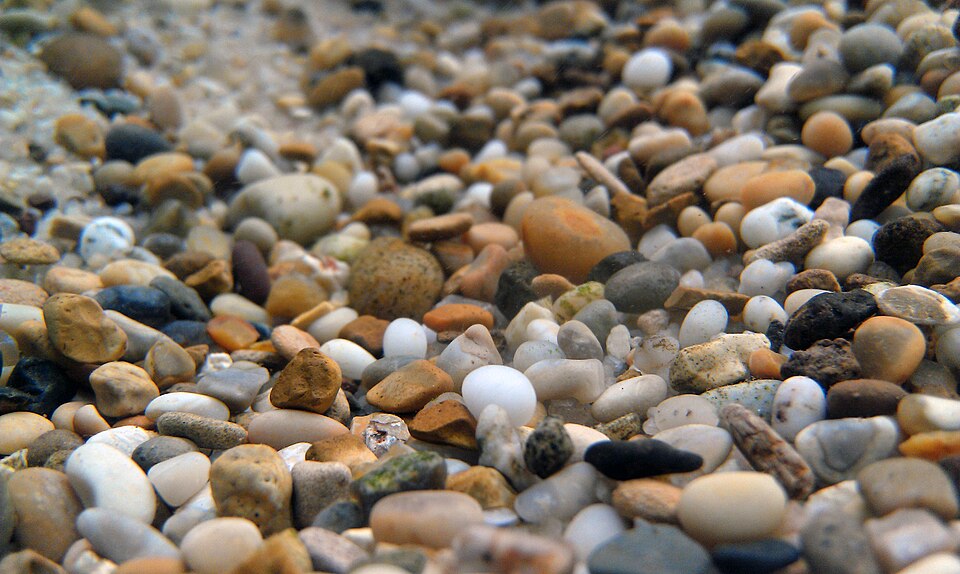
- Grain size: Merck says gravel size should be chosen to suit the fish; some fish can swallow fine gravel or get it stuck in their mouths.
- Catfish: The OATA recommends sand or fine gravel so their barbels aren't injured.
- Edges: According to RSPCA Australia, decor should have no sharp or rough edges and no small holes fish could get trapped in as they grow.
- Hiding places: Plants, wood, pots and caves help fish feel secure.
- Cleaning: Merck suggests taking decor out now and then and rinsing it under hot water; RSPCA Australia says never to use soap or detergent on an aquarium.
Substrate: size matters for the fish
According to Merck, gravel should be rinsed thoroughly before it goes into a new tank, because accumulated dust can clog filters early and damage water pumps. The grain size depends on the fish: some species sift fine gravel through their gills, while others can get gravel stuck in their mouths or swallow it easily. Merck suggests asking a veterinarian or an experienced fish keeper which size suits your fish. Sloping the gravel up toward the back can also make the tank look deeper.
The OATA is clear for catfish: since all of them have sensitive barbels on their heads, aquarium sand or fine gravel should go on the bottom to prevent injury. If your tank has catfish, see corydoras care, where we go into detail.
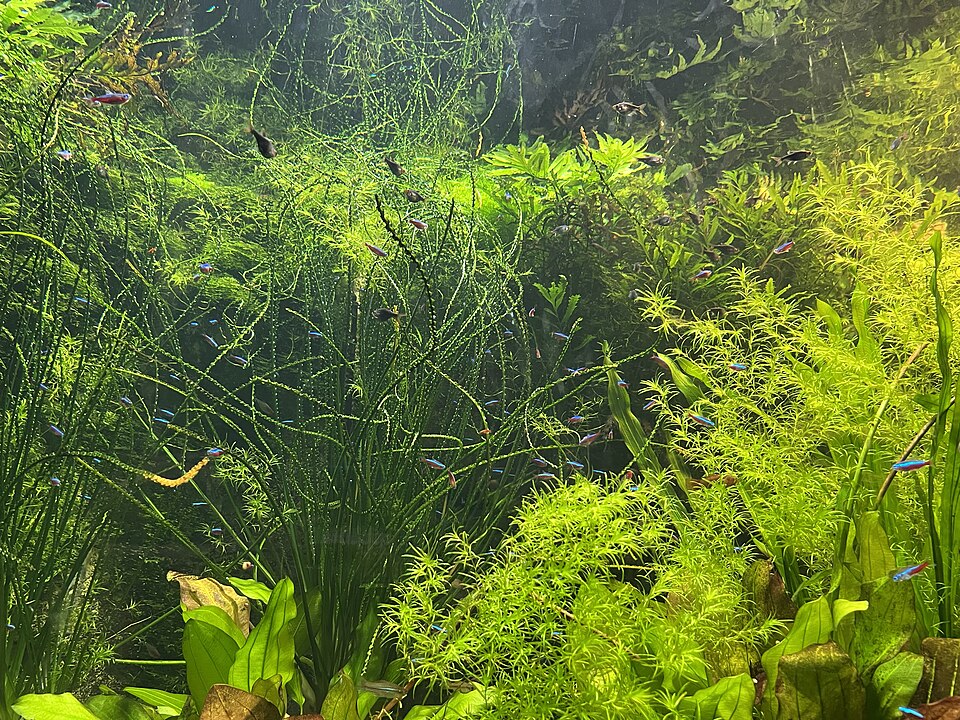
A planted tank can be different
For planted aquariums, the OATA says a soil or gravel designed for planted tanks can help by supplying nutrients to the roots. According to the same source, some substrates need rinsing before use while others can go straight in, and some may leach nutrients or cloud the water when first exposed to water. If that happens, draining and refilling the tank an hour later can help. The OATA suggests asking your retailer how to prepare a particular substrate. For plants, see live plants in the aquarium.
Decor: no sharp edges, no small holes
According to RSPCA Australia, any tank decor should be free from sharp or rough edges that may injure the fish, and from small holes where they might become trapped as they grow larger. The same source says driftwood and other decorations can also provide cover. If you buy plastic plants, RSPCA Australia suggests only using ones purchased from an aquarium store, and getting live plants from an aquarium store rather than collecting them from the wild, because wild-collected plants may bring parasites or disease into your tank.
- Think about growth: Check that holes are big enough for the fish's adult size (RSPCA Australia).
- Check by hand: Inspect ornaments for sharp or rough edges before they go in the tank.
- Place big pieces when the tank is empty: Merck says large rocks, coral skeletons and driftwood are much easier to move before the tank is filled.
- Choose what's sold for aquariums: RSPCA Australia says to buy plastic plants from an aquarium store, and the OATA suggests asking your retailer about substrates.
Hiding places
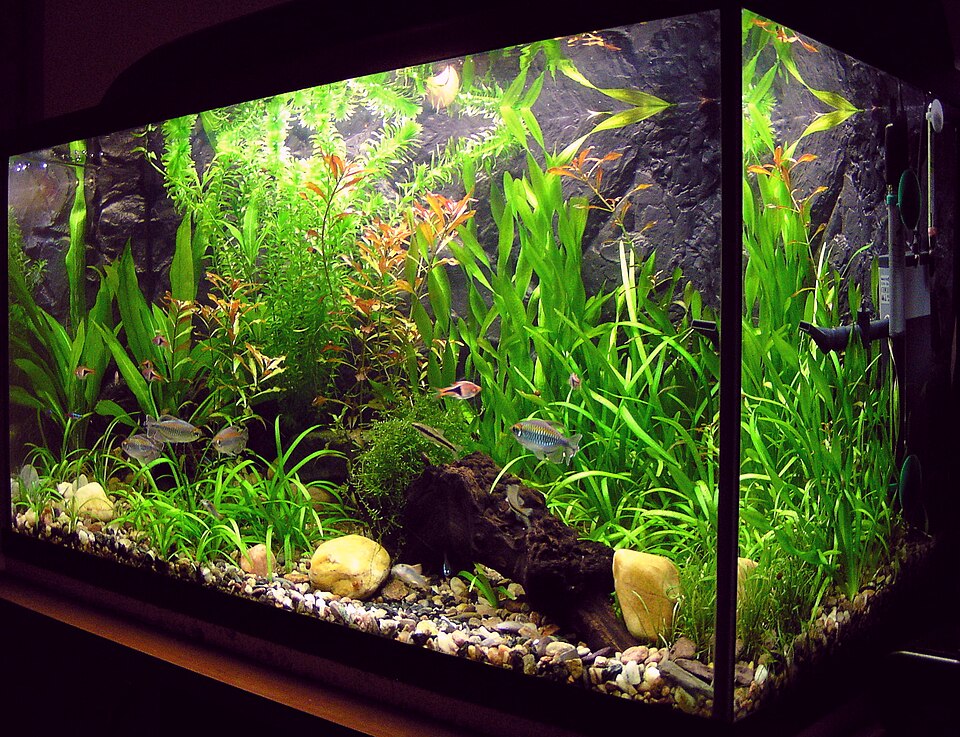
According to RSPCA Australia, some tropical fish are prey animals and need adequate plant cover; it suggests about 50% cover, with some areas of plants close together and some open areas. More cover makes fish more active. The same source says artificial plants are as effective as real ones for reducing stress. The RSPCA says plants, branches and sturdy rocks provide shade and shelter, and that many catfish need caves and hides to feel secure. RSPCA Australia also says every tank should have a covered area or side so the fish aren't exposed to bare glass.
According to the OATA's planted-aquarium sheet, ornaments can give reclusive fish a safe retreat; decor and plants take up space, but are recommended as enrichment. The OATA's catfish sheet adds that larger or more active species may prefer open space, and a cluttered tank can inhibit their movement.
How to clean decor
According to Merck, the crevices, cracks and holes in decor can trap waste and pollute the water. Its advice:
- Take it out: Remove the decor from the aquarium.
- Rinse in hot water: Merck suggests running it under hot water.
- Scrub if needed: For porous or obviously dirty pieces, use a towel or a clean brush.
- Let it drain: Wait until the pieces stop dripping; after that they can go back into the tank without much worry about chlorine (Merck).
- No soap: RSPCA Australia says never to use soap or detergents when cleaning an aquarium.
For algae on the glass, RSPCA Australia suggests a clean, aquarium-safe sponge or a magnetic glass cleaner. For the substrate itself, Merck suggests stirring or vacuuming the gravel to remove trapped waste, which you can do during a water change. Aquarium water changes covers the rest of the process. When you throw out soiled substrate and decor, the OATA asks you to dispose of them carefully so non-native organisms don't reach natural watercourses, and never to release aquarium animals or plants into the wild.
If you notice wounds on your fish's fins or body, missing scales or any new change in appearance, ask a veterinarian who treats fish instead of just swapping the decor. The OATA lists these kinds of changes in appearance and behavior as early warning signs.
In Tüylüm's Today tab, the suggested tasks for fish include a weekly Water change, Water test and Aquarium glass cleaning, and a monthly Filter cleaning.
Frequently asked questions
Sand or gravel?
The sources don't give one answer. Merck says to choose the gravel size to suit the fish, and the OATA recommends sand or fine gravel for catfish. Ask a veterinarian or an experienced fish keeper about your fish.
Can I put a rock I collected outdoors in the aquarium?
The sources don't cover this, and they don't list which rocks are safe. RSPCA Australia only suggests buying plastic plants from an aquarium store. If you're unsure, ask your retailer.
How often should I wash the decor?
Merck says "every so often" and doesn't give a set interval.

Keep track of your pet's care in TüylümLog vet visits, vaccine and medication dates, and we'll remind you when it's time. Share it all with your family in Home.
Sources
- Merck Veterinary Manual · Providing a Home for Fish
- Merck Veterinary Manual · Routine Health Care of Fish
- RSPCA Australia · How should I care for my tropical fish?
- OATA · How to look after freshwater catfish
- OATA · How to set up a planted aquarium
- RSPCA · Understanding pet fish behaviour
This article is for general information only; it is not a diagnosis or treatment advice and does not replace a visit to a veterinarian. Talk to your vet about decisions on your pet's health. By Tüylüm · Published and last checked: November 9, 2026. Spotted a mistake? Write to [email protected] and we'll fix it right away. Photos are from Wikimedia Commons, used under the license shown below each photo.