Corydoras (armored catfish) care: a group, fine substrate, and food that sinks
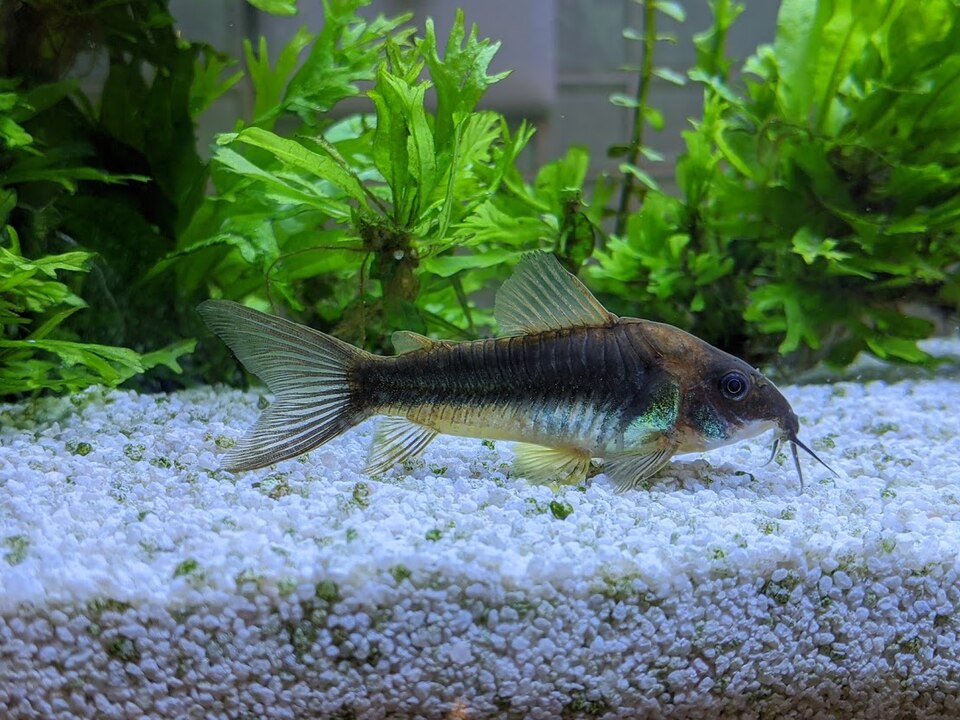
Corydoras is one of the small catfish that spend their time poking around the aquarium floor. Catfish are a huge group: according to the OATA (the Ornamental Aquatic Trade Association), they range from small and peaceful to large and predatory. This article looks at how corydoras is described in care guidance from the OATA, the RSPCA and the Merck Veterinary Manual: how many to keep, what kind of substrate, what to feed and which tank mates.
- A shoaling fish: The OATA recommends keeping corydoras in groups of at least five; the RSPCA recommends six or more for shoaling fish, a group that includes many catfish.
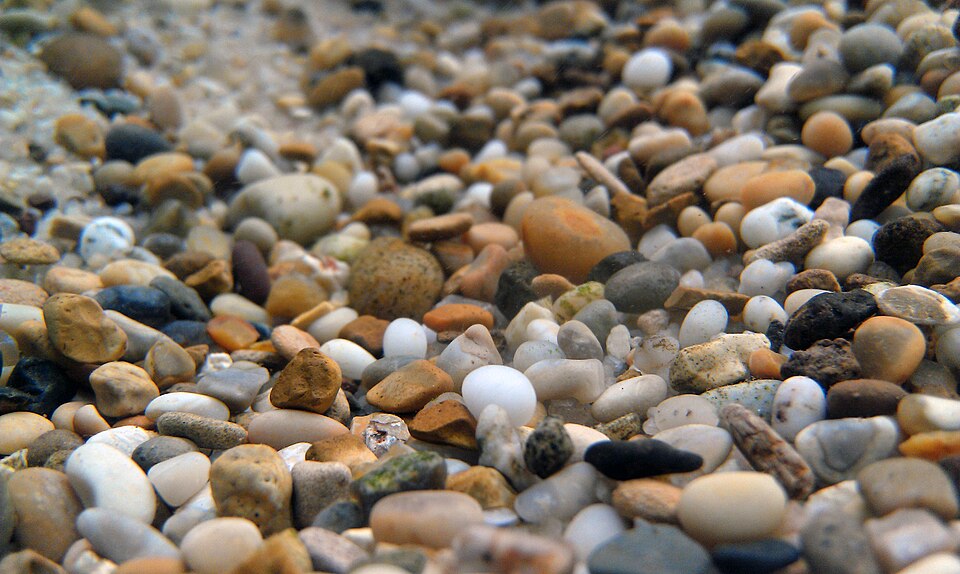
- Substrate: The OATA says catfish have sensitive barbels, so the bottom should have sand or fine gravel to prevent injury.
- Food: Corydoras eat both plant and animal foods (the OATA calls them omnivorous) and, despite the scavenger reputation, should be fed suitable sinking foods.
- Tank size: The OATA suggests at least 80 liters (about 21 US gallons) for a shoal of small catfish like corydoras.
- Tank mates: The OATA considers corydoras a good fit for community tanks, but advises caution with predatory catfish.
A group, not a single fish
The OATA describes corydoras as a shoaling fish and recommends groups of at least five; it says catfish kept singly or in groups that are too small often become stressed. The RSPCA recommends six or more for shoaling fish, a group that includes many catfish, and says fish in a group are more relaxed and come out of hiding more readily. The two organizations don't give exactly the same number; six or more fish fits both. We cover shoaling fish in general in shoaling fish.
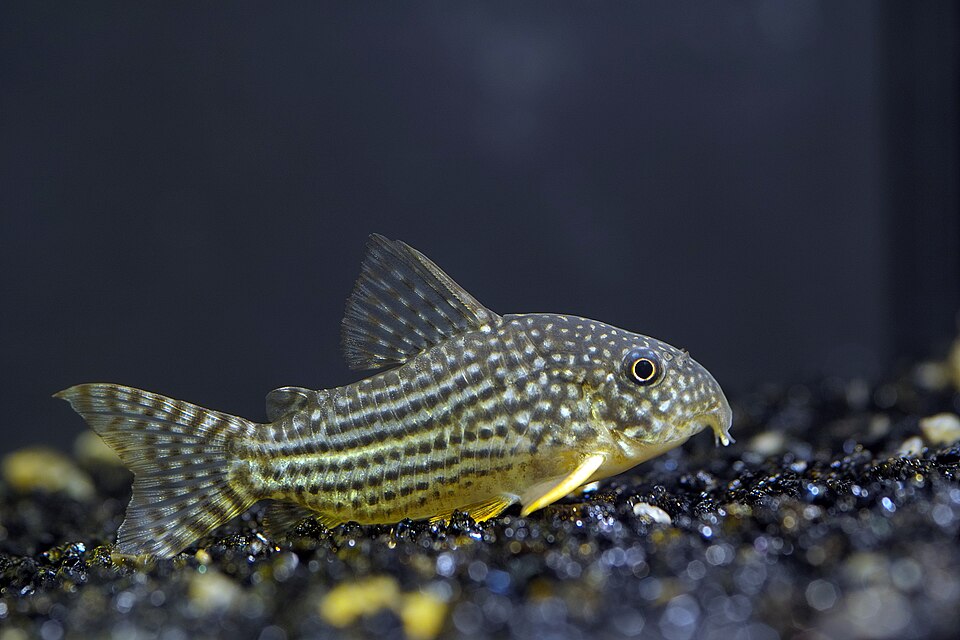
Substrate: sand or fine gravel
According to the OATA, all catfish have sensitive barbels on their heads, so aquarium sand or fine gravel should go on the bottom to prevent injury. The Merck Veterinary Manual adds that gravel size should be chosen for the fish you keep: some species sift fine gravel through their gills, while others can get gravel stuck in their mouths or swallow it easily. Merck suggests asking a veterinarian or an experienced fish keeper which size suits your fish. We cover substrate more in aquarium substrate and decor.
Hiding places and tank size
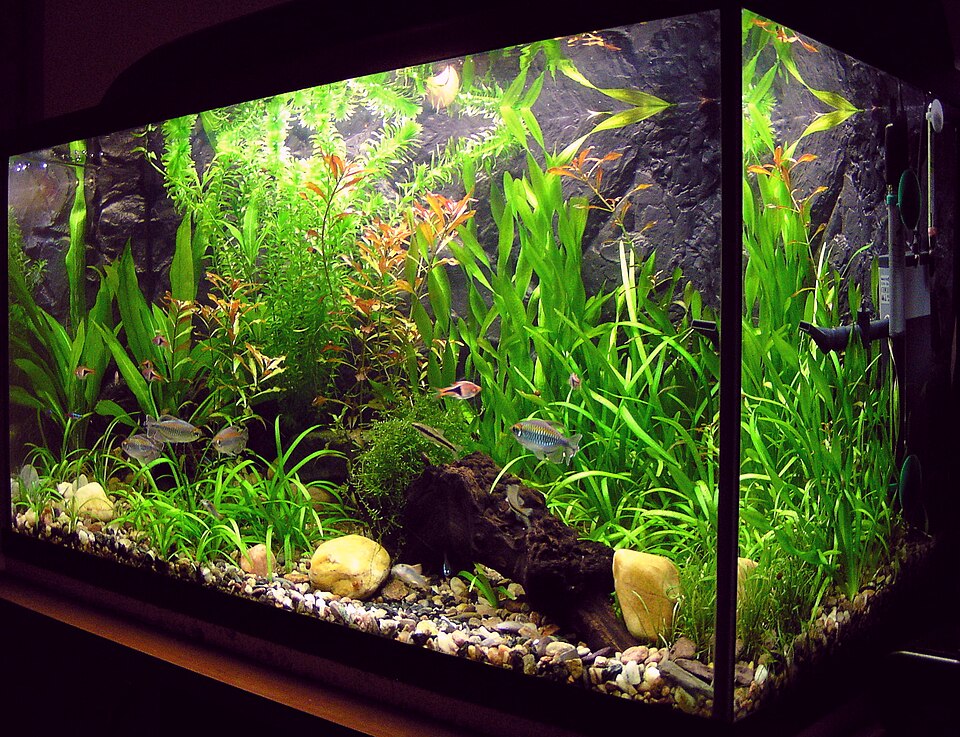
According to the OATA, small or shy catfish do best in a tank with live plants for cover; since some species may eat or dig up live plants, plastic plants and suitable ornaments are also recommended. Many catfish also appreciate shelter such as wood, pots or caves. The RSPCA likewise says many catfish need caves and hides to feel secure.
For tank size, the OATA suggests at least 80 liters for a shoal of smaller species like corydoras; the larger the tank, the more stable conditions like temperature and water quality stay. Whatever the size, a filter is essential.
| Topic | According to the OATA's catfish care sheet |
|---|---|
| Temperature | 22–27 °C (72–81 °F) |
| Ammonia and nitrite | Zero |
| Nitrate | Not to exceed 20 mg/L above normal tap water levels |
| General hardness | Soft to hard (4–18 °dH) |
| Carbonate hardness | Soft to hard (3–15 °dkH) |
The OATA notes that these are general guidelines for the group, and that you should check species-specific needs with your retailer. For temperature see aquarium temperature, and for keeping the water stable see aquarium water changes.
What do they eat down there?
According to the OATA, catfish vary hugely in their dietary needs: some are omnivorous (like corydoras), some herbivorous (like plecos), and the predatory ones carnivorous. Although catfish have a reputation as scavengers, the OATA stresses that they should be fed appropriate sinking foods so their nutritional needs are met. In other words, other fish's leftovers won't feed a corydoras.
- Choose sinking food: The OATA recommends suitable sinking foods for catfish.
- Only what they finish quickly: The OATA says to feed once a day, only what they can eat within a few minutes; grazing species can be given up to 30 minutes if needed.
- Avoid overfeeding: Uneaten food breaks down and releases toxic waste into the water. See overfeeding fish for details.
- Ask for species-specific advice: The OATA suggests asking your retailer about feeding for each species.
Who can they live with?
According to the OATA, catfish vary a lot in compatibility. Corydoras, otocinclus and smaller plecos make excellent additions to community aquariums, while some species can be extremely predatory and should be mixed with caution. The OATA suggests consulting your retailer before adding any catfish to a community tank. The RSPCA also says some catfish (the red tail, shovelnose and pangasius, for example) grow very large and are unsuitable as pets, so not every catfish stays as small as a corydoras. When planning a community tank, ask the four questions in choosing compatible fish.
The OATA also asks for care when handling: most catfish have spines on their front fins and just behind the gills. For that reason it says catfish should be double bagged at purchase so the spines don't puncture the bag.
The OATA says changes in swimming behavior, color, breathing, appearance or interest in food can be early warning signs. If you see them in your fish, test the water and ask a veterinarian who treats fish; don't make medication or treatment decisions yourself.
In Tüylüm's Today tab, the suggested tasks for fish include Water change, Water test and Filter cleaning. You can also add photos of the group's first days to the Memory book.
Frequently asked questions
Are three corydoras enough?
The OATA recommends at least five for shoaling catfish like corydoras, and the RSPCA recommends six or more for shoaling fish. A group smaller than either can, according to these sources, lead to stress.
Is sand a must?
The OATA recommends sand or fine gravel because catfish have sensitive barbels. Merck says gravel size should be chosen to suit the fish.
Does corydoras clean the bottom of the tank?
The OATA says catfish are known as scavengers, but should still be fed suitable sinking foods that meet their nutritional needs.

Keep track of your pet's care in TüylümLog vet visits, vaccine and medication dates, and we'll remind you when it's time. Share it all with your family in Home.
Sources
- OATA · How to look after freshwater catfish
- RSPCA · Keeping fish together
- RSPCA · Understanding pet fish behaviour
- RSPCA · Setting up your aquarium (environment)
- Merck Veterinary Manual · Providing a Home for Fish
This article is for general information only; it is not a diagnosis or treatment advice and does not replace a visit to a veterinarian. Talk to your vet about decisions on your pet's health. By Tüylüm · Published and last checked: November 9, 2026. Spotted a mistake? Write to [email protected] and we'll fix it right away. Photos are from Wikimedia Commons, used under the license shown below each photo.