Which fish can live together? Choosing compatible fish for a community aquarium
The tanks at the store are a riot of color: neon tetras in one, gouramis in the next, a big angelfish in another. It's tempting to take home a few of each and bring them together in a single aquarium. But fish can be very different from one another even within one family. According to OATA's gourami guide, that family includes shy species and aggressive ones, and they range from 4 cm to 70 cm (1.5 in to over 2 ft). When you plan a shared aquarium (a community tank), four questions make the job easier: How big will it get as an adult? Who could it eat, and who could eat it? Do they like the same water? Do their temperaments match? We answered these questions with the species guides of OATA, the UK's ornamental fish trade association.
- Check the adult size: According to OATA, catfish range from the 4 cm (1.5 in) otocinclus to the red-tailed catfish, which can reach 1 meter (over 3 ft).
- If it fits in a mouth, it's food: According to OATA, small tetras shouldn't be kept with fish big enough to eat them.
- Same water: The temperature, pH and hardness ranges should overlap. According to OATA, most tropical species need at least 22 °C (72 °F).
- Temperament: Boisterous fin-nippers should be kept away from shy and long-finned fish; aggressive cichlids should be kept alone or with equally aggressive cichlids.
- Ask, and add slowly: OATA recommends checking compatibility with your retailer before you buy.
First, find out the adult size
That tiny fish at the store is going to grow; the real question is how much. A few examples from OATA's guides:
- Catfish: According to OATA, a huge family that runs from the 4 cm otocinclus to the red-tailed catfish, which can grow up to a meter long. Larger species need much bigger tanks, and some prefer to live alone.
- Gouramis: From the sparkling gourami at about 4 cm (1.5 in) to the giant gourami, which can grow to 70 cm (over 2 ft). According to OATA, the giant gourami needs a tank of 400 liters (about 105 gallons) or more.
- American cichlids: According to OATA, from the 15 cm (6 in) firemouth to the 40 cm (16 in) oscar; larger or more aggressive species need at least 300 liters (about 80 gallons). Angelfish also need a tank that's tall enough once they're fully grown.
- Tetras: According to OATA, most stay between 2 and 5 cm (1–2 in); some species get closer to 10 cm (4 in).
To work out your tank's volume: setting up your first aquarium. Size isn't just about space; it also changes the answer to the next question.
If it fits in a mouth, it's food
A small fish isn't safe in a tank with a fish big enough to eat it. OATA's guides all say the same thing on this:
- Tetras: Small tetra species shouldn't be kept with any fish large enough to eat them.
- Gouramis: OATA recommends not keeping gouramis with timid species, with fish small enough to be eaten, or with fish that might nip their fins.
- Angelfish: According to OATA, even calmer cichlids such as angelfish and severums can be kept with other fish only in a "robust" community tank with larger shoaling species.
- Catfish: According to OATA, some species are highly predatory and should be mixed with other fish with caution.
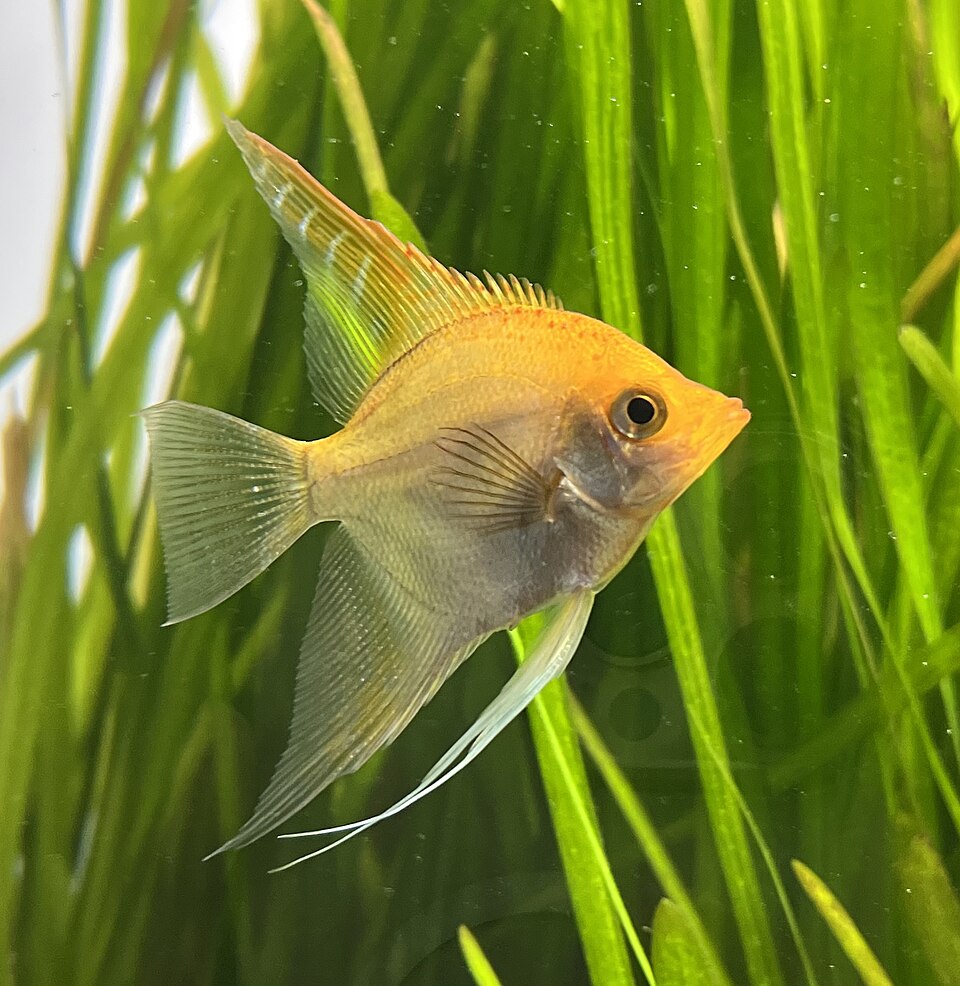
They should like the same water: temperature, pH and hardness
Each group of fish is comfortable within a certain range of temperature, pH and water hardness. The ranges of the fish you keep together should overlap, and your aquarium water should sit in that shared zone. The general ranges from OATA's species guides:
| Fish group | Temperature | pH | General hardness (°dH) |
|---|---|---|---|
| Tetras and pencilfish | 22–27 °C (72–81 °F) | 6.5–8.0 | 4–12 (soft–medium) |
| Guppies and mollies | 20–28 °C (68–82 °F) | 7.0–8.0 | 8–18 (medium–hard) |
| Catfish (including corydoras) | 22–27 °C (72–81 °F) | 6.0–8.0 | 4–18 (soft–hard) |
| Gouramis and paradise fish | 20–28 °C (68–82 °F) | 6.0–8.0 | 4–12 (soft–medium) |
| American cichlids (including angelfish) | 22–27 °C (72–81 °F) | 6.5–8.0 | 4–12 (soft–medium) |
Look at two neighbors in the table: tetras are comfortable in soft to medium water, while guppies and mollies prefer medium to hard water. The two groups' ranges overlap only between 8–12 °dH hardness and pH 7.0–8.0. If you're thinking of keeping both in the same tank, test your own water's pH and hardness first. These ranges are general guidelines; ask your retailer about the needs of the specific species you choose.
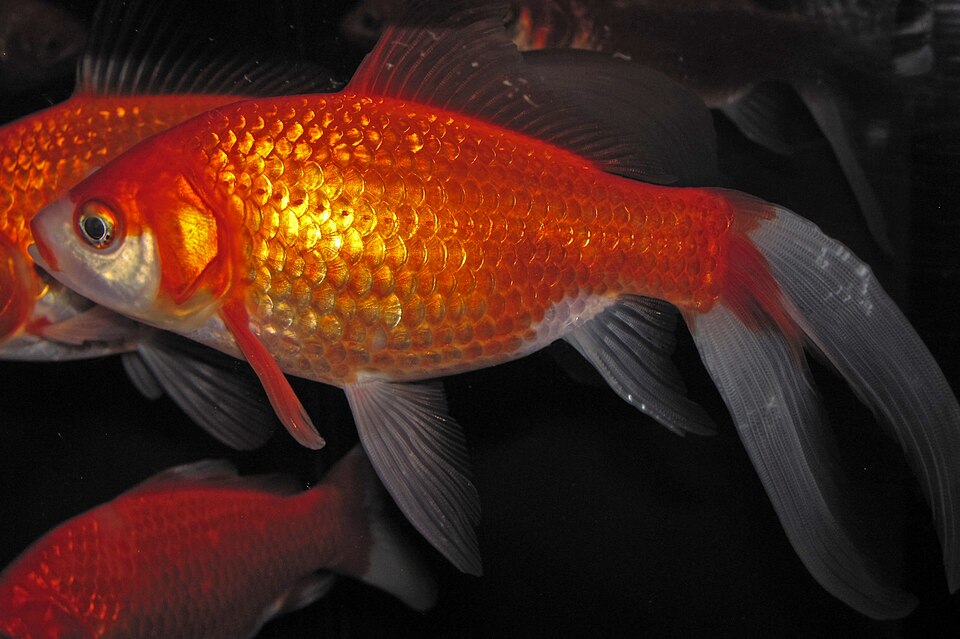
Temperature matters just as much as hardness. According to OATA, most tropical species need at least 22 °C (72 °F), so a heater is required. Species suited to unheated tanks are a separate group; OATA's examples include the zebra danio (17–27 °C, 63–81 °F) and the white cloud mountain minnow (17–23 °C, 63–73 °F). The white cloud's range and the tetras' range only meet at 22–23 °C (72–73 °F). OATA also points out a common mistake: goldfish are often sold for small unheated tanks, even though other species suit those tanks better. On goldfish: why goldfish don't belong in a bowl. On heaters and temperature: aquarium water temperature.
Temperament: calm, boisterous or aggressive
Even when size and water match, temperaments can clash. The highlights from OATA's guides:
- Similar size, similar temperament: According to OATA, tetras get along best with species similar to themselves in size and temperament.
- Fin-nippers: According to OATA, larger or boisterous tetras such as the Buenos Aires tetra, and some boisterous barbs, may nip the fins of shy and long-finned fish. Guppies also shouldn't be kept with species that might nip their fins, such as barbs.
- Shy fish: According to OATA, sailfin mollies shouldn't be put in the same tank as timid species.
- Gouramis: According to OATA, delicate species such as sparkling and chocolate gouramis may struggle in a standard community tank, while paradise fish are semi-aggressive and usually best kept on their own. During breeding, male gouramis fiercely defend their nests against all other fish.
- Aggressive cichlids: According to OATA, the more aggressive American cichlids should be kept either alone or with equally aggressive cichlids.
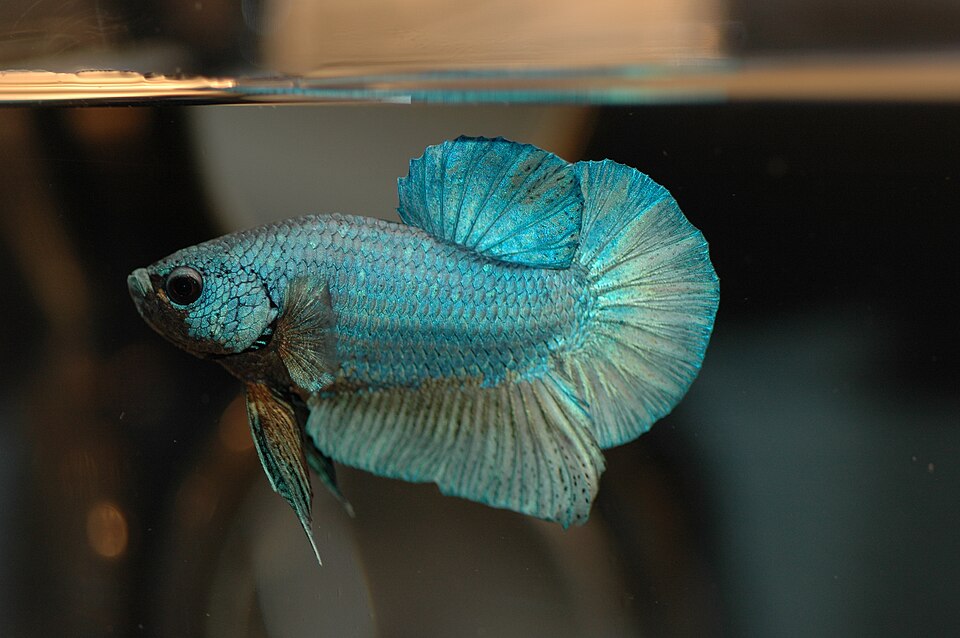
- Fish that want their own kind: According to OATA, angelfish are social, and those kept on their own may become stressed. We explained how many fish a shoal needs in shoaling fish, and why male bettas aren't kept together in betta fish care.
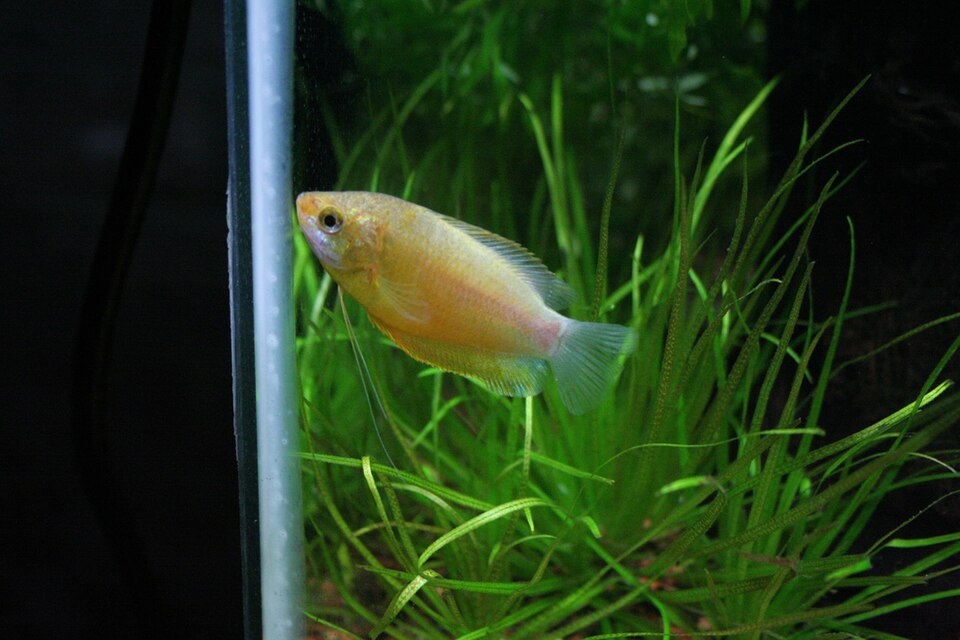
A quick guide for a community tank
Some fish that OATA's species guides describe as suitable for community tanks, and what to watch for with each:
| Fish | According to OATA | Watch out for |
|---|---|---|
| Corydoras | Shoaling fish, groups of at least five; at least 80 liters (about 21 gallons) for a shoal of the smaller species | Sand or fine gravel on the bottom to prevent injury; sinking food |
| Otocinclus and smaller plecos | Excellent additions to community tanks | Other catfish species can be predatory |
| Honey and dwarf gourami | Suited to community tanks; at least three, two females for every male | Timid species, small fish that could be eaten, fin-nippers |
| Guppy | Peaceful; at least three, two females for every male | Fin-nippers such as barbs |
| Molly | Generally peaceful and compatible with many species | Sailfin mollies need at least 80 liters and shouldn't be kept with timid species |
This list is a starting point, not a complete one. OATA recommends asking your retailer whether a species is compatible with your other fish before you buy.
Plan your community tank step by step
- Write down your tank and your list. How many liters is your tank, and is it heated? Next to each species you want, note its adult size and the smallest tank it needs.
- Compare the water ranges. Do they all share a zone for temperature, pH and hardness? Test your own water.
- Check the size gap. Is the largest fish on your list big enough to eat the smallest?
- Match temperaments. Keep fin-nippers apart from shy and long-finned species; think about aggressive species separately.
- Account for groups. Corydoras in groups of at least five, guppies and gouramis with two females for every male; shoaling fish need a crowd.
- Ask your retailer, and add fish slowly. According to OATA, the number of fish should be increased slowly, because the filter bacteria need time to catch up with new fish: adding new fish to your aquarium.
According to OATA, aquarium animals and plants should never be released into the wild; for most fish it means death, and those that survive can harm nature. If a fish has grown too big for your tank or doesn't get along with the others, ask your retailer or an experienced fishkeeper for help.
According to OATA, if you're worried about your fish's health, test the water quality first. If a fish looks injured or you're still worried, talk to a vet who treats fish without delay.
Frequently asked questions
Do corydoras fit in any aquarium?
According to OATA, corydoras are excellent additions to community tanks; but they're shoaling fish and should live in groups of at least five, in a tank with sand or fine gravel on the bottom. For a shoal of the smaller species, OATA recommends at least 80 liters (about 21 gallons).
Can I keep guppies and tetras together?
By OATA's ranges, the two groups' water overlaps only between 8–12 °dH hardness and pH 7.0–8.0; test your own water first. Look at temperament too: according to OATA, larger or boisterous tetras may nip the fins of long-finned fish.
Can I keep an angelfish with small tetras?
Weigh two of OATA's rules together: small tetras shouldn't be kept with fish big enough to eat them, and calm cichlids such as angelfish can be kept with other fish in a robust community tank with larger shoaling species. Angelfish also need a tall tank once they're grown; talk your plan over with your retailer.

Keep track of your pet's care in TüylümLog vet visits, vaccine and medication dates, and we'll remind you when it's time. Share it all with your family in Home.
Sources
- OATA · How to look after tetras & pencilfish
- OATA · How to look after guppies & mollies
- OATA · How to look after catfish
- OATA · How to look after gouramis & paradise fish
- OATA · How to look after American cichlids
- OATA · How to pick and look after fish for an unheated aquarium / tank
By Tüylüm · Published and last checked: October 28, 2026. Spotted a mistake? Write to [email protected] and we'll fix it right away. Photos are from Wikimedia Commons, used under the license shown below each photo.