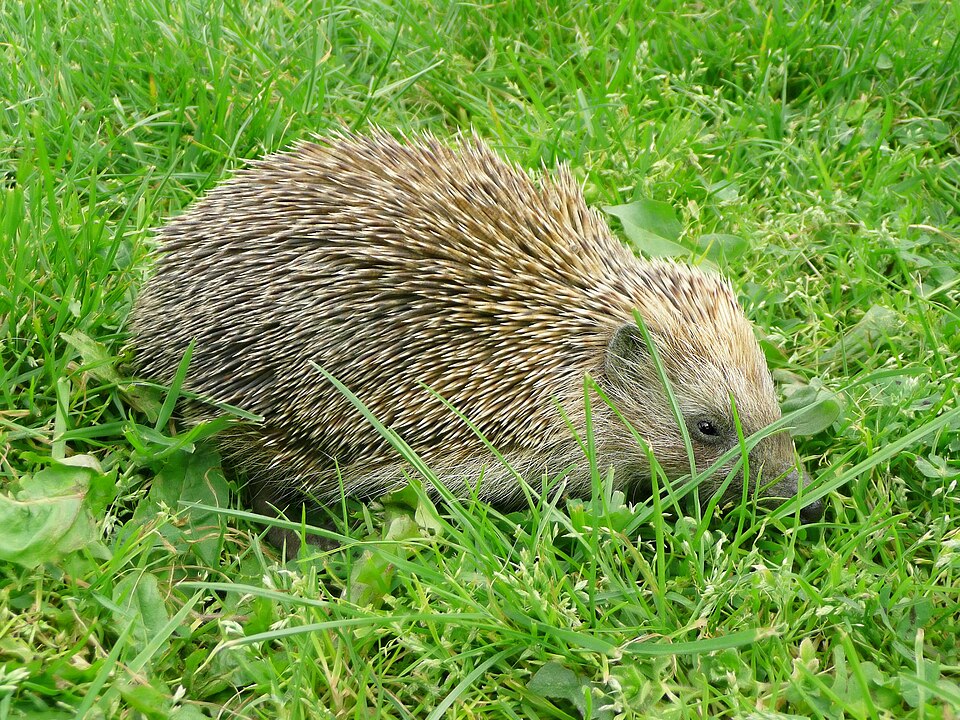
Your hedgehog's night life: daytime sleep, the night shift, and light and noise at home

It's 11 p.m. The house has gone quiet and you're getting ready for bed, but the clatter of the wheel is picking up in the cage. For your hedgehog, the day has only just begun. According to the Merck Veterinary Manual, the African pygmy hedgehog is a solitary, nocturnal animal that travels for miles in search of prey in the wild. According to an article by Elisabetta Mancinelli and Wendy Bament in Vet Times, a publication for the veterinary profession, these hedgehogs live in rock crevices and burrows in West and Central Africa and come out at night to forage. In this article we cover your hedgehog's nightly routine, how to protect its sleep, and how to manage light and noise at home.
- It sleeps during the day: According to the RSPCA, because hedgehogs are nocturnal, they must be left alone during the day.
- It wakes in the evening: According to Dr. Krista Keller, a veterinarian at the University of Illinois, your hedgehog gets up for its "day" while you're having dinner; the hours before bed are a good time to spend with it.
- Not in the bedroom: According to Keller, nighttime running and the wheel are noisy; you may not want the cage in your bedroom.
- Dim and quiet: According to Mancinelli and Bament, hedgehogs don't tolerate loud noises or bright light; their environment should be dim and as quiet as possible.
- A 12-hour light schedule: Merck and the Vet Times article recommend a schedule of 12 hours of light and 12 hours of darkness a day.
Daytime: sleeping in a hiding spot
According to Keller, hedgehogs sleep during the day and are very active at night. The RSPCA also says hedgehogs must be left alone during the day and that you'll only be able to interact with them at night while they're awake; as the RSPCA puts it, this can keep you up into the late hours too.
For daytime sleep, a hedgehog needs a hiding place. According to Merck, a hiding place is essential; hedgehogs avoid bright light. A care sheet from two US animal welfare organizations, the Denver Dumb Friends League and the Humane Society of the United States, lists a hideaway like a plastic igloo and small blankets for the hedgehog to cuddle under.

Don't pull your hedgehog out of its hiding spot for cuddles during the day. We explained why a hedgehog woken from its daytime sleep rolls into a ball and hisses in our article on why hedgehogs raise their spines.
Nighttime: running, digging, hunting
When your hedgehog wakes up, it's full of energy. According to Keller, hedgehogs in the wild often run several miles a night, and they're adept climbers and swimmers. According to the Dumb Friends League, they're known to roam as much as 5–6 miles (about 8–10 km) a night in the wild. According to Merck, hedgehogs easily dig, climb, swim and run.
How it finds its way around at night is interesting too. According to Mancinelli and Bament, hedgehogs have poor eyesight but a good sense of smell and hearing. They rely on smell and sound to find food, detect danger and find their way.
| A sound you may hear at night | What it means, according to our sources |
|---|---|
| Sniffing and snuffling | The normal sounds it makes while foraging (Merck) |
| The clatter of the wheel | Nighttime running; according to Keller, wheels are noisy |
| Loud hissing and huffing | Agitation, being disturbed (Merck) |
To set up an environment where your hedgehog can burn off its nighttime energy: hedgehog enrichment.
An evening routine
A simple evening routine that fits your hedgehog's schedule makes life easier for both of you:
- Dinnertime: According to Keller, your hedgehog wakes up while you're having dinner.
- Feed in the evening: According to Mancinelli and Bament, to prevent obesity, food should be given only at night and leftovers removed early in the morning. Details: hedgehog diet.
- Time together: According to Keller, the hours before bed are a nice time to interact with your hedgehog. For handling practice: getting your hedgehog used to handling.
- Roaming time: Keller recommends a few hours a week of supervised time exploring outside the enclosure. Put this in the evening, too.
- Morning: Remove leftover food. According to the Dumb Friends League, because hedgehogs poop as they run, the wheel should be cleaned every day. Details: keeping a hedgehog clean.
Which room should the cage be in?
Keller says that because of your hedgehog's nighttime activity and wheel running, you may not want its enclosure in your bedroom: "Exercise wheels are noisy!" At the same time, your hedgehog needs quiet. According to Mancinelli and Bament, hedgehogs don't tolerate loud noises or bright light, so their environment should be dim and as quiet as possible.
- A calm room: Pick a corner away from the noisy parts of your home and away from the TV and music.
- Outside the bedroom: For your sleep and for your hedgehog's nighttime freedom, consider putting the cage somewhere other than the bedroom.
- No direct sunlight: According to Mancinelli and Bament, the cage should be out of direct sunlight to avoid extremes of temperature. For temperature: temperature for hedgehogs.
- Watch for sudden noises: According to Merck, hedgehogs have very sensitive hearing. Try not to make sudden, loud noises near the cage.
Light: bright by day, dark at night
Just because your hedgehog is nocturnal doesn't mean it has to be kept in the dark all the time. According to Merck, hedgehogs avoid bright light, but a photoperiod of 12 hours of light a day should still be provided. Mancinelli and Bament also recommend a cycle of 12 hours of light and 12 hours of darkness.
- Daytime: The room can be naturally bright. When your hedgehog wants to get away from the brightness, it retreats to its hiding spot.
- Nighttime: Don't leave the room light on all night. If you want to watch your hedgehog, a dim light is enough.
- If you use a heat lamp: According to the Dumb Friends League, a red or "moonlight" bulb can be used in a heat lamp to avoid disturbing your hedgehog's nocturnal habits. Talk to your vet about which heater to use.
What the nightly routine says about health
You know your hedgehog's evening routine better than anyone: when it wakes up, how much it runs on the wheel, how much of its food it eats. Knowing this routine helps you spot changes early.
If your hedgehog, which wakes up every evening, doesn't wake up one evening, hasn't touched its food, is much less active than usual or feels cold to you, talk to your vet without delay. Check the room temperature too: temperature for hedgehogs.
In Tüylüm, the ready-made tasks for hedgehogs on the Today tab include Food (evening) and Water. Whoever feeds the hedgehog in the evening ticks it off; with My home, everyone in the house sees the same list, so the evening meal never gets forgotten.
Frequently asked questions
Can I wake my hedgehog during the day to cuddle it?
According to the RSPCA, because hedgehogs are nocturnal, they must be left alone during the day; you can only spend time with them at night while they're awake. Keller also recommends interacting with your hedgehog in the evening, in the hours before bed.
The wheel makes a lot of noise at night. What can I do?
Don't take the wheel away: Merck highly recommends one. According to Keller, since wheels are noisy, you might consider keeping the cage outside the bedroom. For choosing a solid-surface wheel that runs well: hedgehog cage and wheel.
Can a light stay on at night in my hedgehog's room?
According to Merck, hedgehogs avoid bright light; Merck recommends a 12-hour photoperiod, and Mancinelli and Bament a cycle of 12 hours of light and 12 hours of darkness. Turn off the room light at night; if you want to watch your hedgehog, a dim light is enough.

Keep track of your pet's care in TüylümLog vet visits, vaccine and medication dates, and we'll remind you when it's time. Share it all with your family in Home.
Sources
- University of Illinois College of Veterinary Medicine · Hedgehogs Make Cute but Challenging Pets
- Merck Veterinary Manual · Overview of Four-Toed (African Pygmy) Hedgehogs
- Merck Veterinary Manual · Management of Four-Toed (African Pygmy) Hedgehogs
- Vet Times · Elisabetta Mancinelli and Wendy Bament, African pygmy hedgehogs: care and treatment advice (2014, PDF)
- RSPCA · Keeping African pygmy hedgehogs as pets
- Potter League for Animals (Denver Dumb Friends League and HSUS) · Hedgehog Care (PDF)
By Tüylüm · Published and last checked: October 26, 2026. Spotted a mistake? Write to [email protected] and we'll fix it right away. Photos are from Wikimedia Commons, used under the license shown below each photo.