Found a tortoise on the road? Why taking one from the wild is illegal in Turkey
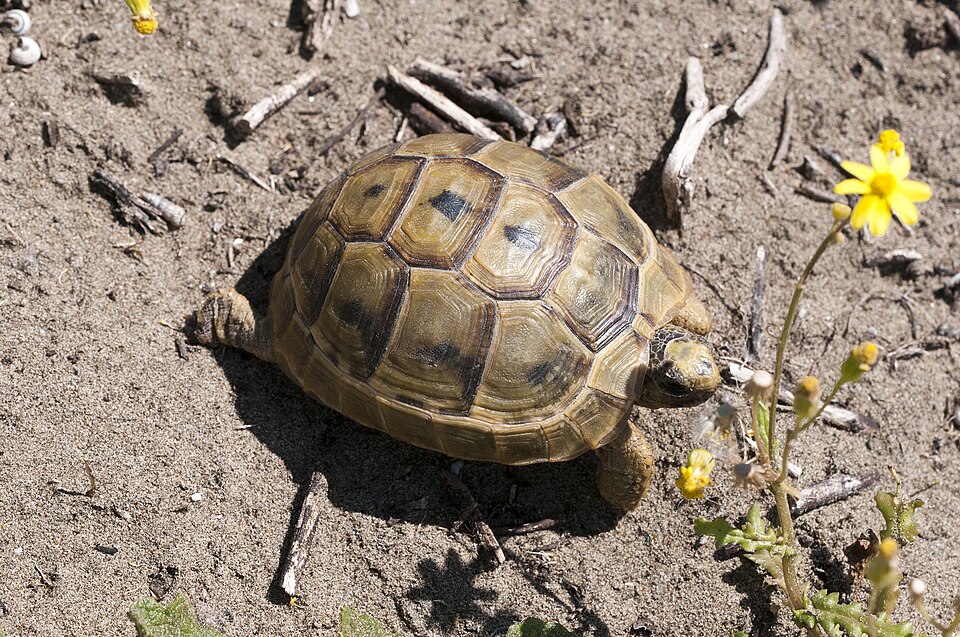
On a spring walk, you spot a tortoise slowly making its way down the middle of the path. The children gather around it excitedly, and one of them asks, "Can we take it home?" It sounds like an innocent request. But in Turkey, tortoises living in the wild are protected by law, and taking them from nature as a hobby is illegal. In this article we've gathered, based on official sources, what you can and can't do, how you can help a tortoise on the road, and what to look out for if you're thinking of getting a pet tortoise.
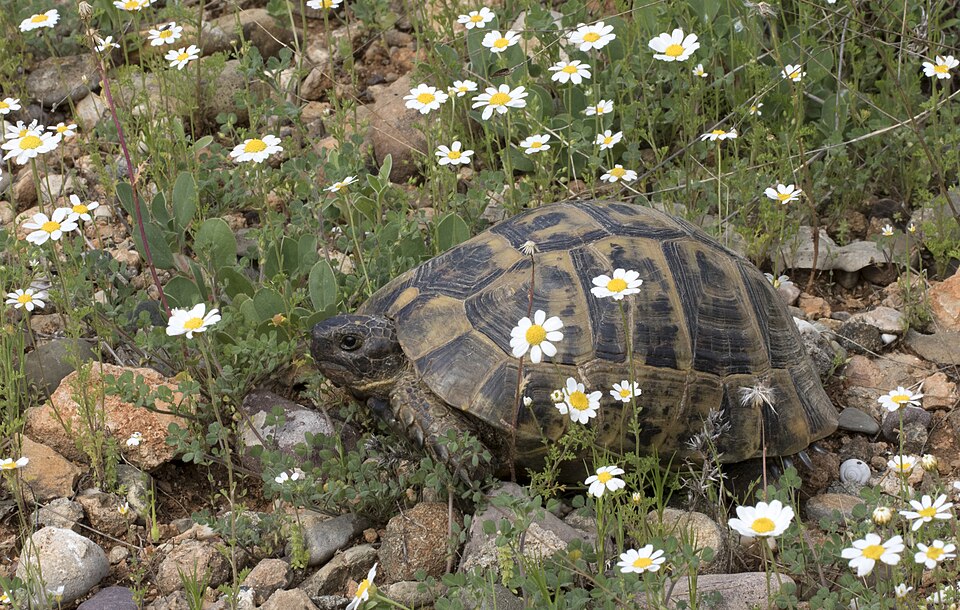
- Two native species: The Ministry's list of wild animals in Turkey includes two species from the tortoise family: the spur-thighed tortoise (Testudo graeca) and Hermann's tortoise (Testudo hermanni), and both are protected by the Ministry.
- Taking them from the wild is banned: Under Turkey's wildlife regulation, catching wild animals in nature to keep as a hobby or to sell is prohibited.
- If you see one on the road: If it's safe for you, move the tortoise across the road in the direction it was heading; don't take it home.
- If it's injured: Don't try to care for it yourself; contact the provincial branch office of the General Directorate of Nature Conservation and National Parks (Doğa Koruma ve Milli Parklar, DKMP) in your province.
- If you're getting a pet tortoise: Ask where the animal came from. According to the RSPCA, tortoises can live 50–100 years.
Turkey's tortoises
The list of wild animals determined by Turkey's Ministry of Agriculture and Forestry (Tarım ve Orman Bakanlığı), published in the Official Gazette (Resmî Gazete) on August 10, 2022, includes two species from the tortoise family in its reptile section: the spur-thighed tortoise (Testudo graeca) and Hermann's tortoise (Testudo hermanni). The list also notes that both species appear in Appendix II of the Bern Convention, to which Turkey is a party.
According to the RSPCA, the spur-thighed tortoise lives in dry areas with sparse vegetation, in a range stretching from North Africa to Turkey, southern Russia and Iran. Hermann's tortoise, meanwhile, is found from the Balkans through Italy to the Iberian Peninsula.
The same list also includes Turkey's freshwater turtles: the European pond turtle (Emys orbicularis), the Caspian turtle and the Balkan pond turtle. According to the notes on the list, they are protected too. In our article on caring for aquatic turtles, we explain why the red-eared slider kept in homes is a danger to these native species.
What does the law say?
Under the Land Hunting Law No. 4915 (Kara Avcılığı Kanunu), a "wild animal" covers all mammals (except those that live only in water), birds and reptiles determined by the Ministry. In other words, tortoises fall under this law too.
- Protected: According to the notes on the list of wild animals, all wild animals are protected by the Ministry, except for species that have a special note on the list. There is no such note on the lines for the spur-thighed tortoise and Hermann's tortoise.
- Can't be hunted or caught: Under Article 4 of the law, protected wild animals can't be hunted; they can't be disturbed during their breeding season, and their young and eggs can't be collected. Article 5 of the regulation on protecting game and wild animals and their habitats (Av ve Yaban Hayvanlarının ve Yaşam Alanlarının Korunması, Zararlılarıyla Mücadele Usul ve Esasları Hakkında Yönetmelik) adds that they "can't be caught".
- "Hunting" includes catching alive: By the law's definition, hunting means taking possession of an animal alive or dead, or trying to do so; so catching an animal alive and taking it home is also covered. The Central Hunting Commission decision (Merkez Av Komisyonu Kararı) for the 2026-2027 hunting season repeats that hunting protected wild animals is prohibited.
- Never for a hobby or for trade: Under Article 15 of the regulation, catching wild animals in nature or collecting their eggs in order to keep them as a hobby or trade in them is prohibited; applications for this purpose aren't even considered.
- Buying and selling: Under Article 18 of the law, wild animals hunted against the rules can't be sold, bought or transported, alive or dead.
| Not allowed | Legal basis |
|---|---|
| Taking a wild tortoise home and keeping it | Regulation, Articles 5, 7 and 15 |
| Collecting them from nature to sell or buy | Regulation, Article 15; Law, Article 18 |
| Collecting their eggs or young | Law, Article 4; Regulation, Articles 5 and 7 |
| Disturbing them during the breeding season or damaging their nests | Law, Article 4; Regulation, Article 7 |
Catching animals in the wild can only be allowed for limited purposes such as conservation work, scientific research, education and licensed breeding, with the approval of the General Directorate (Regulation, Article 10). Under Article 59 of the regulation, prohibited acts that constitute offenses are punished under the Turkish Penal Code (Türk Ceza Kanunu), the Land Hunting Law and the Animal Protection Law No. 5199 (Hayvanları Koruma Kanunu).
Here we've summarized only what the official texts say clearly. For fines and special cases, ask the provincial branch office of the General Directorate of Nature Conservation and National Parks (Doğa Koruma ve Milli Parklar, DKMP) in your province directly. Legislation can change from time to time.
If you see a tortoise on the road
According to the wildlife clinic at Tufts University's veterinary school, turtles and tortoises are most often seen on roads in late spring and early summer: males are looking for mates, and females for a place to lay their eggs. The clinic recommends helping only if it's safe for you.
- Your own safety comes first: If there's traffic, don't stop and don't run into the road. If it isn't safe, leave the tortoise alone.
- Lift it gently: The RSPCA describes lifting a tortoise by holding both sides of the shell and supporting it underneath with your fingers, so it doesn't fall.
- Put it down in the direction it was going: According to Tufts, place the animal on the other side of the road, facing the way it was heading. If you put it back where it came from, it may try to cross again.
- Don't take it home: Tufts stresses that turtles and tortoises are wild animals and shouldn't be taken home. Even a freshwater turtle you see far from water may not be lost; according to Tufts, aquatic turtles can travel quite far from lakes and wetlands.
- Wash your hands: According to the RSPCA, wash your hands after touching a tortoise so that bacteria such as Salmonella don't spread.
If there's a tortoise in your garden
Don't put a tortoise that wanders through your garden in a box, shut it in the garden or bring it indoors. Under the law, wild animals can't be disturbed during their breeding season, their nests can't be damaged and their eggs can't be collected. If you find tortoise eggs in the soil, don't collect them; leave them where they are.
If you find an injured tortoise
Under the Land Hunting Law, rescue centers are set up for wild animals that need care because they are injured or abandoned, where they are looked after until they can return to the wild. If you see an injured tortoise, don't try to treat it at home; contact the provincial branch office of the General Directorate of Nature Conservation and National Parks (Doğa Koruma ve Milli Parklar, DKMP) in your province. If you can't reach them right away, ask a vet for help.
Before getting a pet tortoise
If you want to keep a tortoise at home, think about these points first:
- A lifelong decision: According to the RSPCA, these tortoises can live 50–100 years; it's possible for a tortoise to outlive its owner.
- They can die early in homes: According to the RSPCA, research shows that most tortoises kept in homes die early. Among the problems, the RSPCA lists a diet lacking in calcium and vitamin D3, and not following a vet's advice before, during and after hibernation.
- Plenty of space: The RSPCA recommends both an indoor and an outdoor area; outdoors, about 10 m² for one tortoise, with a fence at least 45 cm high and buried 15 cm into the ground.
- A vet: The RSPCA recommends finding a vet experienced with tortoises before you get one.
- Ask where it came from: Under Article 19 of the law, species that live naturally in Turkey can only be bred with a permit from the General Directorate. Ask the seller where the animal came from, and don't buy from a seller who can't show its origin.
Under the law, importing and breeding foreign species also requires the Ministry's permission. If you're not sure which documents are needed, ask the provincial branch office of the General Directorate of Nature Conservation and National Parks (DKMP) in your province before you buy.
You can keep your tortoise's documents in the Documents section of Tüylüm, and follow its vet appointments with My vet visits.
For our care articles: Reptiles. For hygiene rules: reptiles and Salmonella.
Frequently asked questions
We've had a tortoise taken from the wild for years. What should I do?
Ask the provincial branch office of the General Directorate of Nature Conservation and National Parks (DKMP) in your province what to do in this situation. Don't release it somewhere on your own; leave the decision about it to the experts.
Can't I just put the tortoise back on the side it came from?
According to the wildlife clinic at Tufts University, if you put the tortoise back where it came from, it may try to cross again. If it's safe for you, the best thing is to move it across the road in the direction it was heading.
Small tortoises are being sold at the market. Is it a problem to buy one?
Under the regulation, collecting wild animals from nature to sell them is prohibited; under the law, animals hunted against the rules can't be sold or bought. Don't buy from a seller who can't show where the animal came from; if you're unsure, ask the provincial branch office of the General Directorate of Nature Conservation and National Parks (DKMP).

Keep track of your pet's care in TüylümLog vet visits, vaccine and medication dates, and we'll remind you when it's time. Share it all with your family in Home.
Sources
- Resmî Gazete · Decision on the list of wild animals determined by the Ministry of Agriculture and Forestry (Tarım ve Orman Bakanlığınca Belirlenen Yaban Hayvanları Listesi Kararı), 10 Aug 2022, issue 31919
- Resmî Gazete · Central Hunting Commission decision for the 2026-2027 hunting season (2026-2027 Av Dönemi Merkez Av Komisyonu Kararı), 7 Jun 2026, issue 33273
- Mevzuat Bilgi Sistemi (Turkish legislation database) · Regulation on the procedures and principles for protecting game and wild animals and their habitats and controlling pests (Av ve Yaban Hayvanlarının ve Yaşam Alanlarının Korunması, Zararlılarıyla Mücadele Usul ve Esasları Hakkında Yönetmelik)
- Mevzuat Bilgi Sistemi (Turkish legislation database) · Land Hunting Law No. 4915 (4915 sayılı Kara Avcılığı Kanunu)
- Tufts University Cummings School of Veterinary Medicine, Tufts Wildlife Clinic · Turtles crossing the road
- RSPCA · Spur-thighed, Hermann's, marginated and Horsfield's tortoises (PDF)
By Tüylüm · Published and last checked: October 24, 2026. Spotted a mistake? Write to [email protected] and we'll fix it right away. Photos are from Wikimedia Commons, used under the license shown below each photo.