Tüylüm
Blog › Reptiles
Reptiles
ReptilesTurtles, tortoises, lizards and snakes.

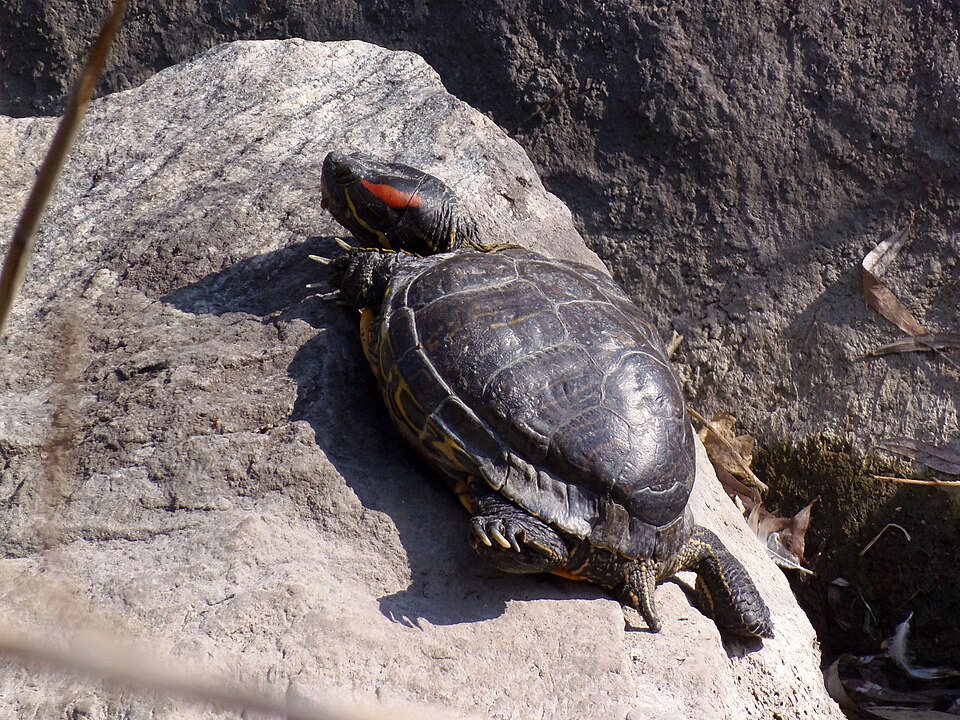
Photo: Diego Delso · CC BY-SA 3.0 · Wikimedia Commons

Articles
SPECIES GUIDEReptiles
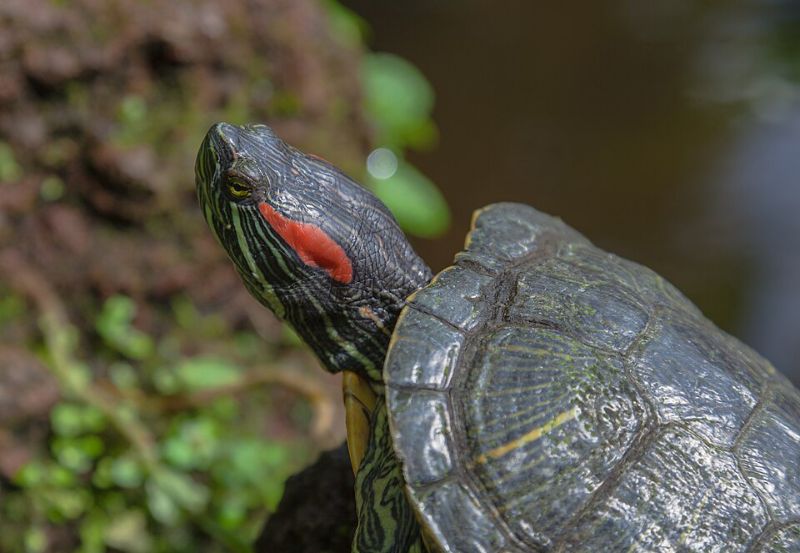
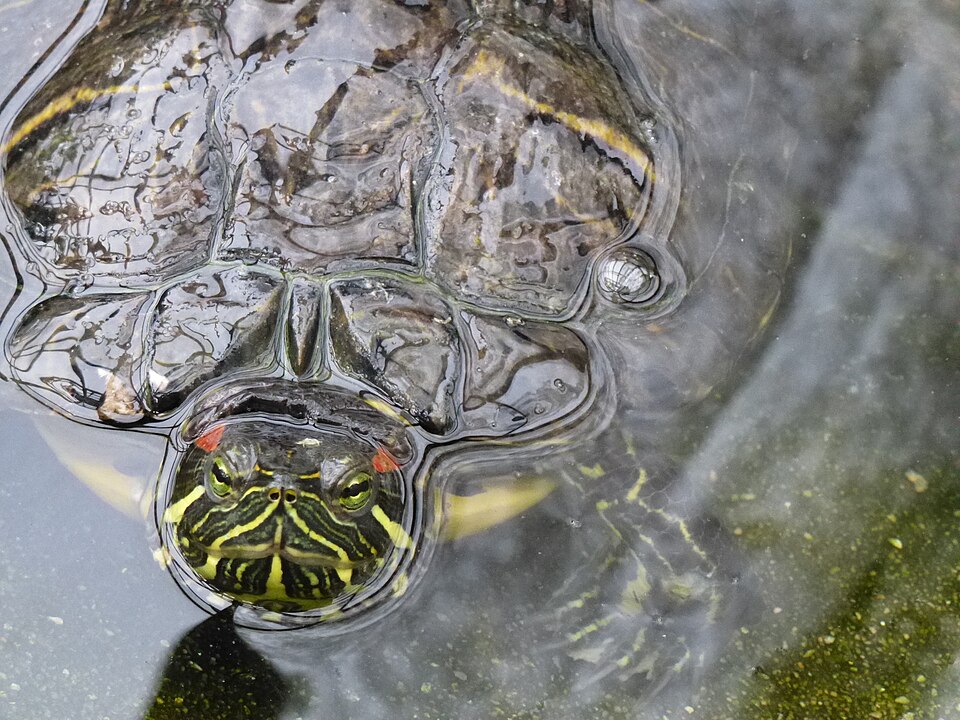
Aquatic turtle care: a big tank, a basking island and a friendship that lasts decadesAn aquatic turtle bought at palm size grows fast and can live 30–40 years. Tank volume, the basking area, heat and UVB lamps, the filter, feeding and why it should never be released into the wild.9 min read · Last checked: October 24, 2026Read →
LEGALReptiles
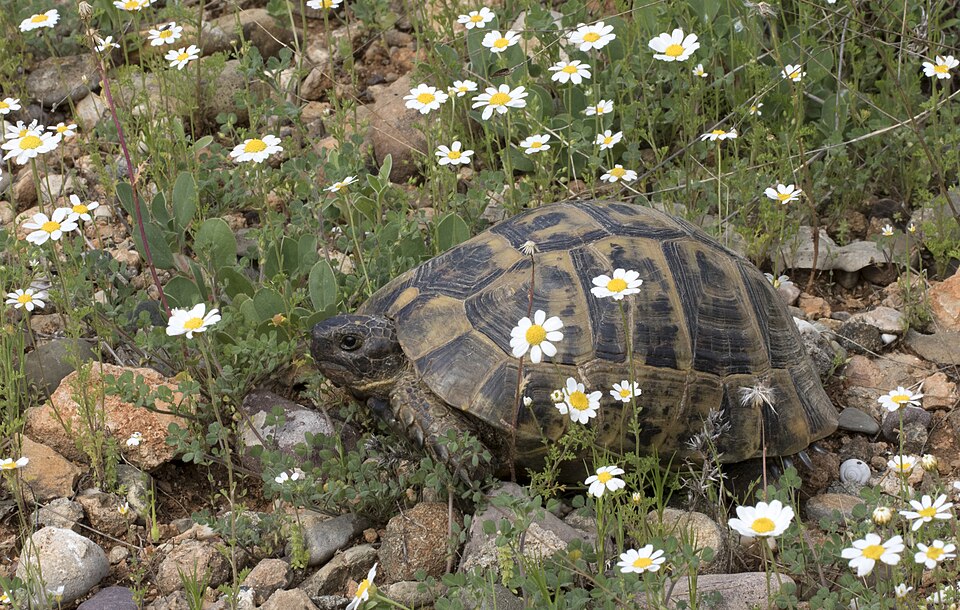
Found a tortoise on the road? Why taking one from the wild is illegal in TurkeyIn Turkey, wild tortoises are protected by the Ministry of Agriculture and Forestry, and collecting them from nature as a hobby or to sell is banned. What to do when you see a tortoise on the road or in your garden, and what to look out for when getting a pet tortoise.9 min read · Last checked: October 24, 2026Read →
SPECIES GUIDEReptiles
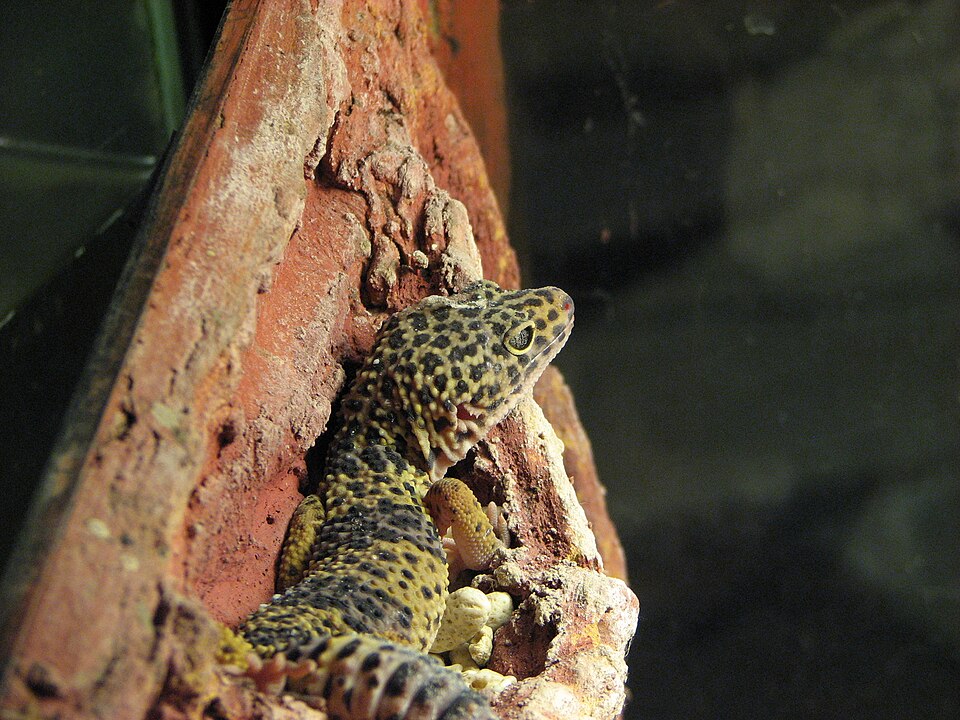
Leopard gecko care: a warm side, a cool side and a tail you should never grabThe leopard gecko is a lizard that becomes active at twilight and can live up to 20 years. Terrarium size, the warm and cool sides, a humid hide, insect food, shedding and why you should never hold one by the tail.8 min read · Last checked: October 24, 2026Read →
CAREReptiles
UVB and heat for reptiles: why the lamp matters and when to replace itReptiles need UVB light to use calcium, and a warm and a cool area to control their body temperature. Why glass blocks UVB, when to replace the lamp, and why a thermometer and a protective guard are a must.7 min read · Last checked: October 24, 2026Read →
SPECIES GUIDEReptiles
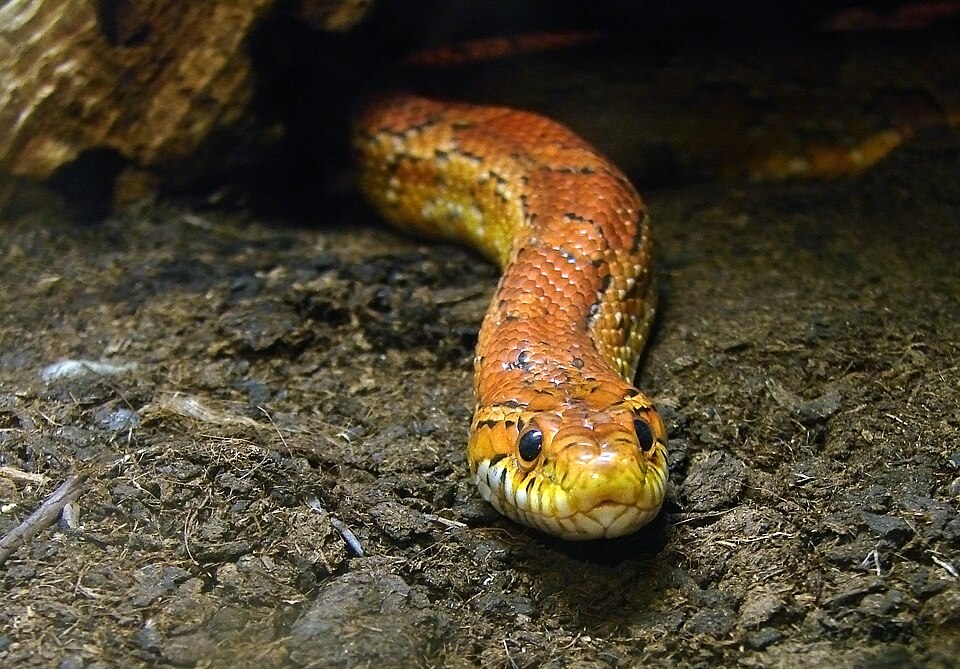
Corn snake care: an escape-proof terrarium, hides and sheddingThe corn snake can grow up to 150 cm long and lives 10–15 years. A locked, secure terrarium, hides, temperature, frozen-thawed food, getting it used to handling and what to watch for when it sheds.8 min read · Last checked: October 24, 2026Read →
HOME SAFETYReptilesAmphibians
Reptiles and Salmonella: even a spotless-looking pet can carry germsAccording to the CDC, turtles, lizards, snakes and amphibians can carry Salmonella even when they look healthy. Handwashing, kitchen and bathroom rules, frozen feeder food, no kissing and precautions for young children.7 min read · Last checked: October 24, 2026Read →
SPECIES GUIDEReptiles
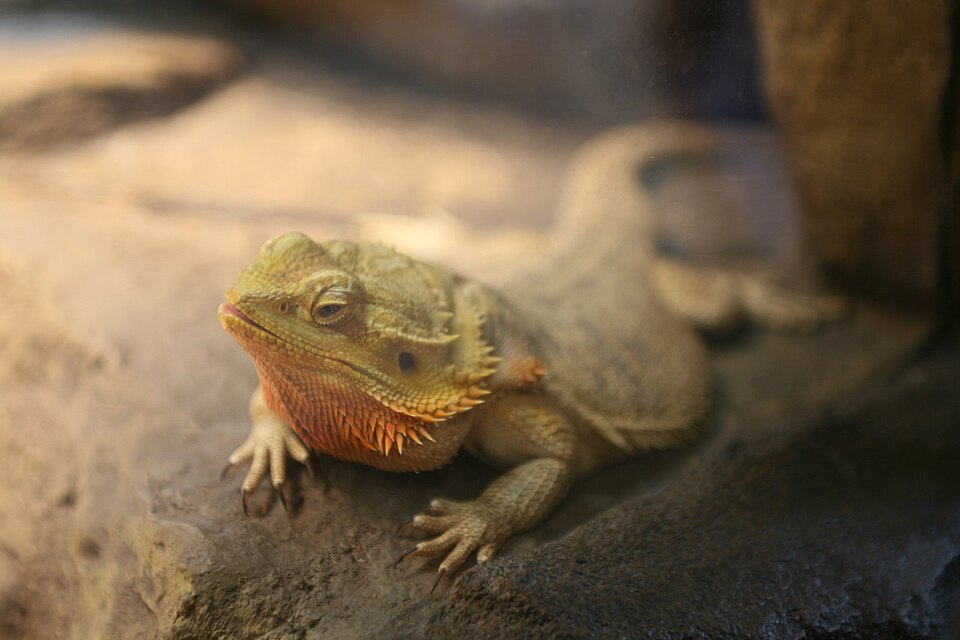
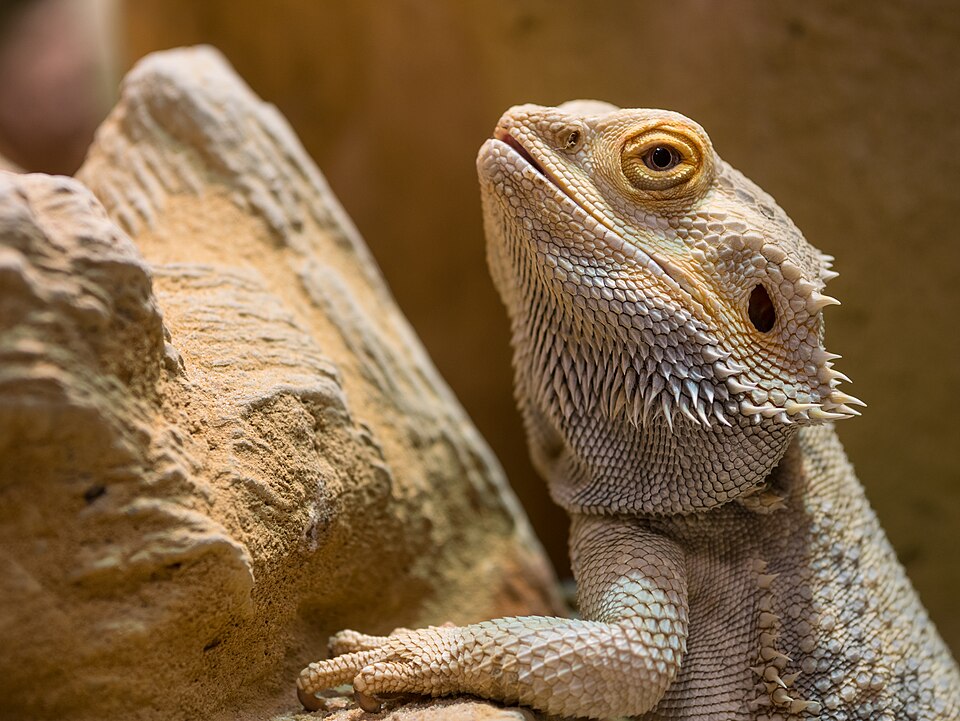
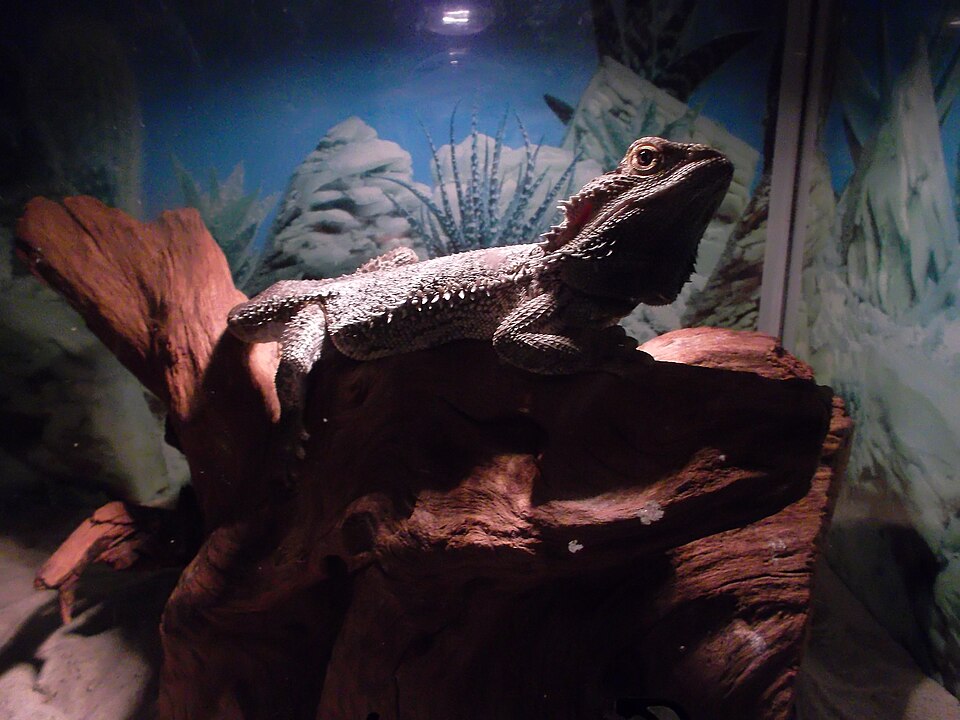
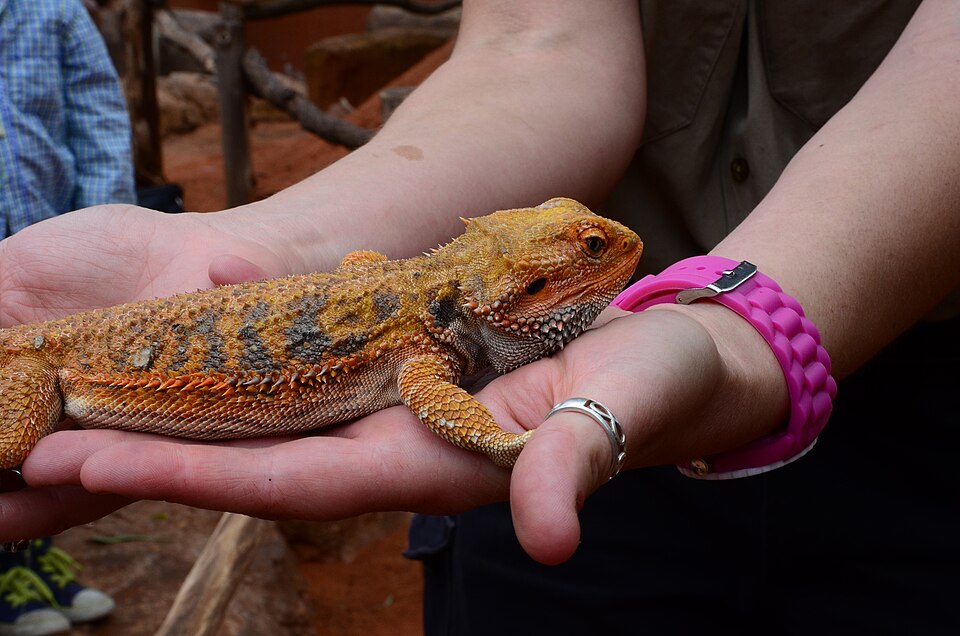
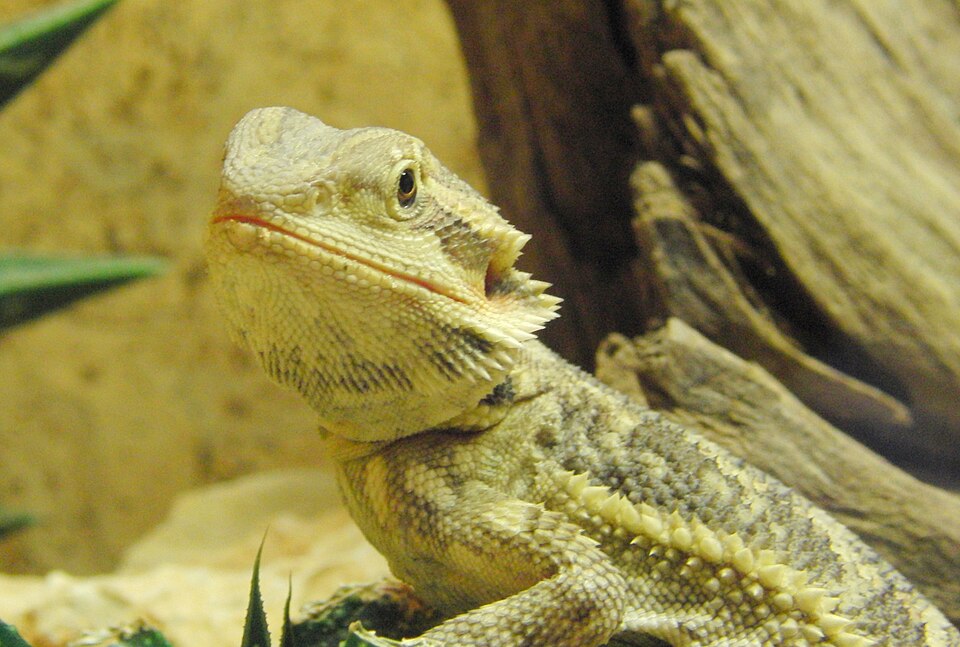
Bearded dragon care: the basking spot, UVB and the balance of insects and greensComing from the dry regions of Australia, the bearded dragon can reach 45 cm including its tail and live for more than a decade. A spacious terrarium, a 38–42 °C basking spot, a UVB lamp, the ratio of insects to greens by age, arm waving and a darkening beard.8 min read · Last checked: October 24, 2026Read →
HOME SAFETYAmphibiansReptiles
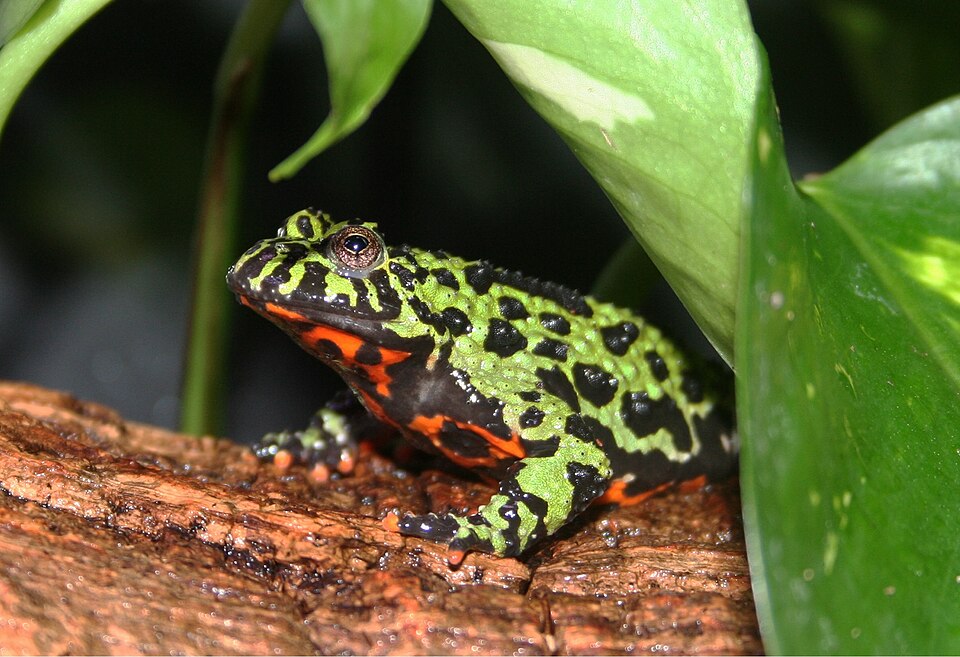
Handling amphibians: sensitive skin, clean hands and SalmonellaThe skin of a frog, salamander or axolotl can absorb residues from your hands, and they can pass Salmonella on to you. When to touch them, how to touch them and what to do afterward, based on the CDC and veterinary sources.8 min read · Last checked: October 24, 2026Read →
SPECIES GUIDEReptiles
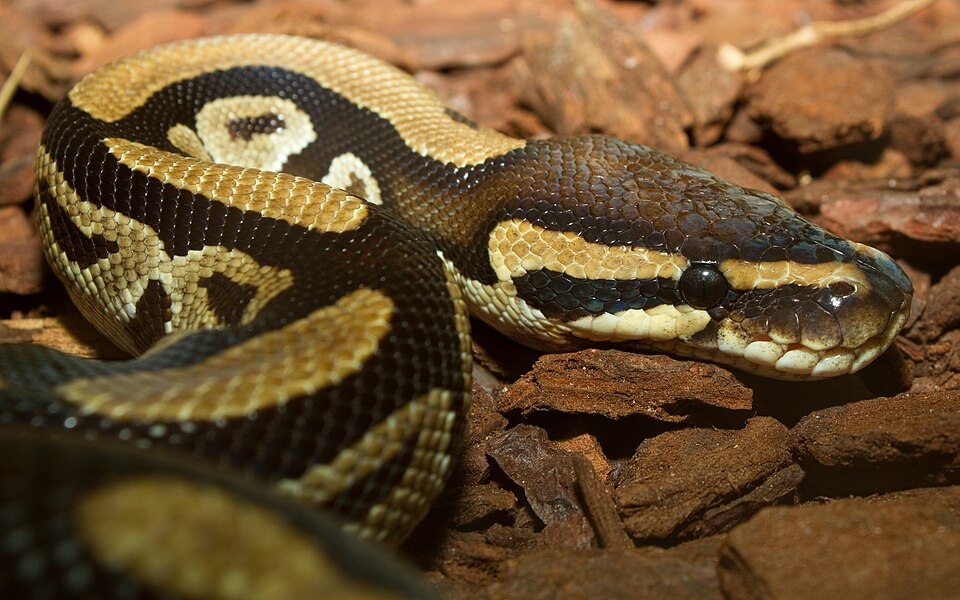
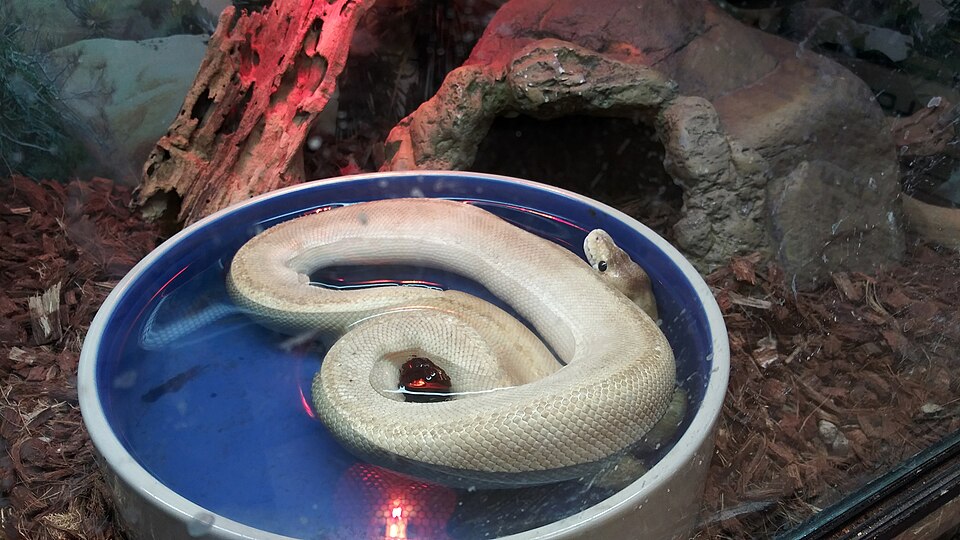
Ball python care: the snake that rolls into a ball, warm hides and days without appetiteThe ball python (royal python) comes from West Africa and, according to the RSPCA, can live more than 20 years in captivity. Enclosure size, temperature and humidity, hides, frozen-thawed prey, getting it used to handling, and the times it refuses food.7 min read · Last checked: October 26, 2026Read →
CAREReptiles
Warm and cool ends in the vivarium: how to set up a temperature gradient and how to measure itReptiles control their body temperature by moving between warm and cool spots. Why a temperature gradient in the vivarium is essential, where the heater goes, how to use a thermostat and thermometers, and what happens at night.6 min read · Last checked: October 26, 2026Read →
CAREReptiles
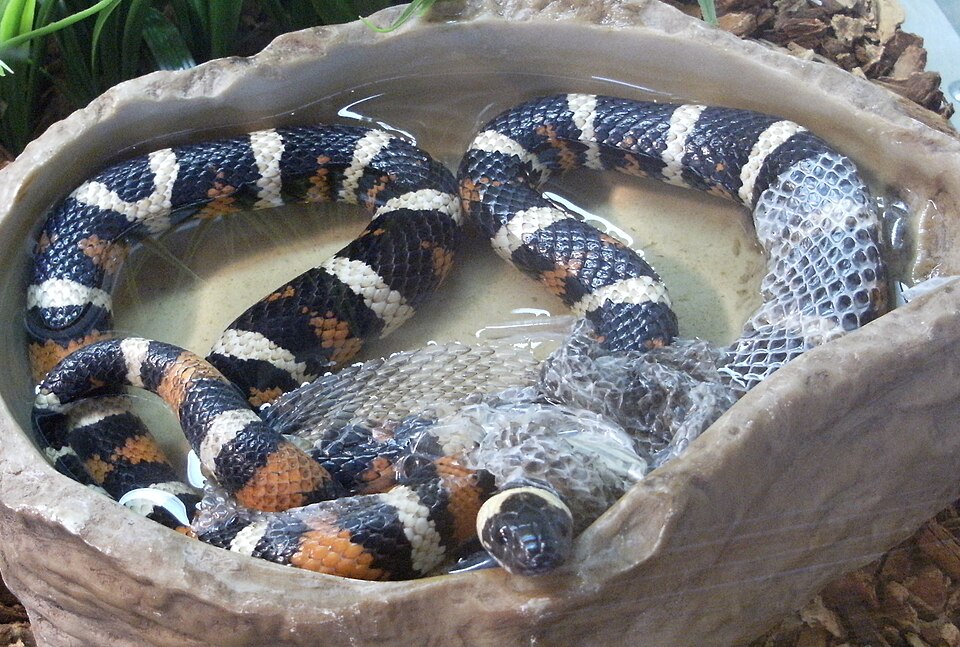
Shedding in reptiles: why it happens, how to tell it's coming, and when to talk to your vetSnakes usually shed their skin in one piece; lizards shed in patches. The signs that a shed is on the way, the role of humidity and a humid hide, why you shouldn't handle your reptile during this time, and what to do if the skin gets stuck.6 min read · Last checked: October 26, 2026Read →
BEHAVIORReptiles
Handling a reptile the right way: getting it used to you, holding it correctly and washing your handsMost reptiles don't like being lifted; but done the right way, many can get used to handling. Waiting the first week, supporting from underneath, leaving the tail alone, keeping it short, recognizing signs of stress, and washing your hands before and after.6 min read · Last checked: October 26, 2026Read →
SPECIES GUIDEReptiles
Before you get a reptile: a long life, special needs, costs and the right sourceReptiles may look like quiet, low-maintenance pets; but they can live for decades and need a home with controlled heat and light, a specialist vet and a steady budget. The questions to ask before you decide, and how to choose the right source.7 min read · Last checked: October 26, 2026Read →
CAREReptiles
Vivarium humidity: how to measure it, raise it and lower itA gecko from a humid forest and a dragon from the desert need very different humidity. Where the hygrometer goes, how to raise or lower humidity, and why you should never cut back on ventilation.6 min read · Last checked: October 28, 2026Read →
CAREReptiles
Vivarium cleaning: what to do every day, every week and every monthA clean vivarium protects both your pet's health and yours. Daily spot cleaning, the water dish, the monthly deep clean, which cleaners are safe, rinsing, drying and branches collected outdoors.6 min read · Last checked: October 28, 2026Read →
BEHAVIORReptiles
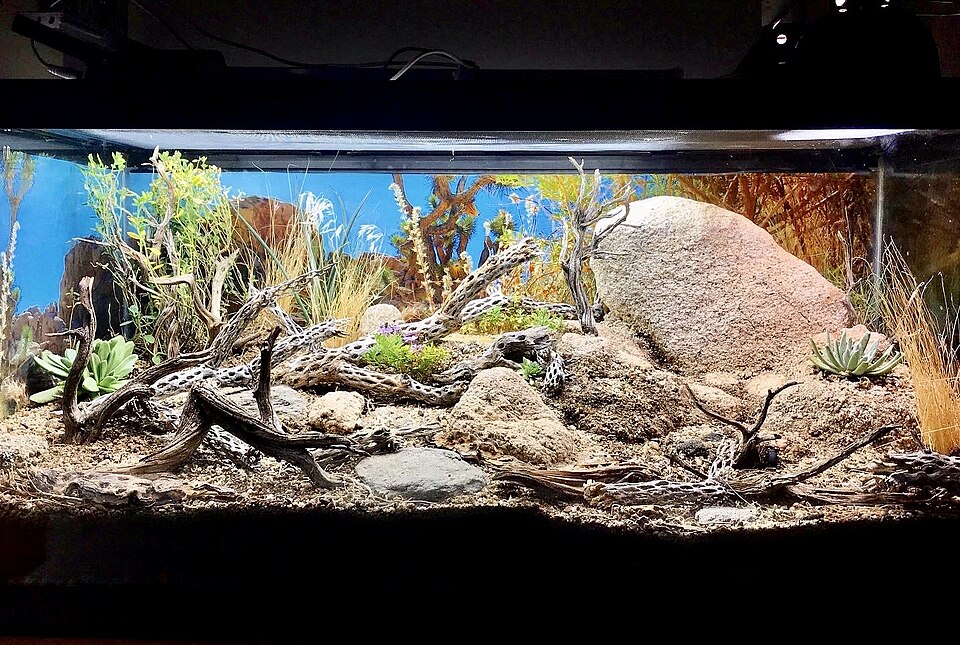
Vivarium enrichment: hiding, climbing, digging and foragingEnrichment means a reptile can do the things it does in the wild inside its vivarium too. Hides, branches and levels, a digging box, scent trails and scatter feeding, plus the safety rules. Based on the RSPCA and a University of Lincoln study.7 min read · Last checked: October 28, 2026Read →
What would you like to read?

If there's something you're curious about, write to us and we'll add it to the list: [email protected]

Other pets

CatsDogsBirdsRabbitsRodentsFishFerretsHedgehogsAmphibiansInvertebrates

Articles are for general information and are not a substitute for diagnosis or treatment. Ask your vet about any decision for your pet.