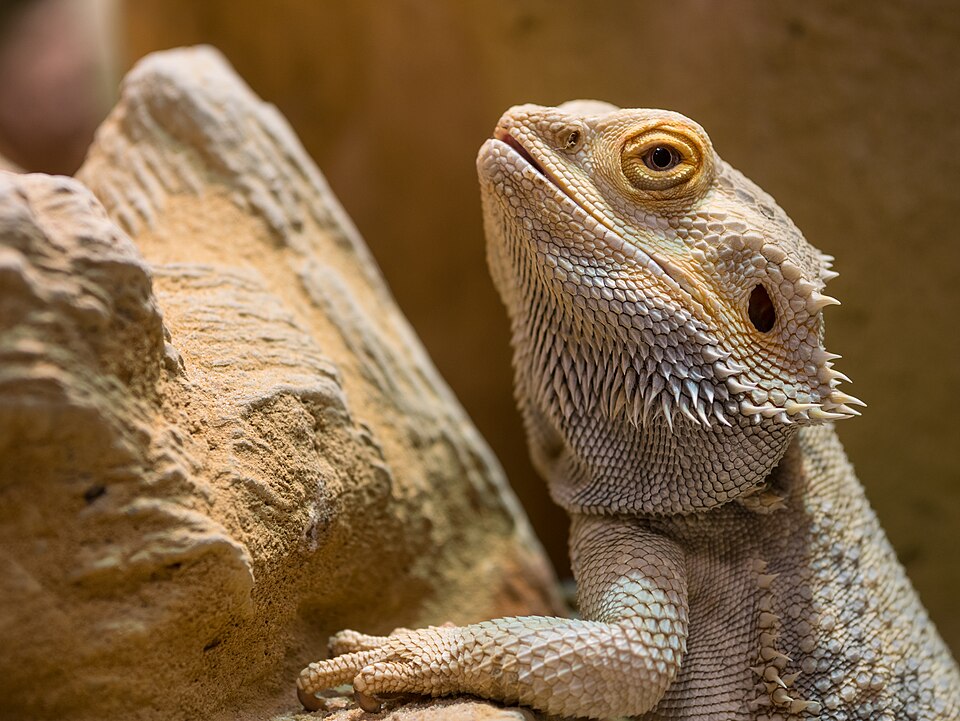
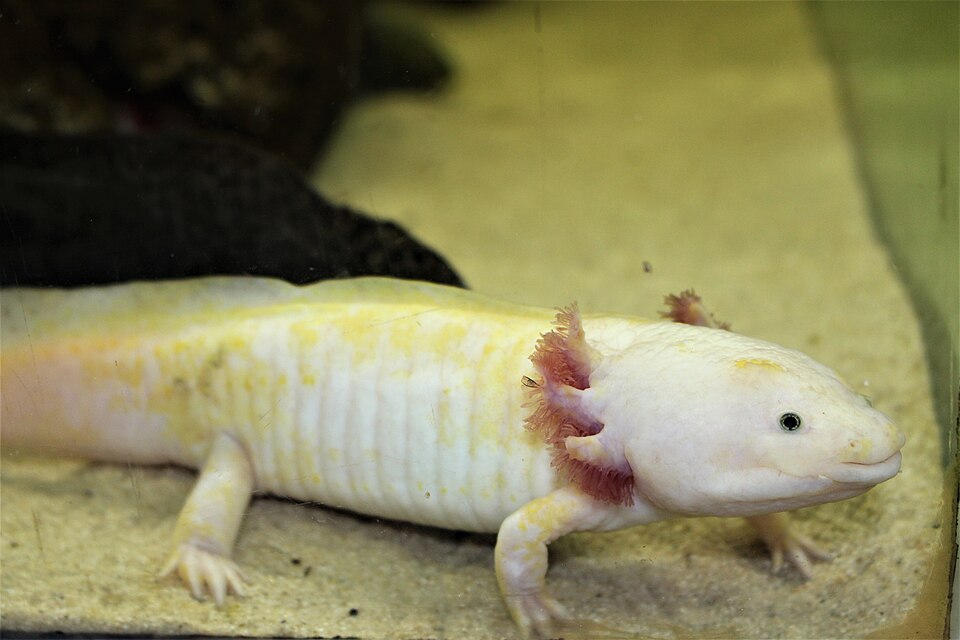
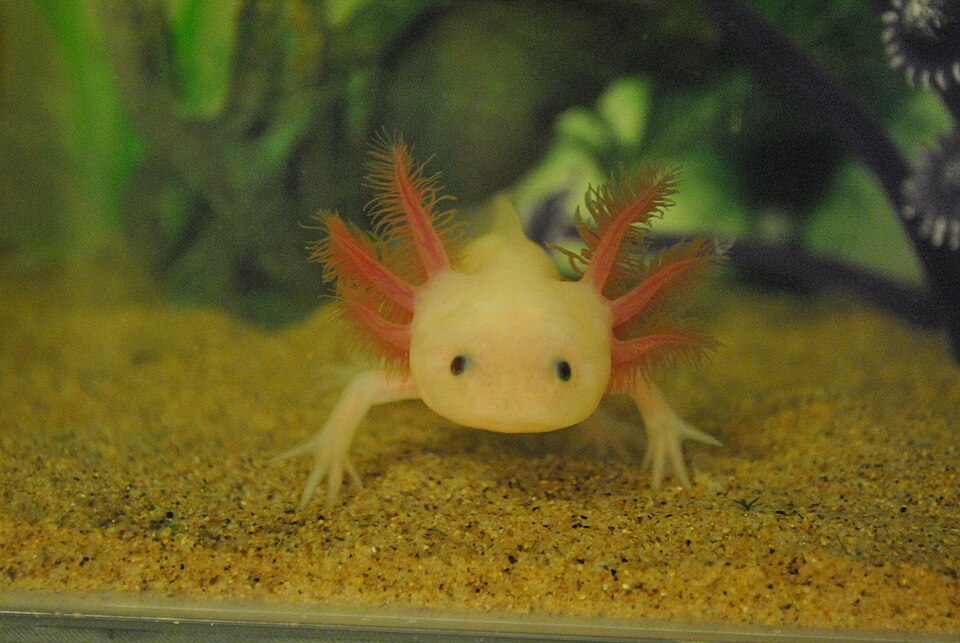
Reptiles and Salmonella: even a spotless-looking pet can carry germs
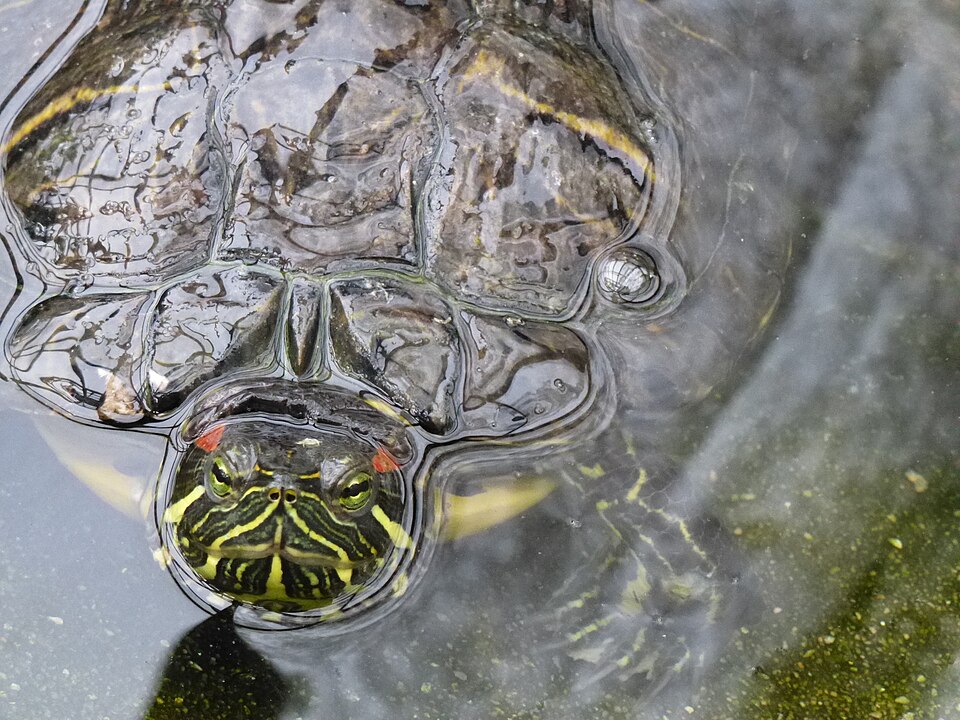
The turtle's shell is gleaming, the gecko is spotless, the tank water is crystal clear. Everything looks fine. But according to the US Centers for Disease Control and Prevention (CDC), reptiles and amphibians are more likely than other pets to carry germs that can make people sick, and the most common of these is Salmonella. The interesting part is that this germ can live in your pet's digestive system without making it ill. There's no need to be afraid: a few simple habits are enough to protect you and your family.
- Even if it looks healthy: According to the CDC, reptiles and amphibians can carry Salmonella even when they look clean and healthy, and a vet can't prevent this.
- Wash your hands: With soap and running water after touching your pet, its food or its terrarium.
- No kitchens: Keep the animal and its things away from the kitchen; don't wash the terrarium in the kitchen sink.
- No kissing, keep it away from your face: The CDC recommends not kissing or snuggling your turtle, and not eating or drinking around it.
- Higher-risk groups: Children under 5, adults over 65 and people with weakened immune systems can get more seriously ill.
How does Salmonella spread?
According to the CDC, reptiles and amphibians usually carry Salmonella in their digestive systems, and turtles of any size can carry the germ in their droppings. It doesn't only spread when you touch the animal: according to the CDC, the animal's environment, its terrarium, the tank water, its food and its things can also be contaminated. So even if you never touch your pet, you can come into contact with the germ while changing the tank water or cleaning its enclosure.
According to the CDC, a vet can't stop a reptile or amphibian from spreading Salmonella. That's why the real protection is in your hands: hygiene.
Who needs to be more careful?
According to the CDC, these people can get more seriously ill from Salmonella:
- Children under 5 (according to the CDC's general Salmonella page, especially babies under 1)
- Adults aged 65 and older
- People with weakened immune systems
The CDC doesn't recommend reptiles and amphibians for homes with young children, people with weakened immune systems or adults over 65. Children under 5 shouldn't touch reptiles, amphibians or their environments. The CDC's turtle page also doesn't recommend pet turtles for children under 5. And according to the CDC, pregnant people in particular shouldn't touch feeder mice.
According to the CDC, selling turtles with shells shorter than 4 inches (about 10 cm) has been banned in the US since 1975. The reason is that small turtles carry a higher risk of illness, especially for children. The European Commission also mentions the red-eared slider as a possible source of Salmonella.
Handwashing: the strongest precaution
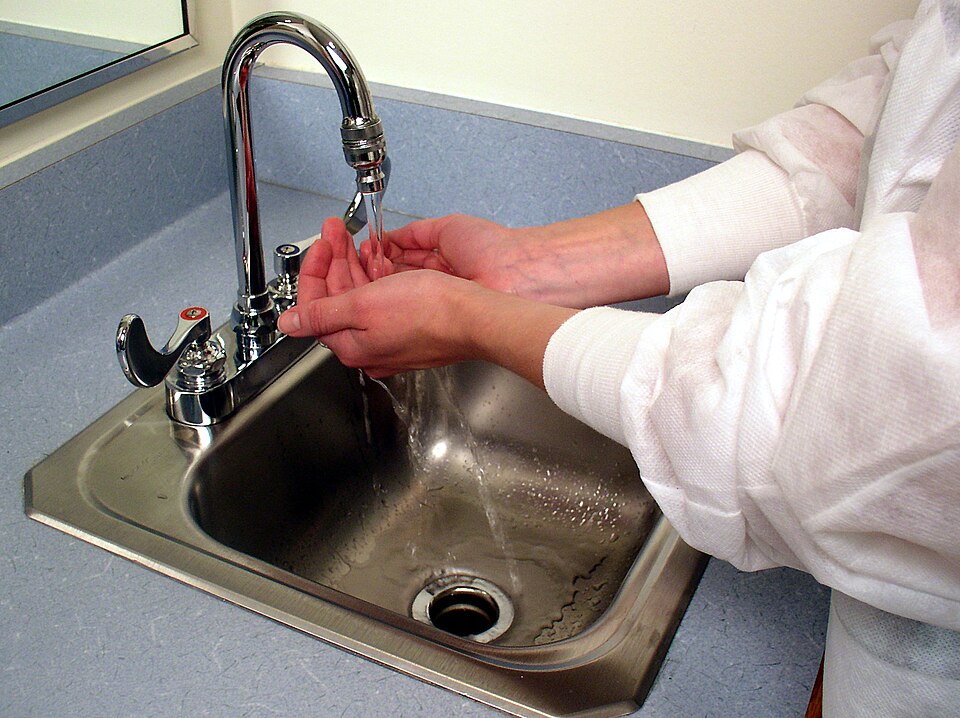
The CDC's advice is clear: wash your hands with soap and running water.
- Right after touching: According to the CDC's turtle page, wash your hands thoroughly right after touching or feeding your turtle. The RSPCA recommends washing your hands before and after touching a reptile and its things.
- After feeding: After feeding your pet or touching its food.
- After cleaning: After cleaning the terrarium or tank.
- Before eating: Before you eat or drink anything.
- If there's no soap: If soap and water aren't available right away, the CDC recommends a hand sanitizer with at least 60% alcohol; stay with young children while they use it so they don't swallow it.
- Children: According to the CDC, adults should make sure young children wash their hands properly.
Kitchen and bathroom rules
According to the CDC, reptiles, amphibians and their things should be kept away from the kitchen and from anywhere food is prepared, stored, served or eaten. The CDC also recommends not letting these animals roam freely around the house.
| Do | Don't |
|---|---|
| Clean the terrarium, dishes and supplies outside the house if you can | Don't clean them in the kitchen sink or on the counter |
| If you can't do it outside, use a laundry sink or the bathtub, then clean and disinfect it thoroughly | Don't let anyone else use the bathtub before it's been cleaned |
| Use a tub and sponge that belong only to your pet | Don't use the same sponge for the dishes |
| Pour tank and terrarium water down the toilet | Don't pour the water into a sink or drain |
The CDC's turtle page recommends that if you're going to use a bathtub or laundry sink, you first take out any other items, and clean and disinfect the tub right after cleaning.
No kissing, keep it away from your face
Planting a kiss on your turtle or holding your lizard against your cheek can seem very sweet. But the CDC recommends not kissing reptiles and amphibians and not holding them close to your face; this raises the germ risk, and can also frighten the animal and make a bite more likely. The CDC's turtle page also recommends not kissing or snuggling a turtle, and not eating or drinking around it.
- Let it see you: The CDC recommends making sure the animal has seen you before you pick it up.
- Feed with tongs: The CDC recommends feeding reptiles with tongs, not by hand.
- Bites or scratches: According to the CDC, wash the wound right away with warm, soapy water. If the wound is serious, becomes red, painful, warm or swollen, or if your last tetanus shot was more than 5 years ago, see a doctor.
Frozen feeder food and feeder insects
Reptiles that are fed mice, such as snakes, come with one more risk. According to the CDC, freezing doesn't kill the germs in feeder mice.
- Use a separate container set aside only for this job to thaw mice.
- Never thaw mice in the microwave, in the kitchen sink or anywhere food is prepared.
- Store pet food separately from human food.
- Wash your hands after touching live or frozen mice, and disinfect any surfaces they touched.
- According to the CDC, mice caught in the wild should never be used as food.
For other details on feeding snakes: corn snake care.
Symptoms of Salmonella
According to the CDC, most people who get Salmonella have diarrhea, fever and stomach cramps. Symptoms usually start 6 hours to 6 days after swallowing the germ, and most people recover in 4–7 days without treatment. But in some people, especially those in higher-risk groups, the illness can become severe and need medical treatment or a hospital stay. If you notice these symptoms in yourself or your child, especially if you're in a higher-risk group, see a doctor.
Before you get a pet
Before getting a reptile or amphibian, the CDC recommends the following: think about who lives in your home (especially if there are young children, older adults or people with weakened immune systems), research its care in advance, find a vet who treats exotic animals, and remember that some species live a very long time. According to the CDC, reptiles and amphibians caught in the wild shouldn't be kept at home. For the rules on wild tortoises in Turkey: tortoises and the law.
Our care articles by species: aquatic turtles, leopard geckos, corn snakes, bearded dragons, UVB and heat. All of them: Reptiles.
Everyone in your Home sees the Terrarium cleaning task on the same list in Tüylüm's Today tab. If you like, you can also add your own task, such as "wash hands after cleaning".
Frequently asked questions
Can I pour tank water down the sink?
According to the CDC, terrarium and tank water should be poured down the toilet, not into a sink or drain. Never use the kitchen sink for this.
There's a baby in the house. Do I have to give up my reptile?
The CDC doesn't recommend reptiles for homes with young children and asks that children under 5 not touch reptiles or their environments. Don't release your pet into the wild on your own; talk to your vet and your child's doctor about what you can do. For a turtle you can't care for, the CDC recommends contacting a reptile rescue group or an animal shelter.
Can a vet clear my pet of Salmonella?
According to the CDC, a vet can't stop a reptile or amphibian from spreading Salmonella. That's why the best protection is handwashing and cleaning rules at home.

Keep track of your pet's care in TüylümLog vet visits, vaccine and medication dates, and we'll remind you when it's time. Share it all with your family in Home.
Sources
- CDC · Reptiles and amphibians
- CDC · Salmonella outbreak linked to small turtles (2024)
- CDC · About Salmonella infection
- RSPCA · How to care for a leopard gecko
- European Commission · Invasive Alien Species of Union Concern (2020, PDF)
By Tüylüm · Published and last checked: October 24, 2026. Spotted a mistake? Write to [email protected] and we'll fix it right away. Photos are from Wikimedia Commons, used under the license shown below each photo.