UVB and heat for reptiles: why the lamp matters and when to replace it
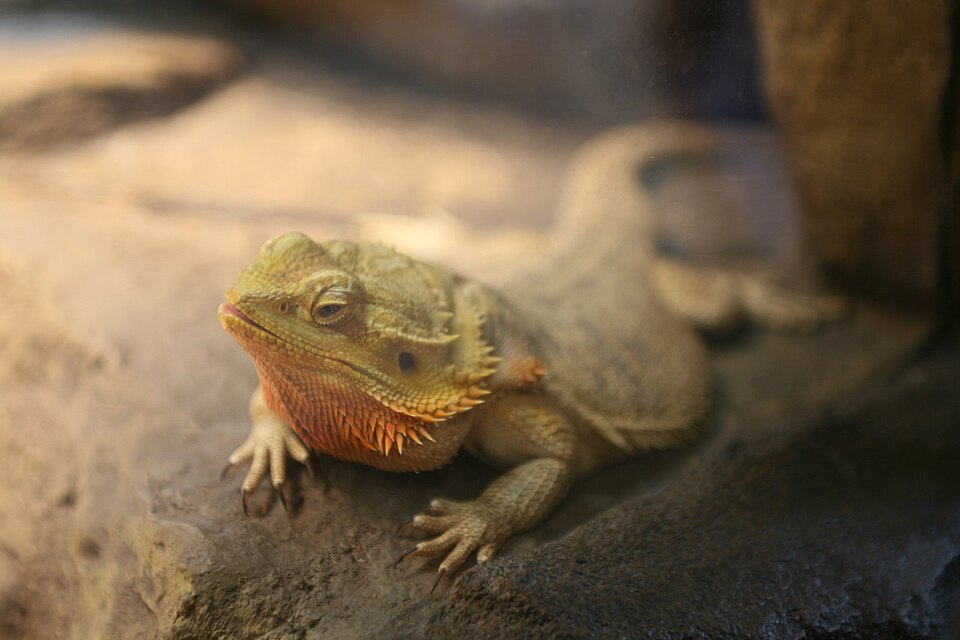
When a lizard in the wild climbs onto a rock in the morning sun, it's actually doing two things at once: warming up, and using the ultraviolet light hitting its skin to make vitamin D3 in its body. In a terrarium there's no sun; lamps take its place. That's why a reptile's health depends largely on two things: the right UVB lamp and the right heat setup. And just because a UVB lamp is on doesn't mean it's still giving off enough UVB.
- UVB, D3 and calcium: According to the Merck Veterinary Manual, many reptiles make vitamin D3 in their skin with UV light; only then can they absorb the calcium in their food.
- Glass and plastic block it: There should be no glass or plastic between the lamp and the animal; sunlight behind a window pane gives no UVB.
- Don't assume it works because it's lit: UVB output drops over time; replace the lamp at the interval the manufacturer gives.
- A warm side and a cool side: A basking spot at one end and a cool area at the other; measure both ends every day with a thermometer.
- Protective guard: Heat and UV lamps should be protected with a guard against burns and breakage, and every heater should be connected to a thermostat.
Why does UVB matter so much?
According to the Merck Veterinary Manual, UV light is essential for many species to make vitamin D3 in their skin, and a reptile can only absorb the calcium in its food with this vitamin. The RSPCA also says that UVB lets reptiles make the vitamin D3 they need to store and use calcium. According to Merck, the packaging of the right lamp should clearly state that it gives off UVB.
If there isn't enough UVB, the bones weaken. According to the RSPCA, metabolic bone disease, which is common in reptiles kept at home, is often caused by a lack of UVB and can lead to permanent deformities.
According to the RSPCA, muscle twitching, swollen legs, weakness or bones that break easily can be signs of bone disease. If you notice anything like this, call a vet experienced with reptiles right away.
Glass, plastic and wire mesh
UVB's biggest enemy is a clear surface in the way. According to the Merck Veterinary Manual, sunlight filtered through glass or plastic has almost no ultraviolet left in it. So there should be no glass or plastic between the lamp and the animal. The RSPCA also says that UVB doesn't pass through window glass, which is why the lamp needs to be placed inside the terrarium.
- A spot by the window isn't UVB: Sunlight behind glass doesn't give your reptile UVB, and a terrarium in direct sunlight can overheat. The RSPCA recommends keeping terrariums out of direct sunlight.
- Wire mesh blocks some of it too: According to the RSPCA, wire mesh blocks part of the UVB; if the lamp sits on top of a mesh lid or the terrarium is tall, a stronger lamp may be needed.
- Distance matters: According to the RSPCA, UVB gets weaker with distance, so place the lamp at the distance the manufacturer recommends.
- Real sunshine: According to Merck, animals that can get outdoors into natural, unfiltered sunlight usually get enough vitamin D3. For bearded dragons, the RSPCA recommends a safe outdoor area with a shaded corner on sunny days; you should never leave your dragon's side while it's out there.
Not every species wants the same lamp
UVB needs vary a lot from species to species. The recommendations on the RSPCA's species pages:
| Species | UVB lamp | UV index (hot spot) | Hot spot | Cool side |
|---|---|---|---|---|
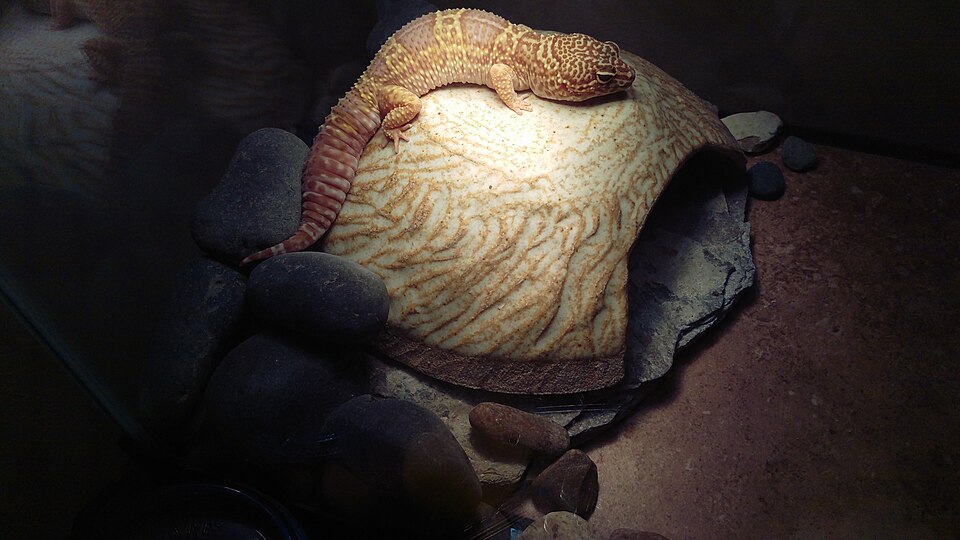
| Leopard gecko | 2–5% tube | 0.7 | 28–30 °C (82–86 °F) | 24–26 °C (75–79 °F) |
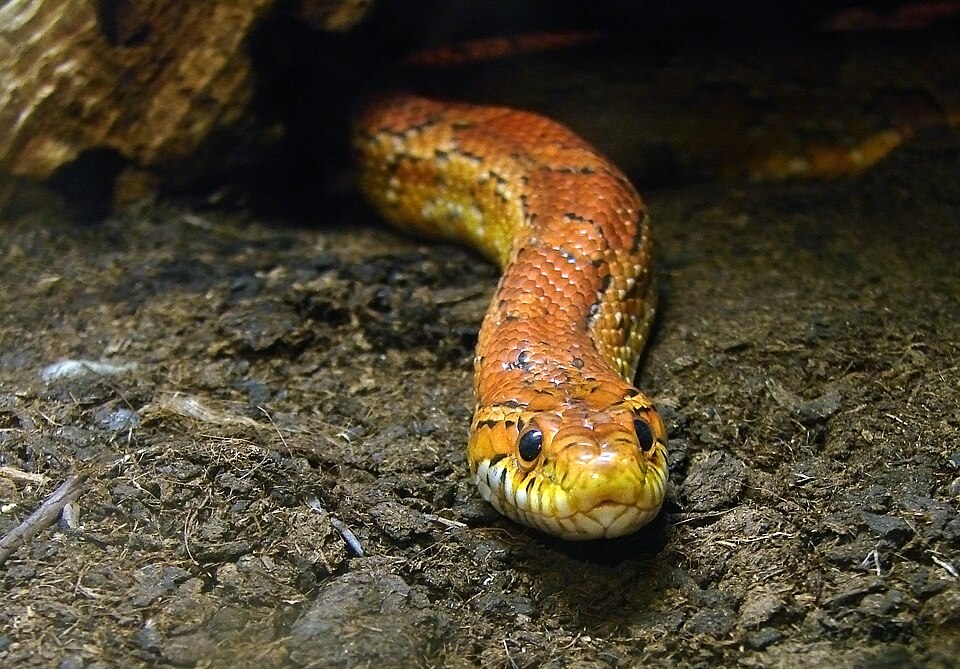
| Corn snake | 2–7% tube | 1.0 | 28–30 °C (82–86 °F) | 20–24 °C (68–75 °F) |
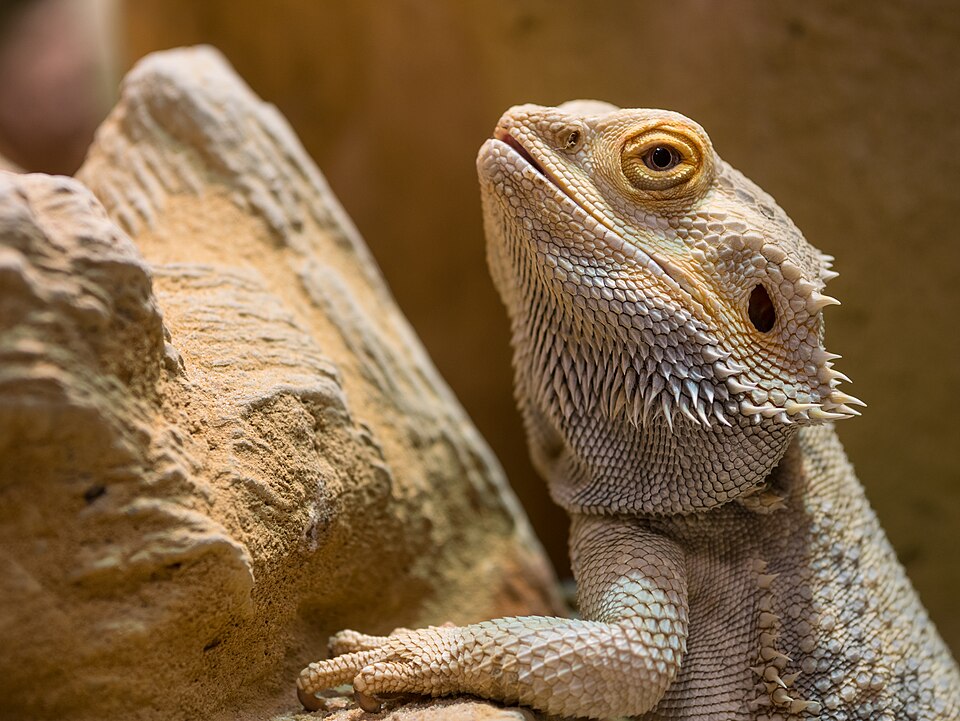
| Bearded dragon | 10–12% high-output tube | 3.0–5.0 | 38–42 °C (100–108 °F) | 22–26 °C (72–79 °F) |
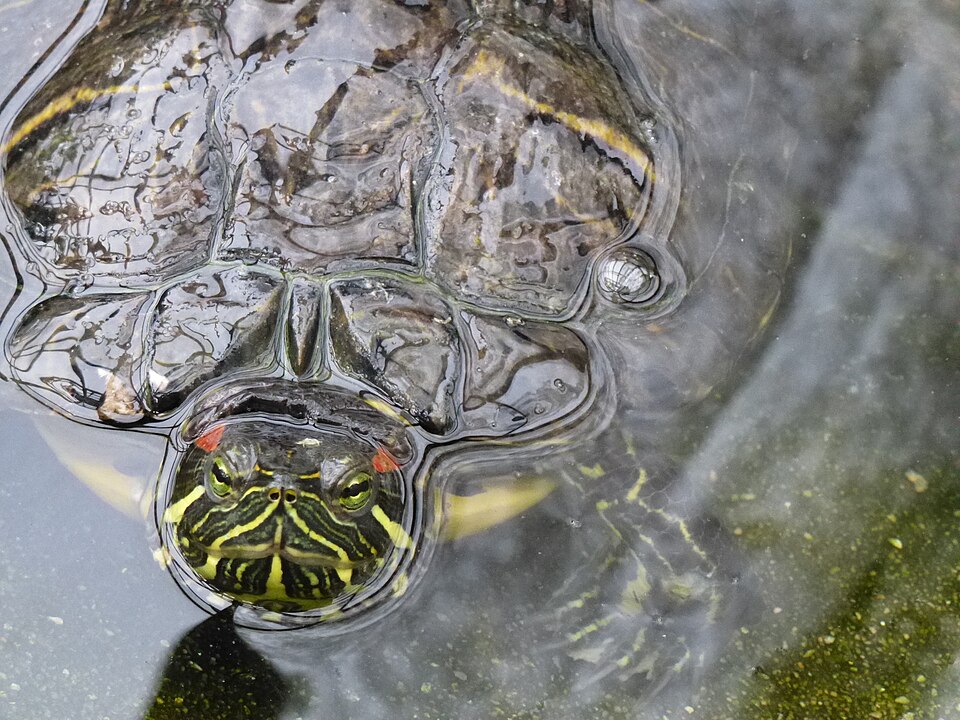
According to the RSPCA, the UV index should drop to zero from the basking spot toward the shade, so the animal can choose for itself how much light it gets. Some color varieties (morphs), such as albinos, need less UVB. For details on aquatic turtles: aquatic turtle care.
Snakes are a little different: according to Merck, full-spectrum (UVB-producing) light is essential for some species, while other species have no special lighting needs; but even for these species, full-spectrum light is still recommended. The RSPCA recommends a low-output UVB tube for corn snakes.
When should the lamp be replaced?
UVB lamps produce less UVB over time, even while they keep giving off light. That's why it isn't enough for the lamp to be on. The RSPCA recommends replacing the lamp at the interval the manufacturer gives, and regularly checking its output with a UV index meter (UVI meter) at the height where the animal sits. The Merck Veterinary Manual recommends replacing fluorescent UVB lamps every 9–12 months. Check the manufacturer's instructions for your own lamp.
- Note the date: Write down the day you fitted the lamp, so you don't forget when it's due for replacement.
- Measure: If you have a UV index meter, measure the light regularly and compare the results.
- The right fitting: The RSPCA recommends fitting the UVB tube with a reflector, in the way the manufacturer recommends.
Heat: a warm side and a cool side
Reptiles can't produce their own body heat. According to the RSPCA, that's why a terrarium needs a heat gradient: a warm basking spot at one end and a cool area at the other. The animal warms up or cools down by moving between the two. The heat lamp and the UVB tube are usually placed at the same, warm end.
- Thermostat: According to the RSPCA, every heater should be connected to a thermostat.
- Two thermometers: Thermostats don't always work correctly. Measure the warm and cool ends every day with a digital or infrared thermometer.
- Night: Depending on the species, the heat is lowered or switched off at night. If the room gets very cold, a ceramic heater that gives off no light can be used.
- Timer: The RSPCA recommends running the lights on a timer, 12 hours on and 12 hours off; all lights should be off at night.
Protection against burns
A reptile that gets too close to a heat source or touches it can be burned. That's why:
- Protective guard: According to the RSPCA, both heat lamps and UV lamps must be protected with a guard, to prevent burns and injuries if a bulb shatters.
- No "hot rocks": According to Merck, "hot rocks" heated from the inside heat unevenly and can cause burns; they aren't recommended.
- No direct contact: According to Merck, all heat sources should be guarded so the reptile can't touch them directly, and controlled by a thermostat.
Tüylüm's Today tab has ready-made tasks that depend on the species: Heat & UV lamp check if you've added a heat lamp, Basking / UV for aquatic turtles and Basking for tortoises. Everyone in your Home sees the same list, so the thermometer check doesn't get forgotten.
Our care articles by species: leopard geckos, corn snakes, bearded dragons, aquatic turtles. All of them: Reptiles.
Frequently asked questions
If I put the terrarium in front of a sunny window, will my reptile get UVB?
No. According to the RSPCA, UVB doesn't pass through window glass. And a terrarium in direct sunlight can overheat; the RSPCA recommends keeping terrariums out of direct sunlight.
The lamp is still on. Why should I replace it?
Because a UVB lamp's output drops over time, even while it keeps lighting up. The RSPCA recommends replacing the lamp at the interval the manufacturer gives and checking its output with a UV index meter.
Does my snake need UVB?
According to Merck, even though some species have no special lighting needs, full-spectrum light is still recommended. The RSPCA recommends a low-output UVB tube for corn snakes. Ask a vet experienced with reptiles about your own snake.

Keep track of your pet's care in TüylümLog vet visits, vaccine and medication dates, and we'll remind you when it's time. Share it all with your family in Home.
Sources
- Merck Veterinary Manual · Providing a home for a reptile
- Merck Veterinary Manual · Management and husbandry of reptiles
- RSPCA · How to care for your bearded dragon
- RSPCA · How to care for a leopard gecko
- RSPCA · How to care for a corn snake
By Tüylüm · Published and last checked: October 24, 2026. Spotted a mistake? Write to [email protected] and we'll fix it right away. Photos are from Wikimedia Commons, used under the license shown below each photo.