Goldfish and koi in a garden pond: depth, winter, predators and child safety
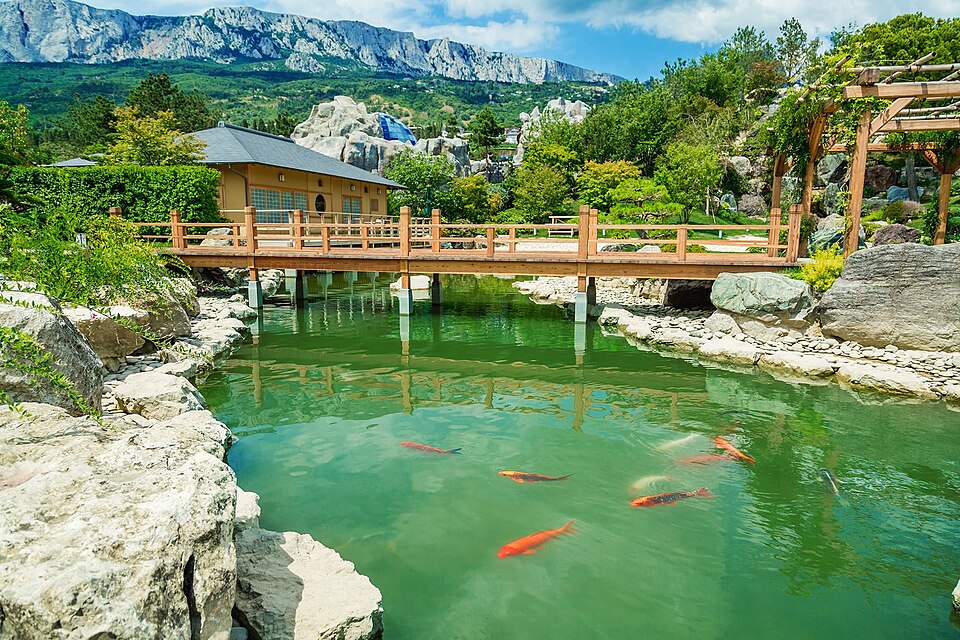
According to OATA, garden ponds are often stocked with goldfish and koi. But a pond isn't a decoration that runs itself; it's a living space that can freeze in winter, warm up in summer and attract predators too. In this article we've gathered, with sources, what you need to know if you're thinking about keeping fish in a garden pond.
- Which fish: According to OATA, non-fancy goldfish suit most ponds; koi can grow up to 75 cm (30 in), so they need a pond of 4,500 liters (about 1,200 gallons) or more. Fancy goldfish, on the other hand, should only be kept indoors in an aquarium.
- Depth: According to OATA, a fish pond should be at least 45–60 cm (18–24 in) deep, and deeper than 90 cm (3 ft) for koi.
- A filter is essential: According to OATA, every pond with fish in it should have a filter; fish should only be added once the pond is mature.
- Winter: According to the RSPCA, the pond shouldn't freeze over completely; if it has frozen, don't break the ice.
- Predators: According to OATA, covering the pond with a net protects fish from birds and other animals.
- Children: According to RoSPA, garden ponds are involved in one in four (26%) of all child drownings in the home.
Which fish suit a pond?
Goldfish and koi may share a pond, but they're very different in size and needs:
| Fish | Size, according to OATA | Pond, according to OATA |
|---|---|---|
| Goldfish (non-fancy varieties) | Usually up to 30 cm (12 in) | Suits most ponds |
| Koi | Up to 75 cm (30 in) | 4,500 liters (about 1,200 gallons) or more; deeper than 90 cm (3 ft); specialist filtration, pumps and UV filters |
Goldfish: According to OATA, goldfish stay smaller, which makes them suitable for most pond setups; shubunkins, sarasa and red comets are popular color varieties for ponds. According to OATA, goldfish have been reported to live up to 20 years.
Koi: According to OATA, koi are perhaps the most famous pond fish, but they're a little more delicate than other species; they need good water quality with minimal fluctuations. OATA recommends asking your retailer about the equipment koi need before you buy them.
Fancy goldfish: According to OATA, fancy varieties such as orandas, black moors and ryukins have been selectively bred for their fins, body shape and color, and are more delicate than common goldfish. That's why, according to OATA, fancy goldfish should be kept only indoors, in an aquarium, not in a pond. For goldfish in an aquarium: why can't a goldfish live in a bowl?
Where to put the pond, and how deep
According to OATA's guide to garden ponds, when you choose a spot:
- Sun and shade: The pond should get 4–6 hours of sunlight a day, but not be fully exposed all day; there should also be a small shaded area. Very sunny spots encourage nuisance algae.
- Away from trees: Trees drop leaves, and their roots make digging difficult.
- Depth: Preformed ponds should be at least 60 cm (2 ft) deep, so there's an area where the temperature stays stable all year. There should be shelves around the edges for shallow plants.
- Watch the mortar: Even a small amount of fresh mortar can make the water dangerously alkaline; don't let it fall into the pond.
According to OATA's guide to pond fish, depth gives fish a cool zone at the bottom in warm spells and a warmer area in freezing winters. That's why fish ponds should be at least 45–60 cm (18–24 in) deep, and deeper than 90 cm (3 ft) for koi.
Filter, plants and maturing the pond
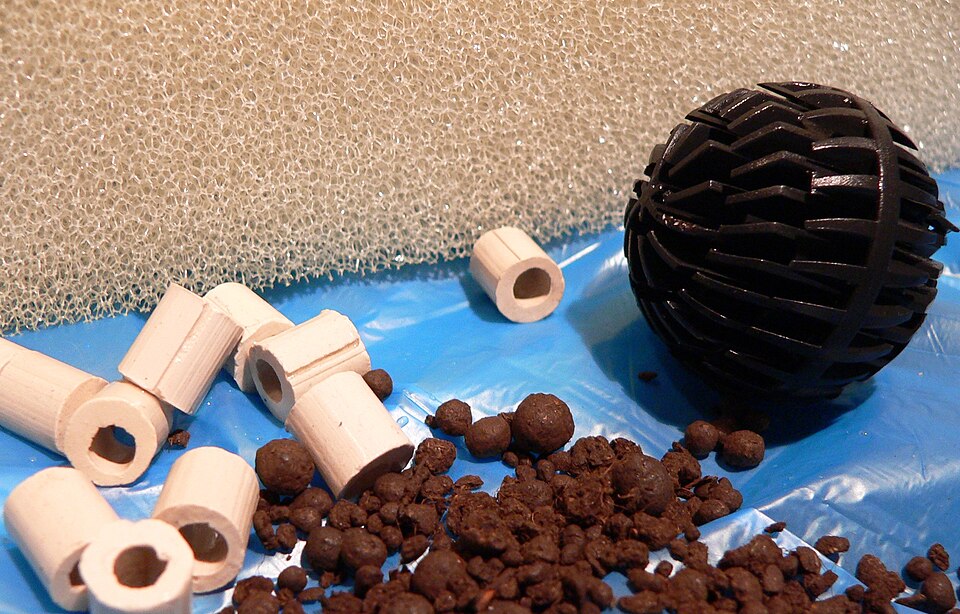
Like an aquarium, a pond has to mature first. According to OATA, every pond with fish needs a filter to stop toxic ammonia and nitrite from building up; a pump or fountain also helps circulate and oxygenate the water. According to OATA, live plants provide oxygen, remove pollutants and provide food for fish, either directly or by supporting microorganisms.
- Prepare the water. According to OATA, once the pond is full, let the water stand for at least 24 hours or use a dechlorinator; run the equipment for at least 24 hours too, and check for leaks.
- Add plants. Marginal, submerged and floating plants help get the maturing process started.
- Mature the filter. Ammonia and nitrite rise first, then fall. According to OATA, the filter is mature once both have dropped to zero and stay at zero.
- Add fish slowly. According to OATA, putting lots of fish into a pond at once leads to "new pond syndrome": the bacteria can't keep up with the waste, and the fish may become ill or die.
- Don't add fish in winter. According to OATA, you should avoid adding new fish to a pond in the winter months; most responsible retailers won't sell outdoor pond fish then.
- Acclimatize with the bag. According to OATA, float the bag in the pond for at least 20 minutes; you can cover it with a towel so the sun doesn't warm the water inside too much. Then add some pond water to the bag, wait another 10 minutes and release the fish.
According to OATA, pond water should be tested at least once a week, and any new tap water going into the pond should be treated with a water conditioner. OATA is clear on feeding, too: once a day, as much as the fish can eat within a few minutes.
Predators: herons and others
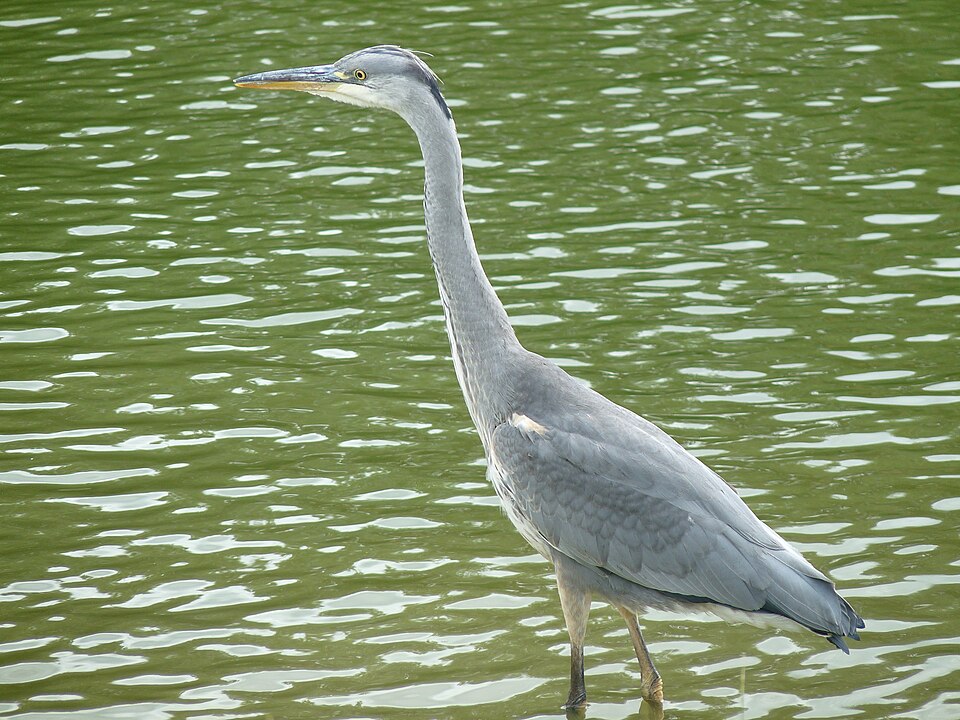
Fish in a pond don't go unnoticed by wildlife. According to OATA, covering the pond with a net protects the fish from wild birds and other animals; this is especially important in winter, when there's little plant cover. OATA recommends:
- For herons: Square netting with a 15–100 mm (0.6–4 in) mesh, held 30 cm (12 in) above the water's surface; or a single-strand, low-voltage electric fence around the edge of the pond.
- For new fish: According to OATA, fish are likely to try jumping out during their first couple of weeks in a new pond; net the pond during this time, too.
- Think of frogs too: For wildlife ponds, OATA recommends flat, square-mesh nets rather than stretchy, diamond-knit ones that frogs can get trapped in.
According to OATA, herons are protected in the UK; the aim isn't to harm them, but to stop them from reaching the fish.
Ponds and wildlife
According to OATA, one of the best ways to enhance a pond for wildlife is not to add fish to it, because fish reduce the numbers of the small invertebrates that form the basis of a wildlife pond. You can still apply one of OATA's suggestions to a fish pond: give one side a long, gentle slope up to the edge, so animals such as hedgehogs that fall in can climb out. For wildlife: frogs in your garden and in the wild.
According to OATA, aquarium and pond animals and plants should never be released into the wild: for most fish this means an untimely and possibly lingering death, and those that survive can harm nature. When choosing pond plants: live plants in the aquarium.
Winter: ice, oxygen and feeding
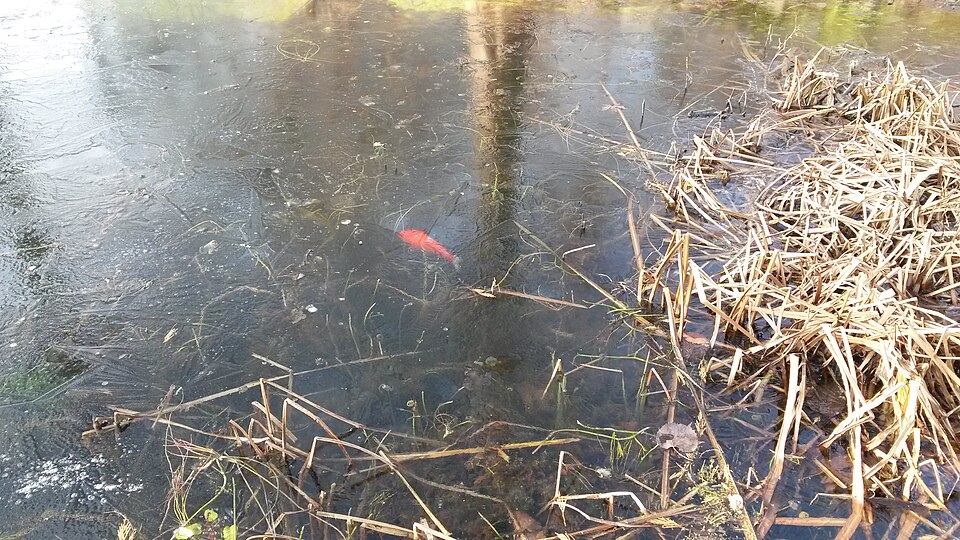
According to the RSPCA, in winter it's normal for pond fish to retreat to deeper areas or under plants and rocks, and to slow down: their metabolism slows in cold water.
- Don't let it freeze over: According to the RSPCA, pond water should stay above 4 °C (39 °F); a floating pond heater or de-icer keeps a small area of the surface open, allowing gas exchange so the fish don't suffocate.
- Don't break the ice: According to the RSPCA, breaking the ice on a frozen pond can harm the fish. Instead, carefully place a saucepan of hot water on the ice to gently melt a hole. Never pour boiling water into the pond, and never use antifreeze or salt to thaw the ice.
- Clear the leaves: According to OATA, as winter sets in, dead plants and leaves should be removed and marginal plants trimmed back; rotting vegetation can release toxic gases and chemicals into the water.
- Feed less: According to OATA, as the water cools you should switch to a lower-protein, more digestible food; if the water drops below 8 °C (46 °F), it may be better not to feed at all. A pond thermometer makes it easier to decide when and how much to feed.
- Start slowly in spring: According to OATA, reintroduce feeding gradually as the water starts to warm up; the bacteria in the filter may take a while to recover.
According to OATA, fish immunity can be weakened after the winter. According to the RSPCA, if you notice lethargy, loss of appetite or unusual behavior, check the water quality and temperature; if the signs continue, talk to a vet who treats fish without delay.
Summer: sun and shade
According to OATA, too much sun can cause temperature problems for species that prefer cooler water and drive heavy algae growth. A deep zone gives fish a cool refuge on hot days, and a bridge or deck over the pond also provides shade. According to OATA, overfeeding should also be avoided in very warm summers.
Children and ponds
A pond is a serious danger to young children. According to RoSPA (the UK's Royal Society for the Prevention of Accidents), garden ponds are involved in one in four (26%) of all child drownings in the home, and when a child falls into a pond there's very little time to act.
- Supervise closely: According to RoSPA, it's vital to supervise young children as closely as you can whenever they're near a pond.
- A sturdy grille: Cover the pond with a rigid metal grille; according to RoSPA, flimsy chicken wire isn't up to the job. Check regularly that the grille is secure and sturdy.
- A fence: RoSPA recommends a fence at least 1.1 meters (about 3.6 ft) high, with gates kept locked. But young children can be very good climbers, so don't let a fence give you a false sense of security.
- For complete peace of mind: According to RoSPA, filling in the pond is the option to go for; you could turn it into a flower bed or a sandpit.
You can add your pond fish to Tüylüm, too. The Water test (weekly) and Filter cleaning (monthly) tasks in the Today tab help you keep up with care, and Food & litter supplies helps you buy food before it runs out.
Frequently asked questions
Can I move the goldfish from my aquarium to a garden pond?
If it's a non-fancy variety, usually yes; according to OATA, non-fancy goldfish suit most ponds. Fancy goldfish, according to OATA, should only be kept indoors. Don't make the move in winter; make sure the pond is mature, and acclimatize the fish to the pond's temperature in its bag.
My pond has frozen. What should I do?
According to the RSPCA, don't break the ice; it can harm the fish. Place a saucepan of hot water on the ice to gently melt a hole. Never use boiling water, antifreeze or salt.
Should I feed my pond fish in winter?
According to OATA, as the water cools you should feed less and switch to a more digestible food; if the water drops below 8 °C (46 °F), it may be better not to feed at all.

Keep track of your pet's care in TüylümLog vet visits, vaccine and medication dates, and we'll remind you when it's time. Share it all with your family in Home.
Sources
- OATA · How to look after pond fish
- OATA · How to set up a garden pond
- OATA · How to set up a wildlife pond
- OATA · How to look after fancy goldfish
- RSPCA · Caring for pet fish in winter
- RoSPA · Pond safety
By Tüylüm · Published and last checked: October 26, 2026. Spotted a mistake? Write to [email protected] and we'll fix it right away. Photos are from Wikimedia Commons, used under the license shown below each photo.