Algae in the aquarium: why does it grow, and are algae eaters the answer?
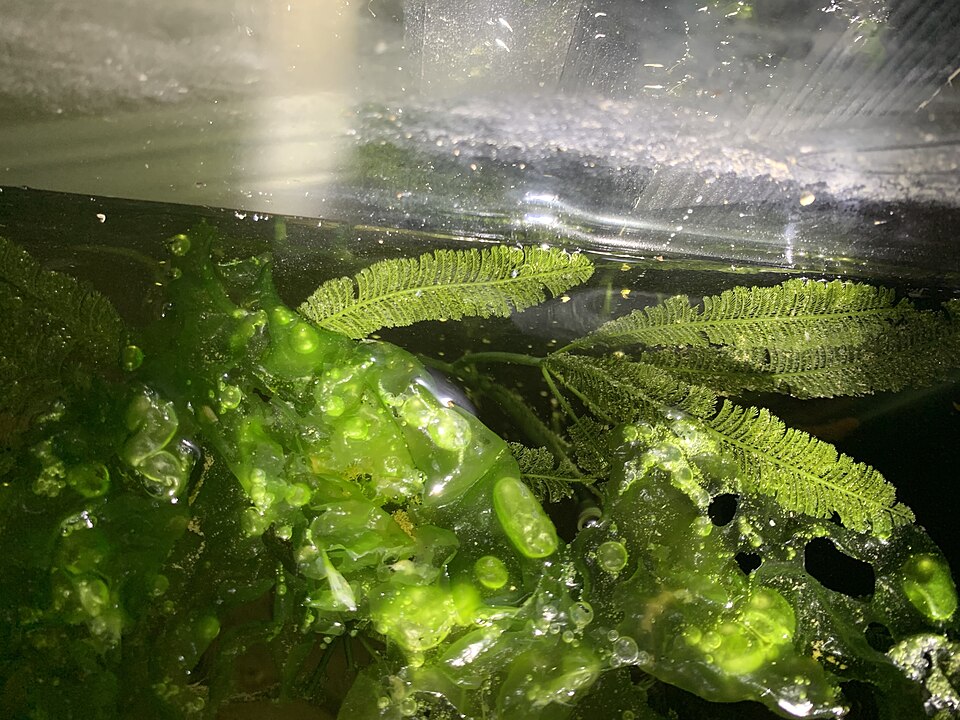
One morning you notice a thin green film on the aquarium glass. A few weeks later it starts creeping over the plant leaves too. The first thought is often, "I'll get an algae-eating fish." But OATA's warning is clear: algae-eating fish are no substitute for regular maintenance and the right number of fish. According to OATA, an algae problem that keeps coming back may be a sign of a water chemistry issue caused by incorrect maintenance. In this article we explain, with sources, why algae grows, how to restore the balance and what algae-eating fish really need.
- A little algae is normal: According to the Merck Veterinary Manual, a moderate amount of algae isn't harmful; but a buildup on the glass or in the water looks bad and means more cleaning.
- Light hours: According to RSPCA Australia, aquarium lights should be on for no more than 10 hours a day; fish need at least 8 hours of darkness.
- Away from the sun: According to RSPCA Australia, keep the aquarium away from direct sunlight and windows to cut down on algae outbreaks.
- Nutrients: According to Merck, nitrate is food for plants and algae; according to OATA, keeping fewer fish in the tank reduces the nutrients in the water and the algae problems.
- Algae eaters aren't the fix: According to OATA, they don't replace maintenance, and all of them need extra food.
When does algae become a problem?
Algae is a natural part of life in an aquarium. According to the Merck Veterinary Manual, a moderate amount of algae isn't harmful. The trouble starts when it builds up on the glass or in the water: it looks bad, and according to Merck the tank needs more cleaning.
For algae to grow that much, something has to be feeding it. According to Merck, the nitrate that the filter bacteria make from fish waste is food for plants and algae. So before you start fighting the algae, look at what's feeding it. As OATA points out, if the algae just won't go away, the problem may lie in the maintenance itself.
Three things that feed algae: light, sunlight and nutrients
Light. Like plants, algae grows with light. According to RSPCA Australia, aquarium lights should be on for no more than 10 hours a day, and fish need at least 8 hours of darkness; the lights should be off at night. According to Merck, fish need a day/night cycle to stay healthy; leaving the lights on 24 hours a day stresses them. OATA recommends putting the lights in a planted aquarium on a timer. We covered light hours for planted tanks in detail in live aquarium plants.
Sunlight. A windowsill is a bad spot for an aquarium. According to RSPCA Australia, keep the aquarium away from direct sunlight and windows to cut down on algae outbreaks. Merck also recommends keeping the tank out of direct sunlight; besides boosting algae, the sun warms the water, and according to Merck, the warmer the water gets, the less oxygen it holds.
Nutrients. Algae runs on the nutrients in the water. The causes our sources point to:
- Overstocking: According to OATA's planted aquarium guide, keeping fewer fish in the tank reduces the nutrients in the water and eases algae problems.
- Overfeeding: RSPCA Australia recommends feeding fish once a day, only what they can eat in under two minutes. According to OATA, uneaten food rots and releases toxic waste into the water. More on this: overfeeding aquarium fish.
- Infrequent water changes: According to OATA, regular partial water changes remove excess waste from the water and prevent algae buildup. For tanks with algae eaters, OATA recommends keeping nitrate no more than 20 mg/L above your normal tap water level.
- The water itself: According to Merck, minerals dissolved in the water you fill the tank with can also lead to excess algae growth.
- A small tank: According to OATA, the water chemistry in a larger volume is more stable, which helps keep algae under control.
Restoring the balance: step by step
- Test the water. OATA recommends testing once a week for ammonia, nitrite, nitrate, pH and hardness. Write down the results; when the algae increases, you'll see what changed.
- Put the lights on a timer. No more than 10 hours of light and at least 8 hours of darkness a day (RSPCA Australia).
- Block the sun. If the tank gets direct sunlight, think about a better spot for it.
- Feed less. Once a day, only as much as can be eaten in two minutes (RSPCA Australia).
- Do regular partial water changes. RSPCA Australia recommends changing 10–25% of the water every week. According to OATA, in planted tanks partial changes of up to 50% a week remove excess waste and prevent algae buildup. How to do it: aquarium water changes.
- Plant densely. According to OATA, planting heavily when you first set up the tank stops algae from getting established and outcompeting your plants.
- Wipe the glass once a week. In Merck's maintenance schedule, removing algae from the glass is a weekly job. According to RSPCA Australia, you can gently wipe the inside of the glass with a clean, aquarium-safe sponge or a magnetic glass cleaner. Never use soap or detergent.
In Tüylüm's Today tab, the suggested tasks for fish include a daily Lights on / off and a weekly Aquarium glass cleaning. Add them and you won't forget the light schedule or wiping the glass; everyone in your Home sees the same list.
Algae-eating fish and shrimp
Some fish and shrimp that graze on algae really do help an aquarium. But according to OATA, none of them replace regular maintenance and the right number of fish, and each has its own needs. A few examples from OATA's guide to algae eaters:
| Species | Size according to OATA | What to watch for |
|---|---|---|
| Bristlenose catfish | About 15 cm (6 in) | Plenty of hiding places and at least one piece of wood to graze on; only one male per group |
| Clown pleco | Usually no more than 10 cm (4 in) | Needs wood as part of its diet; two males may fight; likes to hide, needs plenty of cover |
| Otocinclus | About 4 cm (1.5 in) | Very social, groups of at least five; shy, needs a calm tank and clean, well-oxygenated water |
| Amano shrimp | Up to 5 cm (2 in) | Can live with larger fish; groups of at least five; very sensitive to copper |
| Siamese algae eater | Up to 16 cm (6 in) | A tank at least 120 cm (4 ft) long with a well-fitting lid; alone, or five or more to reduce bullying; there are look-alike species too |
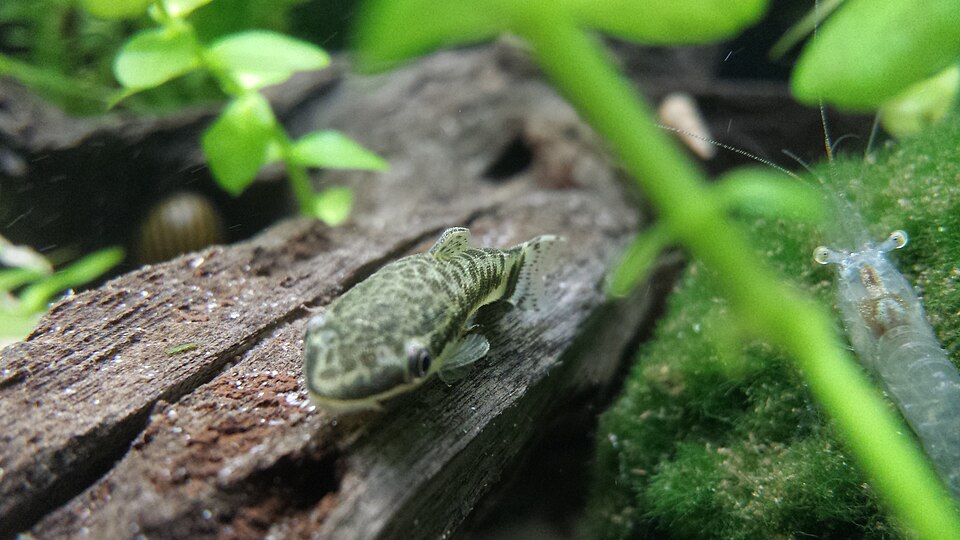
Algae alone won't fill up an algae eater. According to OATA, all of these species need their diet supplemented with prepared foods: algae-based wafers or flakes, and vegetables such as cucumber. Since vegetables can carry pesticides, OATA recommends buying organic or washing them thoroughly. OATA recommends feeding once a day, only what they can eat in a few minutes; you can allow a little extra time for algae-based foods.
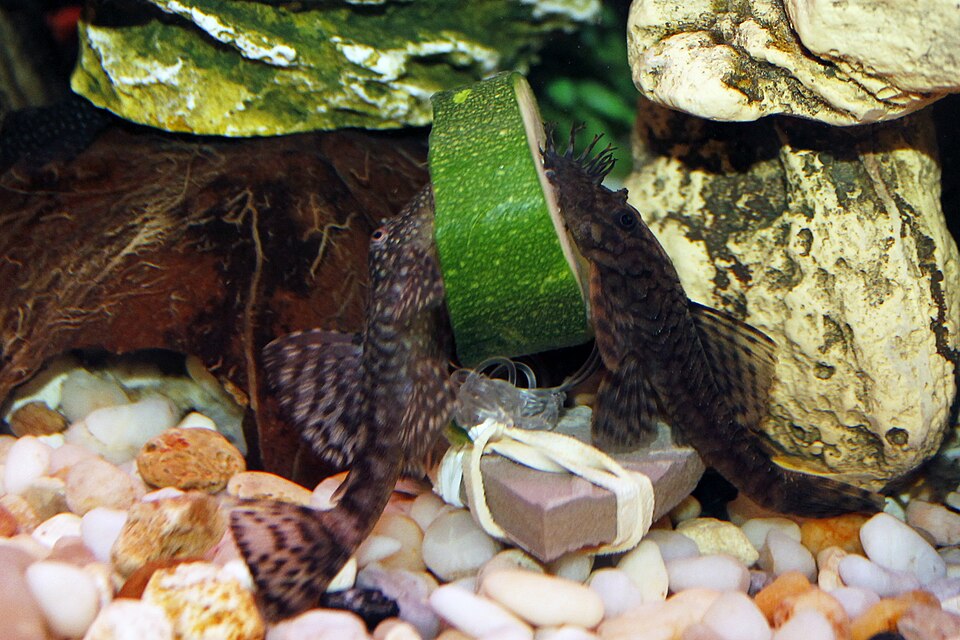
Before you buy an algae eater, also ask whether your tank suits it. A species like the Siamese algae eater grows up to 16 cm (6 in) and needs a tank at least 120 cm (4 ft) long. If you're thinking about snails: aquarium snails. For shrimp: cherry shrimp aquarium.
Be careful with algae-removing chemicals
Getting rid of algae with a chemical product can look like the easy way out. But think twice before you reach for one.
According to a University of Florida (UF/IFAS) publication, copper has been used for many years to control algae. But according to the same publication, the levels at which it works can be toxic to some fish and deadly to most invertebrates, and copper also harms the beneficial bacteria in the filter. According to OATA, shrimp are very sensitive to copper. If you're thinking about using an algae remover, read the ingredients, and if you have shrimp or snails in the tank, ask your retailer first. The lasting fix is to remove whatever is feeding the algae.
Frequently asked questions
Should an aquarium have no algae at all?
No. According to the Merck Veterinary Manual, a moderate amount of algae isn't harmful. When algae starts building up on the glass or in the water, look at the light hours, sunlight, how much you feed and your water changes; according to OATA, algae that keeps coming back can be a sign that something isn't right with the maintenance.
If I buy an algae-eating fish, will that solve the problem?
According to OATA, no: algae-eating fish are no substitute for regular maintenance and the right number of fish. On top of that, all of them need extra food, and some need a large tank. Find what's feeding the algae first, and think of an algae eater as a tankmate that suits your aquarium.
How long should I leave the aquarium lights on?
According to RSPCA Australia, no more than 10 hours a day; fish need at least 8 hours of darkness. According to Merck, leaving the lights on all the time stresses fish. We gathered OATA's advice for planted tanks in live aquarium plants. Putting the lights on a timer makes it easier.

Keep track of your pet's care in TüylümLog vet visits, vaccine and medication dates, and we'll remind you when it's time. Share it all with your family in Home.
Sources
- OATA · How to look after tropical algae eaters
- OATA · How to set up a planted aquarium
- RSPCA Australia · How should I care for my tropical fish?
- Merck Veterinary Manual · Providing a Home for Fish
- Merck Veterinary Manual · Routine Health Care of Fish
- UF/IFAS Extension · Use of Copper in Marine Aquaculture and Aquarium Systems (FA165)
By Tüylüm · Published and last checked: October 28, 2026. Spotted a mistake? Write to [email protected] and we'll fix it right away. Photos are from Wikimedia Commons, used under the license shown below each photo.