Setting up your home for an aging cat: litter box, ramps, warm bed, food and water
Our cats live much longer than they used to. According to International Cat Care, that's thanks to better nutrition, veterinary care and home care. The organization says cats are now considered "mature" from age 7, "senior" between 11 and 14, and "super senior" at 15 and over. As cats age, moving around, jumping and grooming themselves can get harder, and an older cat's home can be made easier with small changes. In this article, based on International Cat Care's advice, we cover what you can change at home. We don't describe illnesses; if you notice a change in your cat, talk to your veterinarian.
- Litter box: An open box with low sides that's easy to step in and out of.
- Getting up high: Shallow steps or a gently sloping ramp; put something soft under high spots.
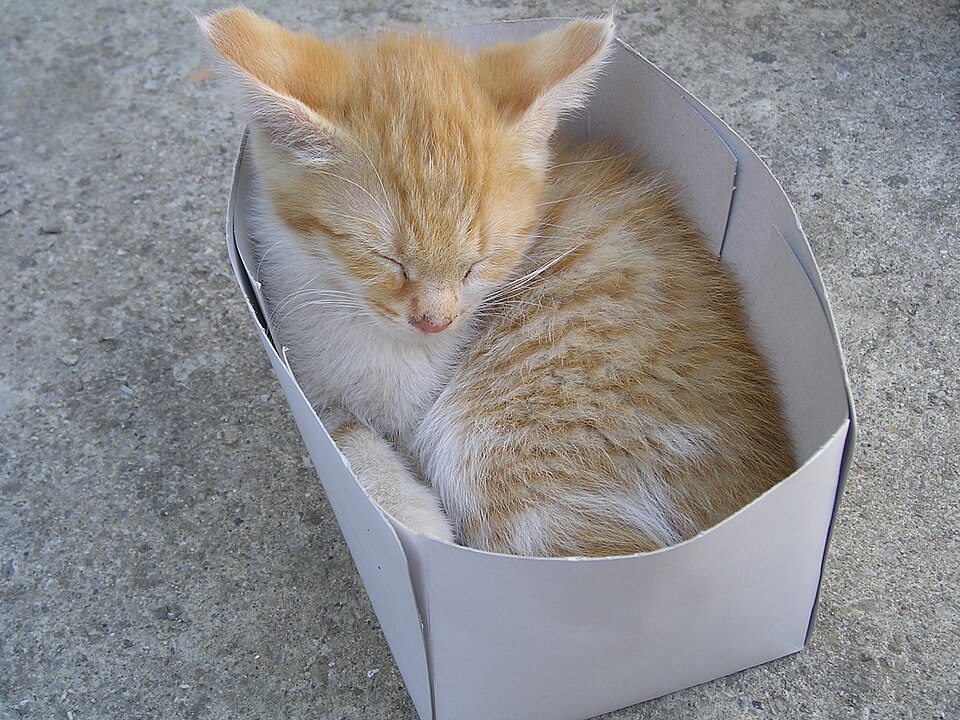
- Bed: Warm, washable, and not too high off the floor.
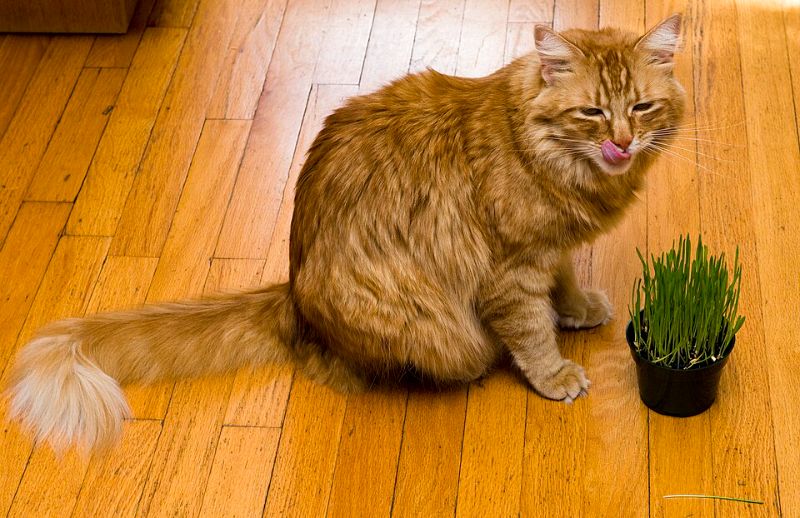
- Food and water: All bowls on the level your cat uses most, easy to reach; raised a little if needed.
- Floors: Mats and runners on slippery floors.
- Play: Gentle, short games and mental stimulation; older cats still like to play.
First, know what aging looks like at home
According to International Cat Care, as cats age, their ability to smell and taste food, hearing, immune function and stress tolerance can decline. Behavior changes too: they hunt less, sleep longer, play less, groom less, may be more vocal and may become more dependent on you. Because cats adapt to these changes gradually, they're easy to miss; the organization suggests watching specifically for them as your cat gets older.
One more tip from the organization: go slowly when you change the layout. Older cats don't cope especially well with changes in routine; the organization even notes that, for holiday care, an older cat may eventually prefer to stay home with someone familiar visiting.
The litter box: low, open and within reach
International Cat Care recommends a litter box for older cats, because even cats with outdoor access may not want to go out in cold, damp weather. Low sides make getting in and out easier. The organization says open boxes with low sides are ideal for older cats, but you'll need trial and error to find your cat's preference. Using a box also lets you check urine and stools for anything unusual. For choosing and placing a box, see our litter box guide.
The organization usually suggests keeping the litter box away from food and water. For very senior cats, or cats with cognitive problems, it suggests keeping all resources within easy reach to avoid confusion.
Getting up high: steps and ramps
Most cats love a high lookout, but International Cat Care says jumping can be difficult for some senior cats. The organization's suggestions:
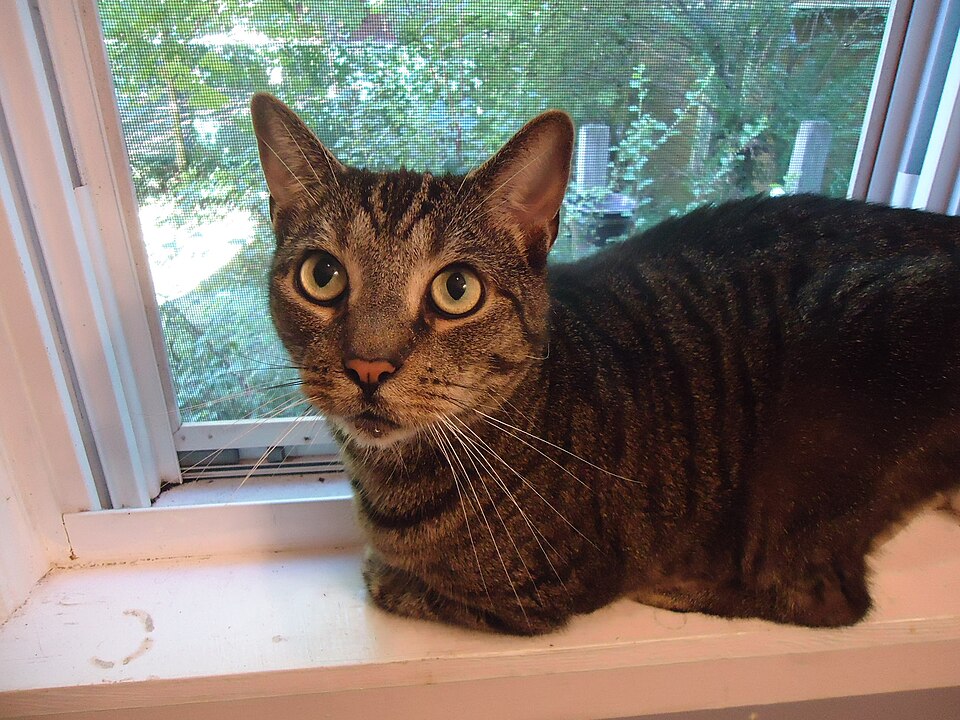
- Shallow steps or a gently sloping ramp: To reach a favorite lookout like a windowsill comfortably.
- A ramp to the sofa or bed: The organization shows a homemade, carpeted ramp that helps an older cat reach a favorite spot on the sofa.
- Soft objects under high spots: For older cats who are losing their balance or agility.
- Padded objects under narrow windowsills: The organization says some cats lose their balance as they age and can fall easily; where you can, encourage sleeping on secure, wider surfaces.
- Easy ways down: International Cat Care says cats need to be able to get down from high places easily, especially older cats with limited mobility.
For general ideas about vertical space, see our vertical space guide; for an older cat, keep things low and stepped.
A warm, comfortable bed
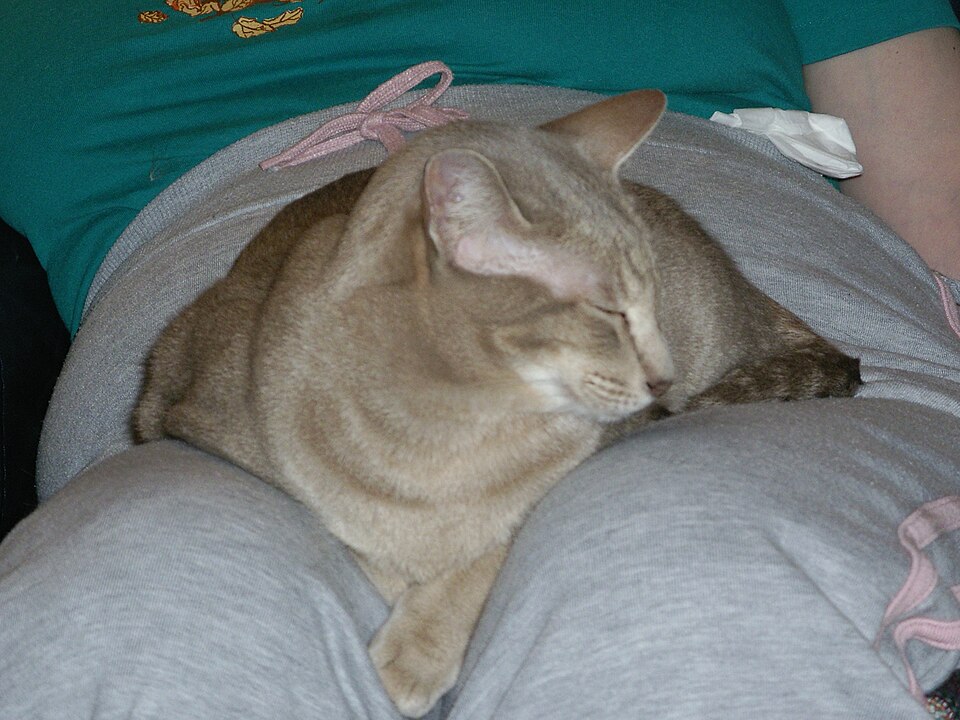
Many cats like to sleep up high, such as on your bed, a windowsill or the sofa. If your cat can't jump, the organization recommends ramps and steps. A thermal blanket that's easy to wash and keeps your cat warm adds comfort. International Cat Care's cat friendly home page also suggests radiator beds: it says the warmth may be soothing for older cats with arthritis, and since they're not far off the ground, most cats can reach them. Tube-like radiator beds can give shy cats extra cover, though the organization suggests also offering a higher option.
Food and water bowls
According to International Cat Care, older cats' sense of smell and taste decline, so appetite may dip a little. The organization's suggestions for food and water:
- A quiet spot: So your cat isn't distracted by noise and activity at mealtimes.
- A wide, shallow or rimmed bowl: The organization says older cats may prefer these. For bowl choice, see our food and water bowl article.
- A raised bowl: If your cat has joint problems, putting a bowl on a box can reduce bending; the organization gives this as an example.
- Water bowls around the home: The organization suggests easily accessible water bowls in different places, away from where food is eaten; your cat may prefer a different bowl, fountain or type of water.
- Everything on one level: If stairs are hard, put food, water, beds, litter boxes, scratching posts and toys all on the level your cat uses most.
- Uneaten wet food: The organization says not to leave it out for more than an hour, and not to offer many foods at once.
If you notice a change in your cat's eating or drinking, see the note below.
Floors and scratching spots
International Cat Care says laminate, tile or wood floors can be slippery for older cats; place mats and runners around the home. In carpeted homes, it suggests cut-pile runners over loop-pile carpet so claws don't get caught. For scratching, the organization recommends horizontal scratching posts, since tall vertical posts can strain arthritic joints. You can also read why cats scratch in our scratching article.
Play and mental stimulation
International Cat Care says older cats like to play too; even with less energy and mobility, gentle games can become valuable time together. The organization's ideas:
| Play | Why? |
|---|---|
| Larger "kick" toys | Encourage kicking with the back legs, which the organization calls great exercise for stiff hindlegs |
| A box lying on its side, or with an opening cut in it | Easy to get in and out of |
| Puzzle feeders | Mental stimulation; shouldn't take too much effort or stop your cat from eating the amount needed |
| Short, gentle play sessions | Your cat still bonds with you through play |
For general play ideas, see our indoor cat play guide. With an older cat, keep play calm and stop when you see signs of tiredness.
Among the signs International Cat Care lists for senior cats that call for a vet appointment are loss of appetite, weight loss, drinking more often or in larger amounts, stiffness, limping or difficulty jumping, tiredness, lumps or bumps, balance problems, toilet accidents or difficulty passing urine or feces, disorientation, uncharacteristic behavior such as hiding or excessive vocalizing, and changes in grooming. The organization also says matted fur or overgrown claws may be a sign of a medical problem. If you notice any of these, don't guess; talk to your veterinarian, who can also tell you how often your cat should have check-ups.
For your senior cat, the weight tracking chart helps you see changes; Food & litter supplies reminds you before it runs out. Write down changes you notice (appetite, toilet habits, movement) in the Complaint log and show them to your vet in the Show the vet summary. You can tick off care tasks on the Today tab.
Frequently asked questions
At what age is a cat considered a senior?
According to International Cat Care, cats are "mature" from age 7, "senior" between 11 and 14, and "super senior" at 15 and over. The organization says the first two years equal 24 human years and each year after that equals 4; for example, a 16-year-old cat is about the equivalent of an 80-year-old person.
We have stairs and my cat struggles to get to the upper floor. What can I do?
If your cat finds stairs difficult and spends most time on one level, International Cat Care suggests putting food, water, beds, litter boxes, scratching posts and toys all on that level.
Do I need to replace my cat's old litter box?
The organization says open boxes with low sides are ideal for older cats, but finding your cat's preference takes trial and error. If your cat has stopped using the box or is having toilet accidents, talk to your veterinarian.

Keep track of your pet's care in TüylümLog vet visits, vaccine and medication dates, and we'll remind you when it's time. Share it all with your family in Home.
Sources
- International Cat Care · Special considerations for senior cats
- International Cat Care · Making your home cat friendly
- International Cat Care · Playing with your cat
This article is for general information only; it is not a diagnosis or treatment advice and does not replace a visit to a veterinarian. Talk to your vet about decisions on your pet's health. By Tüylüm · Published and last checked: November 9, 2026. Spotted a mistake? Write to [email protected] and we'll fix it right away. Photos are from Wikimedia Commons, used under the license shown below each photo.