Home setup for an aging dog: non-slip floors, ramps, a comfy bed, and short but frequent walks
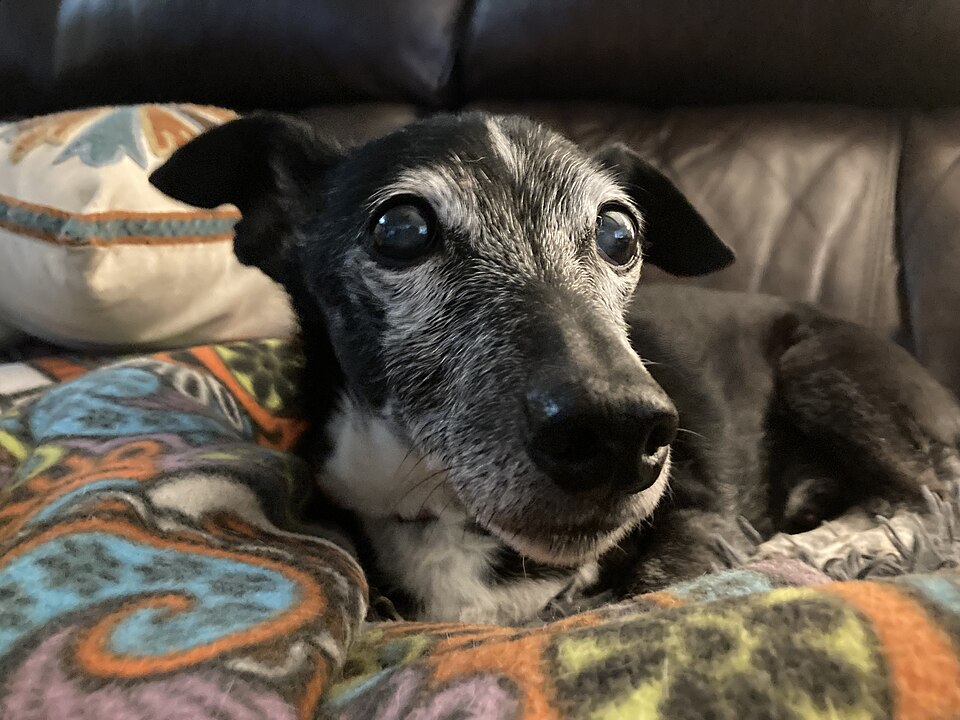
As dogs age, daily life slows down: jumping onto the couch in one go, walking on slippery hardwood, or a long outing may start to feel hard. The good news is that small changes at home can make the day a lot easier. Based on advice from Battersea, the RSPCA, PDSA and Dogs Trust, we outline a simple setup for flooring, bedding, ramps, walks and mental stimulation. We don't cover illnesses; if you have a concern about your older dog, talk to your veterinarian.
- Floors: According to Battersea and the RSPCA, lay non-slip rugs or mats over slippery floors.
- Bed: Soft and comfortable, ideally away from drafts and on the floor near where your dog already settles.
- Ramps and steps: For a dog that struggles to get onto the couch or into the car, a ramp or steps; introduce them gradually.
- Walks: According to PDSA and the RSPCA, "little and often": a short route with rest breaks.
- Mind: Sniffing games, puzzle toys and trick training don't strain the joints (Battersea, RSPCA, PDSA).
- Routine: Older dogs like a predictable day; avoid sudden changes.
When does a dog count as senior?
According to Battersea, large dogs are generally considered senior from about 6 or 7 years old, and small dogs from about 10 to 12. Of course that's an average; every dog ages differently. What matters is noticing small changes in your dog's movement and habits and arranging the home accordingly.
Floors: prevent slipping
According to the RSPCA, smooth, slippery floors are hard for older dogs to walk on; the organization suggests putting down a rug or carpet to give them grip. Battersea says wood and laminate floors can be slippery and that non-slip rugs give your dog stable footing. PDSA also lists rugs on slippery floors among helpful aids for older dogs.
- On the routes they use: Put rugs or non-slip runners on the path from the bed to the kitchen, the door and the food and water bowls.
- In the bath: Battersea suggests a non-slip mat in the tub if you bathe your dog at home.
- Keep everything within reach: The RSPCA recommends keeping food, water, toys and the bed easy to get to, and making sure your dog can get to their toilet area regularly.
Bed: soft, quiet, reachable
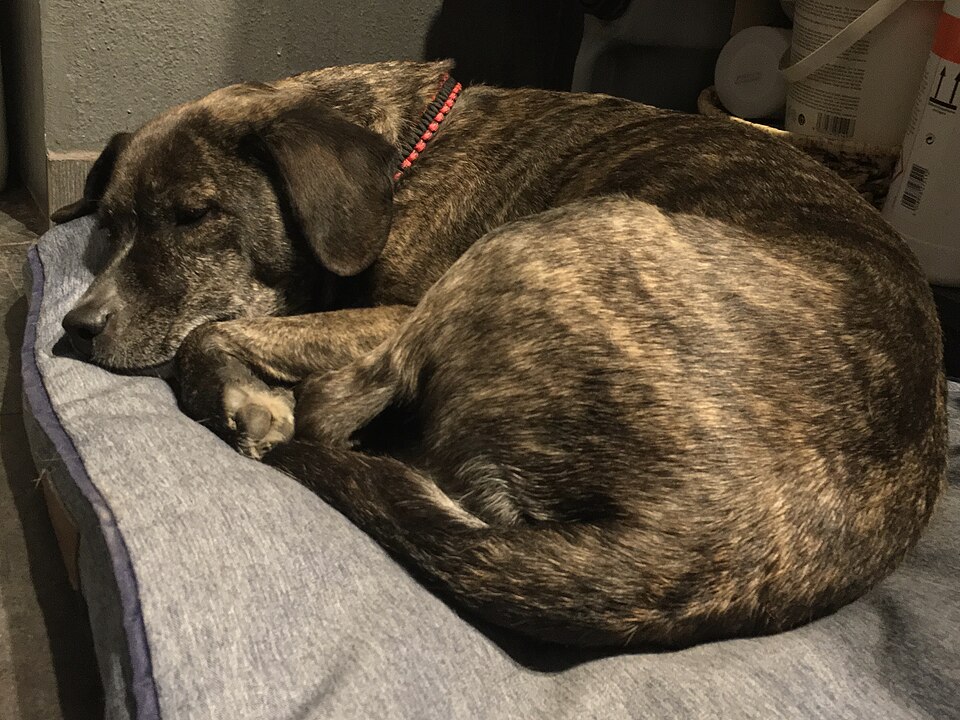
According to the RSPCA, give an older dog a soft, comfortable bed away from drafts; it keeps them warm and eases aching joints. Your dog also needs a quiet spot where other pets and visitors won't disturb them. Battersea suggests putting a bed on the floor near where your dog likes to settle, so they can rest close by even when they can't get onto the couch and you're not there to help.
Battersea also advises leaving your dog alone while they sleep, since older dogs can be easily startled awake. Giving them a safe place to retreat to when they feel overwhelmed helps too; irritability isn't your dog's fault, so scolding isn't the answer.
Ramps and steps
According to Battersea, a ramp or a small set of steps helps a dog who can no longer jump easily onto beds or sofas, and also with getting in and out of the car. The organization reminds us that some dogs fear new objects or avoid ramps, and recommends introducing them gradually. If your dog struggles on stairs without help, a baby gate is another option to prevent falls. The RSPCA says you may need to lift your dog in and out of the car or get a ramp. PDSA also mentions aids such as a support harness or sling for larger dogs.
- Introduce the ramp: Let your dog sniff a ramp that's resting steady on the floor.
- Pair it with rewards: Give a calm treat when your dog comes near and when they put a paw on it.
- Pick a non-slip ramp: Start with one that has a grippy surface and doesn't move.
- No forcing: If your dog is wary, go back to the previous step.
If your dog has trouble getting onto the bed or car, or struggles with stairs or getting up, the RSPCA suggests asking your veterinarian about treatments that might help.
Short but frequent walks
PDSA's summary is simple: "little and often" is best. It suggests several short walks instead of one long one, because stiff joints benefit from regular movement. Battersea and the RSPCA agree: shorter but more frequent walks, with plenty of breaks.
- Short route, sniff breaks: PDSA suggests a short route with rest stops so your dog can still sniff around and get fresh air.
- Go at your dog's pace: According to PDSA, if your dog loses interest, lies down or tires, let them rest; don't push them past their limits.
- Mind the weather: PDSA says older dogs handle extreme heat and cold poorly, so pick cooler times of day and use a coat in winter. See dogs in hot weather and dogs in cold weather.
- Familiar places: If your dog has sight or hearing loss, PDSA suggests sticking to familiar routes.
- Check the nails: According to PDSA, dogs who walk less may not wear their nails down, so regular trims may be needed. See our grooming guide.
- Weight: Battersea reminds us that extra weight can contribute to health problems.
Keep the mind busy too
A dog with limited mobility still wants to play. According to Battersea, low-impact activities such as search games, food enrichment and trick training don't strain the joints. The RSPCA suggests different toys and puzzle feeders. PDSA also lists scent games, training and brain games. Dogs Trust notes that sniffing is a natural, important way for dogs to learn about their environment, and that reward-based training is mentally tiring, much like physical exercise.
The easiest place to start at home is our sniffing games; simple things like scattering food or hiding it in a box tire the mind without straining the joints.
Ask your veterinarian whether your older dog's exercise routine is right for them; Battersea and PDSA specifically recommend this. If your dog struggles to move around, has lost interest in exercise or shows a sudden change in behavior, don't wait; talk to your veterinarian.
With an older dog, noting small changes matters. In Tüylüm you can follow weight with Weight tracking charts, write down changes in walking or getting onto the bed in the Complaint log, and keep track of checkup dates in My vet visits. The Show the vet summary puts it all on one page.
Frequently asked questions
At what age is my dog considered senior?
According to Battersea, large dogs are generally considered senior from about 6 or 7 years old, and small dogs from about 10 to 12. Since every dog ages differently, it's worth watching for small changes.
How many minutes a day should I walk my older dog?
The sources give no set duration. PDSA suggests "little and often," and Battersea says to build the exercise routine with your veterinarian. Adjust it to your dog's pace and signs of tiredness.
Can an older dog still play?
Yes. Battersea, the RSPCA and PDSA suggest low-impact, mentally engaging activities such as sniffing games, puzzle toys and trick training.

Keep track of your pet's care in TüylümLog vet visits, vaccine and medication dates, and we'll remind you when it's time. Share it all with your family in Home.
Sources
- Battersea · Caring for your senior dog
- RSPCA (UK) · Caring for older dogs
- PDSA · Exercising your senior dog
- Dogs Trust · Enrichment activities to keep your dog entertained
This article is for general information only; it is not a diagnosis or treatment advice and does not replace a visit to a veterinarian. Talk to your vet about decisions on your pet's health. By Tüylüm · Published and last checked: November 9, 2026. Spotted a mistake? Write to [email protected] and we'll fix it right away. Photos are from Wikimedia Commons, used under the license shown below each photo.