Vivarium humidity: how to measure it, raise it and lower it
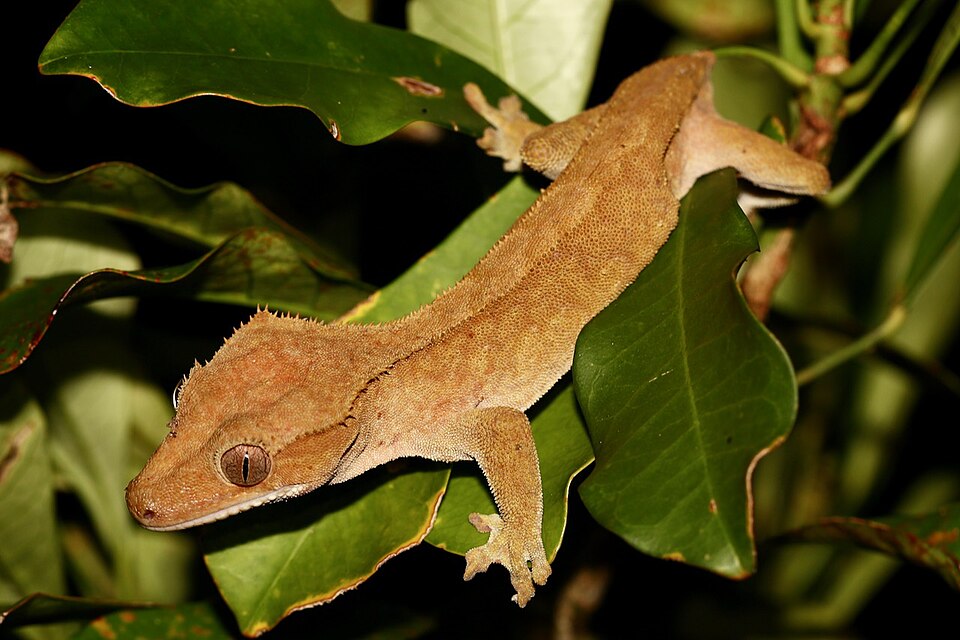
Most people set the temperature in a vivarium carefully; humidity is often overlooked. Yet according to the RSPCA, the right humidity is essential for a reptile's healthy airways and for a smooth shed. The tricky part is that there's no single "right humidity" that suits everyone. A crested gecko from the humid forests of New Caledonia and a bearded dragon from the desert have very different needs. In this article we explain how to measure humidity and how to raise or lower it. For temperature: warm and cool ends in the vivarium. For shedding and the humid hide: shedding in reptiles.
- It depends on the species: According to the Merck Veterinary Manual, humidity should resemble the animal's natural habitat. According to the RSPCA, bearded dragons and leopard geckos need 30–40% humidity, and royal pythons 50–60%.
- You need a hygrometer: You can't judge humidity by eye. For many species, the RSPCA recommends measuring humidity with a hygrometer at the cool end of the vivarium.
- To raise it: Misting with clean water, a substrate that holds moisture, and one humid spot instead of a humid vivarium.
- To lower it: According to the RSPCA, if humidity is too high, the answer is more ventilation.
- Don't cut back on ventilation: According to Merck, reducing ventilation to hold in heat or humidity frequently leads to skin and breathing problems.
- Mold is a warning sign: According to the RSPCA, mold forming on the substrate can mean humidity is too high and ventilation isn't good enough.
Why does humidity depend on the species?
Humidity is the amount of water vapor in the air; hygrometers show it as a percentage. According to the Merck Veterinary Manual, the humidity in a vivarium should resemble the humidity of the animal's natural habitat. Merck also gives a general framework: depending on the species, humidity below 35% or above 70% can cause problems. But what really matters is the range for your pet's species.
| Species | Natural habitat | Humidity according to the RSPCA | Humidity according to Merck |
|---|---|---|---|
| Crested gecko | Hot, humid forests of New Caledonia (RSPCA) | 40–50%; up to 80% for short boosts with misting | Not in the table |
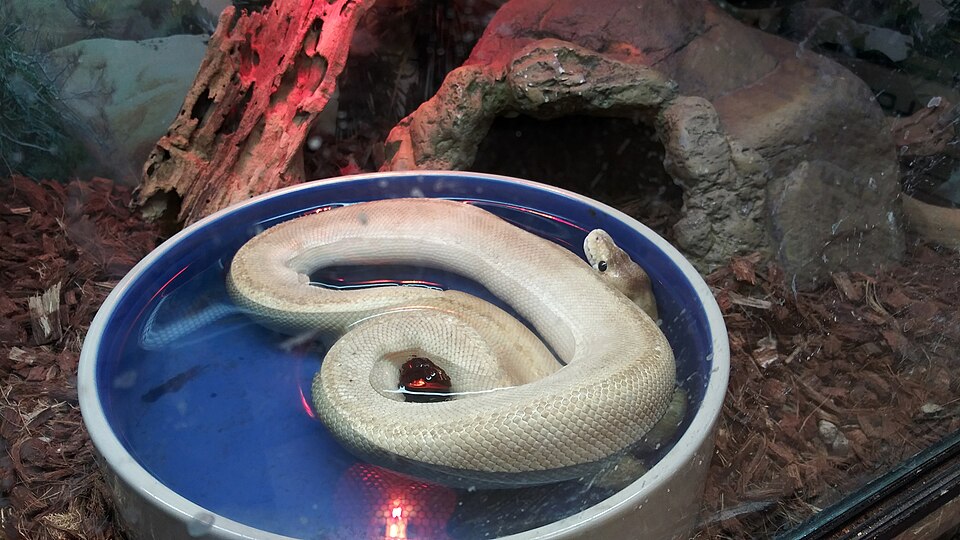
| Royal python | Scrubland (Merck) | 50–60% at the cool end; misting can raise it to 80%, then let it drop | 50–80% |
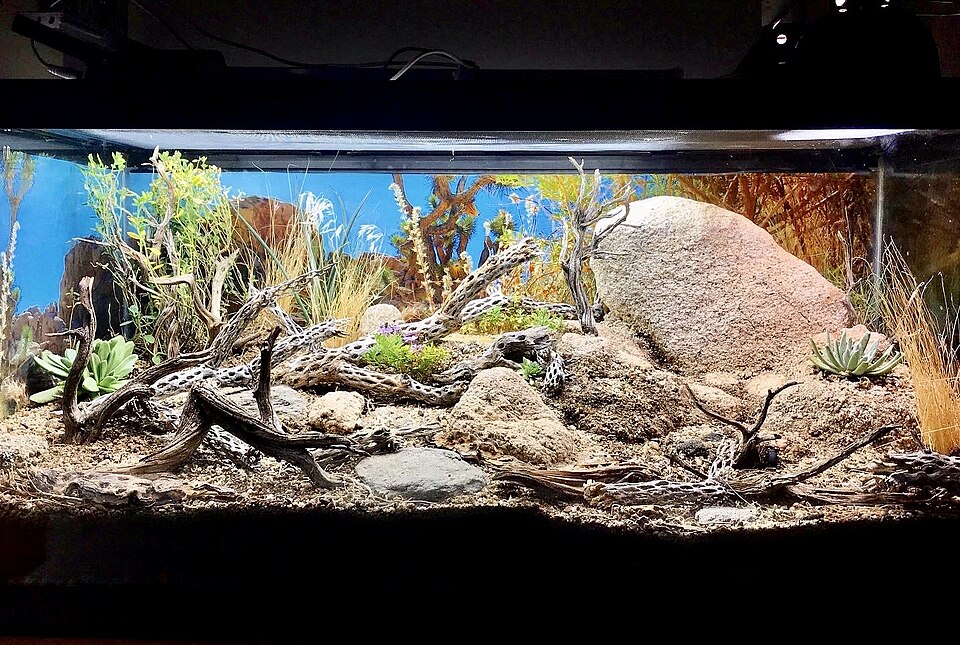
| Leopard gecko | Arid scrub (Merck) | 30–40% at the cool end | 20–30%; much higher during shedding |
| Bearded dragon | Desert (Merck) | 30–40% at the cool end | 20–30%; much higher during shedding |
As you can see, sources don't always give the same numbers; the RSPCA and Merck ranges differ a little. Merck also suggests asking your vet about the best humidity for your pet. One more detail: according to Merck's table, even arid-zone species like leopard geckos and bearded dragons need noticeably more humidity during shedding.
Measuring humidity correctly
You can't put your hand in the vivarium and guess the humidity; you need a hygrometer. Merck recommends using a hygrometer in the vivarium to check that humidity stays within the species' range. All of the RSPCA's species guides call for a hygrometer, too.
- Measure at the cool end: For leopard geckos, bearded dragons and royal pythons, the RSPCA recommends measuring humidity at the cool end of the vivarium.
- Watch after misting: According to the RSPCA, misting can raise humidity to about 80% for a royal python, and then you let it drop between mistings. A hygrometer lets you see this rise and fall.
- Test it before your pet arrives: The RSPCA recommends setting up a royal python's vivarium and running it for a week before the snake arrives. That way you can adjust humidity and heat without disturbing the animal.
Raising humidity
If humidity is low, there are a few options. Which one you choose depends on your pet's species.
- Mist with clean water: For royal pythons and crested geckos, the RSPCA recommends misting the vivarium with clean water to boost humidity to about 80% for a short time. With royal pythons, humidity is allowed to drop again between mistings.
- Choose a substrate that holds moisture: According to Merck, soil and peat moss hold moisture and allow burrowing; cypress mulch also holds moisture and resists mold. For crested geckos, the RSPCA recommends coconut fiber (coir) or a specially mixed soil covered with a layer of moss or leaves. For royal pythons, it says organic soils made for reptiles hold humidity well without going moldy.
- Humidify one spot, not the whole vivarium: According to Merck, smaller areas within an enclosure can create zones of higher humidity without raising humidity across the whole vivarium. The best-known way to do this is a humid hide; we explain it step by step in our shedding article.
- Plants: According to Merck, nontoxic plants can help maintain humidity for the smallest species. But larger animals often damage plants.
Species that drink droplets
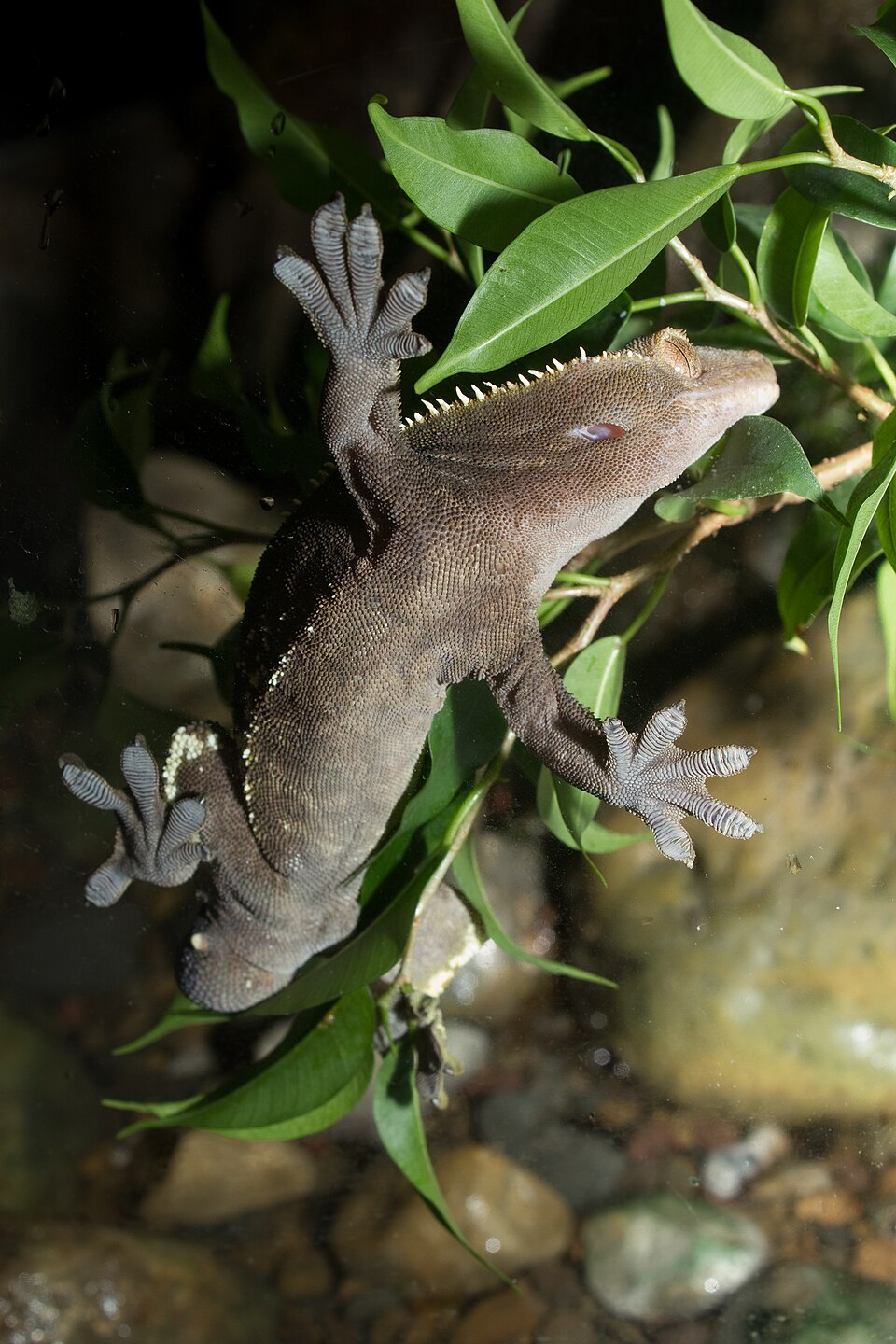
Some species don't drink from a bowl. According to Merck, some small lizards such as anoles and chameleons drink by lapping up water droplets that collect through condensation; misting the vivarium or setting up a drip system gives them a way to drink. According to the RSPCA, some crested geckos may also prefer to drink droplets in the vivarium; even so, there should always be a dish of clean water in the vivarium.
Too much humidity: ventilation
Higher humidity isn't better. The RSPCA's species guides always give the same answer: if humidity is too high, the vivarium needs more ventilation. According to the RSPCA, if humidity stays high all the time in a royal python's vivarium, bacteria and mold that can cause illness may build up.
- Not even to keep in heat or humidity: According to Merck, reducing ventilation to maintain temperature and humidity is a bad idea; it frequently leads to skin and breathing problems.
- Watch for mold: According to the RSPCA, if mold forms even on organic soil made for reptiles, humidity may be too high and ventilation not good enough.
- Don't turn the substrate into a swamp: According to the RSPCA, a crested gecko's substrate shouldn't become waterlogged. Soggy substrate becomes a breeding ground for bacteria that can cause skin and airway infections.
- Keep humidity low for arid species: According to the RSPCA, bearded dragons need low humidity to prevent skin and breathing problems, and leopard geckos need a relatively dry environment.
Arid species need a humid spot, too
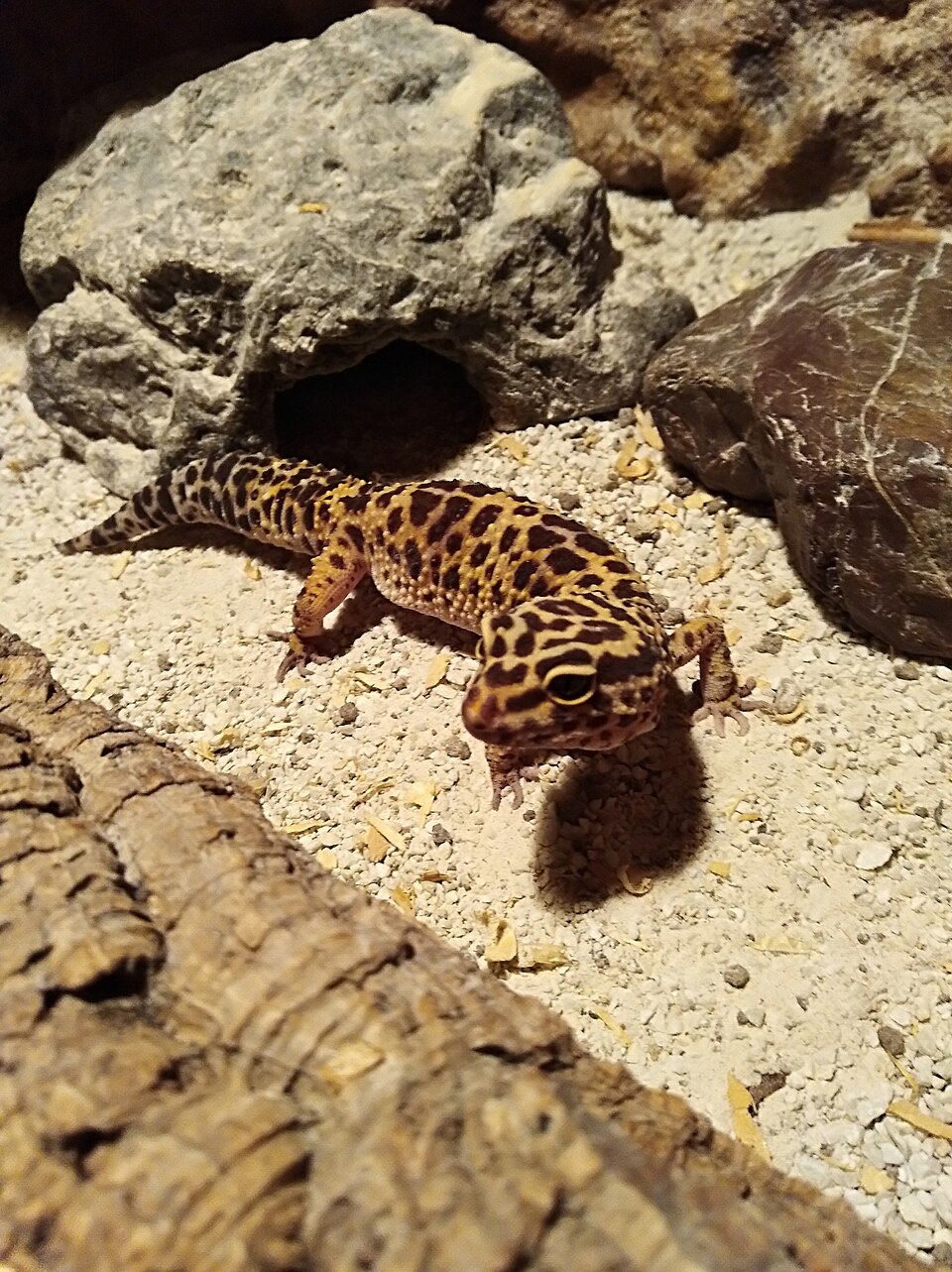
For a leopard gecko or a bearded dragon, a "dry environment" doesn't mean every corner of the vivarium is bone-dry. According to Merck, small humid areas are often very important for many arid-zone species too, such as tortoises and leopard geckos. The RSPCA also calls for a humid hide with usable humidity inside a leopard gecko's dry vivarium: a hide with a waterproof bottom and damp moss inside, misted with clean water every few days.
If you notice anything unusual about your pet's skin, shedding or breathing, talk to a vet experienced with reptiles without delay. Merck also suggests asking your vet about the best humidity for your pet.
In Tüylüm, Humidity check comes as a ready-made task on the Today tab for geckos and snakes; for chameleons, iguanas and anoles, Misting is ready too. For other species, you can add these tasks yourself. With My home (family sharing), whoever checked the hygrometer ticks it off, and everyone in your Home sees the same list.
All of them: Reptiles.
Frequently asked questions
Should I mist the vivarium every day?
It depends on the species. For royal pythons and crested geckos, the RSPCA recommends misting to boost humidity to about 80% for a short time. Bearded dragons and leopard geckos, on the other hand, need low humidity. For leopard geckos, the RSPCA recommends misting the humid hide every few days, not the whole vivarium.
Can't I tell without a hygrometer?
No. Merck and the RSPCA recommend tracking humidity with a hygrometer. One warning sign you can spot by eye is mold: according to the RSPCA, mold forming on the substrate can mean humidity is too high and ventilation isn't good enough.
The vivarium gets cold in winter. Can I block the ventilation holes?
No. According to Merck, reducing ventilation to maintain temperature and humidity frequently leads to skin and breathing problems. Control temperature with a heater and a thermostat; details are in our article on warm and cool ends in the vivarium.

Keep track of your pet's care in TüylümLog vet visits, vaccine and medication dates, and we'll remind you when it's time. Share it all with your family in Home.
Sources
- RSPCA · How to care for a royal python
- RSPCA · Caring for your crested gecko
- RSPCA · How to care for your bearded dragon
- RSPCA · How to care for a leopard gecko
- Merck Veterinary Manual · Providing a home for a reptile
- Merck Veterinary Manual · Management and husbandry of reptiles
By Tüylüm · Published and last checked: October 28, 2026. Spotted a mistake? Write to [email protected] and we'll fix it right away. Photos are from Wikimedia Commons, used under the license shown below each photo.