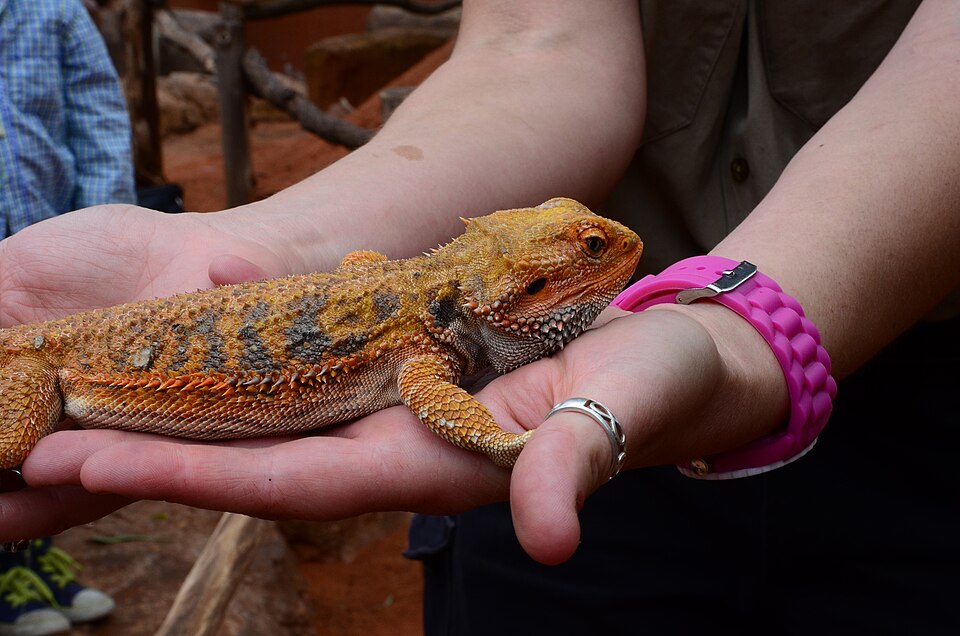
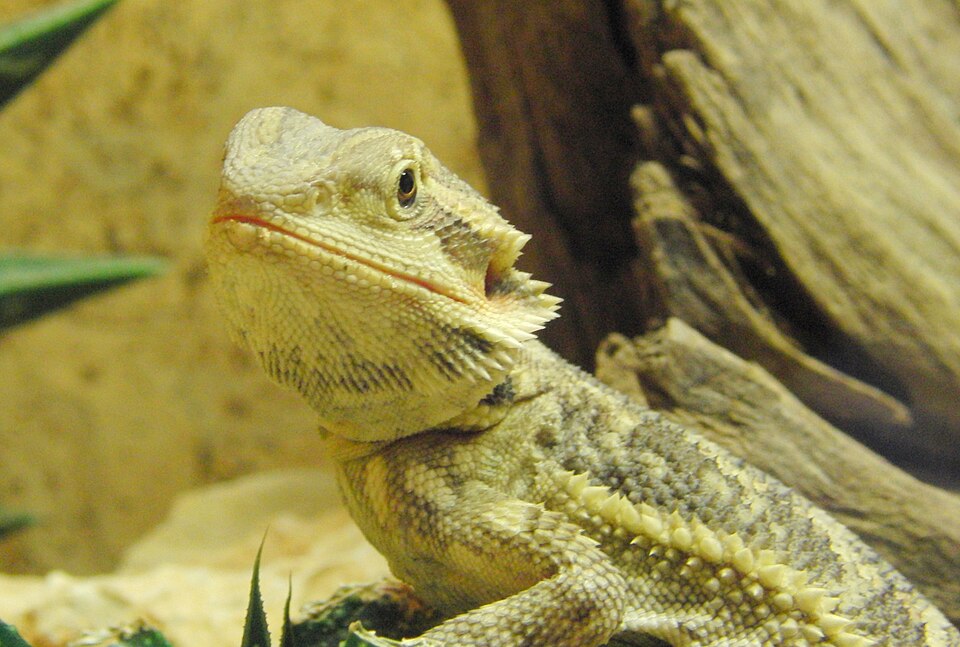
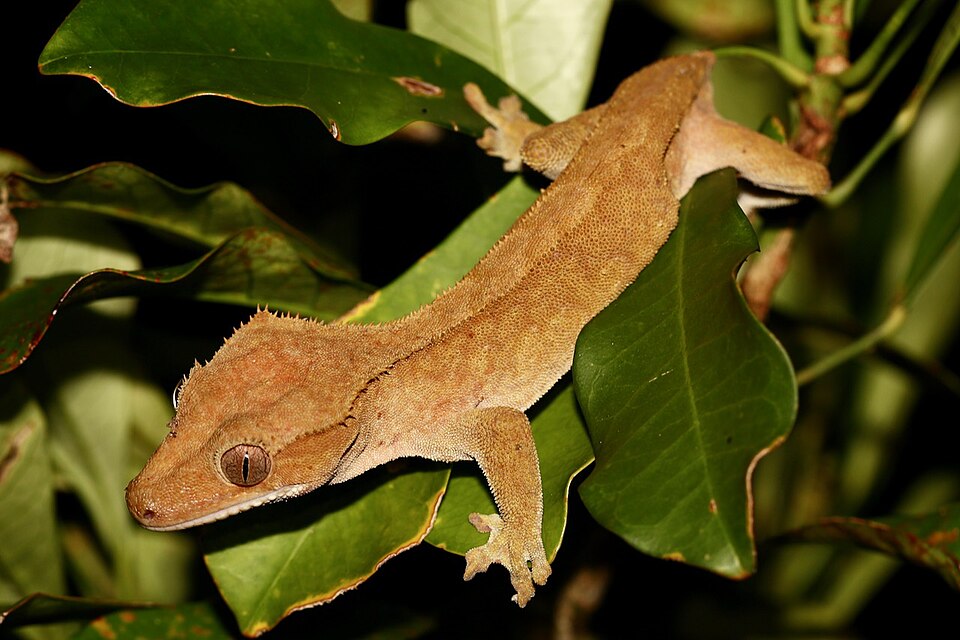
Shedding in reptiles: why it happens, how to tell it's coming, and when to talk to your vet
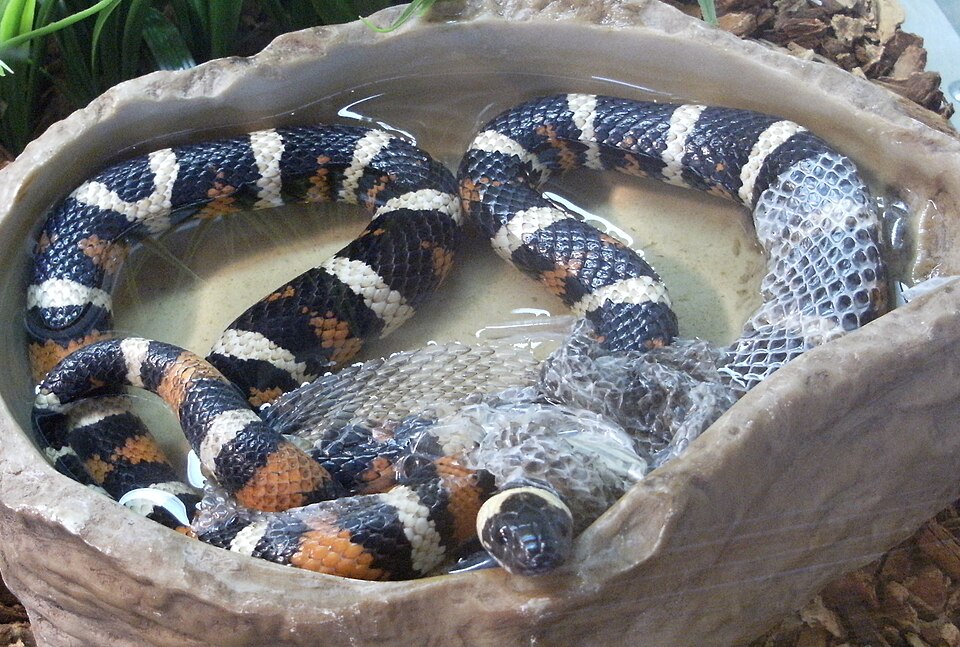
One morning you find a thin, see-through, inside-out "sock" in the corner of the vivarium, an exact copy of your snake's shape. No need to worry; it's a natural part of growing up. According to Purdue University's College of Veterinary Medicine, all reptiles shed as they grow and keep shedding at intervals throughout their lives. Whether a shed goes smoothly depends on nutrition, conditions in the enclosure and the animal's overall health. So there's a lot you can do to help.
- A natural process: According to Purdue, all reptiles shed as they grow and throughout their lives.
- Snakes in one piece, lizards in patches: According to Purdue, snakes usually shed in one piece, while lizards and turtles shed in pieces.
- The signs: The skin turns dull and the eyes turn whitish blue; according to Merck, snakes lose their appetite at this time.
- Humidity: According to Merck, once the skin and eyes turn cloudy, raise the humidity slightly. A humid hide helps.
- Leave it alone: According to Purdue, handling during a shed damages the new skin, and snakes may become irritable and strike.
- Don't pull: Never pull off stuck skin; if it stays on the toes or eyes, talk to your vet.
Why do they shed?
When a reptile sheds, a new skin is already ready beneath the old one; the old skin separates from the new layer and comes off. According to Purdue, how often a reptile sheds varies with its species, environment, nutrition and growth rate:
- Fast growers: According to Purdue, rapidly growing reptiles may shed every 2 weeks.
- Snakes: According to Purdue, a healthy growing snake sheds at least once a month.
- Young ones shed more: According to the RSPCA, young leopard geckos and young royal pythons shed more often than adults.
Who sheds how?
| Group | How do they shed? |
|---|---|
| Snakes | According to Purdue, usually in one piece. According to Merck, the shed starts around the mouth, and the old skin turns inside out as it comes off. |
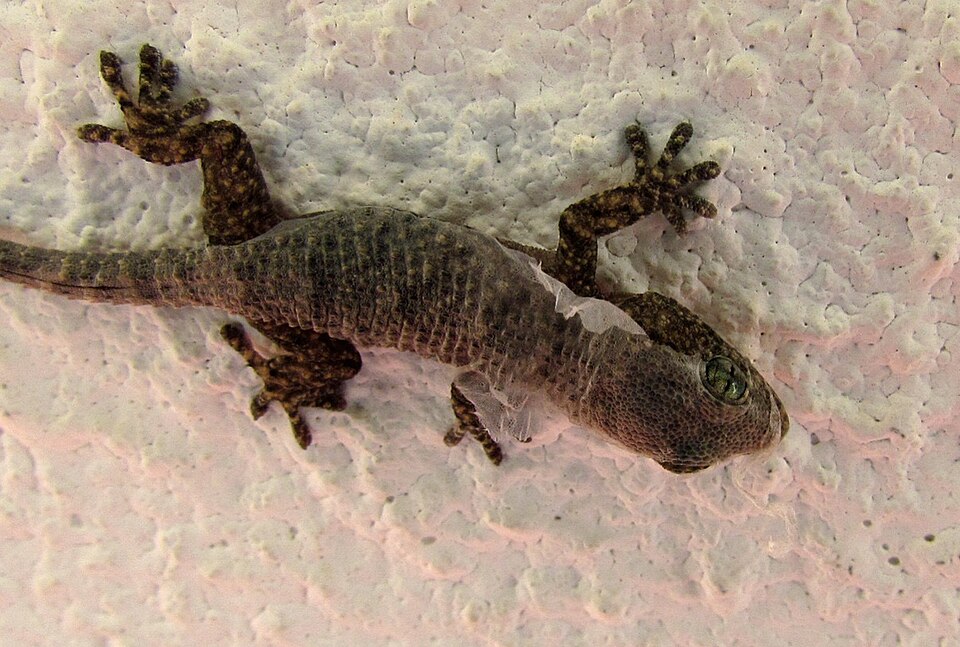
| Lizards | According to Purdue, in pieces; some eat their shed skin. According to the RSPCA, leopard geckos shed in large pieces and usually eat them. |
| Turtles | According to Purdue, the skin on the neck and legs comes off in pieces; old scutes on the top and bottom of the shell are replaced one by one. |
When a shed is on the way
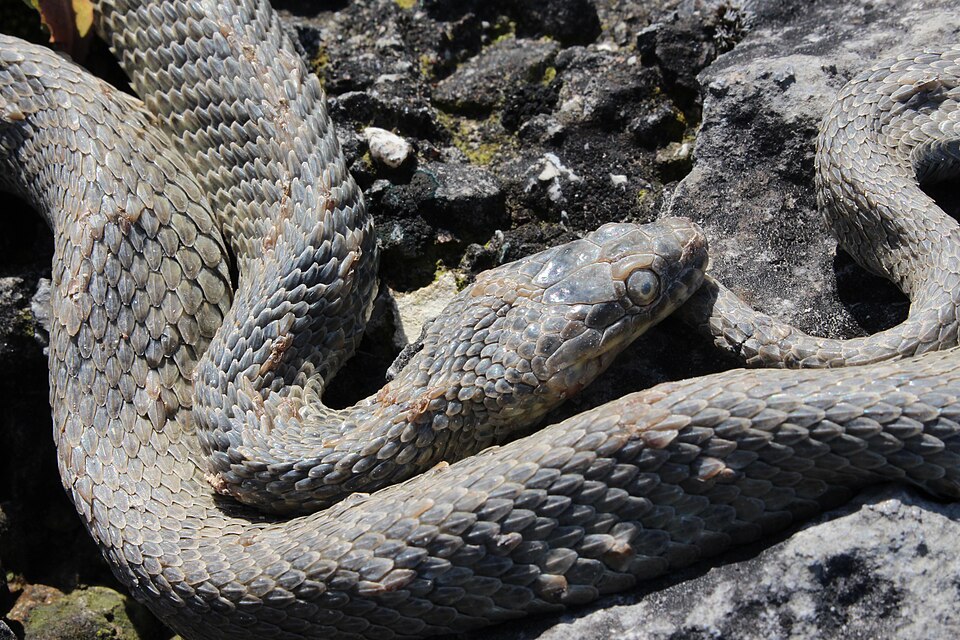
You can usually tell a few days ahead that a shed is coming. According to Purdue, the skin looks slightly dull as the old layer begins to separate from the new one. In snakes, the most striking sign is in the eyes: over each eye is a clear covering (the eye cap) that is shed along with the skin. According to Purdue, fluid builds up between the old eye covering and the new layer, which makes the eyes look whitish blue. Merck also says the skin becomes slightly translucent and dull at this stage, and the eye caps turn cloudy.
Behavior changes too. According to Merck, snakes lose their appetite before shedding, and irritability and aggressiveness are common during this time.
What should you do during this time?
- Leave it alone: According to Purdue, snakes are very irritable during a shed and may strike if handled; handling also damages the new skin. According to Purdue, too much handling is one of the causes of a poor shed. The RSPCA also advises against handling a royal python at this time.
- Raise the humidity slightly: According to Merck, slightly raising the humidity once the skin and eyes turn cloudy helps the shed progress and makes stuck skin less likely. Merck recommends lightly misting the enclosure at least once a day.
- Something to rub against: According to Merck, large, moderately rough rocks or similar surfaces for the reptile to rub on help ease a normal shed.
- Don't forget the water: According to the RSPCA, the water dish should be changed at least once a day, and right away if it gets soiled.
The humid hide
Humidity matters a lot during a shed, but you don't need to make the whole enclosure humid. According to Merck, creating a small humid area inside the enclosure can meet this need without raising the humidity everywhere. According to the RSPCA, many species benefit from a humid hide, which helps with shedding.
- Pick an enclosed hide: One the animal fits into comfortably and that doesn't let light through.
- Add a filling that holds moisture: The RSPCA suggests something like damp moss. Merck suggests a hide box with moist sphagnum moss, or a soaking container.
- Keep it damp: The RSPCA's page on hides recommends spraying the moss with clean water every day; its leopard gecko guide says every few days is enough. Don't let the moss dry out.
- Keep it clean: The RSPCA recommends cleaning hides regularly with a reptile-safe disinfectant.
According to the RSPCA, a leopard gecko spends time in its humid hide to soften its skin before a shed, then gently pulls the old skin off and usually eats it.
How humid should it be?
The right humidity depends on the species. According to Merck, humidity should resemble the animal's natural habitat. If humidity drops below 35%, the skin can dry out and shedding can go wrong; above 70% can lead to skin problems in some species. Merck recommends keeping an eye on humidity with a hygrometer.
| Species | Humidity according to the RSPCA |
|---|---|
| Royal (ball) python | 50–60% at the cool end; can be misted up to 80%, letting it drop in between |
| Leopard gecko | 30–40% at the cool end (it likes a dry environment) |
As you can see, the same humidity doesn't suit every species. Even the leopard gecko, which likes dry conditions, needs a humid hide for shedding.
If the skin gets stuck
Sometimes the skin doesn't come off completely; a piece stays on the body, the toes, the tip of the tail or over the eyes.
- Don't pull: According to the RSPCA, don't pull off skin that seems stuck; it can tear the new skin underneath.
- Toes: According to the RSPCA, old skin left on the feet can cut off the blood supply and lead to the loss of toes.
- Eyes: According to the RSPCA, old skin left over the eyes needs to be removed by a reptile specialist vet. If dry skin stays on the toes or around the eyes, talk to your vet without delay.
- If you suspect a problem: According to Purdue, contact your veterinarian any time you suspect a shedding problem.
Why does it happen? According to Purdue, the causes of a poor shed include incorrect humidity, too much handling and poor nutrition; sometimes there's an underlying health problem. According to the RSPCA, frequent shedding problems are usually linked to the vivarium setup or humidity. According to Merck, too much vitamin A can also lead to incomplete shedding, so ask your vet which supplement to use.
In Tüylüm, you can log every shed of your snake, lizard or spider with the Shedding record: "Complete" if the skin came off cleanly, "Stuck shed" if it stayed on the eyes, toes or tail tip. On the Today tab, you can also add weekly Shedding check and Humidity check tasks. If stuck sheds keep happening, these records are useful to show your vet.
Details by species: corn snake, ball python, leopard gecko, bearded dragon. All of them: Reptiles.
Frequently asked questions
My snake's eyes have turned blue. What does that mean?
According to Purdue, as a shed approaches, fluid builds up between the old eye covering and the new one, and the eyes look whitish blue. It's a known sign of shedding. Leave your snake alone during this time; if anything worries you, talk to your vet.
My gecko ate its shed skin. Is that normal?
Yes. According to the RSPCA, leopard geckos gently pull off their old skin and usually eat it. According to Purdue, some other lizards eat their shed skin too.
How often will my reptile shed?
It depends on the species, age and growth rate. According to Purdue, rapidly growing reptiles may shed every 2 weeks, and a healthy growing snake at least once a month. According to the RSPCA, young reptiles shed more often than adults.

Keep track of your pet's care in TüylümLog vet visits, vaccine and medication dates, and we'll remind you when it's time. Share it all with your family in Home.
Sources
- Purdue University College of Veterinary Medicine · Shedding in reptiles
- Merck Veterinary Manual · Routine health care of reptiles
- Merck Veterinary Manual · Providing a home for a reptile
- RSPCA · Places for reptiles to hide
- RSPCA · How to care for a leopard gecko
- RSPCA · How to care for a royal python
By Tüylüm · Published and last checked: October 26, 2026. Spotted a mistake? Write to [email protected] and we'll fix it right away. Photos are from Wikimedia Commons, used under the license shown below each photo.