Vivarium enrichment: hiding, climbing, digging and foraging
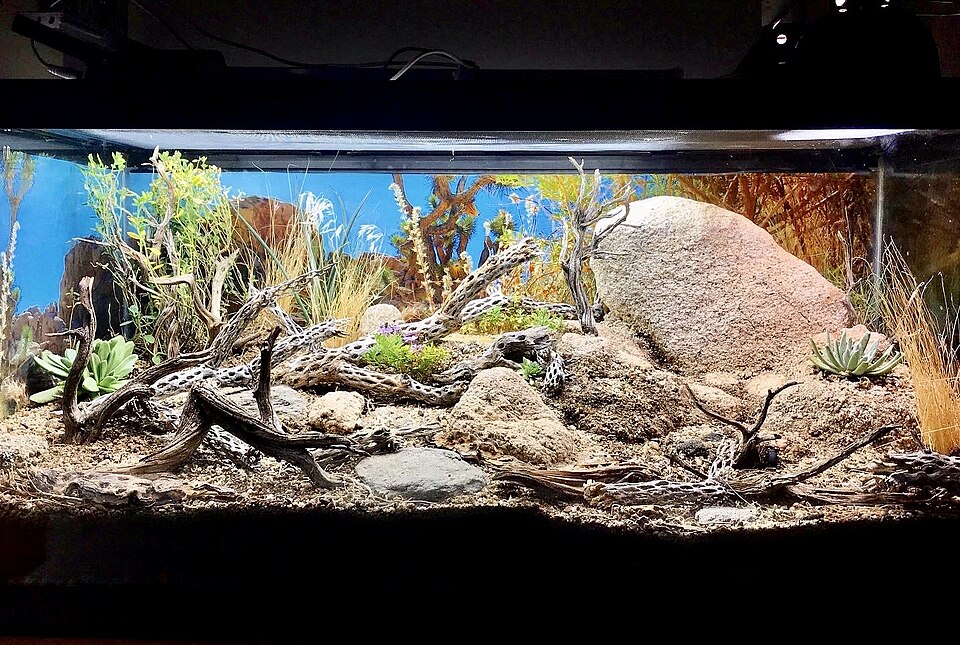
A reptile living in a glass box with a water dish and a lamp can survive, but it can't do most of the things it does in the wild. According to RSPCA Australia, environmental enrichment is a way to recreate natural stimuli inside an enclosed habitat. Its goal is to give a pet reptile the chance to behave like its relatives in the wild. According to the RSPCA, corn snakes clearly prefer enriched vivariums over plain ones.
- Get to know the species first: According to RSPCA Australia, species that live in water, on the ground, in trees or underground have different needs; no single setup suits every species.
- Hides: More than one; one in a warm spot and one in a cool spot, one humid and one dry (RSPCA Australia).
- Climbing: Sturdy branches and different levels. According to the RSPCA, branches collected outdoors are cleaned with boiling water first.
- Digging: A thick substrate or a digging box (RSPCA, University of Lincoln).
- Foraging: Scent trails, scattering insects and varying the food (RSPCA Australia).
- Safety: Furniture shouldn't shift, and branches shouldn't be close to heat lamps or mesh.
Does enrichment really make a difference?
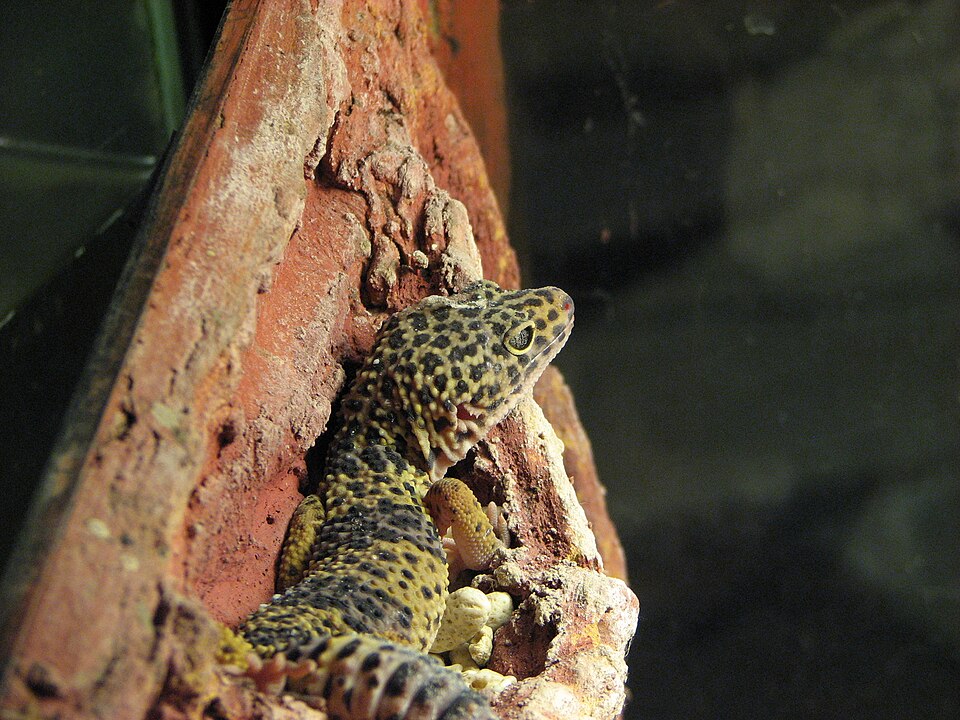
A study announced by the University of Lincoln in 2025 gives a good answer to this question. The researchers kept leopard geckos in three different vivariums, four weeks in each: a standard vivarium, a naturalistic enriched vivarium (also called "bioactive" in reptile keeping), and a non-naturalistic enriched vivarium. In both enriched vivariums, the geckos showed behaviors that point to better welfare. And when given the chance to choose among the three, they clearly chose the naturalistic vivarium.
The researchers' recommendations read like a summary of this article: several hides in different places and at different heights, a thick layer of suitable substrate, and different levels for the gecko to use. According to the University of Lincoln, naturalistic vivariums can also include live plants, soil and small invertebrates that can break down waste.
Get to know the species first
According to RSPCA Australia, reptiles live in very different places, from deserts to rainforests and from fresh water to grasslands. That's why an enrichment plan should be based on how the species lives in the wild; a plan that doesn't suit the species can frustrate the animal or even harm it. RSPCA Australia's knowledgebase suggests thinking about these questions:
| Question | Why it matters |
|---|---|
| What does it eat? | A herbivore, insectivore, carnivore or omnivore forages in different ways. |
| How does it move? | Species that live in trees, on the ground or partly in water need different vivarium layouts. |
| Does it dig nests or burrows? | Species that dig need a thick substrate they can dig in. |
| How does it control its temperature? | Reptiles control their body temperature through behavior; the vivarium needs a temperature gradient. |
| Where does it get water? | Some species rely on moisture in the air, others on open water. |
Species details: corn snake, royal python, leopard gecko, bearded dragon.
Hides: feeling safe
In a video from the NSW Department of Education, a keeper from Taronga Zoo explains that reptiles don't like being visible all the time; when they aren't foraging, eating or basking, they often hide. According to the RSPCA, hides at both ends let a corn snake choose its temperature without giving up feeling secure.
- More than one, in different conditions: RSPCA Australia recommends more than one hide: one near the heat source and one in a cool spot; one humid and one dry.
- On the ground and up high: For corn snakes, the RSPCA recommends hiding places both on the ground and above it, for example securely hung from branches.
- For eating, too, in some snakes: According to RSPCA Australia, a hide box also helps some snakes eat.
Climbing: branches and levels
According to RSPCA Australia, perches and climbing structures give tree-dwelling species room to move and also create basking spots with a temperature gradient. According to the RSPCA, corn snakes are active and climb when they get the chance; it recommends adding branches or peg boards for this. According to the keeper at Taronga, bearded dragons also like to climb among low plants, get up off the ground to look around, and usually sleep off the ground at night.
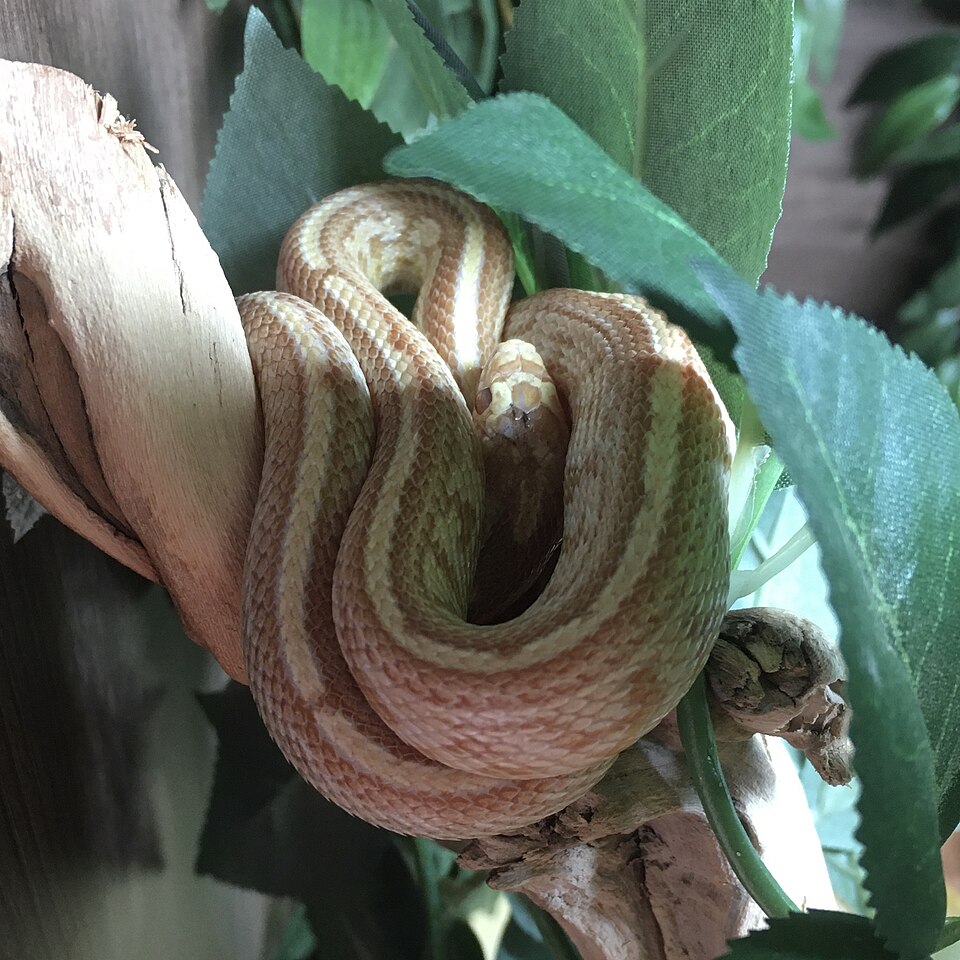
- Sturdy and stable: According to the NSW guide, because reptiles climb and dig, all furniture in the vivarium should be secure, stable and placed so it won't shift.
- If you collected it outdoors: The RSPCA recommends cleaning natural branches with boiling water before putting them in the vivarium.
- A roomy basking spot: According to the NSW guide, a bearded dragon's basking spot under the heat lamp should be big enough for it to stretch out and to move to the edge, away from the heat.
- Change it up: RSPCA Australia recommends changing perches regularly.
- Away from heat and mesh: According to RSPCA Australia, perches too close to mesh can scrape the skin, and unshielded heat lamps can cause burns.
Digging: a thick substrate or a digging box
According to RSPCA Australia, natural substrates such as soil, moss, leaf litter and sand encourage behaviors like burrowing and nest building. According to the RSPCA, substrate gives a corn snake something to burrow under and helps it feel more secure.
If the whole floor isn't suitable for digging, a digging box helps. For bearded dragons, the RSPCA recommends putting a plastic box with an entrance cut in the top at the cool end of the vivarium and filling it with a sand and soil mix. According to the RSPCA, if you use stone tiles or slate as the floor, a bearded dragon can't perform its natural digging behavior; then a digging box matters even more.
- Rocks go on the base: According to the NSW guide, rocks and logs should be placed on the base of the vivarium, not on top of the substrate. Otherwise a lizard that digs underneath can make them collapse and get hurt.
- No substrate suits every species: According to RSPCA Australia, there's no single substrate that suits all land-dwelling reptiles. Very absorbent substrates can lead to dehydration, and poorly absorbent ones can trap too much moisture.
- Don't forget cleaning: According to RSPCA Australia, natural substrates should be balanced against hygiene; how often to change them depends on the substrate and the species: vivarium cleaning.
Foraging: hunting and following a trail
According to RSPCA Australia, reptiles are natural hunters and foragers; encouraging this in the vivarium keeps their minds busy and their bodies active.
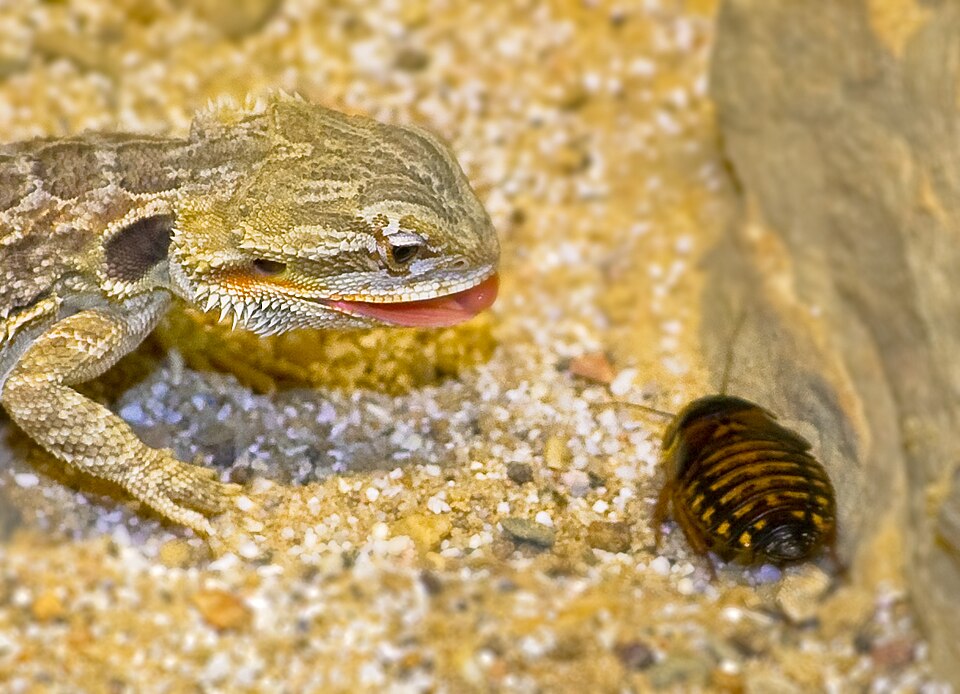
- Scent trail: RSPCA Australia recommends dragging a food item around the vivarium and then hiding it under leaves or furniture. Your pet finds its food by following the trail.
- Scatter it: According to RSPCA Australia's knowledgebase, scattering insects by hand, in different amounts and at unexpected times, works well.
- Variety: According to RSPCA Australia, offering different foods at different times can increase overall activity. Keep your species' routine in mind too: the RSPCA recommends feeding bearded dragons in the morning so they can digest their food during the day.
- Leaves for herbivores: For plant-eating reptiles, RSPCA Australia recommends adding nontoxic plants or leaves; they also work as temporary perches while the animal eats.
According to the RSPCA, uneaten live food should be removed from the vivarium, because some insects can bite a bearded dragon. RSPCA Australia also says live prey can bite and injure a reptile, and shouldn't be left in the vivarium for long if your pet isn't interested.
New textures, measured changes
According to RSPCA Australia, different textures such as smooth stones and rough bark, or changes to the vivarium layout, give a reptile new experiences. But keep it measured: according to RSPCA Australia's knowledgebase, you should take into account the stress that changes can cause and plan each new item in advance, because a new item can create a risk of escape or injury.
Does it need a companion?
Wanting a pet not to be alone is only human, but reptiles are different. According to RSPCA Australia, many reptiles live alone and mostly meet others of their kind only during the breeding season; some species, such as Cunningham's skinks, do enjoy company. The RSPCA recommends keeping corn snakes on their own, because they live alone in the wild. Bearded dragons, according to the RSPCA, are territorial: kept in groups, they can fight and bite off each other's toes and tails. That's why the RSPCA recommends housing them separately.
Safety: before every new item
- Don't open an escape route: According to RSPCA Australia, nothing you add to the vivarium should create an escape route.
- Don't block ventilation: According to RSPCA Australia's knowledgebase, enrichment shouldn't get in the way of ventilation.
- Don't overdo humidity: According to RSPCA Australia, misting and water features are good for species from humid environments, but too much humidity can cause skin problems in some desert species. Details: vivarium humidity.
- Wash your hands: According to RSPCA Australia, reptiles often carry Salmonella, so you should take precautions when cleaning or rearranging the vivarium: reptiles and Salmonella.
According to RSPCA Australia's knowledgebase, behaviors such as constant vigilance, rubbing the face against the glass while trying to escape, or striking at the glass can show that a reptile isn't adapting to its environment. If you see these behaviors often, review the vivarium setup and talk to a vet experienced with reptiles without delay.
When you add a new hide or branch to the vivarium, you can save your pet's first exploration with a photo in the Memory book. So you don't forget to change the perches now and then, add your own task on the Today tab; with My home (family sharing), everyone in your Home sees the same list.
All of them: Reptiles.
Frequently asked questions
Does enrichment really make a difference?
Research says yes. According to the RSPCA, corn snakes clearly prefer enriched vivariums over plain ones. In the University of Lincoln study, leopard geckos in enriched vivariums showed behaviors that point to better welfare, and they chose the naturalistic vivarium.
How often should I change the vivarium layout?
RSPCA Australia recommends changing perches regularly, but it also asks you to take into account that changes can cause stress. Plan each new item in advance and watch how your pet reacts to it.
Won't two bearded dragons keep each other busy?
According to the RSPCA, no. Bearded dragons are territorial; kept together, they can fight and injure each other seriously. For most reptiles, enrichment means an interesting environment rather than a companion.

Keep track of your pet's care in TüylümLog vet visits, vaccine and medication dates, and we'll remind you when it's time. Share it all with your family in Home.
Sources
- RSPCA Australia · How to provide enrichment for reptiles
- RSPCA Australia · How will I keep my reptiles entertained, alert, and interested in their surroundings?
- University of Lincoln · New study makes recommendations for welfare of pet reptiles (2025)
- RSPCA · How to care for a corn snake
- RSPCA · How to care for your bearded dragon
- NSW Department of Education · Inland Bearded Dragon – enclosure
By Tüylüm · Published and last checked: October 28, 2026. Spotted a mistake? Write to [email protected] and we'll fix it right away. Photos are from Wikimedia Commons, used under the license shown below each photo.