Caring for a wildlife pond: what to do season by season, and what to leave alone
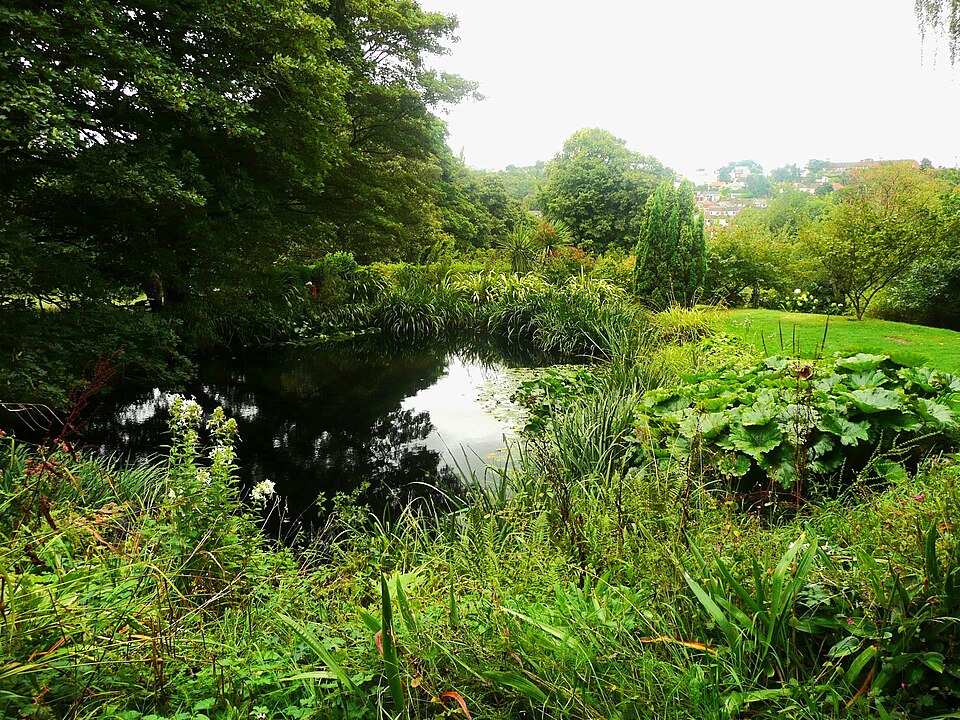
You built your pond, the plants have taken root, and the first frog calls have arrived. So what do you do now? Most of the time, the answer is: very little. According to the RHS (Royal Horticultural Society), ponds rarely need a complete clear-out unless plants have taken over or the bottom has filled with silt. Herts and Middlesex Wildlife Trust also says that being too eager to clean a pond can upset its natural balance and drive wildlife away. In other words, caring for a wildlife pond comes down to doing the right job at the right time, a little at a time. We covered how to build a pond in our article on frogs in your garden and in the wild; this article is about what comes after.
- Hands off, mostly: According to the RHS, ponds rarely need a complete clear-out.
- The right time: According to Froglife, the best time for pond work is September–October. Froglets have left, and the frogs that come to spend the winter haven't arrived yet.
- Keep half the surface open: The RHS and Herts and Middlesex Wildlife Trust recommend keeping about half of the water's surface free of plants.
- Leave what you remove by the edge: Don't throw out plants, weed or silt right away; give the small creatures in them a chance to get back into the water.
- Rainwater: If you need to add water, the sources recommend rainwater rather than tap water.
- Don't smash the ice: According to ARC, breaking the ice can damage the pond liner and plants.
The months in this article come from UK sources. Where you live, spring may come earlier or later. Set your calendar by what you see in your pond rather than by the names of the months: wait while there's spawn and tadpoles, and work once the froglets have left.
The right time: September and October
According to Froglife, the best time to work on a pond is late autumn, meaning September–October. That's when there are the fewest amphibians in the pond to disturb: froglets have left the pond by late summer, and adult frogs looking to spend the winter there don't arrive until around November. The RHS also recommends early autumn, when many creatures are less active, for a big clean-out.
One thing to watch for, though: according to Froglife, tadpoles or newt larvae sometimes spend the winter in the pond instead of developing and leaving in summer. So before you start, sweep the water carefully with a net and check what's in it.
If there's a job that can't wait until autumn, such as fixing a leak, here is Froglife's advice:
- Scoop spawn and tadpoles into a bucket of pond water.
- Keep adult amphibians in a bucket with a little water and damp vegetation for no more than a day or two; when the work is done, release them in a quiet part of the garden or back into the pond.
- If you can, put the job off and keep the pond topped up until then; use rainwater rather than tap water.
Spring: leave the pond alone
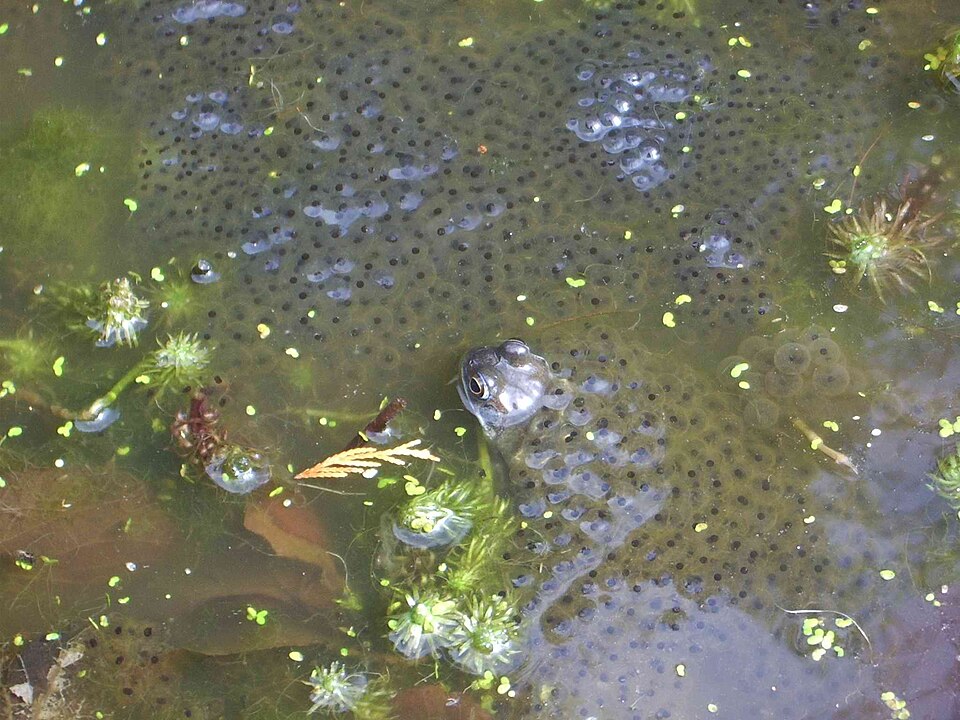
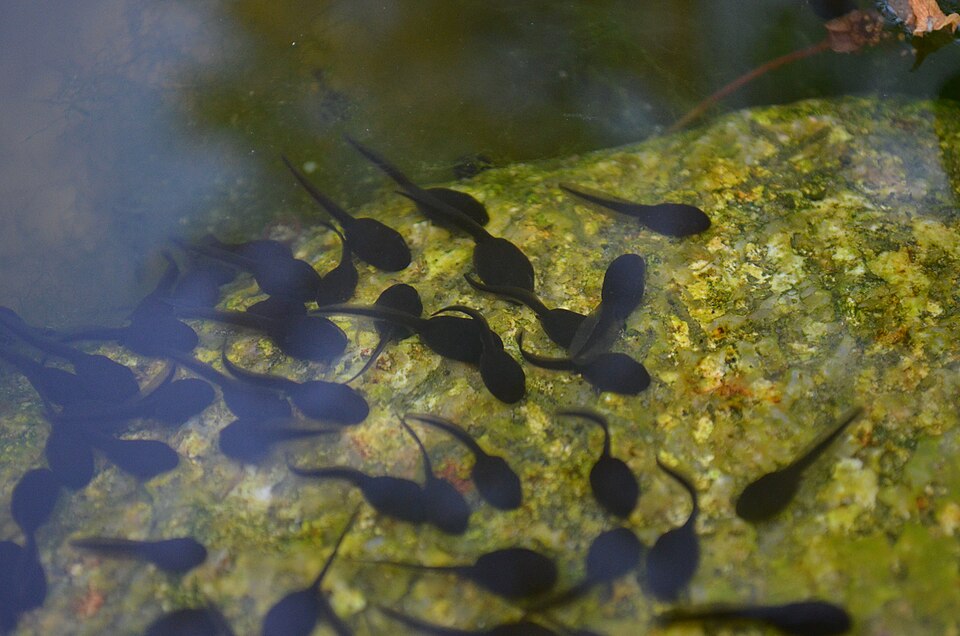
Spring is the pond's busiest season. Spawn, tadpoles, newt larvae... Stirring up the bottom of the pond during these months means pulling living things out of it. Save the big jobs for autumn. We describe what happens during this season in our article from tadpole to frog.
There is one nice job you can do in spring: according to the RHS, the best time to add new plants to a pond is from mid-spring to early summer; plants settle in quickly while the water is warming up.
Summer: water levels, weed and ramps
Don't panic if the water drops in the summer heat. According to the RHS, topping up a pond without fish isn't usually necessary; most wildlife copes with changing water levels. The RHS's September advice also says wildlife ponds can wait for the autumn rains.
If you do need to add water, the RHS recommends ideally using water from a rain barrel, because the nutrients in tap water encourage algae. If you have to use mains water, the RHS says to warm it in the sun first and add it in small amounts so the temperature doesn't drop suddenly.
- Keep half the surface open: In summer, the RHS recommends cutting back excess growth to keep about 50% of the surface free of plants, and removing faded leaves and flowers before they rot in the water.
- Twirl out the weed: According to the RHS, blanket weed and duckweed, which grow fast in warm weather, can be twirled out with a stick or scooped out with a net if needed.
- Leave it by the edge overnight: According to the RHS, leave the weed you've removed by the side of the pond overnight so larger creatures can get back into the water. Rinsing it in a bucket of pond water helps smaller creatures escape too.
- Check the ramps: The RHS recommends making sure wildlife ramps are still in place; they're especially important in steep-sided ponds, so animals can get in and out safely.
Autumn: time for leaves and the big clean-out
According to Herts and Middlesex Wildlife Trust, autumn is a crucial time for pond care. Remove fading leaves and stems in and around the pond, and take out leaves that fall into the water before they decompose. That cuts the build-up of sludge on the bottom, protects water quality and keeps nutrients that could trigger algae blooms out of the water. Leave the leaves you remove by the side of the pond so any small creatures hiding in them can get back into the water.
The sources disagree on falling leaves. According to the RHS, a few leaves are nothing to worry about; if leaf fall is heavy, you can cover the pond with netting. ARC (Amphibian and Reptile Conservation), on the other hand, advises against pond netting: the very animals you want to attract, like grass snakes and hedgehogs, can get caught in it and die. If you'd rather not use netting, you can scoop out fallen leaves regularly with a net.
Is a big clean-out really necessary?
According to the RHS, the traditional advice is to give small ponds a complete overhaul every five years and large ponds a thorough clean every ten years. But the RHS asks you first to consider whether it's really needed: draining and cleaning a pond can seriously disrupt its natural ecosystem, which can take several years to recover. If your pond has silted up or plants have taken over everywhere, follow these steps:
- Clean half of it: According to the RHS's September advice, remove mud and debris from only one half of the pond, so creatures can recolonize from the other half.
- Don't take out all the silt: According to Froglife, the silt may contain invertebrates or eggs, and frogs bury themselves in this layer of silt to spend the winter. The RHS also recommends putting some silt back into the pond, as it helps tiny aquatic creatures re-establish.
- Leave it by the edge for a day or two: Froglife recommends leaving the plants and silt you remove on a tarp or plastic sheet by the edge of the pond for a day or two, then moving them to your compost heap.
- Refill with rainwater: According to Herts and Middlesex Wildlife Trust, collected rainwater is the best option when refilling the pond; the RHS also recommends rainwater if possible.
Winter: ice and snow
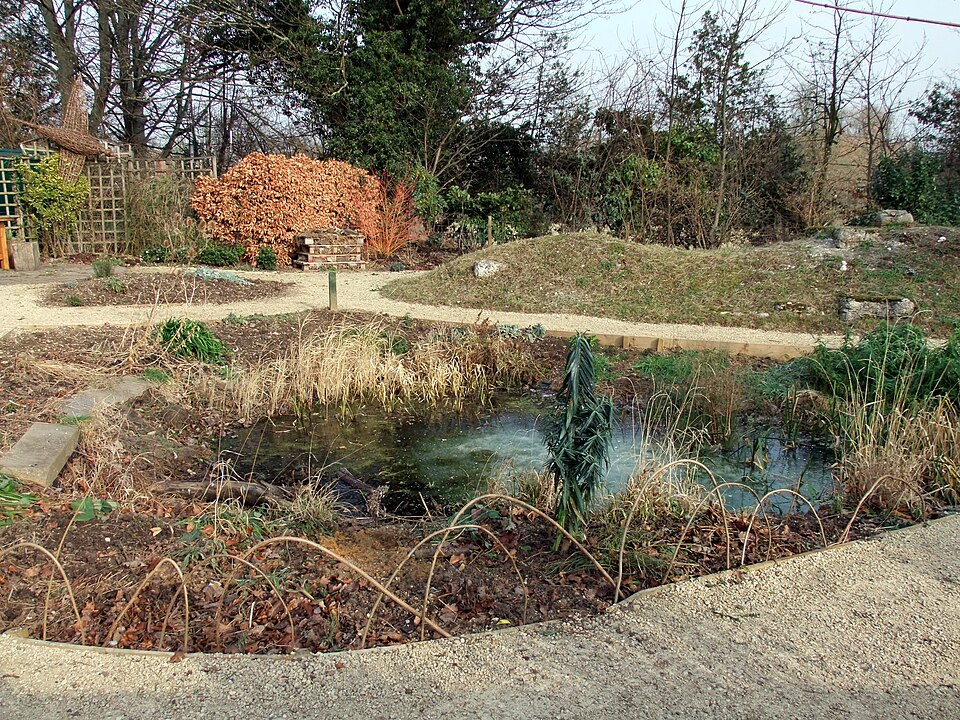
According to ARC, most British amphibians spend the winter on land; but some male frogs spend it lying dormant at the bottom of the pond. According to ARC, amphibians breathe partly through their skin and, if there's enough oxygen in the water, can survive for long periods under the ice.
A hole in the ice doesn't do as much for oxygen as people think. According to ARC, it's the plants and green algae in the water that produce oxygen under the ice. But a hole is still useful: it lets air-breathing animals like newts reach the surface and gives other animals somewhere to drink. According to ARC, during very cold spells, gases from rotting leaves can build up under the ice and become dangerous for frogs. ARC says this is natural and affects only a very small share of local frogs. Still, it's one more reason to clear out leaves in autumn.
- Don't smash the ice: According to ARC, this can damage the pond liner and plants. According to the RHS, the shock waves from breaking ice also harm fish.
- No hot water, chemicals or salt: According to ARC, never pour hot water onto the ice, and don't use chemicals or salt either.
- Float a ball: According to ARC, the best way to make a hole in the ice is to leave a ball or another floating object in the pond and lift it out once the water has frozen. The RHS also says this delays freezing; but make sure the ball doesn't tempt children out onto the ice.
- Clear the snow: According to ARC, clearing snow off a frozen pond lets light in, so the plants and algae in the water produce more oxygen.
- Don't step on the ice: According to ARC, ice can be thinner than it looks and won't hold much weight.
If there are fish in the pond
According to Froglife, fish are voracious predators of spawn and tadpoles; that's why Froglife advises against putting fish in a wildlife pond and recommends keeping them in a separate pond. Some of the RHS's advice, especially about ice and oxygen in winter, is meant for ponds with fish. If you keep fish: goldfish and koi in a garden pond.
Our other articles: Amphibians.
Frequently asked questions
My pond's water level dropped over the summer. Should I top it up with tap water?
According to the RHS, a pond without fish usually doesn't need it; most wildlife copes with changing water levels. If you do need to add water, rainwater is ideal. If you have to use mains water, the RHS recommends warming it in the sun first and adding it in small amounts.
How often should I clean out my pond completely?
According to the RHS, the traditional advice is every five years for small ponds and every ten years for large ones. But the RHS asks you first to consider whether it's really needed, because a big clean-out can disrupt the ecosystem for years. If it is needed, do it in September–October and clean only half of the pond.
My pond has frozen over. What should I do for the frogs?
Don't smash the ice, don't pour hot water on it, and don't use salt or chemicals. ARC's advice is to leave a ball in the pond before the cold weather and lift it out once the water has frozen; clearing snow off the ice also helps the plants in the water produce oxygen.

Keep track of your pet's care in TüylümLog vet visits, vaccine and medication dates, and we'll remind you when it's time. Share it all with your family in Home.
Sources
- RHS · Pond care
- RHS · Monthly gardening tips: September – ponds
- Froglife · Creating or improving ponds (FAQ)
- Herts and Middlesex Wildlife Trust · Top tips for your pond's maintenance this autumn
- Amphibian and Reptile Conservation (ARC) · A tale of frogs and ice: what happens in the winter?
- Amphibian and Reptile Conservation (ARC) · Spawn & tadpoles FAQs
By Tüylüm · Published and last checked: October 28, 2026. Spotted a mistake? Write to [email protected] and we'll fix it right away. Photos are from Wikimedia Commons, used under the license shown below each photo.