Cleaning an amphibian enclosure: sensitive skin, residue-free cleaning and the right routine
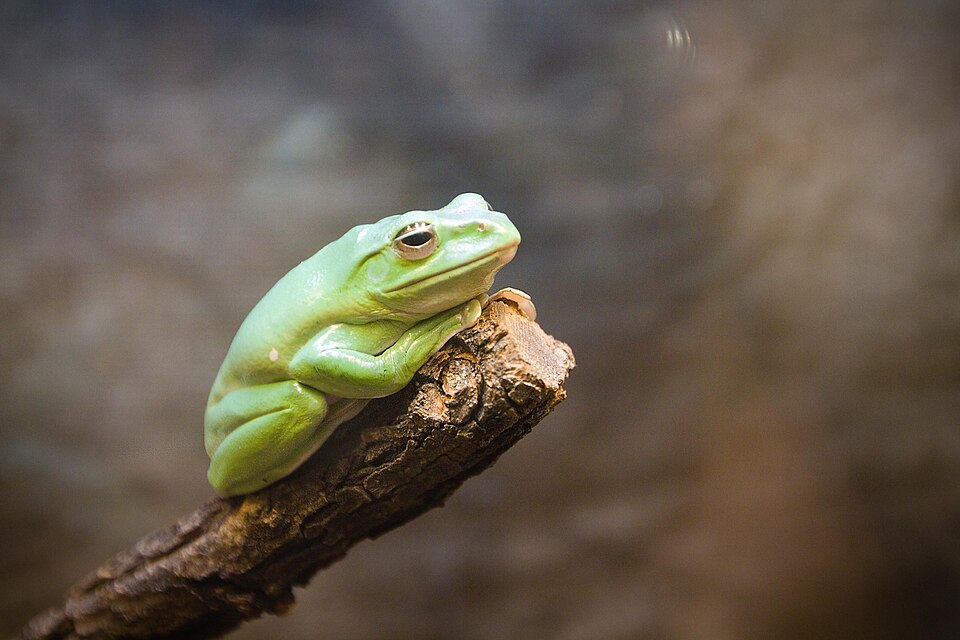
If you keep an amphibian, cleaning is a two-sided job: removing the dirt, and leaving nothing behind after you clean. According to the NSW Department of Education, frogs and other amphibians can absorb chemicals through their skin. Agriculture Victoria in Australia also says that because of this sensitive, absorbent skin, an amphibian's habitat needs to be cleaned thoroughly and frequently. According to the Merck Veterinary Manual, a clean enclosure also helps prevent disease. But the same skin can absorb residue from the products you clean with, too. In this article, we've sorted the jobs by how often they need doing: every day, every week, and now and then.
- Every day: According to Merck, food and water should be replaced daily, and uneaten food and waste removed.
- Substrate: According to Merck, spot cleaning should happen anywhere from daily to weekly; the whole substrate is replaced every few weeks to every few months, depending on the material.
- Every week: Merck recommends disinfecting humidifiers and spray bottles once a week.
- Once a month: According to the RVC, the whole enclosure can be cleaned once a month with a disinfectant suitable for amphibians.
- Animal out, no residue: According to NSW, the frog should be moved to a temporary container during disinfection, and the enclosure rinsed thoroughly.
- Not in the kitchen: According to the CDC, the enclosure and its equipment should never be cleaned where food is prepared.
Every day: a quick round
The daily clean takes a few minutes, but it's the most important part. According to Merck, food and water should be replaced every day, and uneaten food and waste removed. In its tree frog care sheet, the Royal Veterinary College (RVC) also recommends "spot-cleaning" the enclosure every day: removing droppings, dead insects and uneaten greens.
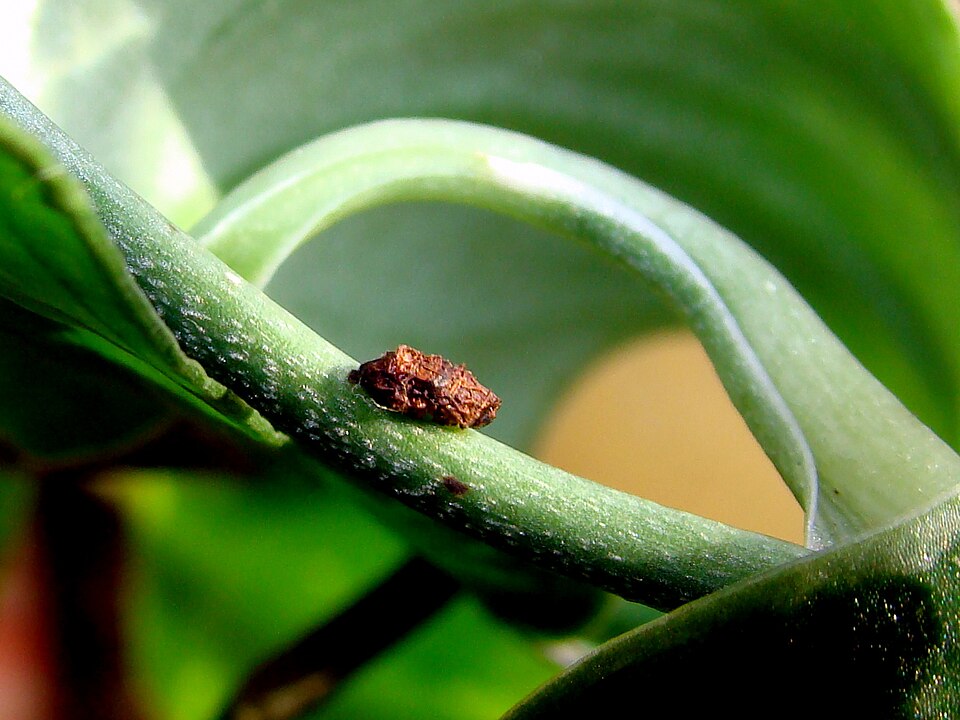
- Refresh the water dish: According to Merck, water should be replaced every day. For details on water quality: amphibian water quality.
- Escaped insects: According to the RVC, live food that isn't eaten within 30 minutes should be removed from the enclosure.
- Only the dirty spot: On your daily round, clean only the soiled spot, not the whole floor; replacing the whole substrate is a now-and-then job.
- Take a look: Cleaning is also a good chance to see your animal up close.
Substrate: spot cleaning, and a full change now and then
According to Merck, spot cleaning of the substrate should be done anywhere from daily to weekly. The whole substrate should be completely replaced every few weeks to every few months, depending on the material you use.
There's a nice detail here: don't throw everything out. According to Merck, moss, hardwood mulch and soil support the growth of helpful microorganisms in the enclosure. So a small portion of these substrates should stay in the enclosure each time you clean.
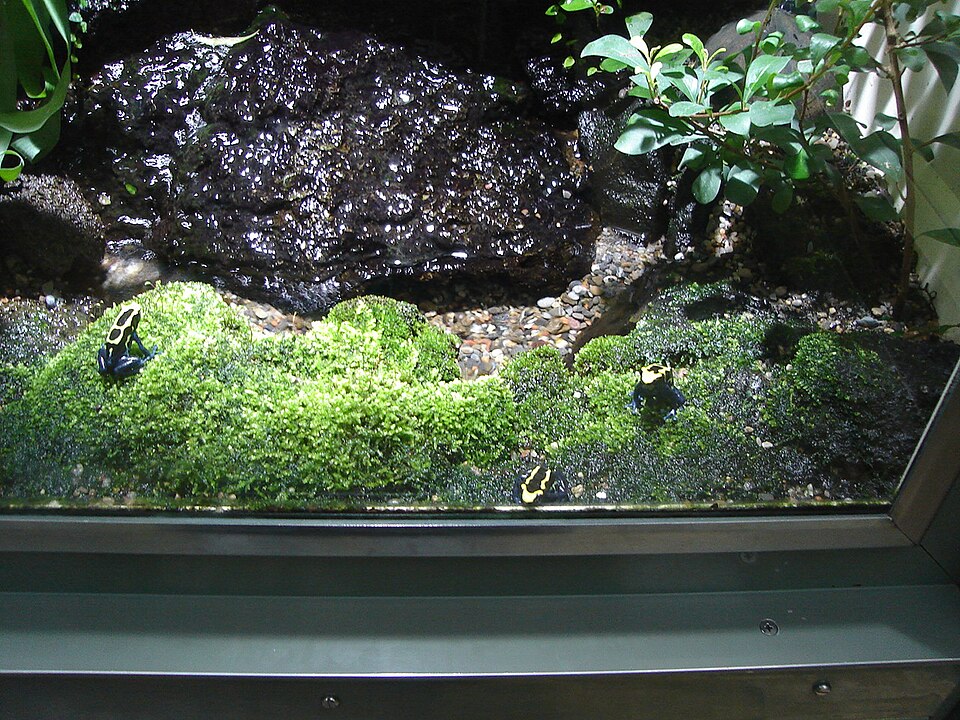
When you renew the substrate, Merck's rules for choosing it come in handy too:
- Additive-free soil: According to Merck, any soil used should be free of additives.
- No cedar or pine: According to Merck, untreated hardwood mulch and leaf litter can be used; but cedar and pine should be avoided because they contain toxic oils.
- Gravel it can't swallow: According to Merck, gravel should be either too large for the animal to swallow or small enough to pass through its digestive tract.
- Against pests: According to Merck, soil can be heated to 93 °C (200 °F) for 30 minutes or frozen below 0 °C (32 °F) to reduce pests.
Every week
According to Merck, humidifiers and spray bottles should be disinfected once a week. If you mist the enclosure every day, that bottle is the tool you use most often; set yourself a reminder so you don't forget the weekly disinfection.
If you have an amphibian that lives in water, Merck says at least 10% of the water in an established tank should be changed every week. We cover water changes and test kits in detail in our article on amphibian water quality.
Once a month: the big clean
According to the RVC, the whole enclosure can be cleaned once a month with a disinfectant suitable for amphibians. On big-clean day, you can follow this order:
- Take the animal out first: According to the NSW Department of Education, if the enclosure is going to be disinfected, the frog should be moved to a separate, temporary enclosure, such as a plastic container, so it doesn't come into contact with the disinfectant. Any water in this container should follow the same rules as the water in the enclosure.
- Put on gloves: According to Merck, disposable gloves are a must when cleaning, to prevent the spread of disease. NSW also recommends disposable gloves when handling frogs.
- Disinfect the equipment: According to Merck, cleaning tools, food dishes and other objects can be disinfected in a bleach solution (30 mL of bleach per liter of water, or about 1 ounce per quart) for at least 30 minutes.
- Rinse with plenty of water: According to Merck, these items should then be rinsed thoroughly and dried. NSW also asks that the enclosure be rinsed thoroughly after it's disinfected with a bleach solution, so that no bleach residue is left inside.
- Renew the substrate, but keep a little: If it's time to replace the whole substrate, set aside a little of the old moss or soil and mix it into the new (Merck).
- According to NSW, because amphibians can absorb chemicals through their skin, chemical sprays and aerosols should not be used near frogs.
- According to Agriculture Victoria, most amphibians breathe through their skin too; chemicals and residue on your hands can pass to the animal and even kill it. Wash your hands thoroughly before you touch your animal. For details: handling amphibians.
- If you're not sure which disinfectant is right for your animal, ask your vet.
Where to clean, and where the water goes
The rules from the CDC (US Centers for Disease Control and Prevention) apply here as well:
- Outdoors if possible: According to the CDC, amphibian and reptile habitats should be cleaned outside the home if possible; do this away from gardens and sources of food or drinking water.
- The kitchen is off-limits: According to the CDC, food preparation areas should never be used to clean a habitat or its equipment.
- If you clean indoors: The CDC recommends a laundry sink or bathtub; afterward, clean and disinfect the area thoroughly before anyone else uses it.
- Dirty water goes down the toilet: According to the CDC, tank water and other wastewater should be poured down the toilet, not a sink or drain.
- Wash your hands: The CDC asks you to wash your hands after cleaning a tank or aquarium; if soap and water aren't available, hand sanitizer with at least 60% alcohol can be used.
According to the CDC, if an animal became sick or died, its habitat should not be used again until it has been properly cleaned and disinfected.
If you notice any change in your animal's appearance, skin, appetite or behavior while you're cleaning, talk to your vet without delay.
On Tüylüm's Today tab, Terrarium cleaning comes as a ready-made weekly task for amphibians; Food and Water / humidity check are ready too. You can add your own tasks for the monthly big clean or for disinfecting the spray bottle. With My home, everyone in the family sees the same list.
Cleaning a reptile vivarium follows different rules (dry substrate, heat lamp): vivarium cleaning. Our other amphibian articles: Amphibians. Species guides: tree frog, Pacman frog, salamander.
Frequently asked questions
Should I replace the whole substrate every time I clean?
No. According to Merck, substrate is spot cleaned anywhere from daily to weekly, while the whole thing is replaced every few weeks to every few months, depending on the material. If you use moss, mulch or soil, leave a small portion each time; according to Merck, this protects helpful microorganisms.
Which disinfectant should I use?
The RVC recommends a disinfectant suitable for amphibians. Merck and NSW mention a bleach solution; both insist on very thorough rinsing afterward, and NSW wants no residue at all left in the enclosure. Always take your animal out while you disinfect, and ask your vet which product is suitable.
Can I pour the dirty enclosure water down the sink?
According to the CDC, no: tank water and other wastewater should go down the toilet, not a sink or drain. The enclosure and its equipment shouldn't be washed in the kitchen either.

Keep track of your pet's care in TüylümLog vet visits, vaccine and medication dates, and we'll remind you when it's time. Share it all with your family in Home.
Sources
- Merck Veterinary Manual · Housing for Amphibians (pet owner version)
- Royal Veterinary College (RVC) · White's Tree Frog care (care sheet, PDF, December 2024)
- NSW Department of Education · Green Tree Frog – hygiene
- Agriculture Victoria · Caring for your pet amphibian
- CDC · Reptiles and Amphibians (Healthy Pets, Healthy People)
By Tüylüm · Published and last checked: October 28, 2026. Spotted a mistake? Write to [email protected] and we'll fix it right away. Photos are from Wikimedia Commons, used under the license shown below each photo.