Bird baths: a water dish, a mister or wet leaves, and a bathing habit for healthy feathers
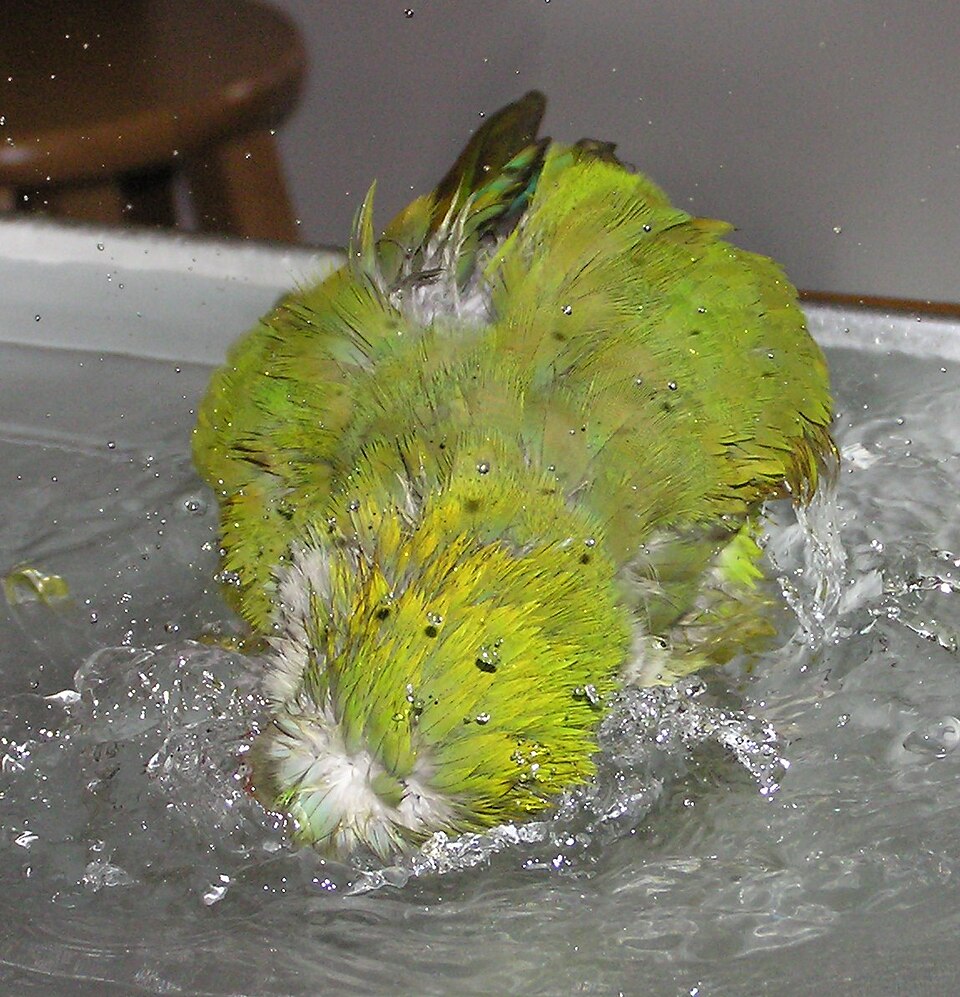
It perches on the edge of the dish, dips its head into the water, then flaps its wings so hard that everything around gets wet. Next, it hops up onto a perch and starts straightening its feathers one by one. Anyone who keeps a pet bird knows this scene. For a bird, a bath isn't just about getting clean; it's part of feather care and daily fun. In this article, we explain how to help your bird build a safe and enjoyable bathing habit, using advice from the Association of Avian Veterinarians (AAV), the RSPCA, the UC Davis School of Veterinary Medicine and the Royal Veterinary College.
- Why: According to the AAV, bathing encourages a bird's natural feather care and is good enrichment.
- Small birds love a dish: According to the AAV, smaller birds often enjoy dipping into a bowl of water; larger birds may enjoy a spray bottle.
- Misting: The RSPCA recommends a fine mist of plain, room-temperature water every few days, in the morning.
- No soap: According to UC Davis, shampoos and soaps aren't recommended; they can be harmful.
- Watch your bird: According to the AAV, your bird's body language tells you whether it's enjoying the bath.
- Never bathe a sick bird: According to UC Davis, a sick bird can't control its body temperature well and may get cold.
Why does bathing matter?
According to the AAV, bathing is a great way to encourage a bird's natural preening behavior (grooming, where the bird cleans and straightens its feathers one by one with its beak), and it's good enrichment too. The RSPCA also says that regular misting encourages a bird to preen, which helps keep its feathers clean and in good condition.
There's a natural reason for this. According to the UC Davis handout, most parrots come from tropical rainforests, where it rains every day. At home, we provide that rain.
Which method suits which bird?
According to the AAV, every bird has its own bathing preference. Smaller birds often enjoy getting into a bowl of water; larger birds may enjoy being showered with a spray bottle. Here are the options in brief:
| Method | How? | Recommended by |
|---|---|---|
| Shallow water dish | A shallow dish in the cage, refreshed every day like drinking water | RVC, AAV |
| Misting | A fine mist of plain, room-temperature water from a plant sprayer; every few days, in the morning | RSPCA |
| Leaf bathing | Hanging large, edible leaves horizontally and spraying them with water | AAV |
| Shower | Under a running faucet, or on a suction-cup shower perch in the shower | AAV, UC Davis |
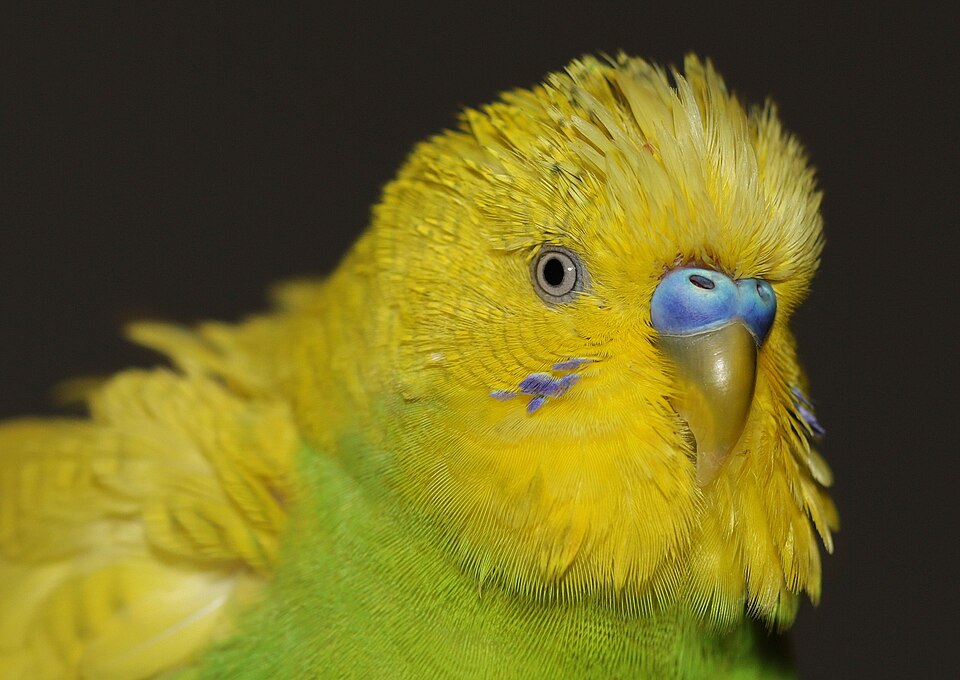
A shallow water dish
The Royal Veterinary College recommends that cockatiels always have water available, both for drinking and in a shallow dish for bathing, and that it be changed every day. According to the AAV, smaller birds in particular like to climb into a dish and dip their bodies into the water. In a video the AAV shared on the topic, even a big hyacinth macaw tries to squeeze into her own water bowl.
Misting
The RSPCA's advice is clear: every few days, in the morning, give your bird a fine mist of plain, room-temperature water from a plant sprayer. UC Davis also describes misting with a spray bottle as an easy way to bathe a bird.
Leaf bathing
According to a 2026 AAV note, some birds bathe using water droplets that collect on large leaves; this is called "leaf bathing," and it's most common in smaller birds. You can try it at home too. To encourage leaf bathing in parrots and in songbirds such as canaries, the AAV suggests hanging large, edible leaves like kale, Swiss chard or collard greens horizontally in the cage and spraying them with water.
Showering
According to the AAV, some birds enjoy a dip under a running faucet or spending time on a suction-cup shower perch in the shower. According to UC Davis, showering with your bird can be a fun bonding activity. If you take your bird out of its cage to bathe, prepare the room first: according to the Royal Veterinary College, windows, doors and chimneys should be closed off, and heaters and fans should be turned off.
Does your bird enjoy its bath?
According to the AAV, as with any enrichment, you need to watch your bird's body language during a bath; you should make sure the experience is pleasant and wanted. Based on the AAV's examples, the signs look like this:
- Not interested: Steps away from the spray bottle, leans back on the perch.
- Enjoying it: Starts vocalizing, leans into the spray now and then, spreads its wings.
If your bird shows it isn't interested, don't force it. Put the spray bottle down and try again another day or with another method, such as a shallow dish.
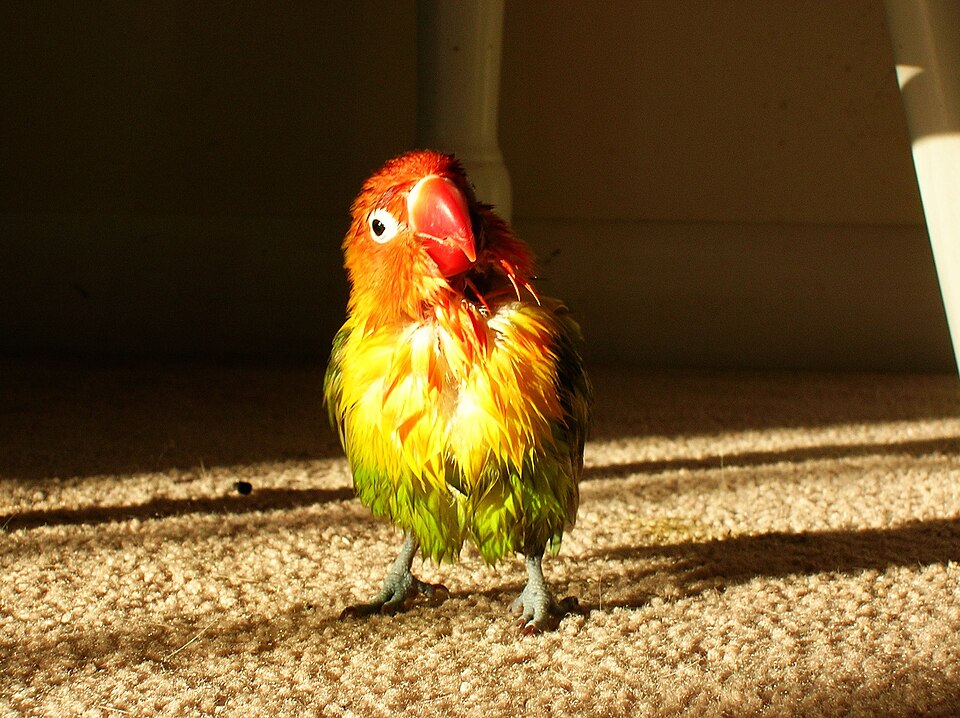
After the bath
After a bath, you'll see your bird start straightening its feathers one by one with its beak. According to the AAV, that's one of the most important benefits of bathing: encouraging natural preening. Leave your bird in peace while it does this, and make sure the cage is in a suitable spot; according to the Royal Veterinary College, the cage should be out of direct sunlight and drafts.
For a safe bath
- Plain water: The RSPCA recommends plain water. According to UC Davis, shampoos and soaps aren't recommended because they can harm your bird.
- Room temperature: According to the RSPCA, the water should be at room temperature.
- Fresh every day: According to the Royal Veterinary College, the water in the bathing dish should be changed every day.
- Mornings: The RSPCA recommends misting in the morning.
- Never bathe a sick bird: According to UC Davis, a sick bird should never be bathed; it can't control its body temperature well and may get too cold.
If your bird seems sick or lethargic, don't give it a bath, and talk to your vet without delay.
For more ideas to keep your bird busy besides bathing: toys and enrichment for birds. For the general care of budgies, canaries, cockatiels and lovebirds, take a look at our species guides: budgie care, canary care, cockatiel care, lovebird care.
Add the Bath water task to Tüylüm's Today tab, and you won't forget to refresh the bathing dish every day. Food, water and cage cleaning are on the same list.
Frequently asked questions
How often should I bathe my bird?
The RSPCA recommends misting every few days, in the morning. If there's a shallow bathing dish in the cage, your bird can bathe whenever it likes; according to the Royal Veterinary College, the water in that dish should be changed every day.
Can I bathe my bird with shampoo or soap?
No. According to UC Davis, shampoos and soaps aren't recommended when bathing a bird, because they can be harmful. Plain water is enough.
My bird won't go near the water. What should I do?
Don't force it. According to the AAV, every bird has its own preference: one likes a dish, another the mister, another wet leaves. Try different methods and watch your bird's body language; if it steps away from the spray, drop that method.

Keep track of your pet's care in TüylümLog vet visits, vaccine and medication dates, and we'll remind you when it's time. Share it all with your family in Home.
Sources
- Association of Avian Veterinarians · Showering
- Association of Avian Veterinarians · Importance of Body Language
- Association of Avian Veterinarians · What is Leaf Bathing? (Brynn McCleery, DVM, 2026)
- RSPCA · Enrichment for pet birds
- UC Davis School of Veterinary Medicine (Clinical Animal Behavior Service) · Feather-picking in parrots, handout
- Royal Veterinary College (RVC Exotics Service) · Cockatiel care (December 2024)
By Tüylüm · Published and last checked: October 26, 2026. Spotted a mistake? Write to [email protected] and we'll fix it right away. Photos are from Wikimedia Commons, used under the license shown below each photo.