 Tüylüm
British Shorthair
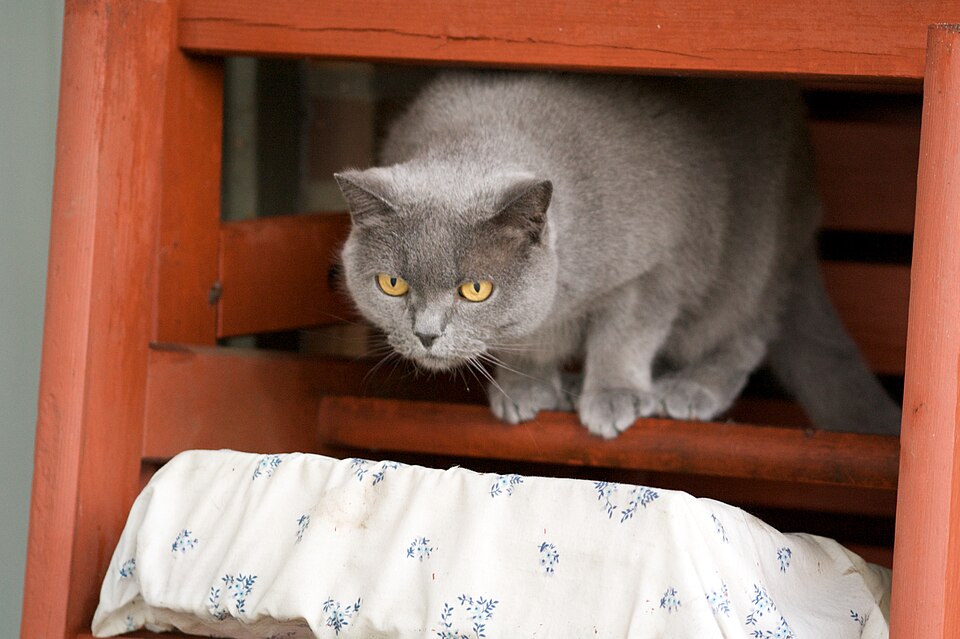
With its round face, big copper eyes and plush, teddy-bear coat, it is one of the most recognizable cats in the world. A calm, quiet house cat that bonds with the whole family; heart screening and a healthy weight are the two things that matter most for a long life.

 Lifespan≈ 9.6 yearslife expectancy, UK 2019 data; some live past 20
 Weightup to 17 lb (7.7 kg)males; females are smaller
 OriginGreat Britain
 CoatShort, very densecomb once a week
 EnergyCalmenjoys short play sessions
 Maturity3–5 yearsslow to mature
 With kidsPatientmoves away from noise
 Blood typeType B is commonmatters for transfusions and breeding
The British Shorthair is a calm, easygoing cat often called a "teddy bear" for its round shape. It dislikes noise, learns the household routine quickly and usually shows affection by sitting next to you rather than in your arms. On this page we've pulled together its temperament, care needs and health issues from breed registry standards, animal welfare resources and scientific studies.
- Temperament: Calm and quiet, bonds with the whole family; usually doesn't like being carried.
- Easy care: Combing once a week is usually enough; do it more often during shedding season.
- Watch the weight: Its low activity level makes weight gain easy, and a healthy weight affects lifespan.
- Health: A predisposition to the heart disease HCM has been reported; ask the breeder for the parents' heart screening.
- Lifespan: In UK data from 2019, life expectancy was about 9.6 years; plenty of well-cared-for cats live past 15.
What to know
 What is the British Shorthair like?
The British Shorthair is a balanced, calm and quiet cat. According to the CFA's breed profile, it bonds with the whole family rather than a single person, learns household routines quickly and usually gets along with dogs and other cats. It will greet you at the door and follow you from room to room, but it often prefers to stay one step away.
The breed is best known for not liking to be picked up. Many British Shorthairs are happiest beside you, on the same sofa or at your feet, but being lifted and carried around isn't their thing. That isn't coldness; it's a temperament that values its own space. Letting the cat come to you, without forcing contact, builds trust quickly.
Kittens are playful, and adults still enjoy short, lively play sessions followed by long naps. It isn't a chatty cat; you'll rarely hear it.
Every cat is an individual. Breed traits describe general tendencies; how a cat was raised, how much contact it had with people as a kitten and its health shape its personality as much as its breed.
 Who is it a good fit for?
The British Shorthair suits calm households that want to spend time with their cat but don't expect a lap cat around the clock.
| Situation | Good fit? |
|---|---|
| Apartment | Excellent; calm and adapts well to indoor life |
| Family with kids | Good; patient, but retreats to its own corner when things get loud |
| Other cats and dogs | Usually gets along; introduce them slowly |
| Long hours alone | Copes better than many cats, but still needs play and attention |
| First-time cat owners | Good; easy to care for and even-tempered |
Teach children not to pick the cat up against its will, not to disturb it while it sleeps and to always leave it a way out. Having a high shelf or a quiet room to retreat to during noisy moments makes the home feel safe for it.
Where does it come from?
The British Shorthair's ancestors are thought to be cats that arrived in Britain with the Romans and spent centuries hunting mice on farms and in the streets. In the late 1800s, cat fanciers began selectively breeding these sturdy, short-coated street cats, and the breed appeared at the first major cat shows at London's Crystal Palace.
According to the CFA, the two World Wars brought the breed close to extinction. Breeders rebuilt the lines with carefully planned crosses to Persians and domestic shorthairs, which partly explains today's round face and dense coat. The breed reached the United States in the early 1900s under the name "British Blue," and blue is still its best-known color.
 Appearance and colors
A medium-to-large, sturdy cat with a broad chest and a muscular build. The head is round with full cheeks, the ears are small and set wide apart, and the nose is short but not as flat as a Persian's. The eyes are large and round.
- Weight: According to the CFA, males can reach 17 pounds (about 7.7 kg); females are noticeably smaller.
- Coat: Short, very dense and plush; the CFA notes the breed is counted among the cats with the most hairs per square inch.
- Colors: Blue is the best known, but black, white, cream, red, chocolate, lilac, tabby patterns, bicolor, smoke, shaded (chinchilla) and tortoiseshell are also in the standard.
- Eye color: Usually gold or copper in solid colors; blue or odd-eyed in whites; green in silver and golden shaded cats.
The breed matures slowly: according to the CFA, it reaches full size at about 3 years and full development between 3 and 5 years. It's normal for a kitten to look "lean" in its first year.
Daily care
Its short, dense coat makes grooming easy. Combing once a week with a comb or rubber brush is usually enough; doing it more often during spring and fall shedding reduces both the hair around your home and the hair your cat swallows. Grooming time is also a good moment to check the skin, ears and claws.
- Claws: A scratching post is a must; if the claws grow long, they can be trimmed the way your vet shows you.
- Ears and eyes: Check them weekly; show your vet any redness, odor or discharge.
- Play: A few 5 to 10 minute hunting games a day (wand toys, balls) keep both its weight and its mood in good shape.
- Environment: A high window perch, a box to hide in and a quiet resting spot are things this breed loves.
For more ideas, see our articles on cat grooming and playing with an indoor cat.
 Diet and weight
British Shorthairs don't need a special food; a complete, balanced cat food that suits their age and lifestyle is enough. The real issue is how much: as a calm, large-framed cat that usually lives indoors, it can gain weight easily. In the 2024 study by Teng and colleagues, cats whose weight was further from the median for their breed and sex had shorter lives.
- Measure food instead of eyeballing it; decide the daily amount with your vet based on your cat's ideal weight.
- Count treats as part of the daily food.
- Being able to feel the ribs under a thin layer of fat, and seeing a waist when you look from above, are good signs.
- Needs can change after spaying or neutering; weighing your cat once a month shows changes early.
- Always have fresh water available; some cats drink more from running water.
 Health issues to know about
The British Shorthair is generally considered a robust breed, but some inherited problems have been reported. The information below is for awareness only; ask your vet about diagnosis and treatment.
Hypertrophic cardiomyopathy (HCM)
HCM is the most common heart disease in cats: the wall of the heart muscle becomes abnormally thick. According to UFAW's animal welfare resource, the British Shorthair is among the breeds predisposed to it. Many cats show no signs for a long time; in advanced cases there may be trouble breathing or sudden weakness in the hind legs. The Cornell Feline Health Center notes that the disease is detected with an ultrasound of the heart (echocardiography). Asking the breeder for the parents' heart screening results is the best way to help reduce its spread.
Blood type B
Cats have A, B and AB blood types, and they are born with antibodies against the other type. Type B is more common in the British Shorthair than in most breeds, and the CFA also points out that many lines carry it. This matters in two situations: choosing the right donor if a transfusion is ever needed, and breeding (type A kittens born to a type B mother can have a serious reaction while nursing). It's a good idea to ask your vet about your cat's blood type and keep it on record.
Hemophilia B
According to UFAW, this is a rare inherited disorder reported in British Shorthairs that affects blood clotting. Because the gene is on the X chromosome, it is more common in males. If you notice prolonged bleeding after something like teething or a spay/neuter surgery, tell your vet.
- Fast or open-mouth breathing
- Sudden weakness, limping or pain in the hind legs
- Bleeding that won't stop, or unexplained bruising
- Loss of appetite and hiding (cats hide pain)
How long does it live?
A 2024 study using the Royal Veterinary College's VetCompass data found a life expectancy at birth of 9.58 years (confidence interval 8.73–10.43) for 194 British cats (including British Blue and British Longhair) that died in the UK in 2019; the longest-lived cat in that group was over 22. In the same study, mixed-breed cats had a life expectancy of 11.89 years.
This doesn't mean "the average British Shorthair dies at 10": cats lost at a young age pull the average down, and many well-cared-for cats live past 15. The same study shows that neutered cats and cats at their ideal weight live longer. Regular vet checkups, weight tracking and heart screening are the most concrete ways to extend this breed's life.
 Before you get one
- Consider a shelter: Purebred cats end up in shelters and rescues too. If you're set on a breed, follow breed groups and adoption listings.
- If you buy from a breeder: Ask to meet the parents, and ask for heart screening (echocardiography) results, blood types and vaccination records. Avoid sellers who separate kittens from their mother too early; ask when they will let the kitten go home.
- Red flags: Steer clear of sellers who won't show you the mother, always have kittens available, can't provide paperwork or rush you to "buy now."
- Registration: Rules vary by country; many places require or recommend microchipping. In Türkiye, owned cats must be microchipped and registered in the PETVET system.
- The first days: Prepare a quiet room with a litter box, water and a place to hide while it settles in. Our guide to the first week with a new cat walks you through it step by step.
Frequently asked questions
Do British Shorthairs shed?
Yes. Their coat is short but very dense, so they shed noticeably, especially in spring and fall. Combing once a week, and a few times a week during these seasons, cuts down the hair around your home.
Do they like being held?
Most British Shorthairs don't like being carried; they prefer to sit next to you or simply be in the same room. Individual cats differ, of course, and letting the cat come to you is always best.
How big do they get?
According to the CFA, males can reach about 17 pounds (7.7 kg), and females are smaller. They reach full size around 3 years and full development between 3 and 5 years. Work out your own cat's ideal weight with your vet.
Can they be left home alone?
Their calm nature helps them cope better than many cats, but they still need daily play, attention and enrichment. For longer trips, someone you trust should visit every day.
Is the British Shorthair the same as the Scottish Fold?
No. British Shorthairs were used in developing the Scottish Fold, so their faces can look alike, but the Scottish Fold's folded ears come from an inherited change that affects cartilage and bone development. See our Scottish Fold page for details.
Sources
- CFA (Cat Fanciers' Association) · British Shorthair ırk tanıtımı ve standardı
- Science for Animal Welfare (UFAW) · British Shorthair: Hipertrofik kardiyomiyopati
- Science for Animal Welfare (UFAW) · British Shorthair: Hemofili B
- Teng ve ark. · Life tables of annual life expectancy and risk factors for mortality in cats in the UK, Journal of Feline Medicine and Surgery (2024)
- Cornell Feline Health Center · Cardiomyopathy
- PawPeds · Blood groups in the cat
- International Cat Care · Helping your new cat or kitten settle in
- Resmî Gazete · Kedi, Köpek ve Gelinciklerin Kimliklendirilmesi ve Kayıt Altına Alınmasına Dair Yönetmelik (26 Şubat 2018)
By Tüylüm · Last checked: November 3, 2026. Compiled from the sources above and written in our own words. Spotted a mistake? Write to [email protected] and we'll fix it right away. Photo from Wikimedia Commons, used under the license shown below it.