 Tüylüm
Persian
With its long, flowing coat, round face and calm nature, it's one of the oldest and best-known breeds. It needs combing every day, and because a flat face can cause breathing, eye and dental problems, choosing a cat with a less flattened face and asking about the PKD DNA test matter a lot.
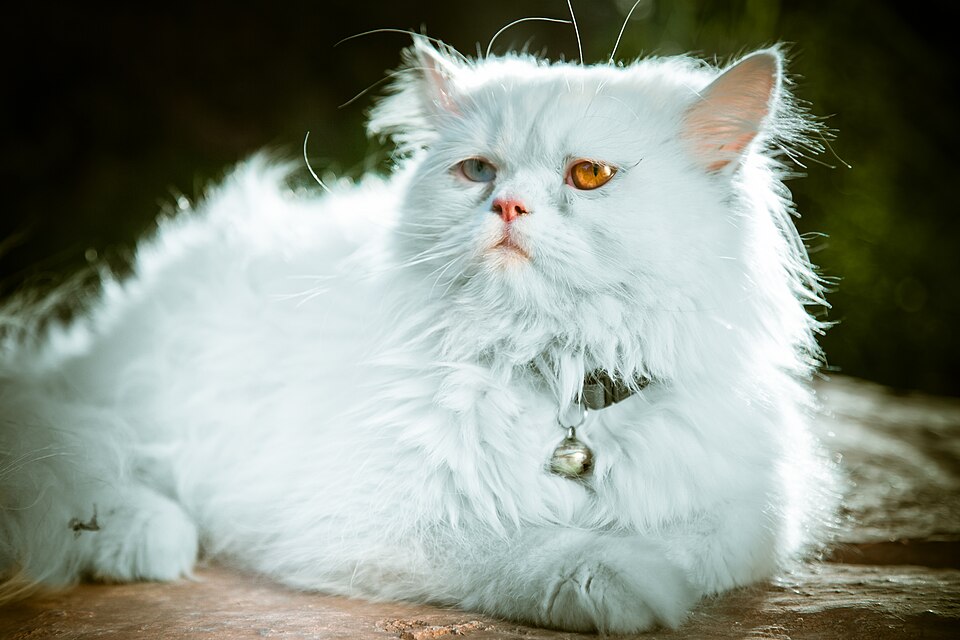

 Lifespan≈ 10.9 yearslife expectancy, UK 2019 data
 Weight≈ 8.6 lb (3.9 kg)UK adult average
 OriginIran (by name)reached Europe in the 1600s
 CoatLong and fullcomb every day
 EnergyVery calmprefers to stay on the ground
 VoiceQuietsoft voice, speaks with its eyes
 With kidsGets alongenjoys calm play
 EyesWipe dailytearing and staining are common
With its long, silky coat, round face and big eyes, the Persian has been one of the best-known faces at cat shows for more than a century. It's calm, gentle and adapts very well to indoor life, but that beauty takes daily work, and in some cats the flat face can lead to serious health problems. On this page we've pulled together its temperament, care and health issues from breed registry information, animal welfare resources and studies based on large UK veterinary databases.
- Temperament: Very calm, quiet and easygoing; prefers to be on the ground beside you rather than climbing the curtains.
- Coat care: Its long coat should be combed every day with a metal comb; coat problems are among the most common vet records in this breed.
- Flat face: The flatter the face, the higher the risk of breathing, eye and dental problems; choose a cat with a visible nose and open nostrils.
- PKD: Always ask for the parents' DNA test results for the inherited kidney disease PKD.
- Lifespan: In UK data from 2019, life expectancy was about 10.9 years; plenty of well-cared-for cats live past 15.
What to know
 What is the Persian like?
The CFA describes the Persian as playful yet placid, calm and even-tempered. It can be persuaded to chase a toy, but what really makes it happy is attention and affection from its people. According to the CFA, this isn't a cat that's likely to jump on the kitchen counter or climb the drapes; it prefers to keep all four feet on the ground.
TICA says the breed has a soft, musical voice and communicates mostly with its big, expressive eyes. It looks calm most of the day but can suddenly burst into action, running through the room and rolling around. It handles changes in routine well, is comfortable at home whether you're there or not, and is happy to see you when you get back.
Because a long coat needs care that should start in kittenhood, well-raised Persians are usually used to being combed and handled. The CFA also notes that the breed quickly learns the word "no" and often its own name.
Every cat is an individual. Breed traits describe general tendencies; how a cat was raised, how much contact it had with people as a kitten and its health shape its personality as much as its breed.
 Who is it a good fit for?
The Persian needs a calm home and an owner who can set aside time for grooming every day. If you're looking for an active playmate, or combing sounds like a chore, another breed may suit you better.
| Situation | Good fit? |
|---|---|
| Apartment | Excellent; adapts well to indoor life |
| Family with kids | Good; the CFA says it gets along with children of all ages, but it won't join rough games |
| Other cats and dogs | Usually peaceful; introduce them slowly |
| Long hours alone | Copes better than many cats |
| Hot climate | Take care; flat-faced cats struggle to stay cool in the heat |
| First-time cat owners | The temperament fits, but coat and health care take some experience |
An important note for hot summers: Cats Protection reminds owners that flat-faced cats can struggle to keep themselves cool in hot weather and need plenty of water and a cool place to rest.
Where does it come from?
The Persian takes its name from its presumed homeland, but exactly how it reached Europe isn't known. According to the CFA, the Italian traveler Pietro della Valle returned from Persia in 1626 with a heavily coated longhaired cat; the Turkish Angora reached Europe around the same time, and the two were combined to produce sturdier, shorter-nosed cats with silky coats.
Persians were shown at the first major cat show, held at London's Crystal Palace in 1871. They arrived in the United States in the late 1880s and were one of the six foundation breeds of the CFA when it was founded in 1906. According to the CFA, the breed has been among its ten most popular breeds by registration for as long as such rankings have existed.
Today's Persian is quite different from the Persian of the 1800s. According to TICA, since the late 1800s breeders have selected for rounder heads, smaller ears, shorter noses and bigger eyes; in TICA's words, today's Persians look little like their ancestors. That increasingly flattened face is also the source of the health problems described below.
 Appearance and colors
The Persian has a cobby build, with a broad chest and solid muscles. Its legs are short and thick, and its tail is short and full. The head is round, the ears small and the eyes large and round. Its long, full coat makes it look bigger than it is; in UK vet records, adult Persians weighed 8.6 lb (3.9 kg) on average.
- Coat texture: According to TICA, there are two main textures: a shinier, silkier coat in colors like black and red, and a softer, cottony coat in dilute colors like blue and cream. The cottony coat mats and stains more easily.
- Colors: In the CFA, colors compete in seven divisions: solids, tabbies, silvers and goldens, shaded and smokes, parti-colors, calicos and bicolors, and the Himalayan (pointed) division. For the pointed cats, see our Himalayan page.
- Nose: The CFA standard describes a short, broad nose, but it also requires the nostrils to be open enough for the cat to breathe without restriction.
What does "flat-faced" mean?
The scientific term for a flat face is brachycephaly, meaning "short head." According to UFAW, it comes from an inherited defect in the development of the skull bones: the facial bones are shortened, but the soft tissues inside the nose and airway don't shrink to match. Flat faces in cats are classified into four levels: mild, moderate, profound and extreme. Health problems are worst in the "ultra" types, where the tip of the nose sits level with or above the lower eyelid. According to UFAW, all cats in the two most severe groups are likely to have at least some of these problems.
Daily care
Owning a Persian means making time for grooming every day. In the UK study published in 2019, coat problems were the most common vet record in Persians (12.7 percent), and overgrown claws were also among the top four (7.2 percent).
- Bathing: The CFA and TICA say occasional or regular baths keep the coat clean, and that the cat should always be thoroughly combed first. Getting a kitten used to baths makes things much easier later.
- Teeth: TICA recommends brushing the teeth regularly with a vet-approved cat toothpaste.
- Groomers: The CFA notes that many Persian owners rely on professional groomers.
For ways to help your cat enjoy grooming, see our article on cat grooming.
 Diet and weight
Persians don't need a special food; a complete, balanced cat food suited to their age is enough. TICA notes that they're more prone to weight gain after spaying or neutering, so both the quality and the quantity of food matter. Cats Protection also points out that keeping a flat-faced cat's weight under control helps reduce breathing problems.
- Measure food, and set an ideal weight with your vet.
- A long coat hides weight gain, so weigh your cat once a month.
- According to TICA, many Persians drink more comfortably from a water fountain, which also helps keep the hair on the chin and chest dry. For choosing bowls, see our article on food and water bowls.
- If a flat-faced cat struggles to eat or chew, tell your vet.
 Health issues to know about
In a UK study published in 2019 that looked at the 2013 vet records of 3,235 Persians, 64.9 percent had at least one health problem recorded; the most common were coat problems, gum disease, overgrown claws and eye discharge. The information below is for awareness only; ask your vet about diagnosis and treatment.
Problems linked to the flat face
According to UFAW and Cats Protection, the flatter the face, the higher the risk:
- Breathing: Narrow nostrils and airways can cause snoring, noisy breathing and mouth breathing. This picture is called brachycephalic obstructive airway syndrome.
- Eyes: Because the tear ducts are kinked, tears overflow onto the face; constant wetness can lead to staining and skin inflammation. Bulging eyes are more prone to injury and corneal ulcers. According to UFAW, Persians are the breed most often affected by corneal sequestrum, a dark patch on the cornea caused by chronic irritation.
- Teeth: In a shortened jaw, teeth are crowded and come in at odd angles; chewing gets harder and tartar and gum disease increase. In the UK study, gum disease was recorded in 11.3 percent of Persians.
- Skin: Facial skin folds can become irritated and infected.
Polycystic kidney disease (PKD)
An inherited disease in which small fluid-filled cysts present from birth grow over the years and damage kidney tissue. According to UFAW, past studies found it in 36 to 49 percent of Persians, and it's thought to be the most common inherited disease in cats. It's caused by a single change in the PKD1 gene, and every cat that carries it eventually develops the disease; signs usually appear after age 7. The Cornell Feline Health Center lists increased thirst and urination, poor appetite, weight loss and vomiting as signs.
The good news: the disease can be detected in kittenhood with a DNA test and ultrasound, and it drops quickly when carriers are removed from breeding. The CFA says PKD, which shortened the lives of many Persians in the early 2000s, is now well controlled through genetic testing. In a 2022 study that examined the DNA of more than 11,000 cats, none of the 118 Persians tested carried the gene change. Still, always ask for the parents' PKD test results.
Other issues
- Kidneys and urinary tract: In the UK study, kidney disease was the most common cause of death in Persians (23.4 percent). According to UFAW, Persians are also more prone to calcium oxalate bladder stones; if a stone blocks the urinary tract, it's an emergency, especially in male cats.
- Other screening: TICA recommends checking with your breeder and vet about respiratory and eye problems, the inherited retinal disease PRA and the heart disease HCM, in addition to PKD, in cats of the Persian group.
- Open-mouth breathing, shortness of breath or noisy breathing even at rest
- Keeping an eye shut, frequent blinking, cloudiness or a dark spot on the eye
- Straining to pee without producing urine, or blood in the urine
- Drinking and peeing a lot, weight loss or vomiting
- Weakness and fast breathing on a hot day
How long does it live?
A 2024 study using the Royal Veterinary College's VetCompass data found a life expectancy at birth of 10.93 years (confidence interval 9.63–12.23) for 80 Persians that died in the UK in 2019; the longest-lived cat in that group was over 21. In the same study, mixed-breed cats had a life expectancy of 11.89 years.
A separate study published in 2019, using 2013 data, found a median age at death of 13.5 years for Persians; females (14.0 years) lived a little longer than males (13.1 years). TICA's breed page gives a lifespan of 8 to 11 years. The figures differ because of how they're measured: life expectancy at birth includes cats lost at a young age, so it comes out lower. Daily coat, eye and dental care, a healthy weight and kidney monitoring are the most concrete ways to protect this breed's lifespan and quality of life.
 Before you get one
- Consider a shelter: Persians end up in shelters and rescues too. If you're set on a breed, follow breed groups and adoption listings.
- Choose a less flattened face: UFAW says that, for welfare reasons, it would be better if people chose cats with natural head shapes. Look for a cat with a visible nose, open nostrils, eyes that don't constantly run and no snoring at rest.
- If you buy from a breeder: Ask to meet the parents, and ask for both parents' PKD DNA test results, eye exams and vaccination records. Watch the mother's breathing and eyes yourself.
- Red flags: Steer clear of sellers who market flatter faces as more valuable, won't show you the mother, can't provide paperwork or rush you.
- Registration: Rules vary by country; many places require or recommend microchipping. In Türkiye, owned cats must be microchipped and registered in the PETVET system.
- The first days: Our guide to the first week with a new cat walks you through it step by step.
Frequently asked questions
Does the Persian really come from Iran?
Its name comes from its presumed homeland. According to the CFA, a longhaired cat was brought from Persia to Italy in 1626 and crossed with Turkish Angoras in Europe. Today's Persian, however, was largely shaped by breeders in Britain and the United States from the late 1800s on.
Does it really need combing every day?
Yes. The CFA and TICA recommend regular grooming, and TICA specifically says daily combing. An uncombed coat mats, pulls on the skin and causes pain; in UK vet records, coat problems were the most common issue in this breed.
Why do its eyes water all the time?
In a flat face, the tear ducts are kinked, so tears overflow onto the face instead of draining into the nose. Gently wiping the face every day reduces staining and irritation. If you see redness, cloudiness or a dark spot, or your cat keeps an eye shut, take it to the vet.
What should I watch for in hot weather?
Flat-faced cats can struggle to stay cool in the heat. Provide plenty of fresh water and a cool, shady place to rest, and avoid active play during the hottest hours. If your cat is panting with its mouth open or seems weak, see your vet.
What's the difference between the Persian and the Exotic Shorthair?
Same build, different coat. The Exotic is the Persian's short, plush-coated sibling; its coat is easier to care for, but it shares the same flat-face health concerns. See our Exotic Shorthair page for details.
Sources
- CFA (Cat Fanciers' Association) · Persian ırk tanıtımı ve standardı
- TICA (The International Cat Association) · Persian ırk tanıtımı
- O'Neill ve ark. · Persian cats under first opinion veterinary care in the UK: demography, mortality and disorders, Scientific Reports (2019)
- Teng ve ark. · Life tables of annual life expectancy and risk factors for mortality in cats in the UK, Journal of Feline Medicine and Surgery (2024)
- UFAW Genetic Welfare Problems · Persian: Brakisefali (basık yüz)
- UFAW Genetic Welfare Problems · Persian: Polikistik böbrek hastalığı
- UFAW Genetic Welfare Problems · Persian: Kalsiyum oksalat taşları
- Cats Protection · Brachycephalic (flat-faced) cats
- Cornell Feline Health Center · Polycystic kidney disease
- Anderson ve ark. · Genetic epidemiology of blood type, disease and trait variants, and genome-wide genetic diversity in over 11,000 domestic cats, PLOS Genetics (2022)
- Resmî Gazete · Kedi, Köpek ve Gelinciklerin Kimliklendirilmesi ve Kayıt Altına Alınmasına Dair Yönetmelik (26 Şubat 2018)
By Tüylüm · Last checked: November 3, 2026. Compiled from the sources above and written in our own words. Spotted a mistake? Write to [email protected] and we'll fix it right away. Photo from Wikimedia Commons, used under the license shown below it.