Spring migration: how frogs and toads cross roads, and how to help safely
When spring arrives, quiet ponds suddenly come to life. Amphibians wake from winter dormancy and set off toward the water where they will breed, and sometimes their route crosses a road. According to Froglife, common toads return to the same ancestral breeding ponds every year and keep to the same routes even when a road lies across them, which leads to deadly encounters with traffic. This article explains when and why migration happens, how volunteers help, and the basics of helping safely, using Froglife, The Wildlife Trusts, ARC and the Harris Center in the US. Our sources are from the UK and the US; we couldn't find an official source for anything specific to Türkiye, so we don't cover it.
- When: According to Froglife, toad migration can begin in January and run until April, concentrated on the first mild, wet evenings.
- Why on the road: Toads return to the same ponds by the same routes every year.
- Helping: Volunteers carry toads across in buckets, staying safe at the roadside.
- Safety: Froglife says that if the road is busy or visibility is poor, don't attempt rescues.
- Hands: The Harris Center says to wet your hands or wear nitrile gloves, with no lotion, bug spray or hand sanitizer on them.
- Official route: If you want to help in Türkiye, check first with your regional DKMP directorate or a veterinarian.
When and how does migration start?
According to The Wildlife Trusts, common toads gather and travel to their breeding ponds on the first mild, damp evenings of the year, often around Valentine's Day. ARC says toads return to the same ancestral pond each spring, gathering about two weeks after common frogs have bred. Breeding lasts roughly a week, after which the adults leave. In early summer, usually after rain, tiny toadlets leave the water in large numbers. ARC's FAQ adds that newly emerged young also disperse from ponds in summer.
Froglife says migration can run from January to April, and toads typically come out of hibernation a little later than frogs. One Froglife article describes a Cornwall migration that now begins around late January or early February and may start even earlier as the climate warms, so timing isn't the same everywhere.
Why are roads such a problem?
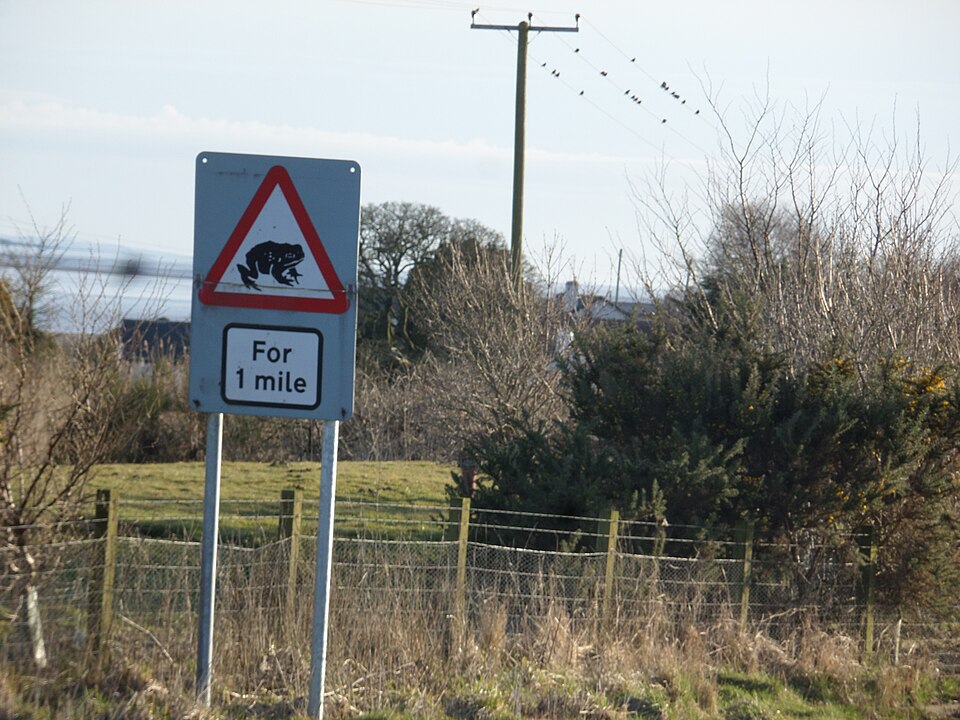
Froglife says toads keep to their routes even when a road is built across them. The Wildlife Trusts estimates that the UK loses about 20 tonnes of toads to traffic each year, and says a spot where more than 1,000 toads cross is called a "toad crossing." ARC also notes that roads cut across migration routes and that dead toads are often found on them.
A Froglife example makes it concrete: at one crossing in Cornwall, about 500 to 600 toads are moved each year, and roughly 100 to 150 still die. The same article says a single car passing at the wrong moment can kill many toads.
How does a volunteer toad patrol work?
Froglife's "Toads on Roads" project has run for more than twenty years, registering known crossings and coordinating local volunteer patrols. Patrollers help toads cross safely, and local groups can ask their council for road warning signs. Froglife says patrolling spans weeks rather than a single night, so patrol managers expect commitment, but volunteers decide how much time to give.
- Watch the weather: Froglife says toad movement depends heavily on the weather; start monitoring once it turns mild (above about 5 °C) and rainy.
- Pick the time: According to Froglife, the early evening is when toads are most likely to meet traffic; movement continues later into the night.
- Get your gear: Reflective or high-visibility clothing, a torch and a bucket for carrying toads.
- Carry them across: Collect a toad from the side of the road it is on and carry it in a bucket to the other side, in the direction of its pond (Froglife).
- Keep records: Note how many toads you help across, how many you see killed, and how many days and people patrol; Froglife says yearly figures help persuade planners and authorities.
Safety comes first
Froglife puts your own safety above everything: if the road is busy or visibility is poor, don't attempt rescues. The Harris Center handbook, written for volunteers on rainy migration nights ("Big Nights"), gives a similar warning: don't try to survey busy roads with fast traffic, because it's too dangerous. The same handbook says a reflective vest is a must, phone flashlights aren't enough, and you should carry a flashlight or headlamp. For volunteers driving to a crossing it recommends slowing to about 15 mph (about 24 km/h), pulling the car completely off the road where it is visible to other drivers, and watching for animals on the drive home.
These are volunteer toad-patrol rules. Walking alone on a dark, wet road with traffic can be dangerous. Reflective clothing and a light are essential so drivers can see you; if the road is busy, don't go out at all. If you find an injured or sick animal, don't take it home to care for it; contact your regional Nature Conservation and National Parks (DKMP) directorate or a veterinarian.
How do you handle the animals?
The UK sources give little detail here; Froglife's patroller page points to its own "Toad Patrol Pack" document. The Harris Center handbook in the US is more specific:
- Wet your hands: Before touching amphibians, wear nitrile gloves or wet your hands with rainwater.
- No chemicals: Amphibians absorb toxins readily through the skin, so your hands should be free of lotion, bug spray, perfume and hand sanitizer. The handbook specifically says not to use sanitizer on Big Nights.
- Hold the middle: Hold the animal gently but firmly around the center of its body; never carry it by the legs or tail.
- Keep their direction: Move the animal across in the direction it was heading and release it well off the road.
- Clean bucket: Use a bucket with no soap or chemicals, rinsed thoroughly if needed.
These rules were written for volunteers in the US who move species such as spotted salamanders and wood frogs. Still, clean, wet hands are a general precaution for amphibians' sensitive skin. If you keep a pet amphibian, see touching amphibians.
If you run into migration near home
- If you're driving and see a toad crossing sign, remember what Froglife describes: toads have followed the same routes for years.
- To make your own pond friendlier to amphibians, see caring for a wildlife pond.
- To tell whether your garden visitor is a frog or a toad, see frog or toad.
- To find a local group, Froglife offers a crossing map called TorMap and a page for registering new crossings; both are for the UK.
Don't let your pets' daily care slip while you're out on migration nights. Tüylüm's Today tab lists ready-made tasks for your pet's type, and with My home everyone caring for the pet can share them, so someone at home can tick off a task while you're outside.
Frequently asked questions
I saw a frog on the road. What should I do?
Think about your own safety first: Froglife says to skip rescues if the road is busy or visibility is poor. If it's safe and you have a light, move the animal across in the direction it was heading and leave it off the road. If it looks injured, don't take it home; contact your regional DKMP directorate or a veterinarian.
Which months does this happen?
Froglife says toad migration can run from January to April and depends heavily on the weather. The Harris Center says migration in New Hampshire can fall anywhere from mid-March to early May. We couldn't find an official source for timing in Türkiye.
Can I take the frog to another pond?
ARC says moving frogs, toads or spawn between ponds can spread disease. Carrying an animal across a road in the direction it was already heading is different from taking it to another pond.

Keep track of your pet's care in TüylümLog vet visits, vaccine and medication dates, and we'll remind you when it's time. Share it all with your family in Home.
Sources
- Froglife · Toads on Roads
- Froglife · How to become a Toad Patroller
- Froglife · Restarting a toad patrol (2026)
- The Wildlife Trusts · Common toad
- Amphibian and Reptile Conservation (ARC) · Common toad
- Harris Center for Conservation Education · Salamander Crossing Brigades Handbook (2024)
This article is for general information only; it is not a diagnosis or treatment advice and does not replace a visit to a veterinarian. Talk to your vet about decisions on your pet's health. By Tüylüm · Published and last checked: November 9, 2026. Spotted a mistake? Write to [email protected] and we'll fix it right away. Photos are from Wikimedia Commons, used under the license shown below each photo.