Frog or toad? 7 ways to tell them apart
Something small just hopped across your lawn: is it a frog or a toad? Both are amphibians and both return to ponds in spring, but they look and behave quite differently. This article pulls together tips from Froglife, Amphibian and Reptile Conservation (ARC), Herts Wildlife Trust and The Wildlife Trusts. All of these sources are British and describe the common frog (Rana temporaria) and common toad (Bufo bufo) of Britain, so details may differ for species elsewhere. If you're thinking about a pet amphibian, see what to know before getting an amphibian; this article is about wild animals.
- Skin: A frog's skin is smooth and moist; a toad's looks rough and warty.
- Movement: Frogs make long leaps; toads mostly walk or crawl.
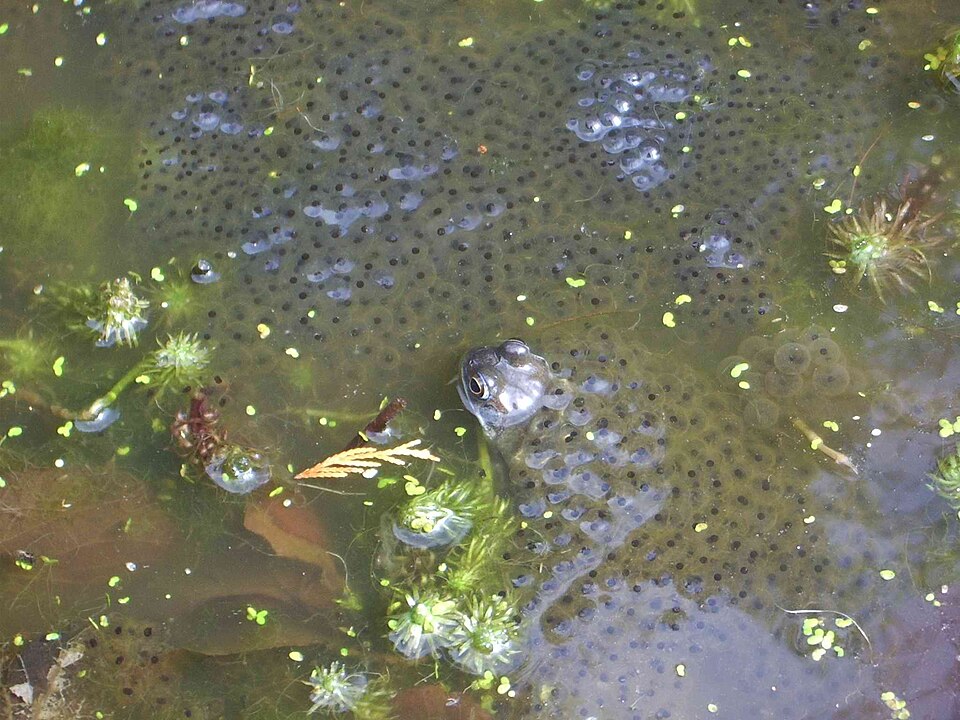
- Spawn: Frog eggs come in clumps; toad eggs come in long strings.
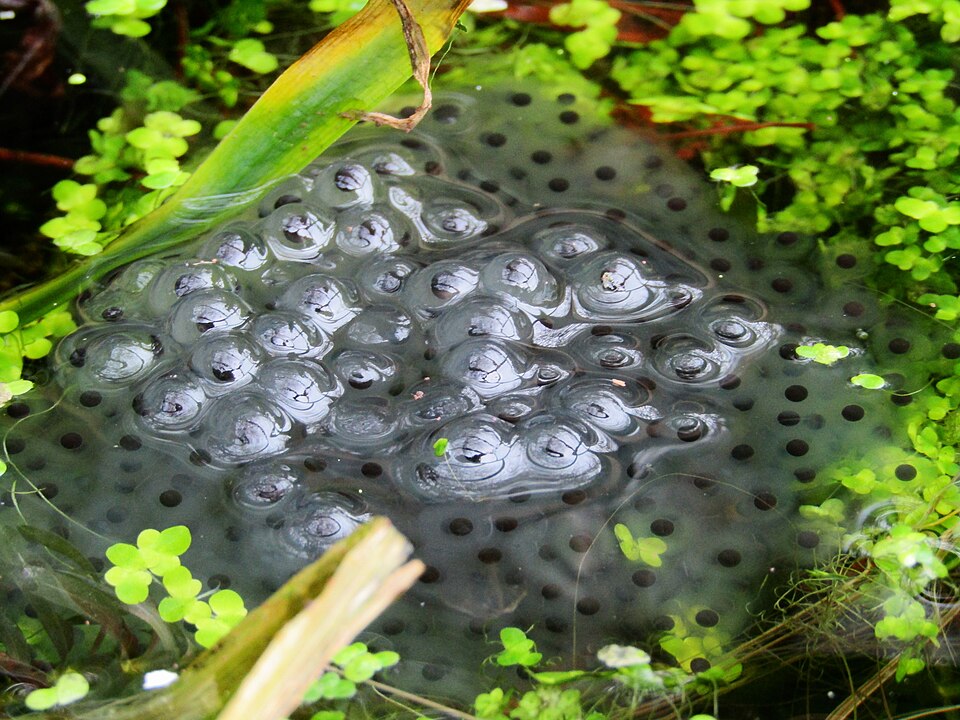
- Tadpoles: Frog tadpoles are slim and speckled; toad tadpoles are chunky and jet black.
- Habitat: Toads cope with drier ground and spend less time in water.
- Moving them: Don't move either one from pond to pond; ARC says it can spread disease.
1. Skin: smooth or warty?
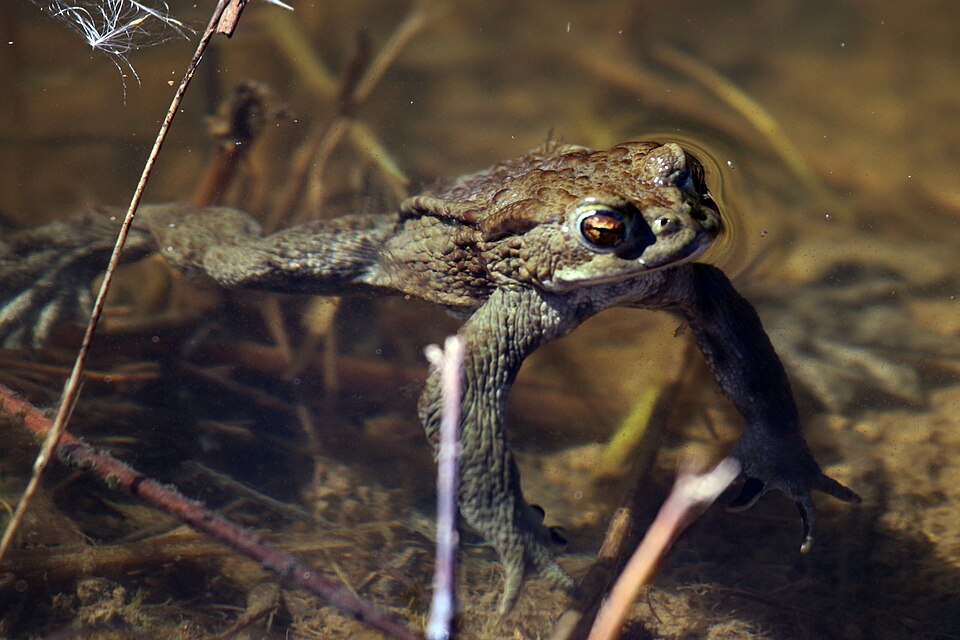
The best-known clue is skin texture. According to Froglife, frogs have smooth, moist skin, while the common toad has rough, warty skin. ARC says the same, with a caveat: frogs usually have smooth skin, whereas a toad's skin tends to be warty. So the rule helps, but shouldn't be your only test. Herts Wildlife Trust describes toad skin as drier, bumpier and brownish.
2. Eyes and face
Froglife says toads have golden eyes and two raised lumps behind them called parotoid glands. ARC describes the common toad's eyes as bright orange. For frogs, ARC mentions a dark "bandit mask" running through the eye, and Herts Wildlife Trust notes a dark patch behind each eye. Face shape helps too: Herts says frogs are slim and athletic with pointed faces, while toads are stockier with broad faces.
3. Legs and movement
According to Froglife, frogs make long leaps when disturbed and have long, striped legs. Herts Wildlife Trust says frogs can sometimes cover about 20 times their body length in a jump. Toads have shorter legs and, per Herts, walk or crawl. Froglife also says toads prefer to crawl rather than hop and usually stay still when disturbed. ARC, however, says common toads "walk or hop," so the sources don't fully agree, and movement alone isn't conclusive.
4. Spawn: the easiest clue
If you can see eggs, telling them apart gets much easier. Herts Wildlife Trust says frog spawn forms gooey clumps, while toad spawn forms long strings. ARC likewise describes common toad spawn as laid in strings rather than clumps.
5. Tadpoles: color and behavior
Herts Wildlife Trust says frog tadpoles are slim and turn mottled brown as they grow, and they don't form shoals. Toad tadpoles are chunky, stay jet black and swim in groups. The same source adds that toad tadpoles taste bad to fish. The Wildlife Trusts ties this to toxins: toad tadpoles carry them, which deters predators and lets them survive in deep ponds with fish that would eat frog tadpoles. By Herts' numbers, a frog tadpole becomes a tiny frog in about 14 weeks and a toad tadpole becomes a toadlet in about four months. We follow the process step by step in from tadpole to frog.
6. Where do they live?
Froglife says toads tolerate drier habitats than frogs and spend less time in water; frogs are more likely in damp garden habitats. Herts Wildlife Trust says toads spend most of their lives away from water and return to ponds only to breed, while frogs are seldom found far from water. ARC says amphibians in general can be found hundreds of meters from water, even in gardens. The sources differ a bit here, so combine this clue with the others.
According to ARC, common toads spend only a short time in the water and tend not to breed in garden ponds, while common frogs can be very numerous in them. Toads prefer deeper water for breeding, such as farm ponds, reservoirs and village duck ponds.
| Feature | Frog | Toad |
|---|---|---|
| Skin | Smooth, moist | Rough, warty, looks dry |
| Eyes | Dark patch or "mask" behind the eye | Golden or orange eyes, parotoid glands behind them |
| Legs | Long, striped; long leaps | Shorter; walks or crawls |
| Spawn | Clumps | Long strings |
| Tadpoles | Slim, speckled | Chunky, jet black, in groups |
| Defense | ARC: may shriek or play dead | ARC: puffs up to look bigger; skin carries toxins |
7. What do they do when scared?
According to ARC, frogs may let out a shrill shriek when handled and may play dead, while toads puff up with air to look bigger. ARC and The Wildlife Trusts say toad skin glands contain powerful toxins, and ARC adds that many predators learn to avoid eating toads. So with wild animals, watching from a distance is the better choice.
ARC advises against moving frogs, toads or spawn between ponds, because this can spread disease and invasive plants. ARC says an animal that is trapped or in danger can be released in a sheltered part of your garden, or, if your garden isn't suitable, at the nearest suitable habitat within 1 km. If you find an injured, sick or bloated animal, ask a veterinarian, or in Türkiye your regional Nature Conservation and National Parks (DKMP) directorate.
- Use several clues together: One feature (skin or legs) can mislead; even the sources word some points differently.
- Check the spawn and tadpoles: Clumps or strings? Speckled or jet black?
- Listen after dark and after rain: For spring frog calls, see why frogs croak.
- Give them shelter: ARC lists compost heaps, log piles, rockeries and dense foliage as amphibian shelter. More in frogs in your garden and in the wild.
While you watch the wild visitors, don't let your pets' care slip. Tüylüm's Today tab lists ready-made daily care tasks for your pet's type, and My home lets everyone caring for the pet at home share those tasks.
Frequently asked questions
Are toads poisonous?
According to ARC and The Wildlife Trusts, the glands in a common toad's skin produce powerful toxins, and many predators learn to avoid eating toads. That is one more reason to watch wild animals from a distance instead of picking them up.
What's the easiest way to tell a frog from a toad?
If you can see spawn or tadpoles, that's the easiest: according to Herts Wildlife Trust, frog spawn forms clumps and toad spawn forms strings. For adults, look at skin, eyes and movement together.
How can I help the toads in my garden?
ARC says gardens are an important habitat for amphibians in their own right, and that compost heaps, log piles, rockeries and dense foliage give them shelter. According to ARC, the common toad has declined, especially in southern Britain.

Keep track of your pet's care in TüylümLog vet visits, vaccine and medication dates, and we'll remind you when it's time. Share it all with your family in Home.
Sources
- Froglife · How do I tell the difference between frogs and toads?
- Amphibian and Reptile Conservation (ARC) · Frogs and toads FAQs
- Amphibian and Reptile Conservation (ARC) · Common toad
- Herts & Middlesex Wildlife Trust · Frogs and Toads - How to tell the difference
- The Wildlife Trusts · Common toad
This article is for general information only; it is not a diagnosis or treatment advice and does not replace a visit to a veterinarian. Talk to your vet about decisions on your pet's health. By Tüylüm · Published and last checked: November 9, 2026. Spotted a mistake? Write to [email protected] and we'll fix it right away. Photos are from Wikimedia Commons, used under the license shown below each photo.