Chinchilla dust baths: the tray, the dust, the timing and the routine
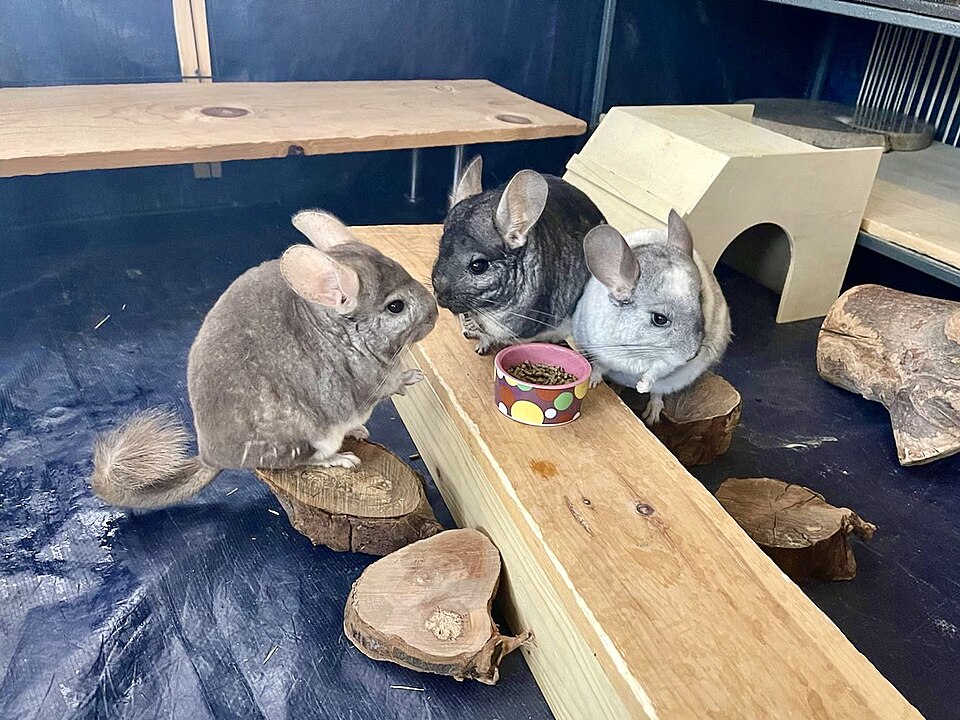
Anyone who cares for a chinchilla learns quickly that bath time means excitement: roll around in the dust, shake, done. According to PDSA, chinchillas need a daily dust bath to keep their fur in top condition; without one, the oils their skin naturally produces can leave the fur matted. For general care, see our chinchilla care guide; here we focus on the dust bath: the container, the dust, the timing and cleaning. Our sources are PDSA, the RSPCA and the Merck Veterinary Manual.
- Every day: PDSA, the RSPCA and Merck all describe a daily dust bath.
- Time: PDSA limits the bath to 10 minutes; Merck's daily checklist also lists a 10-minute dust bath.
- Container: PDSA says big enough for chinchillas to roll in; the RSPCA describes a shallow tray.
- Dust: PDSA says specialist chinchilla sand; the RSPCA says clean fine sand or chinchilla dust.
- Cleaning: The RSPCA says to remove the tray after use or sieve the dust clean.
Why a dust bath?
According to PDSA, the dust bath is part of caring for a chinchilla's fur; without it, oils from the skin can leave the fur matted. The RSPCA also says a daily bath keeps the fur in good condition. In the sources we read, water bathing isn't recommended for chinchillas; the only fur care they describe is the dust bath. If your chinchilla is dirty or you see a problem with the coat, talk to your vet before trying to wash it with water.
How often and for how long?
| Topic | What the sources say |
|---|---|
| Frequency | PDSA: daily dust bath. RSPCA: every day. Merck: a 10-minute dust bath on the daily checklist |
| Time | PDSA: limit to 10 minutes; long dust baths can cause eye problems, and chinchillas may start using the bath as a toilet |
| Depth of dust | PDSA: about 4 to 6 cm (roughly 1.5 to 2.5 in) |
According to PDSA, limiting the bath to 10 minutes prevents two problems: the chinchilla starting to use the bath as a toilet, and long baths causing eye problems. The RSPCA also recommends removing the tray after use or sieving the dust clean. Whether to leave the tray in the cage all the time isn't addressed in the sources we read.
Choosing the container
PDSA says the container should be large enough for chinchillas to roll in. The RSPCA calls for a shallow tray. Our sources give no measurements for how many chinchillas can fit at once.
- Big enough to roll in: According to PDSA, your chinchilla should be able to turn around comfortably.
- Shallow: The RSPCA describes a shallow tray.
- Dust depth: PDSA says to fill it about 4 to 6 cm deep.
What kind of dust or sand?
PDSA recommends "chinchilla sand," a specialist sand made for chinchillas to bathe in, available from pet shops. The RSPCA says clean fine sand or "chinchilla dust." Neither names a brand or mineral; check the package says it's made for chinchillas. For questions about the product or if your chinchilla's eyes look red, ask your vet.
Cleaning after the bath
According to the RSPCA, removing the tray after use or sieving the dust clean keeps it from getting soiled. PDSA also names the tray turning into a toilet as one reason to limit bath time, so if the dust is soiled after a bath, it needs refreshing or sieving. For the rest of the cage, PDSA says bedding should be dust-free, because dusty bedding can cause lung and eye problems, and shredded newspaper isn't suitable because the ink can be toxic. See how to choose rodent bedding and, for summer, rodents in hot weather.
PDSA says long dust baths can cause eye problems. If you notice watery or red eyes, or patches of fur coming away, talk to your vet.
You can add the dust bath to the Today tab as your own daily task; everyone in your Household sees the same list, so nobody forgets to take the tray out. You can follow when dust and hay run out with Food & litter supplies.
Frequently asked questions
Can I wash my chinchilla with water?
The sources we read don't recommend water baths for chinchillas; PDSA, the RSPCA and Merck describe a daily dust bath. If the fur is dirty or something else is wrong, talk to your vet.
How many minutes should a bath last?
PDSA suggests limiting it to 10 minutes; Merck's daily checklist also lists a 10-minute dust bath.
How much dust should I put in?
PDSA says to fill the container about 4 to 6 cm deep with chinchilla sand. The RSPCA says "a shallow tray" and gives no measurement.

Keep track of your pet's care in TüylümLog vet visits, vaccine and medication dates, and we'll remind you when it's time. Share it all with your family in Home.
Sources
- PDSA · Chinchilla health
- PDSA · The ideal home for chinchillas
- RSPCA · Creating a good home for chinchillas
- Merck Veterinary Manual · Routine health care for chinchillas
This article is for general information only; it is not a diagnosis or treatment advice and does not replace a visit to a veterinarian. Talk to your vet about decisions on your pet's health. By Tüylüm · Published and last checked: November 9, 2026. Spotted a mistake? Write to [email protected] and we'll fix it right away. Photos are from Wikimedia Commons, used under the license shown below each photo.