Rodents in hot weather: keeping hamsters, guinea pigs and chinchillas cool in summer
When summer comes, we open a window, move into the shade and drink a glass of cold water. A hamster or guinea pig in a cage doesn't have those options. According to PDSA, small pets such as mice, hamsters, gerbils and rats can be very sensitive to heatwaves because of their tiny size; the heat makes it harder for them to regulate their body temperature. PDSA's warning for hamsters is clear too: if the cage gets too hot, the hamster can't escape and could develop heatstroke. According to Blue Cross, guinea pigs can't cool themselves by sweating either, so they overheat very quickly. In this article we've gathered ways to keep your rodent cool in summer.
- Shade and a cool room: The cage shouldn't be in direct sunlight at any time of day; glass buildings such as greenhouses and conservatories are out (PDSA, RSPCA).
- A breeze, not a draft: An open window and a fan keep the air moving, but the cage shouldn't sit in a draft (PDSA).
- Plenty of fresh water: Clean bottles every day and check them several times a day (PDSA).
- Cardboard instead of plastic houses: Plastic houses and tunnels get hot and humid in the heat (PDSA, Blue Cross).
- Frozen bottle on the outside: Put a towel-wrapped frozen bottle outside small rodents' enclosures (PDSA, RSPCA).
- No baths: A sudden change in temperature can chill your pet (PDSA). If you see signs of heatstroke, talk to your vet without delay.
How much heat can each species take?
There are big differences between species. The limits the sources give:
| Species | Temperature the sources recommend |
|---|---|
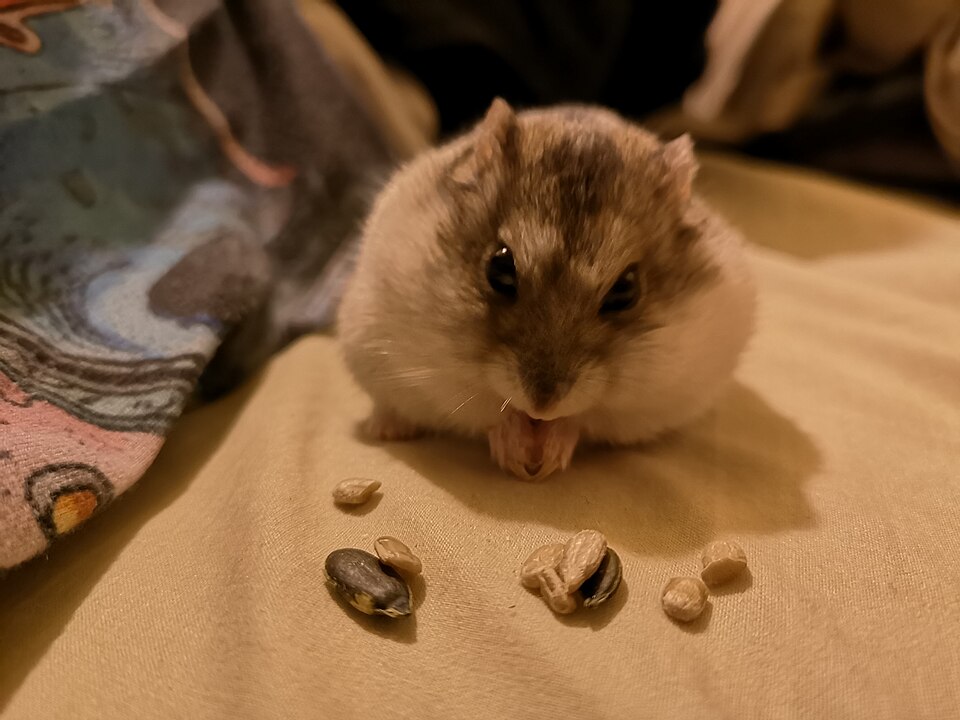
| Hamster | A steady 18–21 °C (64–70 °F), away from drafts and direct sunlight (PDSA) |
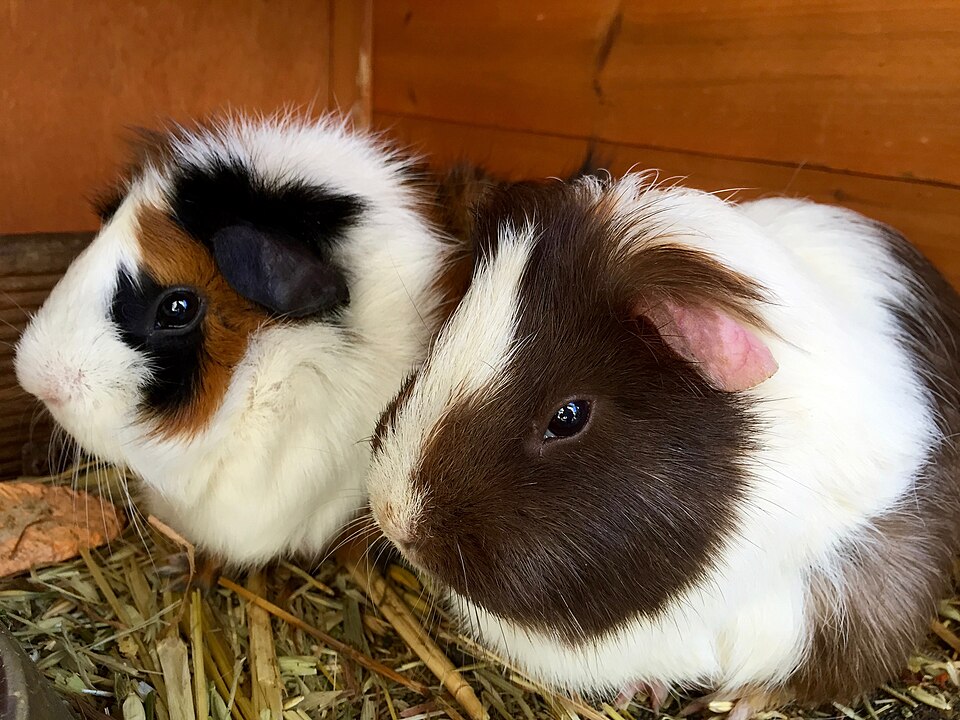
| Guinea pig | Above 26 °C (79 °F) can cause fatal heatstroke; bring them inside before it gets that hot (Blue Cross) |
| Chinchilla | Ideally 10–18 °C (50–64 °F); prone to heatstroke in warm conditions, and humidity isn't good for them either (Blue Cross) |
Blue Cross says a chinchilla's cage should never be placed in a sunny window. You can find the ranges the sources give for degus, rats, mice and gerbils in our species guides: degu care, pet rat care, pet mouse care and gerbil care. Putting a thermometer in the room is the easiest way to see whether those limits are being crossed.
Cage location: the sun moves
As the RSPCA points out, the sun moves across the sky during the day; a corner that was shaded in the morning could be in full sun in the afternoon. PDSA recommends keeping the enclosure in the shade all day and closing the curtains on the sunny side of the house. According to Blue Cross, small pets need plenty of shade in hot weather and may benefit from being brought indoors. It also recommends bringing outdoor guinea pigs into a cool room on very hot days.
According to the RSPCA, greenhouses, conservatories and other glass buildings heat up very quickly and become dangerous. According to Blue Cross, sheds, conservatories and garages can also get extremely hot in the heat. Blue Cross reminds us never to leave any pet alone in a car, even with the windows open.
Airflow: a breeze, not a draft
According to PDSA, on a hot day small pets are comfortable in a cool, airy room. An open window brings in fresh air and a fan keeps the air moving; the RSPCA also recommends opening a window for pets that live indoors. But PDSA says the enclosure shouldn't sit in a draft: a cold draft blowing over a pet all day can be uncomfortable, or even dangerous if it has nowhere to shelter.
- Don't point the fan straight at them: According to Blue Cross, a fan shouldn't blow directly onto guinea pigs, and they should have room to move away from it.
- Tuck the cord away: Blue Cross reminds you to keep the fan's wires tucked away so guinea pigs can't nibble them.
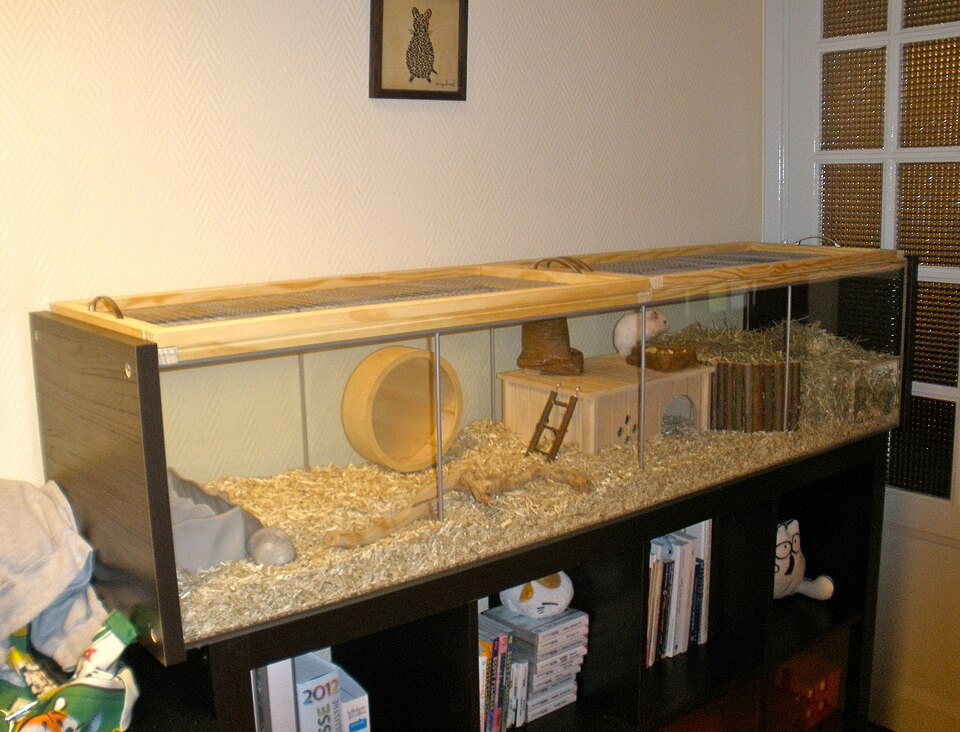
- Take care with glass tanks: According to PDSA, in an enclosure with solid sides, such as a glass tank, it's even more important that the room stays cool and the breeze can reach inside.
Water and hydrating snacks
According to PDSA, pets may drink more in hot weather; the RSPCA also recommends giving extra water in summer. PDSA recommends cleaning water bowls and bottles every day and refilling them with fresh, cool water, making sure the spouts aren't blocked, and checking several times a day to top them up as needed. According to Blue Cross, placing bottles or bowls in different parts of a guinea pig's home encourages them to drink.
According to PDSA, snacks with lots of water in them, such as apple, cucumber or celery, help keep your pet hydrated; you can even chill them in the fridge. But small pets need only a tiny amount compared with a person's portion. According to PDSA, too much, or a sudden change in diet, can upset their stomach, so give small amounts, occasionally. Blue Cross suggests soaking guinea pigs' leafy greens in cold water or serving them fresh from the fridge.
Cooling tools
- Frozen bottle: PDSA suggests filling a bottle three-quarters full and freezing it overnight; the RSPCA suggests wrapping it in a towel. For mice, hamsters, gerbils and rats, put the bottle on the outside of the enclosure, where they can lie next to it: according to PDSA, inside it could make them too cold, and according to the RSPCA it could leak. For guinea pigs, the RSPCA suggests leaving it in their exercise area, but not inside their shelter.
- No direct contact with ice: Blue Cross recommends wrapping a frozen bottle or ice pack securely in an old, clean towel or a sock to avoid ice burns.
- Ceramics and tiles: According to PDSA, ceramic or china cups and tiles can help cool your pet, as long as they have no sharp edges, can't trap legs, and can't fall over and crush your pet. Blue Cross recommends marble tiles or slates for guinea pigs. You can chill tiles in the fridge, but keep them in the shade, since they get very hot in direct sunlight.
- Cooling mats: According to PDSA, there are ones that are safe for small pets, but make sure your pet doesn't chew or damage them.
The nest: cardboard, not plastic
According to PDSA, the nest or sleeping area should stay cool in hot weather so your pet can rest comfortably. Plastic houses, dens and tunnels get very warm and humid in the heat. Instead, PDSA suggests a cardboard box with a few entrances and exits; these openings let air flow through. Blue Cross also suggests removing guinea pigs' plastic houses in hot weather and making a big pile of hay for them to burrow into instead.
- Check bedding every day: PDSA recommends changing bedding as soon as it gets damp, and replacing it completely at least once a week.
- Clean the food store every 2–3 days: According to PDSA, food that pets store in their nest can go stale or moldy in warm, moist conditions; clean the nest area every 2–3 days. We explain why you shouldn't empty a hoard completely in foraging games for rodents.
- No baths: According to PDSA, a sudden change in temperature can be too much for small pets and can leave them too cold, even on a hot day. According to Blue Cross, never put a guinea pig straight into cold water; the shock can be fatal. And a chinchilla is never bathed in water: see chinchilla care.
- No overcooling: Blue Cross advises avoiding overcooling, especially with small pets. That's one reason not to put a frozen bottle inside a small rodent's enclosure.
Two extra checks for guinea pigs
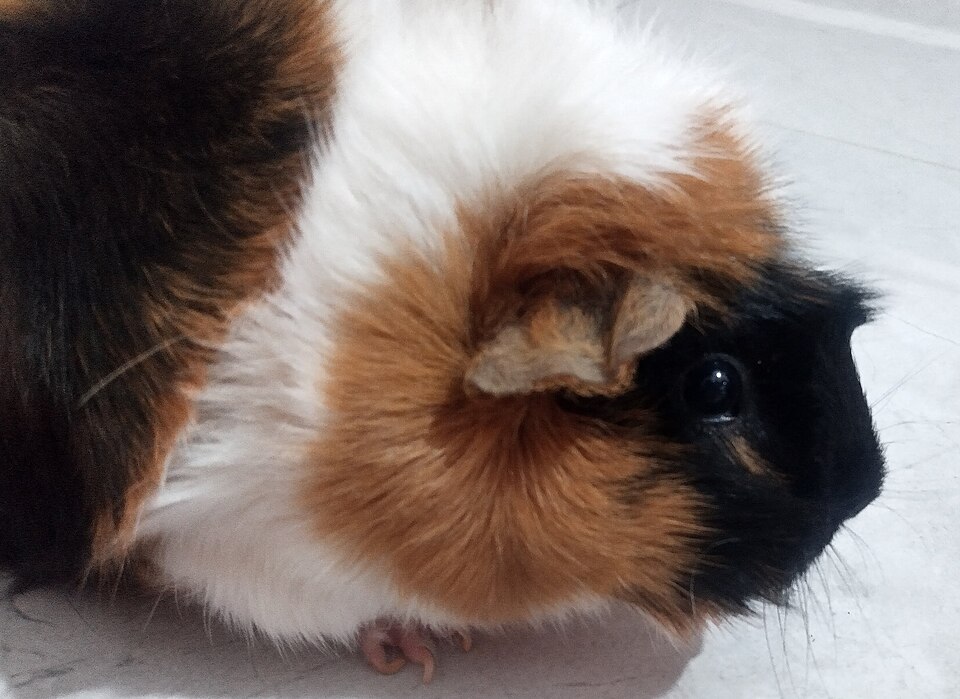
According to Blue Cross, long-haired guinea pigs are especially vulnerable to the heat. Regular grooming to brush out excess hair helps them feel more comfortable; if needed, a vet or professional groomer can trim their hair. The RSPCA also says regular grooming to remove dead hair helps keep pets cool.
Flies are a danger in the summer months too. The RSPCA recommends checking rabbits and rodents twice a day in summer for signs of flystrike. According to Blue Cross, check guinea pigs' bottoms every day and remove soiled bedding daily. If you see maggots on your guinea pig, call your vet without delay.
Signs of heatstroke
According to Blue Cross, heatstroke can be fatal within minutes. The signs PDSA lists for small pets: drooling, low energy or being very sleepy, eating less or not eating, short and quick breaths, lying stretched out or flat on the belly, and falling unconscious or having fits.
If you see any of these signs, move your pet to a cool, shaded place right away and call your vet without delay (RSPCA, PDSA). Ask over the phone what you should do until you get there. According to Blue Cross, never put a guinea pig straight into cold water.
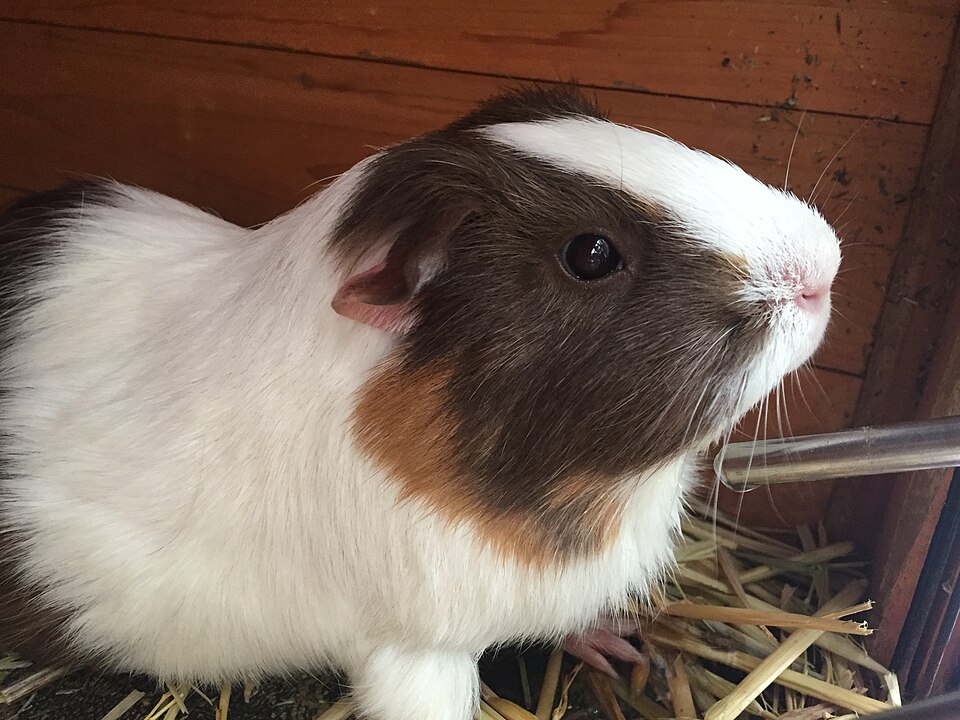
According to Blue Cross, a guinea pig lying stretched out with its back feet behind it may be a sign that it's feeling warm and needs some help to cool down. When you see this, go back over the steps above.
For rodents, Tüylüm's Today tab comes with a ready-made Water task; in summer you can also add your own task to check the bottle several times a day. So you don't lose time in an emergency, save your clinic's details in My vet ahead of time; then you can call your vet with one tap.
More of our rodent articles: rodents.
Frequently asked questions
Can I put a frozen water bottle inside my hamster's cage?
No. According to PDSA, a bottle inside the enclosure could make your hamster too cold, and according to the RSPCA it could also leak. Put the towel-wrapped bottle outside the cage, where your hamster can lie next to it.
Can I bathe my hamster to cool it down?
No. According to PDSA, a sudden change in temperature can be too much for small pets and can leave them too cold, even on a hot day. Instead, cool the room down and give fresh water.
Can I put the cage in front of a window so it gets a breeze?
A breeze is good, but direct sunlight and drafts aren't. PDSA wants the enclosure in the shade all day and out of drafts, and Blue Cross says a chinchilla's cage should never be placed in a sunny window.

Keep track of your pet's care in TüylümLog vet visits, vaccine and medication dates, and we'll remind you when it's time. Share it all with your family in Home.
Sources
- PDSA · Keeping small pets cool in summer
- RSPCA · Keeping rabbits and rodents cool in summer
- Blue Cross · How to keep guinea pigs cool in the summer
- Blue Cross · How to keep pets cool in summer
- PDSA · Hamsters as pets
- Blue Cross · Chinchilla care
By Tüylüm · Published and last checked: October 28, 2026. Spotted a mistake? Write to [email protected] and we'll fix it right away. Photos are from Wikimedia Commons, used under the license shown below each photo.