Tüylüm
Blog › Rodents
Rodents
RodentsHamsters, guinea pigs and other small pets.

Photo: Florent Pécassou · CC BY-SA 3.0 · Wikimedia Commons

Articles
SPECIES GUIDERodents
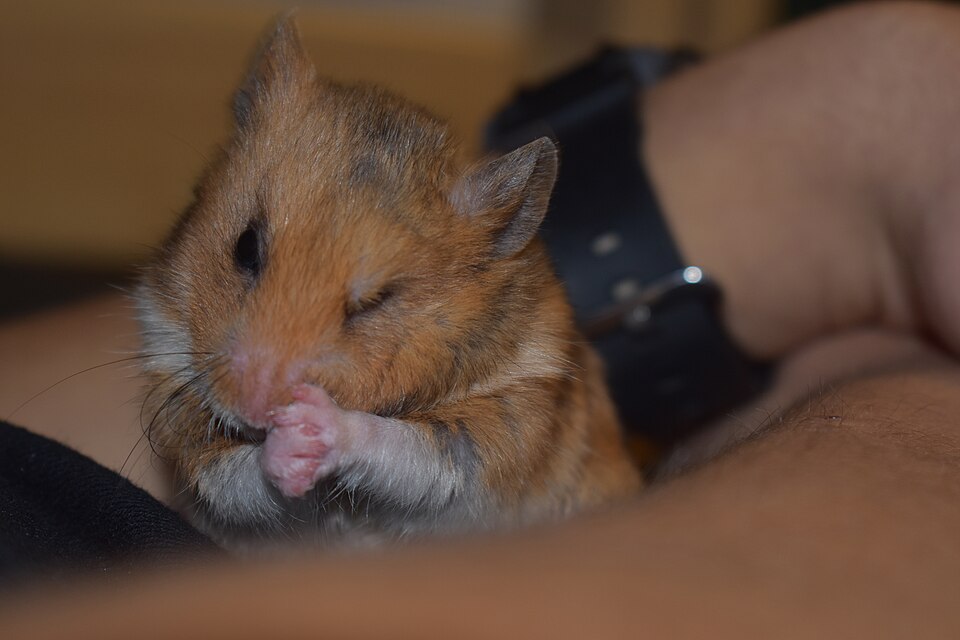
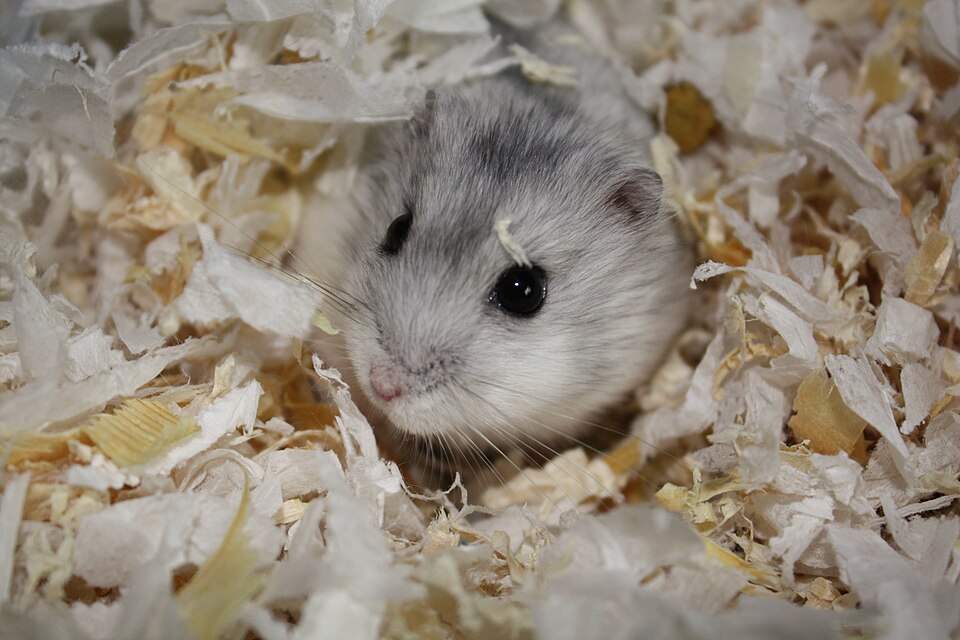
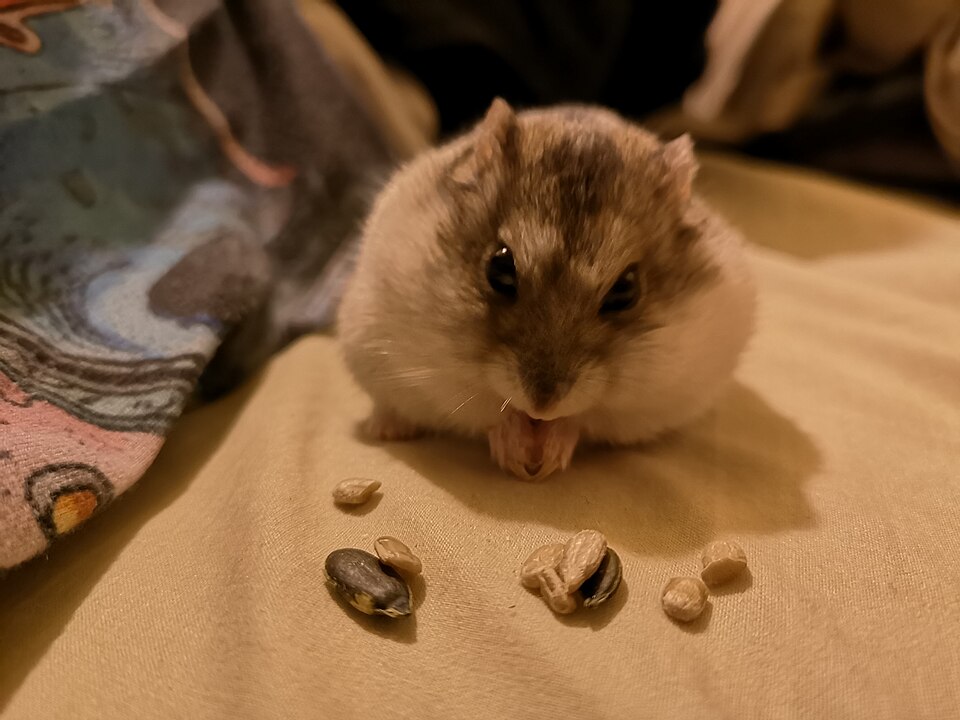
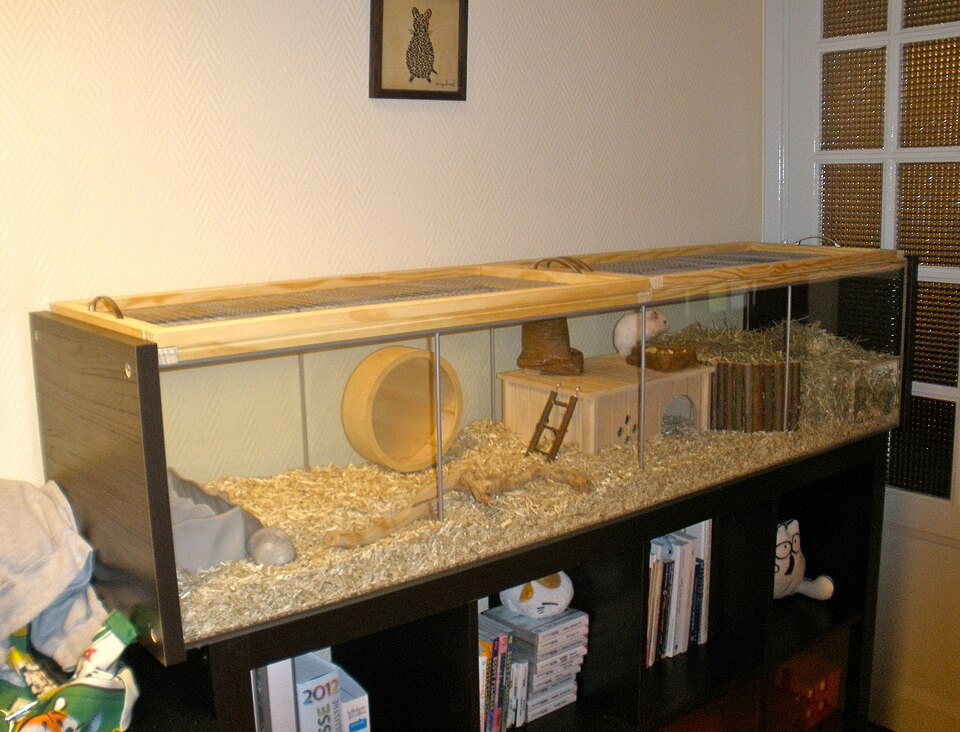
What should a hamster cage be like? Floor space, deep bedding and a wheel that keeps the back straightMost hamster cages sold in stores are too small. Floor space, deep bedding for digging, the right wheel, hiding places, why Syrian hamsters live alone and where to put the cage at home, according to the PDSA, Blue Cross and the RSPCA.10 min read · Last checked: October 24, 2026Read →
SPECIES GUIDERodents
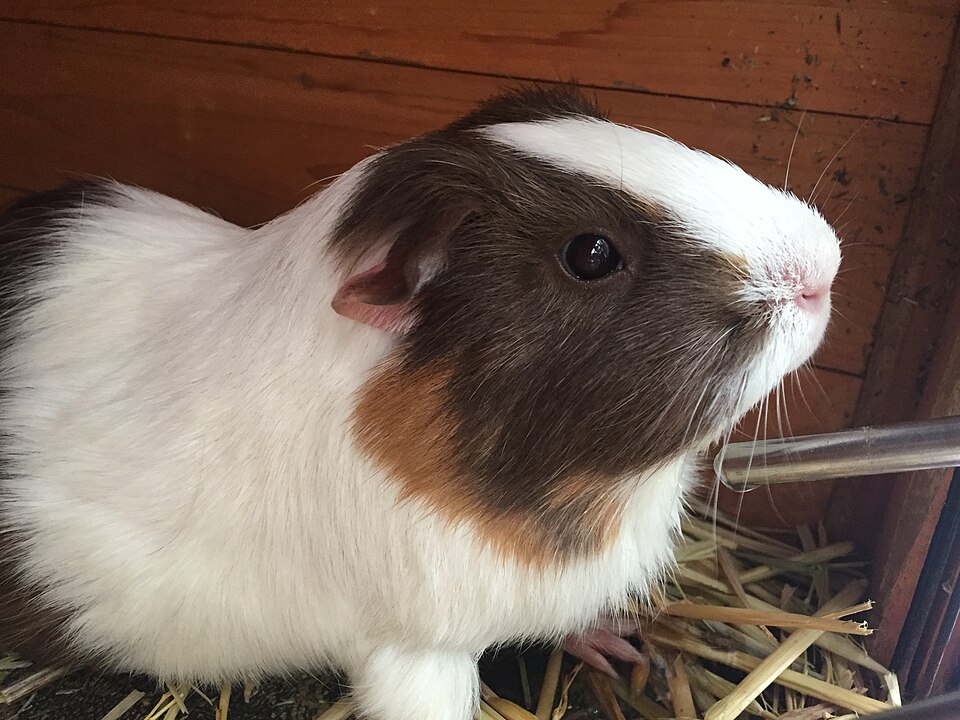
Guinea pig care: companions, space, hay and vitamin CGuinea pigs are sociable, chatty little herbivores whose bodies can't make vitamin C. Their need for companions, living space, hay, sources of vitamin C and what their sounds mean, according to the RSPCA, the PDSA and Blue Cross.10 min read · Last checked: October 24, 2026Read →
BEHAVIORRodents
Why is my hamster awake at night? Sleep patterns, playtime and wheel noiseHamsters sleep during the day and come alive in the evening and at night. Why you shouldn't wake them, whether the cage can go in a bedroom, what to do about wheel noise and when to spend time with your hamster.9 min read · Last checked: October 24, 2026Read →
SPECIES GUIDERodents
Chinchilla care: dust baths instead of water, no love for heat, and up to 20 years of lifeChinchillas are never bathed in water, are very sensitive to heat and can live up to 20 years. Dust baths, a cool room, hay, a tall and roomy home, companionship and a nighttime routine, according to the RSPCA, the PDSA, Blue Cross and the Merck Veterinary Manual.11 min read · Last checked: October 24, 2026Read →
SPECIES GUIDERodents
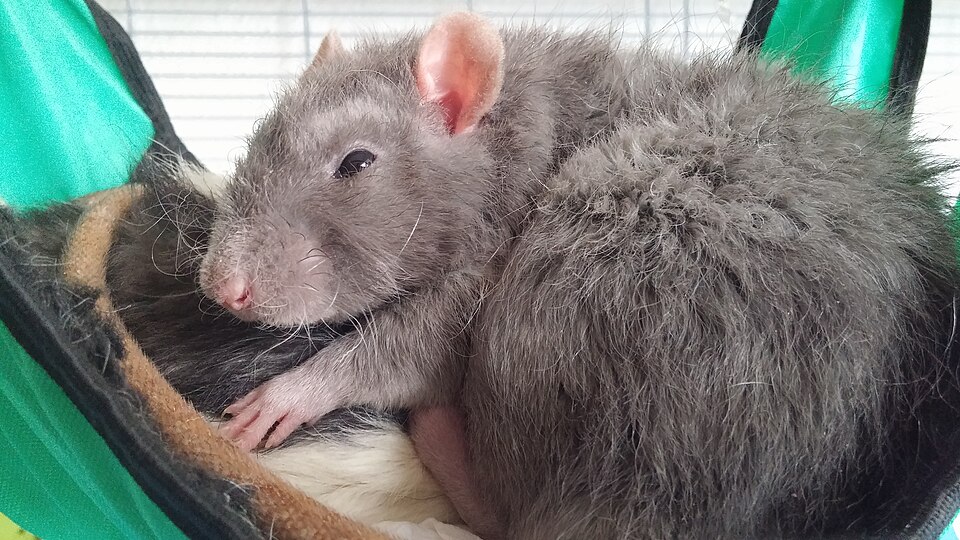
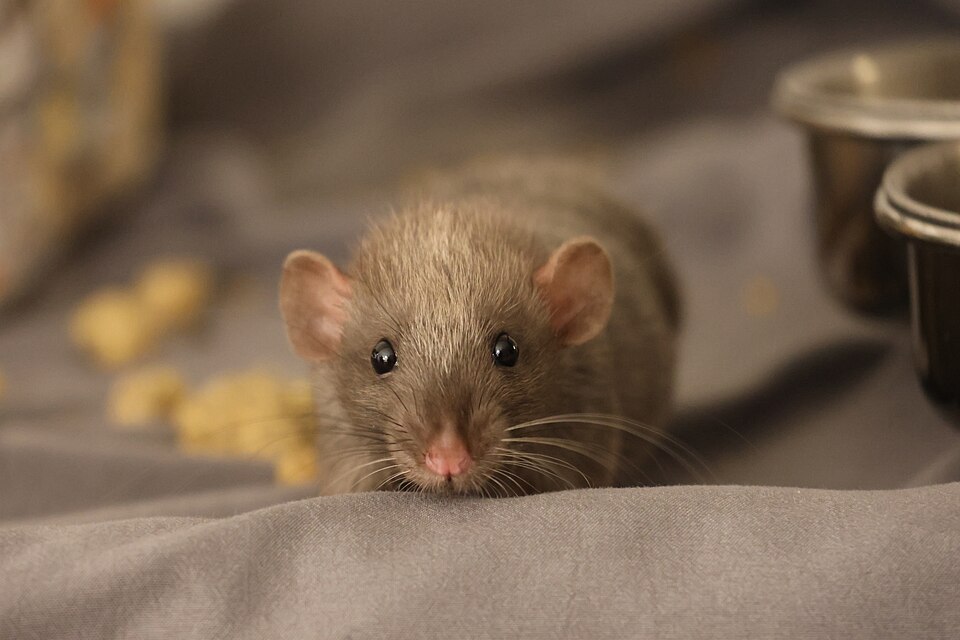
Pet rat care: clever, playful and never alonePet rats are social animals that remember people, play games and "laugh" when tickled. Companionship, cages, play and enrichment, getting them used to handling, and health checks, according to the RSPCA, the PDSA and Blue Cross.11 min read · Last checked: October 24, 2026Read →
SPECIES GUIDERodents
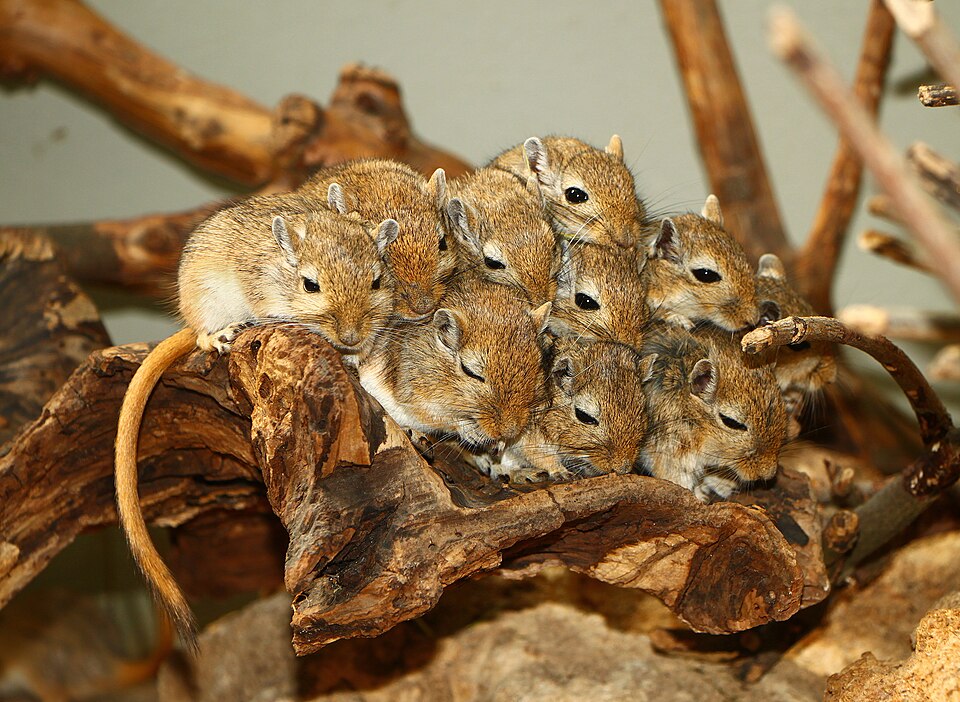
Gerbil care: deep bedding, tunnels and never aloneMongolian gerbils love digging, building tunnels and living with their family. A tank-style home, deep bedding, sand baths, companionship, handling them correctly and safe feeding, according to the RSPCA, Blue Cross and Wood Green.10 min read · Last checked: October 24, 2026Read →
CARERodents
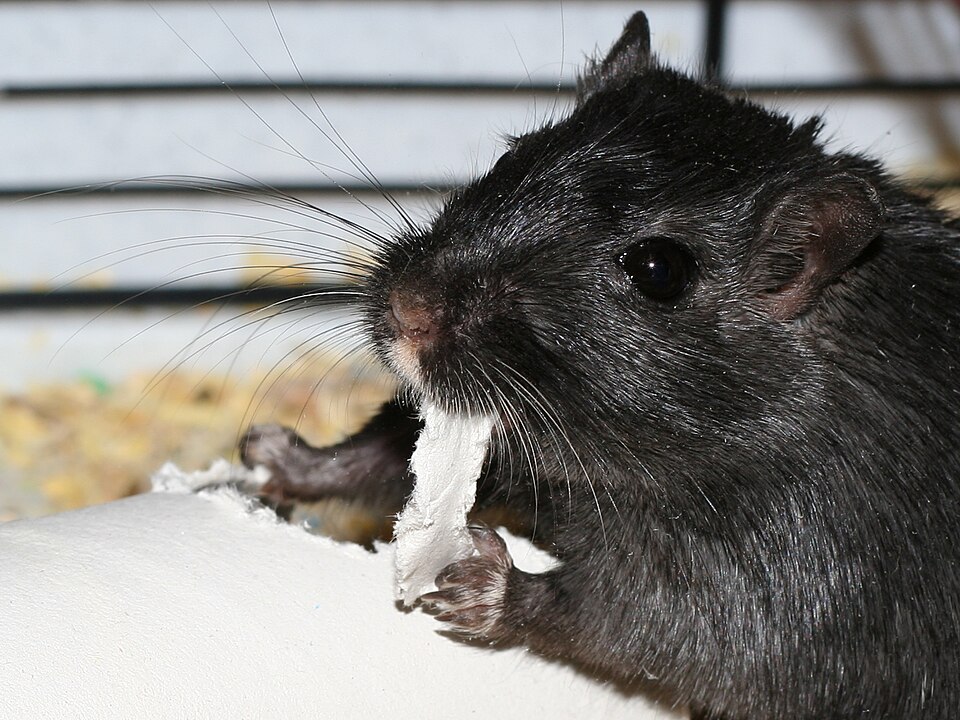
Why do rodents chew? Teeth that grow for life and safe things to chewThe teeth of hamsters, guinea pigs, chinchillas, rats and gerbils never stop growing. The hay and safe chewing materials that keep teeth the right length, what to avoid and the signs of dental problems.8 min read · Last checked: October 24, 2026Read →
BEHAVIORRodents
Building trust with your hamster: the first days, holding them right, and why hamsters biteHamsters are prey animals, and being picked up can be scary for them. Steps for getting a new hamster used to you without frightening them, how to hold them correctly, why hamsters bite, and a safe space outside the cage.6 min read · Last checked: October 26, 2026Read →
SPECIES GUIDERodents
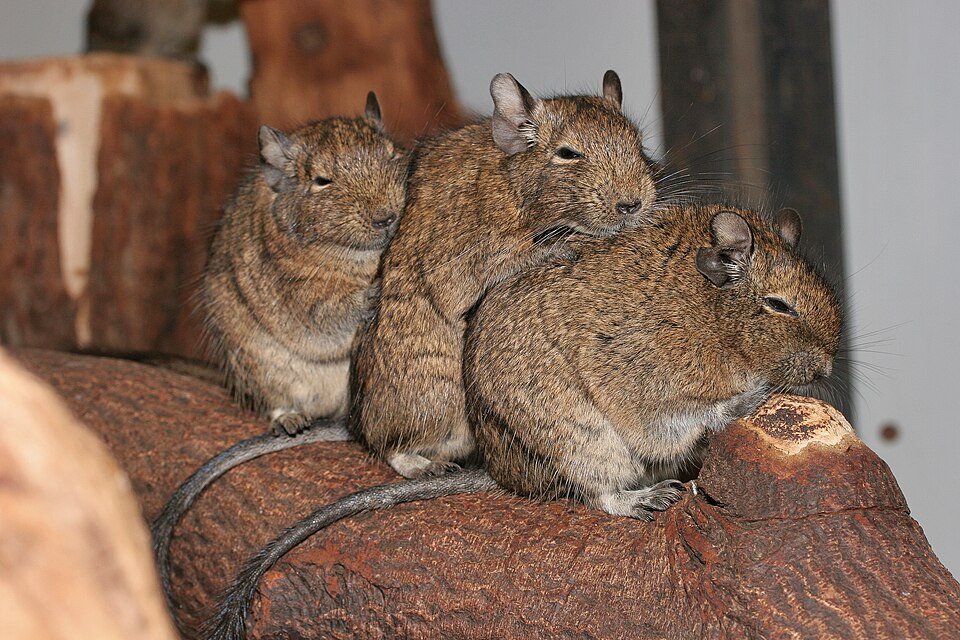
Degu care: a big family, dust baths and a sugar-free menuDegus are chatty rodents that are awake during the day and should never live alone. According to the RSPCA, PDSA and Blue Cross: companionship and introductions, housing, temperature, dust baths, a sugar-free diet and handling them correctly.6 min read · Last checked: October 26, 2026Read →
SPECIES GUIDERodents
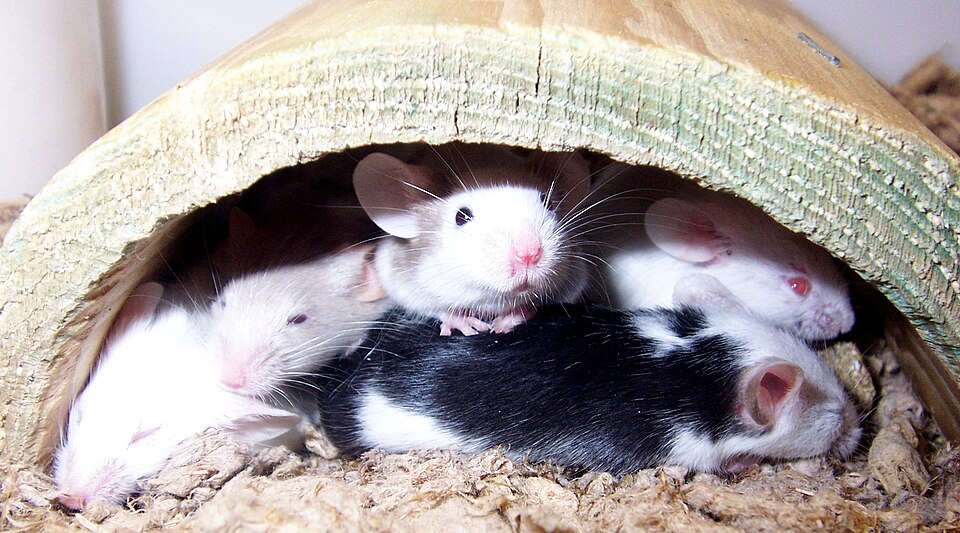
Pet mouse care: living in a group, an escape-proof cage and plenty of nesting materialMice are small, fast and extremely social. According to the RSPCA, PDSA and Blue Cross: forming a group, the cage, bedding and nesting material, enrichment, diet, and picking them up with cupped hands or a tunnel instead of by the tail.6 min read · Last checked: October 26, 2026Read →
CARERodents
How to choose rodent bedding: safe materials, what to avoid, and a cleaning routineFor a rodent, bedding is a toilet, a bed and a place to dig all at once. According to the RSPCA and PDSA: safe materials for hamsters, gerbils, mice, rats and guinea pigs, how deep it should be, what never to use, and how often to clean.6 min read · Last checked: October 26, 2026Read →
SPECIES GUIDERodents
My child wants a hamster: what to know before getting a small rodentSmall rodents are often thought of as "easy first pets." According to the RSPCA, Blue Cross and PDSA: who the main carer will be, nighttime habits, lifespan, the need for companions, differences between species, and how a child can help with care.6 min read · Last checked: October 26, 2026Read →
HOME SAFETYRodents
A safe play area for your rodent: getting a room ready for time out of the cageRats want to play outside their cage every day, and guinea pigs and chinchillas love a run around too; for a hamster, a playpen is enough. Getting the room ready, cables, escape holes, other pets and supervision, according to Blue Cross, PDSA and the RSPCA.8 min read · Last checked: October 28, 2026Read →
HOME SAFETYRodents
Rodents in hot weather: keeping hamsters, guinea pigs and chinchillas cool in summerSmall rodents struggle to regulate their body temperature in the heat and can't escape the cage to find a cool corner. Cage location, airflow, water, frozen bottles, cool tiles, cardboard instead of plastic houses and the signs of heatstroke, according to PDSA, the RSPCA and Blue Cross.9 min read · Last checked: October 28, 2026Read →
BEHAVIORRodents
Foraging games for rodents: scatter it, hide it, let them dig for itHamsters carry food in their cheeks, gerbils build food stores, and rats dig to find hidden treats. Scattering food, burying it in bedding, paper bags and cardboard tubes, forage boxes and looking after the food store, according to Blue Cross, PDSA and the RSPCA.8 min read · Last checked: October 28, 2026Read →
What would you like to read?

If there's something you're curious about, write to us and we'll add it to the list: [email protected]

Other pets

CatsDogsBirdsRabbitsFishReptilesFerretsHedgehogsAmphibiansInvertebrates

Articles are for general information and are not a substitute for diagnosis or treatment. Ask your vet about any decision for your pet.