Foraging games for rodents: scatter it, hide it, let them dig for it
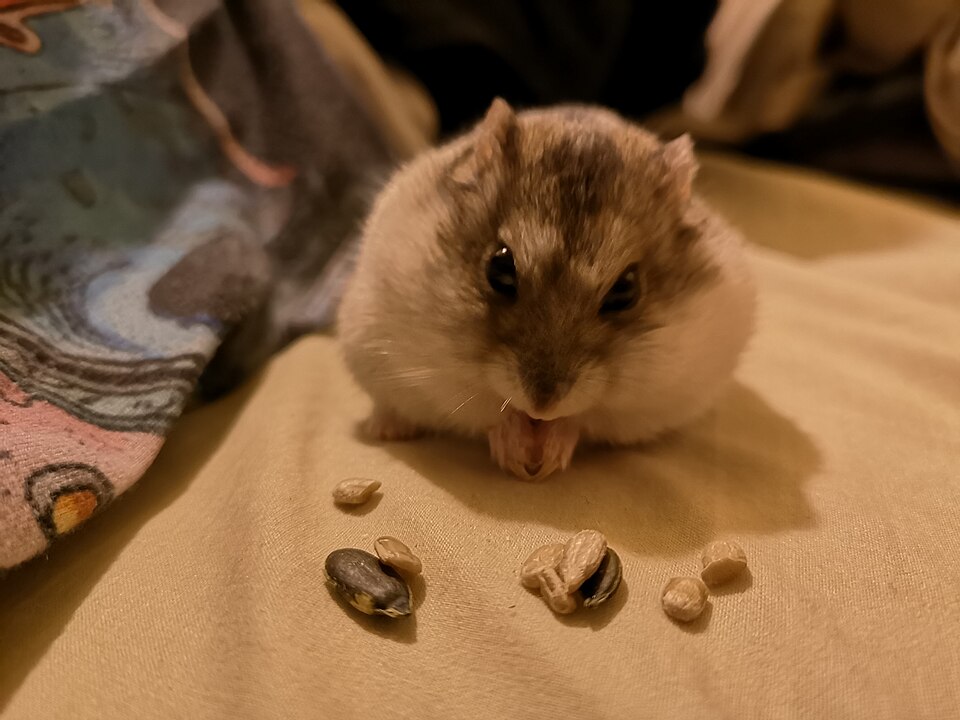
A hamster's cheeks suddenly puff up, and off it scurries to its nest. A few minutes later the cheeks are empty again; the food has taken its place in the store. According to Blue Cross, hamsters carry food in their cheek pouches back to the hoard in their nest. According to the RSPCA, gerbils build large food stores too; in the wild they can hoard up to 1.5 kg (over 3 lb) of grain in a single store. Searching for food, gathering it and storing it are among the most natural things rodents do. At home, though, food usually sits ready in a bowl. In this article we've gathered ways to turn food into a game, based on advice from Blue Cross, PDSA and the RSPCA.
- Scatter instead of using a bowl: Scatter the daily dry food around the enclosure instead of putting it in a bowl (Blue Cross, PDSA).
- Bury and hide: Bury some of the food in the bedding; hide it in paper bags, cardboard tubes and boxes (PDSA, RSPCA).
- Forage box: Fill a shallow container with hay or shredded paper and scatter treats through it (Blue Cross).
- Take it from the daily allowance: Food used in games should be part of the daily allowance, not added on top (RSPCA).
- Check the food store: Remove spoiled food, but don't empty the store completely (Blue Cross, RSPCA).
Why do they forage?
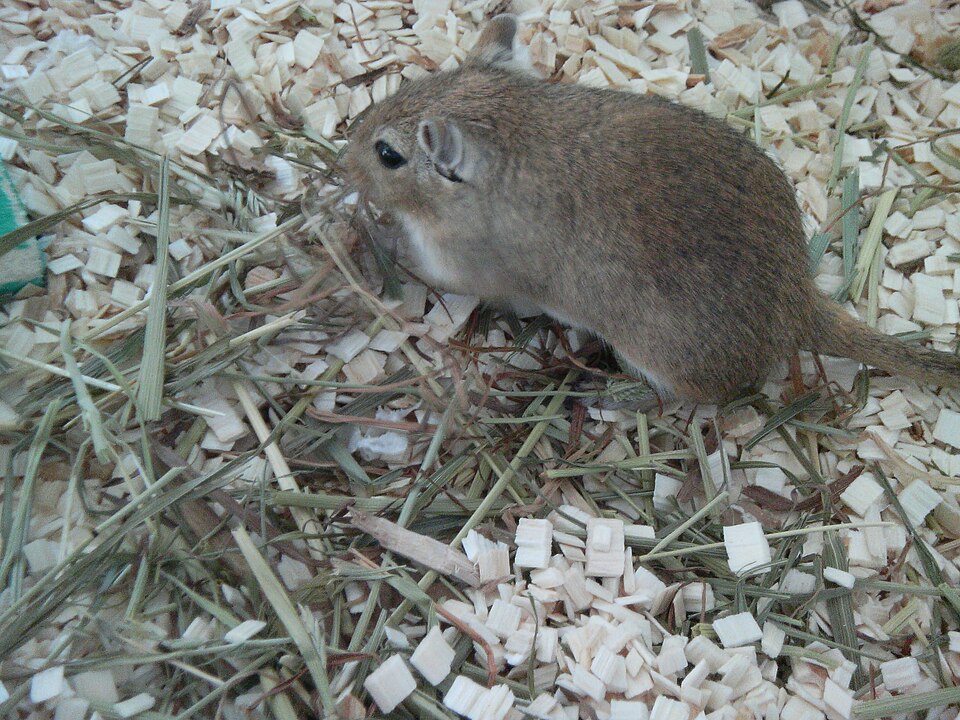
According to the RSPCA, foraging is a natural behavior for rats; rats also enjoy holding and turning food over in their paws. The RSPCA says gerbils, too, like to sit up and hold pieces of food in their front paws to gnaw on. According to Blue Cross, hamsters love to explore, dig tunnels, build nests and forage for their food; scattering their food lets them use this natural instinct.
So food in a bowl fills the belly, but it doesn't give the fun of searching and finding. Scattering or hiding food turns the same food into both a meal and an activity. What's more, you don't need to buy anything new: you just need to give the daily food in a different way.
Scatter instead of using a bowl
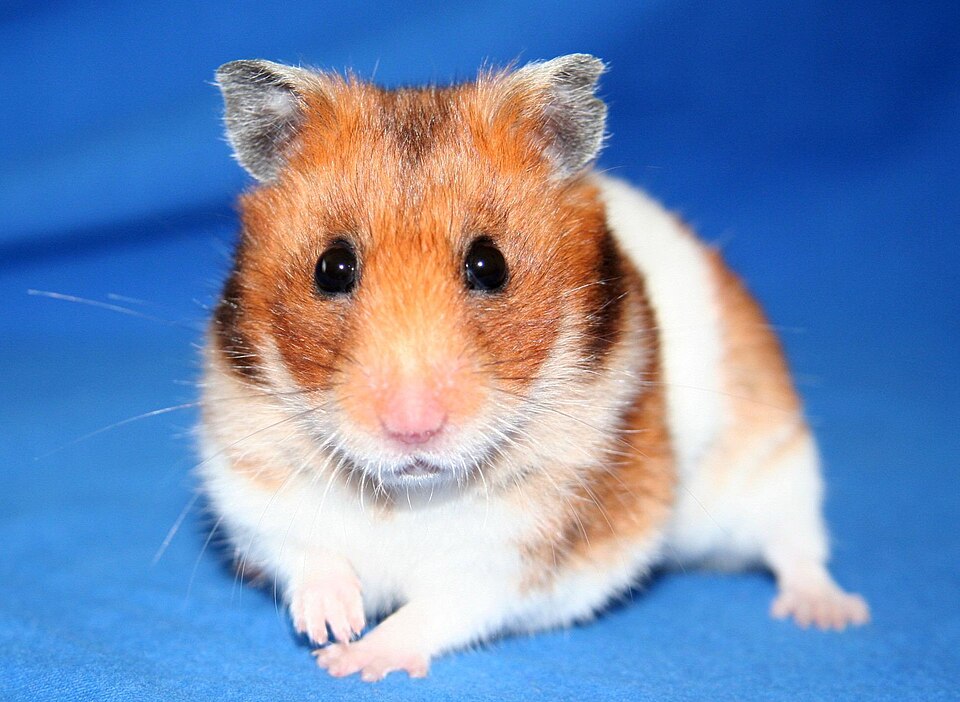
This is the easiest game. Blue Cross recommends scattering a hamster's daily dry food around the cage and hiding some under the bedding; the hamster snuffles it out. According to Blue Cross, scatter feeding instead of using a bowl encourages a hamster's natural foraging behavior. PDSA also recommends scattering hamster pellets around the cage instead of using a bowl.
For rodents that live in groups, scattering has another benefit. According to the RSPCA, scattering gerbils' food on top of the bedding helps prevent squabbling and lets them forage naturally. For groups of rats, the RSPCA also recommends providing several food items rather than just one, so everyone finds something.
| Species | Foraging game the sources recommend |
|---|---|
| Hamster | Scatter food around the cage and hide some under the bedding; add seed sprays and safe plants (Blue Cross) |
| Gerbil | Scatter food on top of the bedding (RSPCA) |
| Rat | Scatter food, mix it into fresh bedding, hide it in safe places; let them dig in a sand or gravel tray (RSPCA) |
| Guinea pig | Keep them busy by hiding small amounts of food for them to find; a forage box (Blue Cross) |
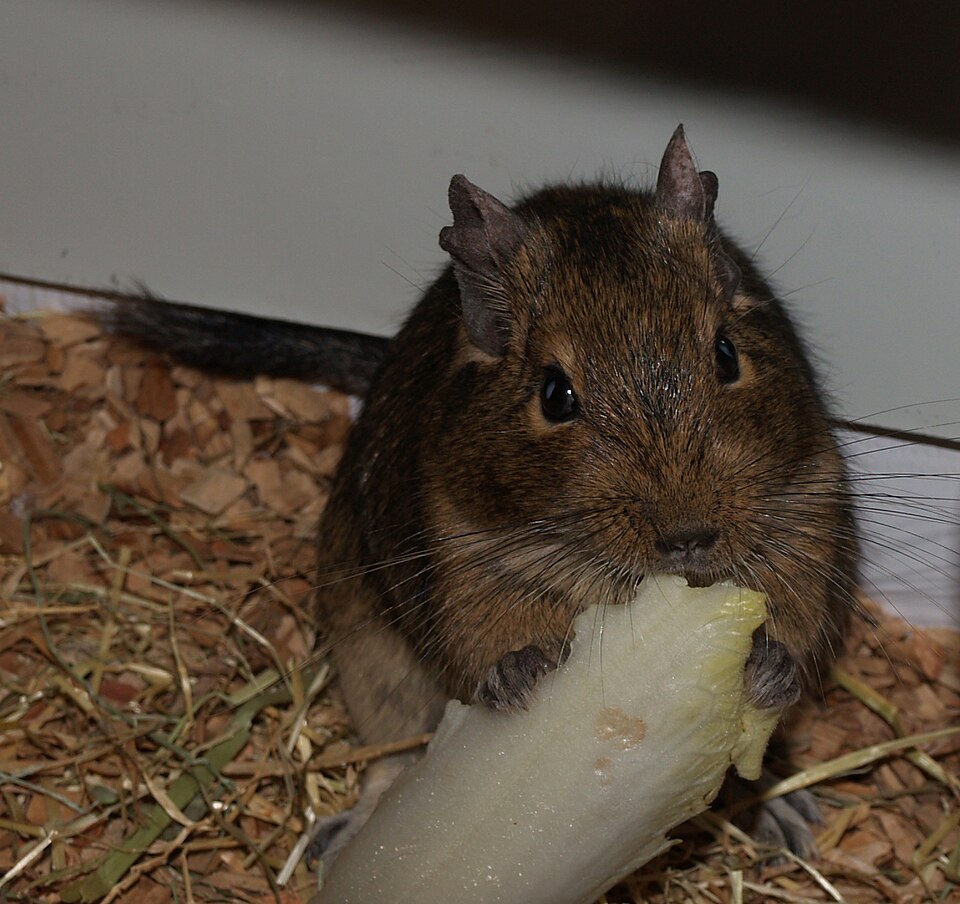
| Degu | Letting them forage for hay in a box, grass boxes, a digging box, a treat ball (Blue Cross) |
Bury and hide
According to PDSA, burying food deep in the bedding encourages a hamster to dig. PDSA also suggests hiding hay, pellets or fresh greens inside paper bags, cardboard tubes and boxes. The hamster gets to dig, chew and find its food all at once.
According to the RSPCA, rats will happily dig in sand or gravel trays, or chew through cardboard tubes, to find their favorite hidden foods. The RSPCA also suggests mixing food in with fresh bedding when you clean the cage. A whole food can be an activity in itself: the RSPCA suggests giving rats a cooled, unpeeled boiled egg.
We explain why rodents love cardboard tubes and boxes so much, and which materials are safe to chew, in why rodents chew.
Forage box
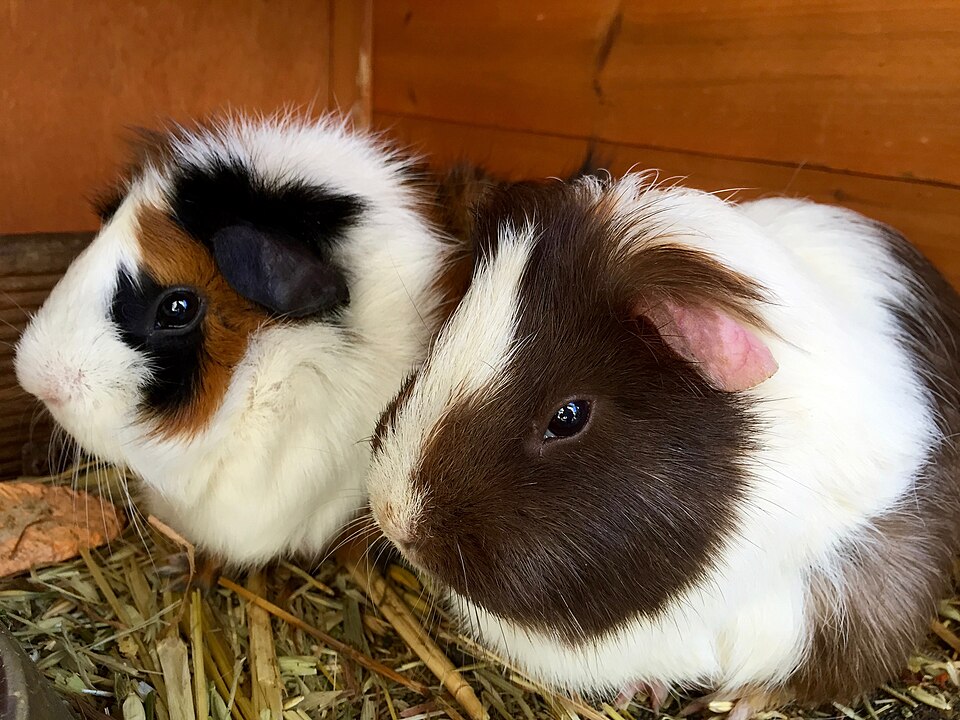
Blue Cross suggests a forage box for guinea pigs that's easy to make at home. According to Blue Cross, guinea pigs aren't big fans of toys, but searching for small amounts of hidden food keeps them entertained.
- Find a shallow container: A shallow tray or a wide planter does the job.
- Fill it: Fill it with hay or shredded paper.
- Add herbs and flowers: Among those suitable for guinea pigs, Blue Cross lists dandelions, marigolds, basil, cilantro, cress, mint and dill; you can also add a bit of pulled grass.
- Scatter the treats: Spread treats through the box in random places.
- Watch: Put your guinea pigs in the box and watch them dig out their treasures.
Blue Cross reminds you to give treats in moderation and to adjust your guinea pigs' daily meals on days you give them a forage box. If your guinea pig has special dietary needs, check with your vet first.
According to Blue Cross, similar boxes work for degus too: filling a box with hay and letting them forage for it, grass boxes, and a digging box made of organic soil and sand. Blue Cross also says a treat ball is both fun and great exercise for degus.
The food store: let them hoard, but remove what spoils
A rodent storing food isn't a problem; it's a need. According to Blue Cross, hamsters should be allowed to hoard; emptying their store completely stresses them. But stored fresh food can go bad. Blue Cross's advice:
- Tiny portions of fresh food: According to Blue Cross, a portion of fresh food for a hamster should be as small as the hamster's ear; that way less is left to rot.
- Go easy on greens: Because hamsters hoard food in their beds, don't give too many green vegetables, which rot easily (Blue Cross).
- Remove uneaten food daily: Blue Cross recommends removing uneaten fresh food every day.
- If you have to, replace it: If you have to empty the store completely, Blue Cross recommends replacing it with a similar amount of food and mixing in a little of the old food that hasn't spoiled.
- A daily look for gerbils: According to the RSPCA, because gerbils build large food stores, check their enclosure every day and remove any stale food.
In hot weather, the food store needs cleaning more often; we explain this in rodents in hot weather. You can find how to handle the food store when cleaning the cage in hamster cage setup.
The game replaces part of the meal; it isn't added on top
The only risk with foraging games is feeding too much without noticing. According to the RSPCA, extras given to rats should be part of their daily food allowance, not added on top, or they could lead to obesity and health problems. The RSPCA recommends removing uneaten food and adjusting the amount so that the rats eat all of it and stay a healthy weight.
- Sugary and fatty treats: Blue Cross advises avoiding sugary, fatty treats for hamsters, including treat or seed sticks that contain molasses or honey. According to the RSPCA, foods high in fat or sugar should only be occasional treats or training rewards for rats.
- Sunflower seeds: According to the RSPCA, gerbils shouldn't be given too many sunflower seeds; they're fatty and can cause obesity. The RSPCA lists pumpkin seeds as a healthy treat.
- Weight and appetite: According to Blue Cross, hamsters can quickly become overweight. If you're worried that your hamster is gaining weight or not eating enough, talk to your vet.
When food is scattered, it can be harder to see how much your pet eats. If you regularly log your pet's weight in Tüylüm's Weight tracking, you'll notice changes early. You can also track when the food will run out with Food & litter supplies; it reminds you before it does.
If you'd like to set up a safe play area outside the cage: a safe play area for your rodent. More of our rodent articles: rodents.
Frequently asked questions
If I scatter the food, how do I know how much my pet is eating?
The RSPCA recommends monitoring gerbils every day to see how much they eat and drink, and following the manufacturer's guidance on how much to feed. For rats, it also recommends removing uneaten food and adjusting the amount so they eat all of it and stay a healthy weight. Weighing your pet regularly helps too.
Can I hide fresh vegetables too?
Yes, in small amounts. PDSA suggests hiding fresh greens in paper bags, tubes and boxes. But according to Blue Cross, because hamsters hoard their food, green vegetables rot easily; keep portions small and remove anything uneaten every day.
Should I empty my hamster's food store every time I clean?
No. According to Blue Cross, emptying the store completely stresses a hamster. Remove spoiled and uneaten fresh food. If you have to empty the store completely, replace it with a similar amount of food and mix in a little of the old food that hasn't spoiled.

Keep track of your pet's care in TüylümLog vet visits, vaccine and medication dates, and we'll remind you when it's time. Share it all with your family in Home.
Sources
- Blue Cross · Hamster care
- Blue Cross · Enrichment for small pets
- Blue Cross · How to make a guinea pig forage box
- PDSA · Hamsters as pets
- RSPCA · What to feed rats
- RSPCA · What to feed your gerbils
By Tüylüm · Published and last checked: October 28, 2026. Spotted a mistake? Write to [email protected] and we'll fix it right away. Photos are from Wikimedia Commons, used under the license shown below each photo.