Why do rodents chew? Teeth that grow for life and safe things to chew
That familiar crunch-crunch coming from the cage... Cardboard rolls are soon torn to shreds, and wooden bridges get thinner over time. This isn't mischief; it's a need. Their very name comes from it: "rodent" means "one that gnaws." According to the PDSA, the RSPCA and the Merck Veterinary Manual, the teeth of hamsters, guinea pigs, chinchillas, rats and gerbils never stop growing throughout their lives. Teeth only stay the right length through gnawing and chewing. In this article, we've gathered safe chewing materials for these five species and the signs of dental problems.
- Teeth never stop: The teeth of hamsters, guinea pigs, chinchillas, rats and gerbils grow for life (PDSA, RSPCA, Merck).
- Hay is essential: According to Merck, guinea pigs and chinchillas that can't chew enough hay can develop dental problems.
- Safe chewing: Untreated wood, branches from fruit trees such as apple, willow, cardboard (PDSA, RSPCA).
- Avoid: Plastic toys (RSPCA); ivy, yew and holly branches are poisonous to gerbils (RSPCA).
- Signs of a dental problem: Not eating, weight loss, drooling or wet fur under the chin. Go to a vet; don't try to fix teeth at home.
Why do their teeth never stop growing?
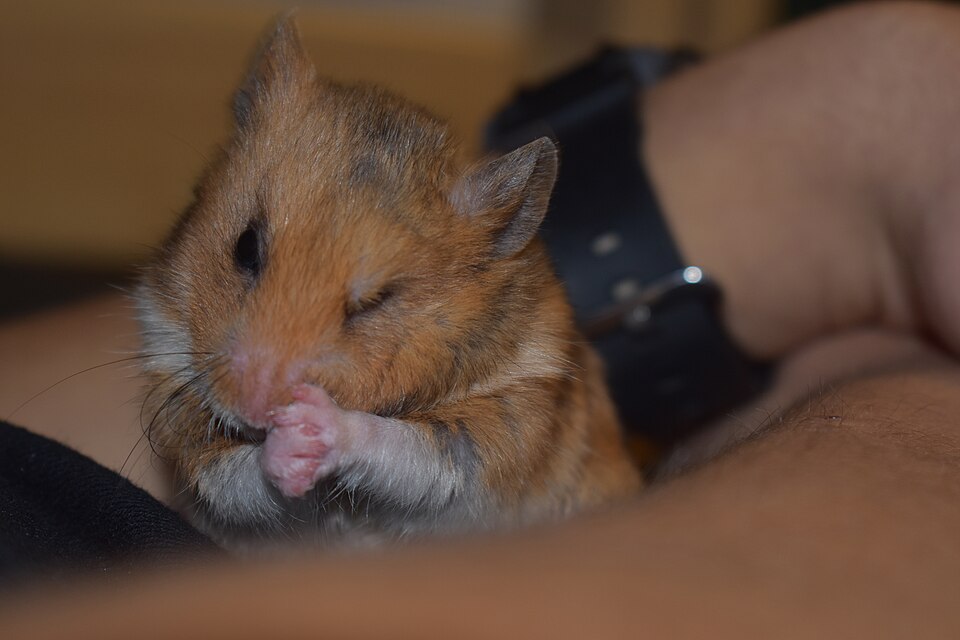
Unlike ours, rodents' teeth don't come in once and stop; they keep growing. This growth is only kept in balance as the teeth grind against each other, as hard food is chewed and as things are gnawed. According to the PDSA, this is why overgrown teeth are a common problem in hamsters: their teeth need to be worn down by gnawing.
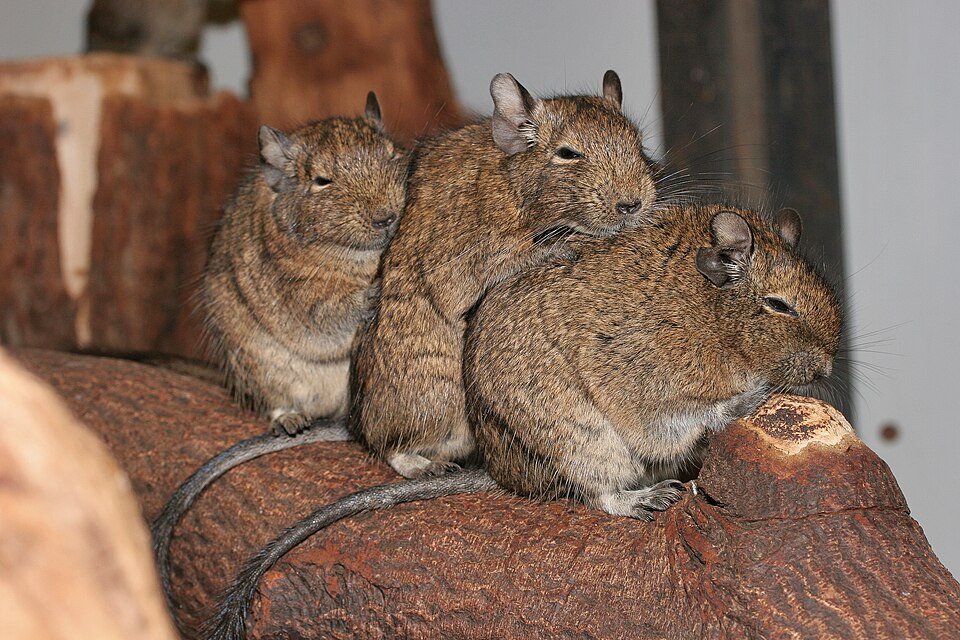
The problem doesn't always show up where you can see it, either. According to the Merck Veterinary Manual, because guinea pigs' teeth grow continuously, if the upper and lower teeth don't meet properly ("malocclusion"), the teeth overgrow, sharp edges form, chewing becomes painful and eating gets harder. According to Merck, in guinea pigs the problem is often in the molars at the back of the mouth, even when the front teeth look normal. In chinchillas, too, the sharp edges of unevenly worn teeth can cut the gums and tongue.
| Species | What do the sources say? |
|---|---|
| Hamster | Teeth grow for life; they need to be worn down by gnawing (PDSA) |
| Guinea pig | Teeth grow continuously; too little hay and a lack of vitamin C can lead to dental problems (Merck) |
| Chinchilla | Teeth grow continuously; without enough hay to chew, they can overgrow and grow into the jaw (Merck) |
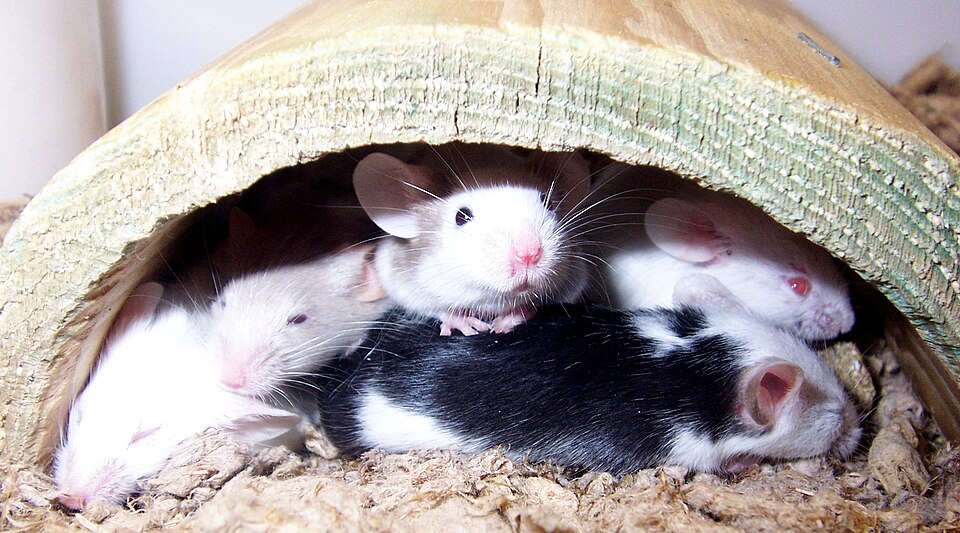
| Rat | Teeth grow continuously; gnawing helps prevent pain and health problems (RSPCA) |
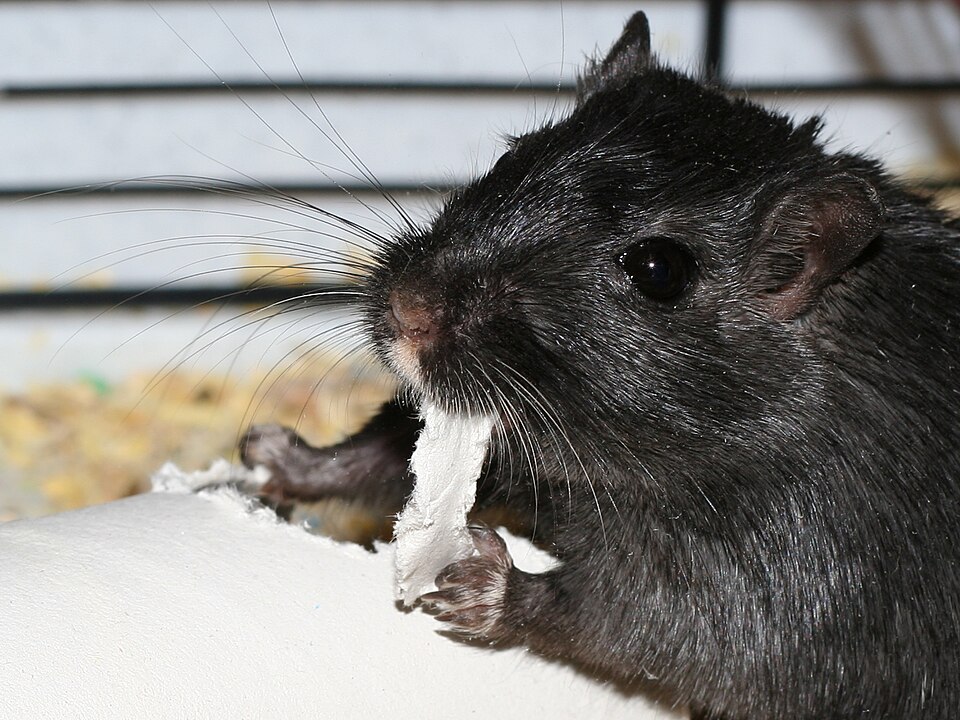
| Gerbil | Teeth grow continuously; if they get too long, they cause pain and health problems (RSPCA) |
Hay and the right food: the hidden side of dental care
Gnawing isn't only about toys; food wears teeth down too. According to the Merck Veterinary Manual, chinchillas' teeth grow continuously, and if they don't get enough hay to chew, their teeth can overgrow, grow into the jawbone and cause pain. Merck lists genetics, not enough chewing (too little hay) and a lack of vitamin C among the causes of dental problems in guinea pigs.
According to the PDSA, timothy hay, a fibrous type of hay, also helps keep hamsters' teeth healthy. The PDSA recommends not feeding hamsters only a muesli-style mix; a hamster can pick out the sugary pieces and leave the fibrous ones, and this can lead to dental problems.
We've explained the role of hay and vitamin C in a guinea pig's diet in our guinea pig care article, and the chinchilla's in our chinchilla care article.
Safe chewing materials by species
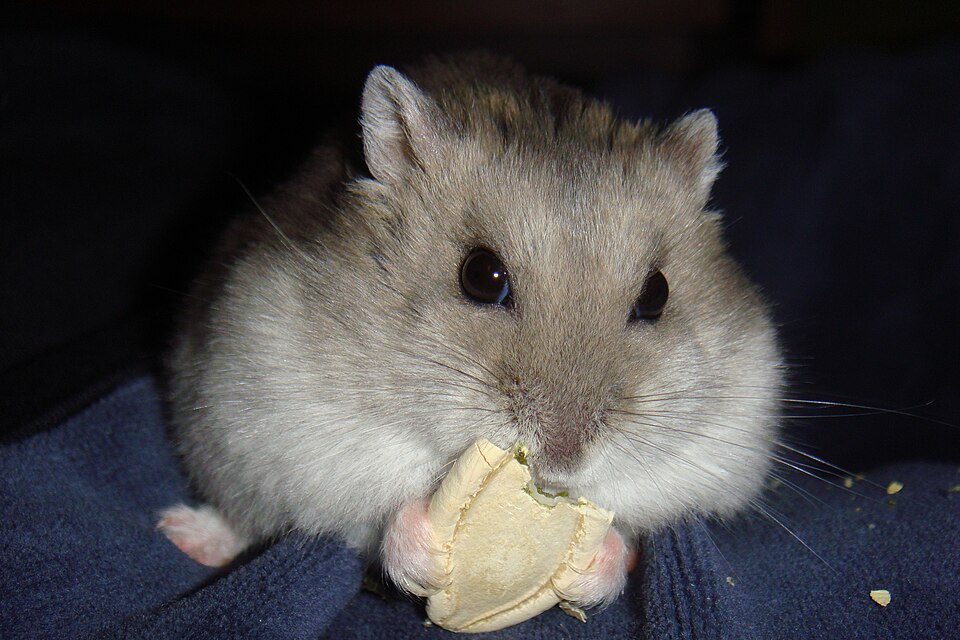
According to the PDSA, gnawing is a natural behavior for hamsters: it keeps their teeth from overgrowing and stops them from getting bored. According to the RSPCA, guinea pigs' teeth can also overgrow if they don't have enough to gnaw on. The materials the sources recommend:
| Species | Chewing materials recommended by the sources |
|---|---|
| Hamster | Chew blocks, cardboard tubes and boxes, untreated softwood branches and shelves (PDSA) |
| Guinea pig | Untreated wooden toys, pieces of fruit tree, willow sticks (RSPCA) |
| Rat | Ready-made wooden chews, branches from fruit trees such as apple, low-calorie dog biscuits (RSPCA) |
| Gerbil | Wooden chew blocks; willow, hazel, beech, birch and fruit tree branches (RSPCA) |
| Chinchilla | Plenty of hay (Merck); for toys, see our chinchilla care article |
The PDSA lists apple, pear, quince, hazel, poplar and hawthorn wood, pumice, coconut shell, hay cubes and cardboard among safe chewing materials for hamsters. According to the PDSA, the only suitable willows are goat willow, weeping willow and pussy willow.
- Be sure of the tree species: Only use branches from trees the sources consider safe. If in doubt, leave it out.
- Make sure it's untreated: The PDSA and the RSPCA always talk about untreated wood. Don't use wood if you don't know whether it has paint, varnish or a preservative on it.
- Wash and bake: According to the PDSA, wash any softwood branches you collect thoroughly first, then keep them in the oven at a low temperature for an hour.
- No chemicals: The RSPCA stresses that rats must not be able to reach poisonous plants and chemicals; don't use branches that may have been sprayed with pesticides or chemicals.
What to avoid
- Plastic toys: According to the RSPCA, guinea pigs shouldn't be given plastic toys; they can cause harm if chewed or swallowed.
- Poisonous branches: According to the RSPCA, ivy, yew and holly branches are poisonous to gerbils.
- Poisonous plants and chemicals: The RSPCA stresses that rats must not be able to reach poisonous foods, plants and chemicals. According to the RSPCA, rats can't vomit; even a small amount can be fatal.
- Paper with ink: According to the PDSA, newspaper ink may be toxic to hamsters; use plain cardboard for chewing.
If you suspect your pet has chewed or eaten something harmful, call your vet without waiting.
If it's chewing the cage bars
According to the RSPCA, if a rat is chewing the bars of its cage, it may need a bigger cage; this behavior is often a sign of boredom, frustration and trying to escape. The RSPCA recommends calling a vet when repetitive behaviors such as chewing the metal cage bars over and over begin; rats suffer when their environment doesn't suit them.
According to the RSPCA, offering more space, enrichment and hiding places can help with these kinds of behaviors. We've explained why a glass-walled home is recommended for gerbils instead of a cage with bars in our gerbil care article.
Signs of a dental problem
The signs listed by the sources:
- Not eating or eating less: According to the RSPCA, a gerbil with dental problems may stop eating; according to the PDSA, overgrown teeth can stop a hamster from eating.
- Weight loss and pain: According to the PDSA, overgrown teeth can cause pain and weight loss in hamsters; Merck also lists weight loss in guinea pigs.
- Drooling, wet fur under the chin: According to Merck, this can be a sign of a dental problem in guinea pigs and chinchillas, and according to the PDSA, in hamsters.
- Difficulty closing the mouth, unevenly worn teeth: Merck lists these signs for chinchillas.
- Eye or nose discharge: According to Merck, dental disease in guinea pigs can cause nasal or eye discharge, and in chinchillas, overgrown tooth roots can cause eye discharge.
- Swelling on the face or jaw: According to the PDSA, hamsters with dental problems can develop abscesses on the face.
According to the RSPCA, a vet can correct a guinea pig's overgrown teeth, but it's best to prevent the problem in the first place. According to Merck, in guinea pigs the problem is often in the molars at the back of the mouth, which you can't see at home. If your guinea pig is drooling or has stopped eating, Merck recommends going to a vet right away. If you suspect a dental problem, go to a vet who is experienced with rodents.
Regular checkups matter too. The RSPCA recommends having a vet check that gerbils' and rats' teeth are growing correctly. According to Merck, regular vet checkups can catch dental problems early in chinchillas.
If your pet is eating less than usual or has a wet chin, log it in Tüylüm under Health › Complaint history. How long it has been going on appears at the top of the Vet summary, and you can reach your clinic's details from My vet.
More of our rodent articles: hamster cages, pet rat care and all our rodent articles.
Frequently asked questions
Can I cut a branch from the fruit tree at home and give it to my pet?
You can if you're sure the tree is a safe species and hasn't been sprayed with pesticides or chemicals. The RSPCA recommends fruit tree branches for rats and gerbils; according to the PDSA, wash any softwood branches you collect thoroughly first and keep them in the oven at a low temperature for an hour. If in doubt, leave it out.
My rodent never touches its wooden toys. Is that a problem?
Gnawing doesn't always involve toys; hay and the right food also wear the teeth down. Still, if its appetite, weight or teeth don't look normal, if it's eating less, or if it's drooling, talk to your vet.
Its front teeth look long. Can I trim them myself?
No. According to the RSPCA, overgrown teeth should be corrected by a vet. According to Merck, in guinea pigs the problem is often in the molars you can't see, so the front teeth may be just the visible part of the problem. Go to a vet who is experienced with rodents.

Keep track of your pet's care in TüylümLog vet visits, vaccine and medication dates, and we'll remind you when it's time. Share it all with your family in Home.
Sources
- PDSA · Hamsters as pets
- Merck Veterinary Manual · Common health problems of guinea pigs
- Merck Veterinary Manual · Routine health care for chinchillas
- RSPCA · Making the right home for your guinea pigs
- RSPCA · Rat health and welfare
- RSPCA · Caring for your gerbils
By Tüylüm · Published and last checked: October 24, 2026. Spotted a mistake? Write to [email protected] and we'll fix it right away. Photos are from Wikimedia Commons, used under the license shown below each photo.