Ferrets in cold weather: keeping them warm, dry and safe in winter
We explained how sensitive ferrets are to heat in ferrets in hot weather. Winter is a bit different. According to the Merck Veterinary Manual, ferrets handle cold better than heat. But that doesn't mean cold is never a problem. According to the PDSA, ferrets don't cope well with extreme temperatures and may even need additional heat in freezing conditions. According to Woodgreen, they don't like quick changes in temperature either. In this article, we explain how to get ready for winter indoors and outdoors.
- Better with cold: According to Merck, they handle cold better than heat; but in the cold, the amount of food they eat may double.
- Comfort range: About 15–21 °C (59–70 °F) according to the RSPCA, 15–24 °C (59–75 °F) according to the PDSA.
- Dry and draft-free: Plenty of dry bedding; not in front of a window or in a damp corner (RSPCA, Merck, PDSA).
- No sudden changes: Don't move a ferret that lives outdoors inside at night and back out during the day (Woodgreen).
- Keep water from freezing: Check the water often; don't use hot water bottles, since the water inside can freeze quickly (Woodgreen).
- Stoves and fireplaces: Gate off the wood stove and make sure the fireplace doors close completely (AFA).
How much cold can they take?
The sources in this article don't give a firm lower limit for cold. But they're close to one another on the temperature range ferrets are comfortable in:
| Source | Comfort range | Notes on cold |
|---|---|---|
| RSPCA | 15–21 °C (59–70 °F) | Where they live should be well ventilated, dry and draft-free |
| PDSA | 15–24 °C (59–75 °F) | Insulation and extra bedding in winter; additional heat may be needed in freezing conditions |
| Merck | 18–23 °C (65–75 °F) | Handle cold better than heat; food consumption may double in the cold |
According to the PDSA, ferrets also need protection from direct sunlight, wind and rain.
Winter indoors
- Where the cage goes: Merck recommends keeping the cage away from drafts and dampness and not placing it directly in front of a window.
- Ventilation: Keep the air in the room fresh even when the windows are shut. The RSPCA wants a ferret's home to be both draft-free and well ventilated.
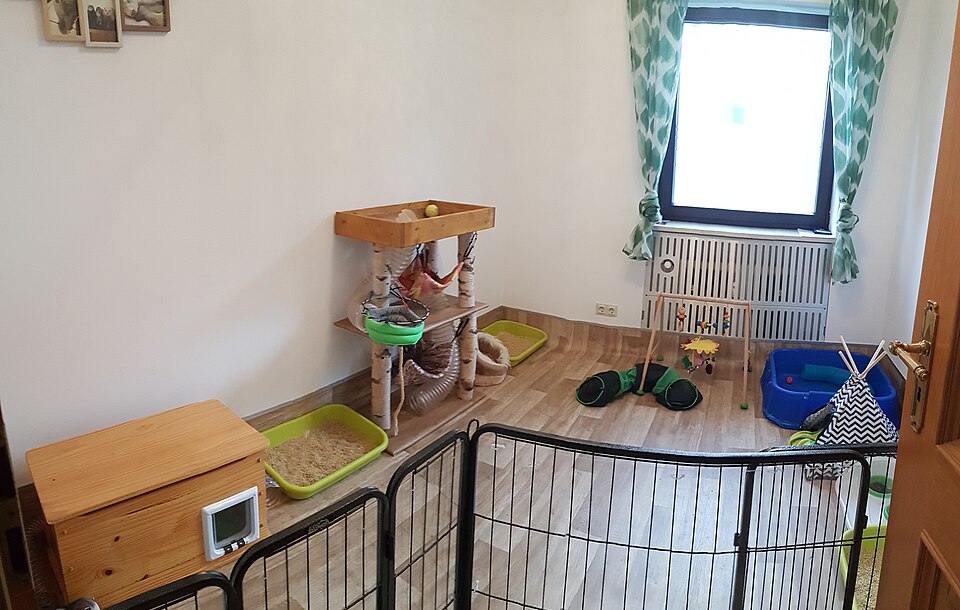
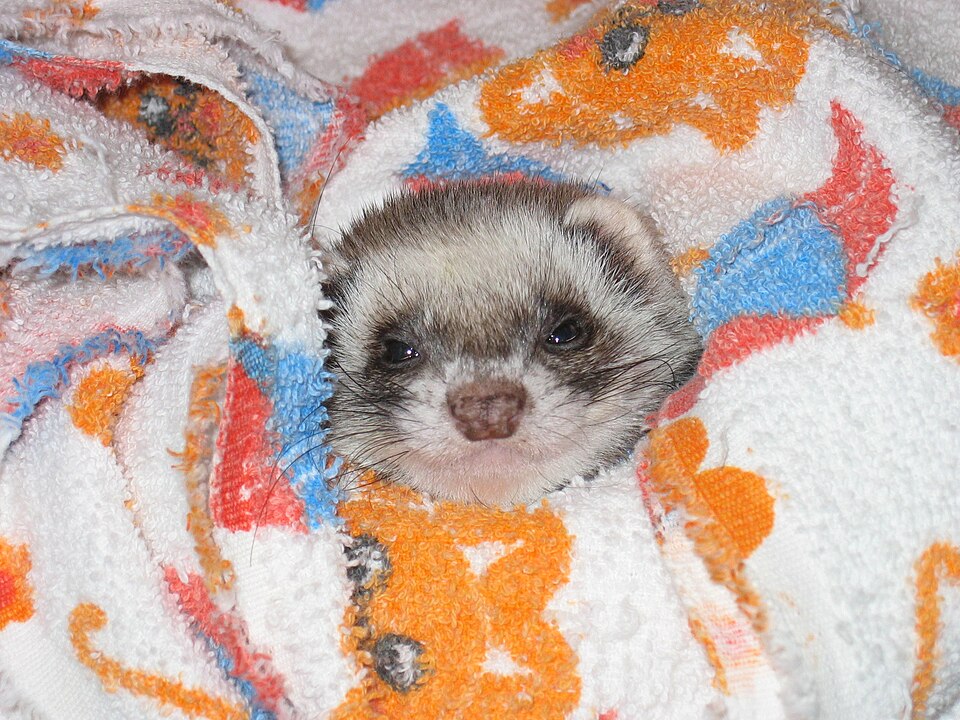
- Warm, dry beds: According to the PDSA, ferrets need lots of warm, dry places to sleep, away from direct sunlight, drafts and rain. They especially love hammocks; for extra comfort, the PDSA suggests towels and blankets.
- Change wet bedding right away: The PDSA recommends washing and replacing any wet or soiled towels and blankets. A sleeping spot should be both warm and dry.
We covered which fabrics suit winter better in ferret cage and bedding.
Stoves, fireplaces and heating vents
In winter, the stove is lit and the fireplace is in use. The AFA's ferret-proofing guide recommends these precautions around heaters:
- Fireplace: The fireplace doors should close completely; otherwise your ferret could get in and hurt itself or inhale ash (AFA).
- Wood stove: The stove should be gated off so your ferret doesn't get burned (AFA).
- Heating vents: Heating vents in the floor and those mounted low on the walls should be securely screwed down (AFA).
For the narrow gaps behind radiators and for cords, see: ferret-proofing your home.
In the yard or an outdoor enclosure
According to the PDSA, ferrets can live inside or outside; but in winter they need insulation and extra bedding. Woodgreen's winter advice:
- Keep the routine: According to Woodgreen, ferrets don't like quick changes in temperature; it confuses their internal "thermometer." Don't bring a ferret that lives outdoors in at night and put it back out during the day. Instead, Woodgreen suggests ways to keep them warm outside; only consider bringing your ferret in if it seems unwell.
- Block the wind: You can cover the outside of the run and the roof with clear Perspex or plastic sheets; but make sure the ventilation stays good (Woodgreen).
- Hiding spots: Provide warm, dry hiding spots such as boxes, tunnels, cat carriers and hammocks, and line them all with blankets (Woodgreen).
- Heat pads: In freezing weather, pet-safe heat pads wrapped in a towel can be used (Woodgreen).
- No hot water bottles: Woodgreen doesn't recommend hot water bottles or containers filled with warm water; the water inside can freeze quickly.
- Check the water: Check the drinking water often to make sure it hasn't frozen over (Woodgreen).
Woodgreen also suggests that if you have a lone ferret, you consider finding it a ferret companion (or two). We explained how to introduce a new ferret in ferrets and other pets.
Winter weight and appetite
Don't panic if your ferret gets a little chubby in winter. According to the PDSA, it's normal for ferrets to put on around 40% of their body weight for winter; don't put a ferret that gains weight at the start of winter on a diet. It should lose the weight naturally in spring. Merck also says the amount of food ferrets eat may double in the cold; so the food bowl may empty faster than usual in winter. What to do if the weight doesn't come off in spring is in ferret diet guide.
You can follow your ferret's winter and spring weight with Tüylüm's Weight tracking. Food & litter supplies also reminds you before its food runs out. For ferrets that live outdoors, you can add your own task, such as "Is the water frozen?", next to the ready-made Water task on the Today tab.
Snow play
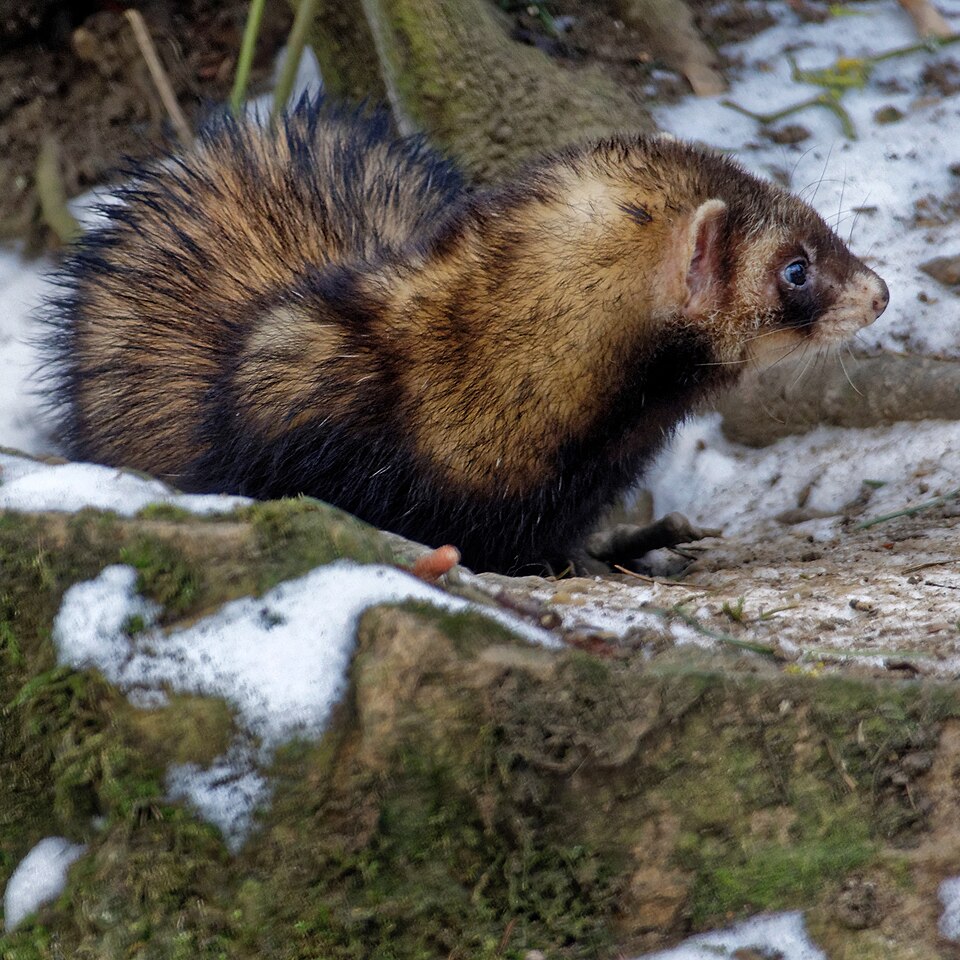
Some ferrets love snow. On snowy days, the AFA suggests filling a large container with snow and letting your ferret burrow in it. Be careful when you collect the snow: according to the AFA, it should be free of salt and ice melt, other chemicals and debris. According to the AFA, watch your ferret carefully during water and snow play, and never leave it unsupervised.
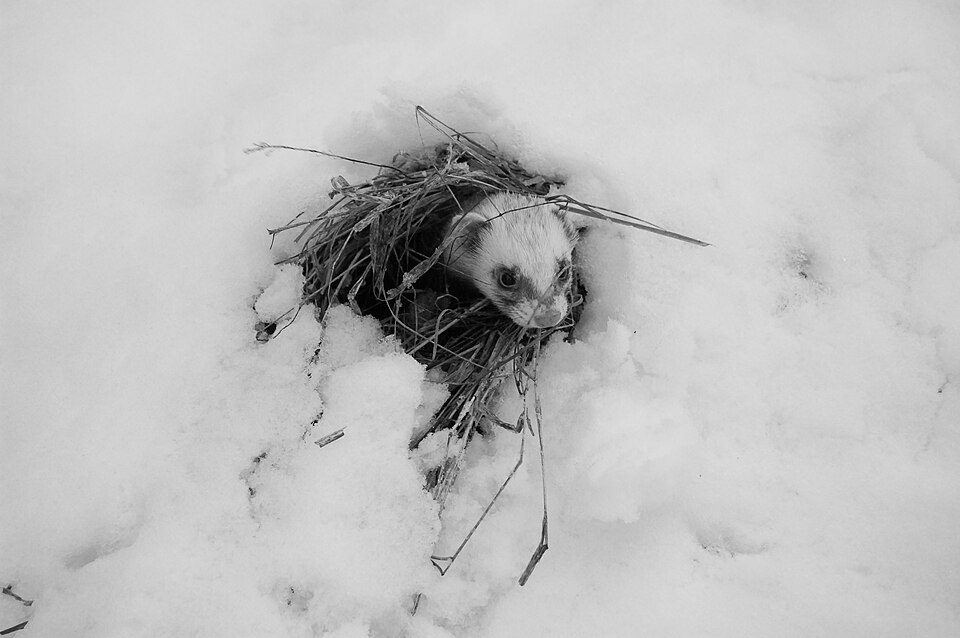
According to Woodgreen, dry your ferret off well with a towel after it plays in the snow. If you're going out for a walk, the AFA wants you to make sure it's not too hot or too cold outside. For harnesses and walks, see: walking your ferret on a harness.
If someone at home is sick
Woodgreen points out one more thing for the winter months: ferrets can catch colds from people. If someone in your household has a cold, they should keep away from the ferrets for a while.
If your ferret becomes lethargic in winter, behaves differently from usual or simply seems not quite right to you, talk to your vet without delay.
Frequently asked questions
Can my ferret stay outside in winter?
According to the PDSA, ferrets can live inside or outside; but in winter they need insulation and extra bedding, and additional heat may be needed in freezing conditions. Woodgreen recommends not bringing outdoor ferrets in at night and putting them back out during the day; quick changes in temperature confuse them.
How cold is too cold for a ferret?
The sources in this article don't give a firm lower limit. The comfort range is about 15–21 °C (59–70 °F) according to the RSPCA and 15–24 °C (59–75 °F) according to the PDSA. According to the PDSA, a ferret may need additional heat in freezing conditions.
My ferret gained a lot of weight this winter. Should I put it on a diet?
According to the PDSA, no: putting on around 40% of its body weight for winter is normal, and the weight should come off naturally in spring. If you're worried about your ferret's weight, talk to your vet.

Keep track of your pet's care in TüylümLog vet visits, vaccine and medication dates, and we'll remind you when it's time. Share it all with your family in Home.
Sources
- Woodgreen Pets Charity · How to care for your ferrets in cold winters or freezing weather
- PDSA · Ferrets as pets
- Merck Veterinary Manual · Providing a Home for a Ferret
- RSPCA · Creating a good home for your ferrets
- American Ferret Association · Is your home ready for these tenacious weasels? (ferret-proofing guide, PDF)
- American Ferret Association · Ferret Fitness and Enrichment: Be your Ferrets' Personal Trainer (PDF)
By Tüylüm · Published and last checked: October 28, 2026. Spotted a mistake? Write to [email protected] and we'll fix it right away. Photos are from Wikimedia Commons, used under the license shown below each photo.