Before you get an amphibian: 8 things you should know
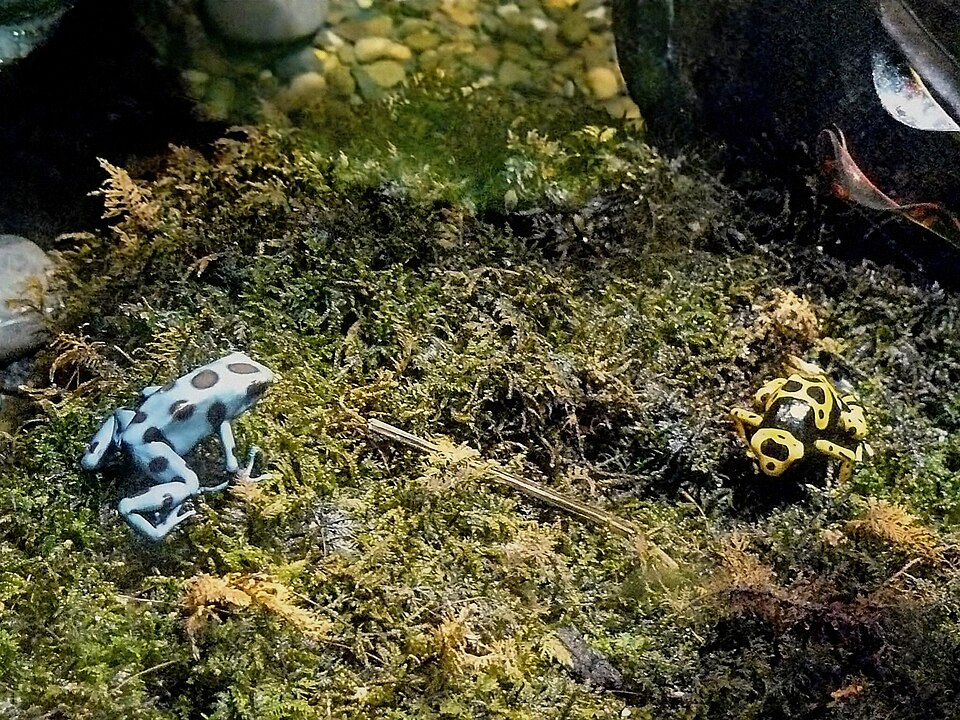
Watching a tadpole turn into a frog, or locking eyes with a salamander gliding through an aquarium. Amphibians are fascinating animals. According to Agriculture Victoria in Australia, their life cycle, from a larva that breathes water through gills to a completely different creature that breathes air, makes them very interesting pets to watch. But according to the same agency, keeping amphibians is more of a hobby; these aren't companions you cuddle. We've gathered the questions you should ask yourself before getting a frog, salamander or axolotl, using advice from the RSPCA, RSPCA Australia, Agriculture Victoria, the Merck Veterinary Manual and the US Centers for Disease Control and Prevention (CDC).
- An animal to watch: According to Agriculture Victoria, handling them often can harm both the amphibian and you.
- A long promise: According to RSPCA Australia, some frogs can live about 20 years in captivity; according to the RVC, salamanders live 10–20 years, depending on the species.
- Each species has its own world: Temperature, humidity and setup vary from species to species; research your species first.
- Not from the wild: The RSPCA opposes the trade in wild-caught animals; the CDC also advises against catching wild amphibians.
- Find a vet first: According to the CDC, most vets don't treat reptiles or amphibians.
- Never release it: If you can't care for it, find it a new home.
1. Not a lap pet, but an animal to watch
According to Agriculture Victoria, handling amphibians too often can, in most cases, be dangerous to both the animal and its owner. Because most amphibians also breathe through their skin, chemicals and residues on your hands can pass to them and can even kill them. Frequent handling can damage their skin, leave them open to bacteria and cause them stress. According to RSPCA Australia, most frogs are also nocturnal and don't like being handled. The Merck Veterinary Manual recommends handling amphibians as little as possible because their skin is delicate.
So you don't "play" with an amphibian; you watch it. Watch it hunt, swim, hide under a leaf. If that's enough for you, you're on the right track. We explain when and how to touch them in our article on handling amphibians.
2. You're making a long promise
The CDC recommends making sure you can commit to a lifespan that may be very long before you get one. According to RSPCA Australia, some frog species can live about 20 years in captivity. According to the RVC, salamanders and newts also live 10–20 years, depending on the species. A salamander you bring home today may still need daily care 15 years from now.
3. Each species has its own world
According to Agriculture Victoria, each amphibian species has different humidity, temperature and environmental needs: a tropical species needs a hotter, more humid environment than one from a cooler climate. RSPCA Australia also says needs depend on whether a frog lives in trees or burrows and lives on the ground. Because frogs are very sensitive to changes in their environment, you need to research temperature, humidity, space, substrate, light and diet ahead of time. According to Merck, some amphibians, such as the axolotl, live fully in water all their lives; most start life in water and move onto land, but still stay near water.
Agriculture Victoria's advice: before you get the animal, talk to a vet or someone experienced in amphibian care and research the species you want, so everything is ready when it comes home.
Our species guides: axolotl, tree frog, Pacman frog, fire-bellied toad, African clawed frog and salamander.
4. Setup and costs
According to the RSPCA, many exotic pets need a controlled environment with specialized heating and lighting, and specialist food can become expensive over time. The RSPCA stresses that you shouldn't turn down temperatures or light sources to save money: this can lead to serious health problems and high vet bills.
- An escape-proof home: According to Agriculture Victoria, every amphibian enclosure must be escape-proof.
- Chlorine-free water: According to Agriculture Victoria, amphibians are very sensitive to chlorine; all water in the enclosure must be chlorine-free. You can use a water conditioner or bottled water.
- The right rocks: If you add rocks to the enclosure, according to Agriculture Victoria, they must be large enough that the amphibian can't swallow them.
- Live food: According to Agriculture Victoria, most amphibians eat only live invertebrates: insects, crickets, wax worms, roaches. Are you ready to keep live insects at home? Never feed insects that have been exposed to insecticide or other chemicals. More: live feeder safety.
- Cleaning: According to Agriculture Victoria, because amphibian skin is sensitive and absorbent, their habitat needs to be cleaned thoroughly and often.
For water quality: amphibian water quality.
5. Where should you get one?
The RSPCA recommends making sure the animal wasn't taken from the wild; the RSPCA opposes the trade in wild-caught animals. In Australia, taking a frog or tadpole from the wild is illegal, and RSPCA Australia advises buying only from a licensed breeder so you don't support the illegal wildlife trade. According to Merck, salamanders should also never be taken from the wild.
The CDC's advice:
- A trusted source: Buy only from a trusted source; avoid roadside or temporary vendors.
- A healthy animal: Choose a healthy animal and ask whether it's eating; not eating can be a sign of a health problem.
- Know the rules: Check the rules where you live, and ask your landlord if you rent. Some amphibians may not be allowed in some places. The RSPCA also recommends finding out in advance about any licence or legal paperwork you need.
- Don't catch wild ones: The CDC advises against catching wild amphibians as pets.
6. Find a vet first
According to the CDC, most vets don't treat reptiles or amphibians, so before you get the animal, find a vet who treats exotic pets and ask them about the species you want. The RSPCA also recommends finding out ahead of time whether there's a specialist vet nearby who can treat that species.
If you save the details of the exotics clinic you find in Tüylüm's My vet, you can call your vet with one tap when you need to. You can set appointment reminders for checkups and track jobs like feeding and cleaning as daily care tasks on the Today tab.
7. Who lives in your home?
According to the CDC, reptiles and amphibians aren't recommended for households with young children, people with weakened immune systems or adults 65 and older, and children under 5 shouldn't touch amphibians or their habitats. According to Agriculture Victoria, amphibians can carry bacteria that make people sick, such as Salmonella. The CDC recommends washing your hands with soap and running water after every contact, after feeding and after cleaning the tank. According to Agriculture Victoria, smokers should never touch frogs.
8. If you can't care for it: never release it
According to Agriculture Victoria, never release amphibians into dams, rivers, other waterways or down the toilet: they can carry diseases that can affect native species and can establish populations that compete with native ones. According to the CDC, most released reptiles and amphibians die.
According to the RSPCA, not all rescue centers can take exotic pets, so start looking for a new home early. The RSPCA suggests contacting species-specific rescues, keeper communities and exotics vets. The CDC also suggests contacting a pet store, a local pet rescue group, or an aquarium or zoo. More: garden and wild frogs.
More articles: Amphibians.
Frequently asked questions
Are amphibians good pets for beginners?
The sources disagree. According to Agriculture Victoria, they're low-maintenance pets as long as their cages are kept clean, they're fed regularly and their water is free from toxins; RSPCA Australia, on the other hand, says frogs are not "low maintenance." What both agree on: research the species first and get its home ready.
I want to get a frog for my child. What should I keep in mind?
According to the CDC, reptiles and amphibians aren't recommended for households with young children, and children under 5 shouldn't touch them. Older children should also wash their hands with soap and water after touching an amphibian or its tank; the CDC recommends supervising young children when they use hand sanitizer.
Can I keep a frog I found in nature?
No. The CDC advises against catching wild amphibians as pets, and in some countries, such as Australia, it's illegal. We explain how you can help wild frogs in our article on garden and wild frogs.

Keep track of your pet's care in TüylümLog vet visits, vaccine and medication dates, and we'll remind you when it's time. Share it all with your family in Home.
Sources
- Agriculture Victoria · Caring for your pet amphibian
- RSPCA · Caring for reptiles and other exotic pets
- RSPCA Australia Knowledgebase · Can I keep a frog as a companion animal?
- CDC · Reptiles and Amphibians (Healthy Pets, Healthy People)
- Merck Veterinary Manual · Introduction to Amphibians (pet owner version)
- Royal Veterinary College (RVC) · Salamander care (care sheet, PDF, December 2024)
By Tüylüm · Published and last checked: October 26, 2026. Spotted a mistake? Write to [email protected] and we'll fix it right away. Photos are from Wikimedia Commons, used under the license shown below each photo.