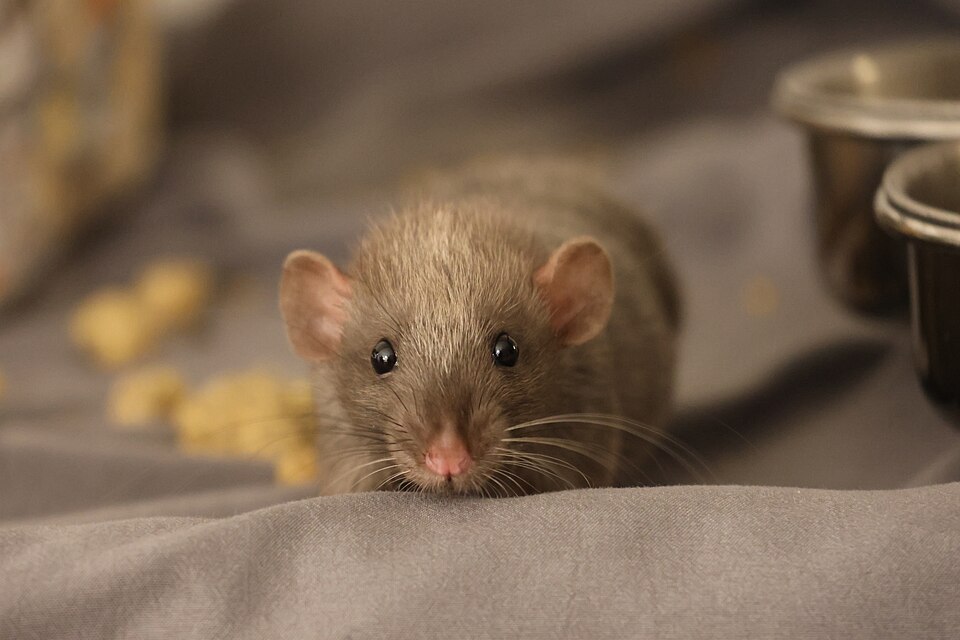
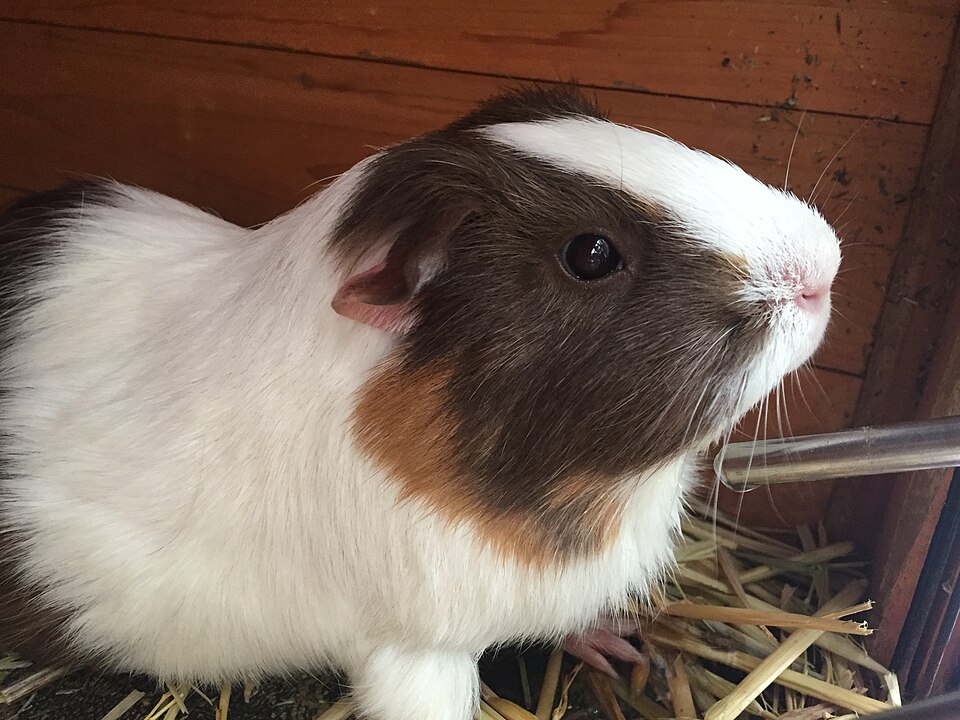
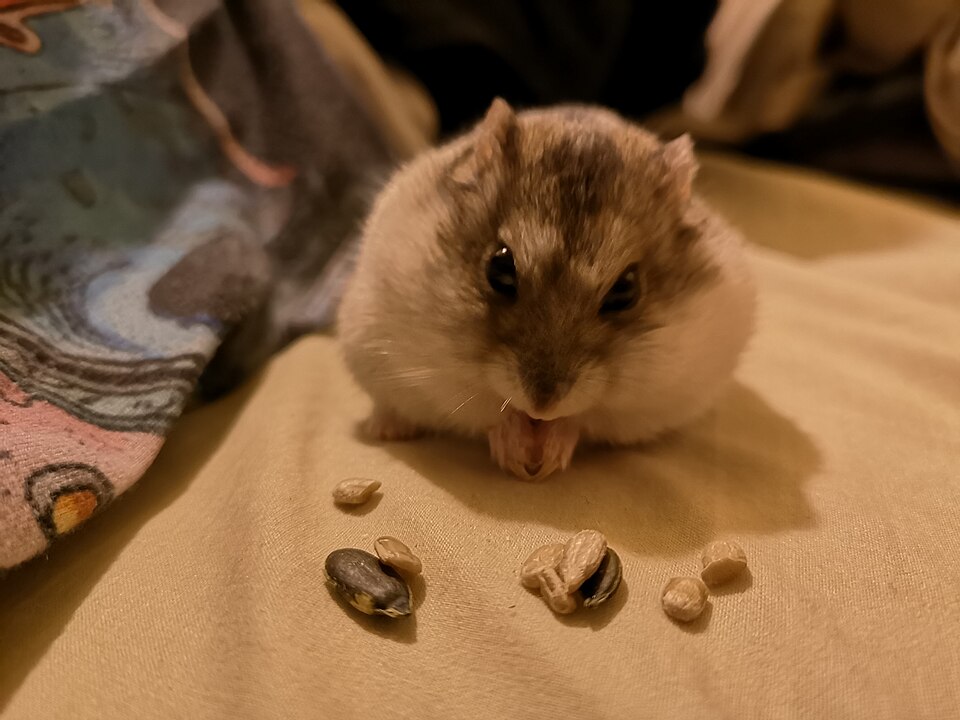
My child wants a hamster: what to know before getting a small rodent

"Can we get a hamster?" Sooner or later, this question comes up in many homes. A hamster seems small, cute and much less demanding of space than a dog. According to the RSPCA, hamsters are often a child's first pet because they're small animals with a great deal of character, but their needs are quite complex. The RSPCA says small pets shouldn't be seen as "easy starter pets." Blue Cross points to the same misconception: small pets are often seen as easy, low-maintenance pets, when in fact they all have very specific needs. This article brings together what to talk about as a family before you decide.
- An adult is the main carer: According to the RSPCA, looking after a hamster is too much responsibility for a child; according to Blue Cross, children should never be the primary carer.
- Nighttime habits: Hamsters, rats and mice are active at night (Blue Cross).
- Not a lap pet: According to Blue Cross, small pets are prey animals and don't enjoy being picked up.
- Companions: Apart from hamsters, all small pets need to live with a companion of their own kind (Blue Cross).
- Lifespan: One and a half to two years for a mouse, 10–20 years for a chinchilla (Blue Cross).
- Under 5: The US Centers for Disease Control and Prevention (CDC) recommends that children under 5 avoid contact with rodents.
First, talk through these questions as a family
Blue Cross recommends asking yourself these questions before getting a small pet:
- Who will be the main carer? According to Blue Cross, a small pet should be a family pet, just like a cat or a dog, and children should never be the primary carer. (In the UK, you have to be over 16 to legally own a pet.)
- Will they need a companion? Apart from the hamster species, all small pets need company of their own kind; according to Blue Cross, living alone can be stressful for them.
- How much space do you have? According to Blue Cross, small pets need a much bigger enclosure than people often assume.
- How long will they live? Some small pets can live up to 20 years (Blue Cross).
- Does their nature fit your family routine? The RSPCA recommends thinking about whether the animal's natural behavior fits your family's daily routine, and whether an adult can take responsibility for their daily care.
Comparing species
According to Blue Cross's guide to small pets:
| Species | Lifespan | When are they awake? | Companions |
|---|---|---|---|
| Hamster | 2–3 years | At night | Live alone |
| Guinea pig | 5–7 years | During the day; most active at dawn and dusk | At least one guinea pig |
| Rat | 2–3 years | At night | At least one rat |
| Mouse | 1.5–2 years | At night | Small groups |
| Gerbil | 3–4 years | Mostly during the day; also in the evening and at night | At least one gerbil |
| Degu | 5–8 years | During the day | Pairs or groups |
| Chinchilla | 10–20 years | Mostly in the evening | Pairs or small groups |
Species also differ a lot when it comes to handling. According to Blue Cross:
- Hamster: Some become tame with gentle, regular handling; but they're easily startled and may nip if frightened or woken suddenly.
- Guinea pig: Can become very tame with regular, gentle handling.
- Rat: One of the most interactive small pets; they form strong bonds with their owners and can even learn tricks.
- Mouse: Quick and delicate; handling requires extreme care, but they're fascinating to watch.
- Gerbil, degu and chinchilla: They don't enjoy being handled. Degus enjoy taking treats from your hand or clambering on you while you sit on the floor; Blue Cross considers chinchillas more suitable for adults.
Why a hamster isn't an "easy first pet"
Night owls. According to Blue Cross, hamsters are active at night and may not be awake much during the day. According to the PDSA, a hamster handled while sleeping is likely to be scared and bite. Wood Green also says hamsters aren't best suited to families who want lots of interaction during the day. So when your child comes home from school wanting to play, the hamster may well be asleep.
Not a lap pet. According to the PDSA, hamsters are prey animals, and being picked up can frighten them. The PDSA recommends that, ideally, children don't hold hamsters, but feed them treats and gently stroke them in their cage instead. If you want a pet that usually enjoys being picked up, the PDSA suggests considering rats or ferrets.
A fragile body. According to the RSPCA, hamsters can easily be injured by rough or careless handling. The RSPCA is clear: an adult should always be responsible for making sure a hamster is properly handled and cared for; looking after a hamster is too much responsibility for a child.
Choose the right species. According to Wood Green, the Syrian hamster, the largest species, can be easier to handle because of their size. The Roborovski hamster, on the other hand, is very fast, makes sudden movements and isn't suitable for regular handling, especially by young children. Wood Green says Chinese hamsters and dwarf hamsters can be good for families once they're well socialized.
Where will the cage go? Wood Green recommends putting the cage somewhere safe from young, unsupervised children and not in a bedroom that's in use: hamsters are most active overnight and can disturb your sleep. For the cage itself: how to set up a hamster cage
How can a child help with care?
Even though the main responsibility lies with an adult, a child can be a fun part of the care. According to the PDSA, hamsters aren't the cuddliest creatures, but they're entertaining to watch as they run about and explore.
- Giving treats and stroking: As the PDSA suggests, let your child give the hamster treats in their cage and stroke them gently, with an adult nearby.
- Hiding food: The PDSA recommends scattering food around the cage instead of using a bowl, burying it in the bedding, or hiding it in paper bags and cardboard tubes. You can do the hiding together with your child.
- Sitting on the floor: If the hamster is going to be held, the PDSA recommends sitting on the floor, so they don't get hurt if they jump. Scoop the hamster up with both palms and hold them close to the body (PDSA).
- Watching together: In the evening, when the hamster wakes up and starts moving around, watch them together.
We covered the steps for getting a hamster used to you without frightening them in building trust with your hamster.
The CDC recommends always washing children's hands thoroughly with soap and water right after they touch, feed or care for animals; adults should supervise handwashing for young children. According to the CDC, children should always be supervised around animals. The CDC also recommends that children under 5 avoid contact with hamsters, guinea pigs, rats, mice and other small rodents. According to the CDC, adults 65 and older, people with weakened immune systems and pregnant women are also more likely to get sick from germs animals can carry.
Maybe a different species?
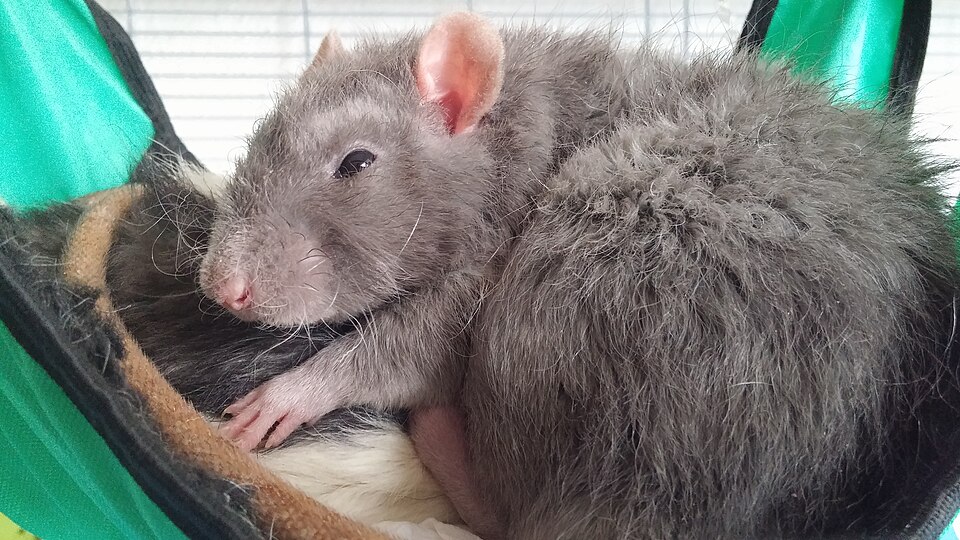
If what your child wants most is a friend they can pick up and cuddle, the PDSA suggests considering rats. According to Blue Cross, rats are one of the most interactive small pets; they form strong bonds with their owners and enjoy problem-solving and exploring. But they need at least one rat companion and a tall cage of at least 90 × 60 × 120 cm for two to five rats (Blue Cross). More details: pet rat care.
If you want a pet that's awake during the day, guinea pigs and degus stand out on Blue Cross's list; but both need to live with companions and need plenty of space. See guinea pig care and degu care. Chinchillas, according to Blue Cross, live 10–20 years and have very specific needs.
Before you decide
- Decide who the main carer is: Who will handle food, water and cleaning every day? According to the RSPCA, it should be an adult.
- Talk about lifespan: A mouse may live one and a half to two years, a chinchilla 10–20 years (Blue Cross). Who will look after them for all that time?
- Measure your space: Find out the cage size for your chosen species in advance; according to Blue Cross, a hamster needs at least 100 × 50 × 50 cm (39 × 20 × 20 in).
- Find a vet from the start: According to Wood Green, it's important to find a vet experienced with hamsters in advance; most vets mainly see cats and dogs.
With Home in Tüylüm, everyone in the family sees the same pet and the same Today list; when someone checks off the food or water task, everyone else sees it too. You can save your vet's details in My vet, and when you go on vacation, you can send the daily tasks and your notes to the sitter in a single message with Pet sitter note.
More of our rodent articles: rodents.
Frequently asked questions
What age is a hamster suitable for?
The sources don't set an age limit; what matters is that the main carer is an adult. According to the RSPCA, looking after a hamster is too much responsibility for a child. The CDC recommends that children under 5 avoid contact with rodents, and older children should also handle hamsters only with an adult supervising (PDSA).
Hamster or guinea pig?
According to Blue Cross, hamsters live alone, are active at night and live two to three years. Guinea pigs are awake during the day, need to live with at least one companion and live five to seven years; they can become very tame with regular, gentle handling. A guinea pig means a longer commitment and more space: for two female guinea pigs, Blue Cross recommends a living area of at least five feet by two feet (about 150 × 60 cm), plus access to a separate run.
Can my child pick up our hamster?
The PDSA recommends that, ideally, they don't; instead, they can give the hamster treats and stroke them in their cage. If your child does hold them, an adult should always be present: sit on the floor, scoop the hamster up with both palms, hold them close to the body, and only try when the hamster is awake (PDSA).

Keep track of your pet's care in TüylümLog vet visits, vaccine and medication dates, and we'll remind you when it's time. Share it all with your family in Home.
Sources
- Blue Cross · Choosing the right small pet
- RSPCA · Choosing the best pet for your family
- RSPCA · Hamsters
- PDSA · Hamsters as pets
- Wood Green · Caring for hamsters as pets
- CDC · People at increased risk for illness from animals
By Tüylüm · Published and last checked: October 26, 2026. Spotted a mistake? Write to [email protected] and we'll fix it right away. Photos are from Wikimedia Commons, used under the license shown below each photo.